Sperm Safe Lubricant: The Ultimate Reference Guide for TTC in 2026


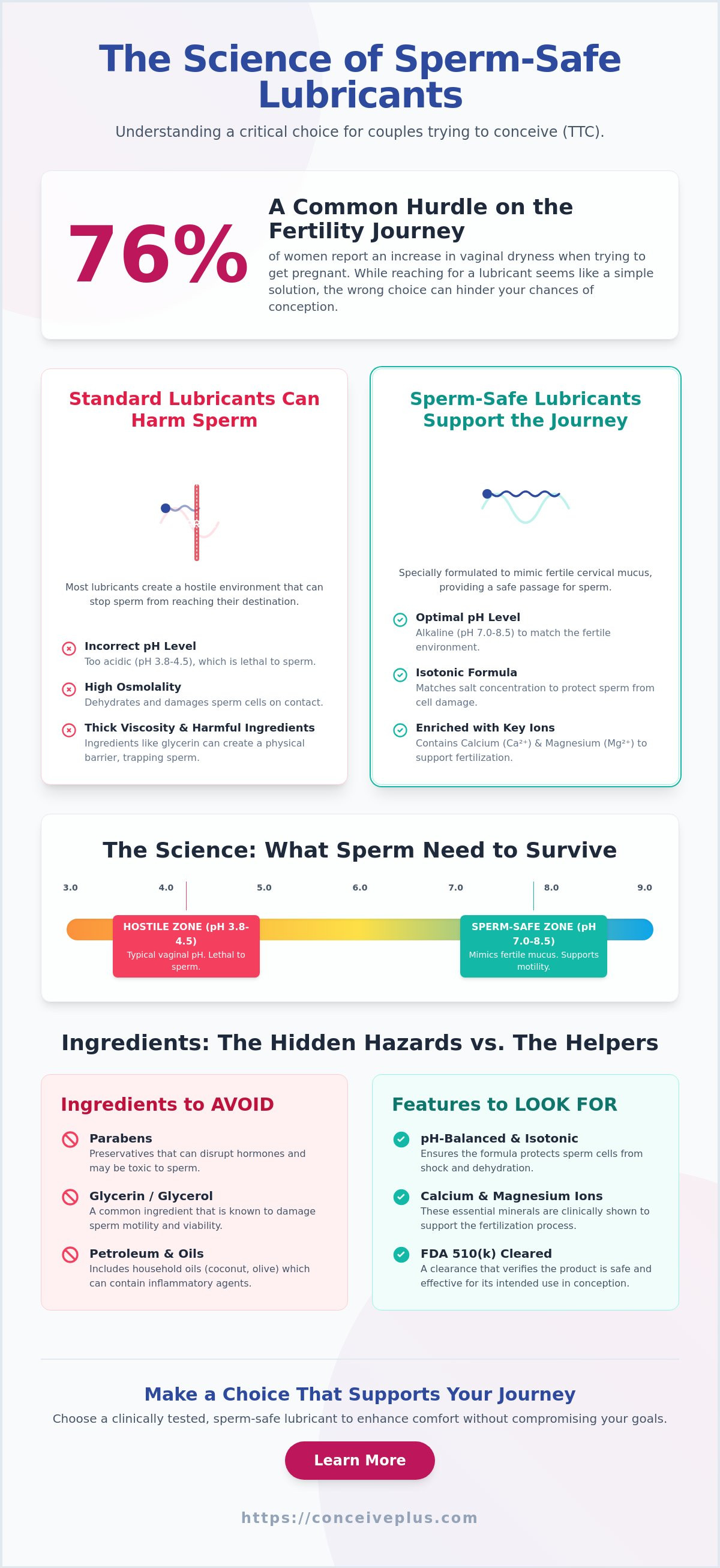
Did you know that 76% of women report an increase in vaginal dryness when they are trying to get pregnant? It's a frustrating irony that many couples face. Just when you want everything to be perfect for conception, the physical stress of the journey or the side effects of fertility medications can make intimacy feel like a challenge. While you might reach for a bottle on the shelf to help, using a standard product could inadvertently create a barrier for your partner's sperm. Choosing a verified sperm safe lubricant is essential to ensure your comfort doesn't come at the cost of your goals.
We understand the anxiety that comes with every small decision during the TTC process. You deserve to know exactly how your choices affect your fertility. This guide explains the scientific difference between standard lubricants and those designed specifically for conception. We'll explore why pH balance matters, what FDA 510(k) clearance actually means for your safety, and provide a clear checklist of ingredients like glycerol and parabens that you should avoid. You'll gain the confidence to choose a product that mimics your body's natural environment and supports your journey to parenthood.
Key Takeaways
- Learn why maintaining a pH between 7.0 and 8.5 is critical for protecting sperm motility and preventing cell dehydration during intercourse.
- Identify the "Big Three" hidden hazards, including parabens, glycerin, and petroleum, that often lurk in products labeled as "natural" or "spermicide-free."
- Understand how a specialized sperm safe lubricant mimics fertile cervical mucus to support sperm viability instead of creating a chemical barrier.
- Discover the best practices for application timing and placement to maximize both physical comfort and your chances of conception.
- Explore the clinical benefits of ion-enriched formulas that use magnesium and calcium to support the natural fertilization process.
What is Sperm Safe Lubricant and Why Does It Matter for TTC?
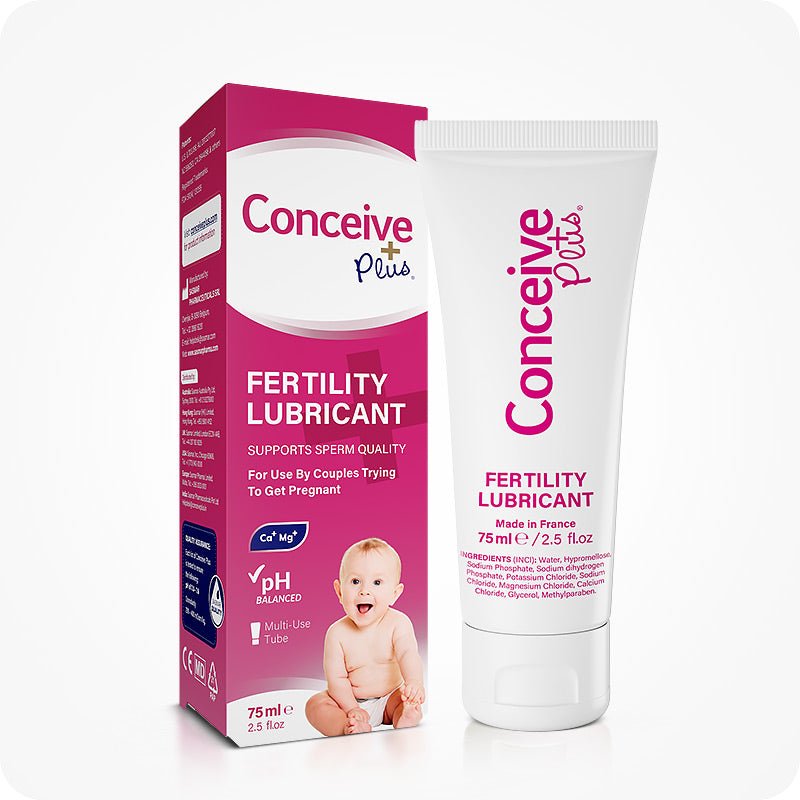
A sperm safe lubricant is a specialized gel formulated to mimic the natural environment of fertile cervical mucus. Unlike everyday products, these lubricants are specifically engineered to match the pH and osmolality of the fluids your body produces during ovulation. Research shows that between 25% and 43% of couples trying to conceive use a lubricant to enhance comfort. However, choosing a personal lubricant that isn't designed for fertility can create an environment where sperm cannot survive or travel effectively. To protect your chances of conception, your lubricant must do more than just provide moisture; it must actively support sperm health.
Many couples mistakenly believe that "natural" household alternatives are safer than store-bought options. While coconut oil or olive oil might seem like a clean choice, they aren't recommended for those trying to conceive. These oils can contain toxic peroxides and inflammatory chemicals that may interfere with sperm function. Because these substances aren't tested for fertility safety, they can end up hindering your progress rather than helping it. A true fertility-friendly product undergoes rigorous testing to ensure it doesn't contain these hidden hazards.
To better understand how your choice of lubricant affects your fertility journey, watch this helpful video from Dr. Natalie Crawford:
Vaginal dryness is a common hurdle for couples, with 76% of women reporting an increase in dryness when trying to get pregnant. This is often exacerbated by fertility medications like Clomid, which can significantly reduce the quality and quantity of natural cervical mucus. In these cases, using a sperm safe lubricant isn't just about comfort. It's a necessary tool to replace the missing fluids that sperm rely on to reach the egg.
The Difference Between 'Fertility-Friendly' and Standard Lubricants
Standard lubricants are usually designed to match the typical, slightly acidic vaginal pH. While this is healthy for daily life, acidity is lethal to sperm. Sperm-safe options are alkaline, usually falling between 7.0 and 8.5, to match the environment sperm need to thrive. Additionally, standard lubes often use thickeners that can physically trap sperm. These thickeners create a dense mesh that prevents sperm from "swimming" effectively toward the cervix, effectively acting as a barrier even if they don't contain spermicide.
How Standard Lube Acts as a Barrier to Conception
The viscosity of a lubricant plays a major role in motility. If a gel is too thick or has the wrong salt concentration (osmolality), it can dehydrate sperm cells on contact. This creates an "invisible barrier" where the sperm are either killed or immobilized before they can leave the vaginal canal. Even a small amount of non-safe lubricant can significantly decrease the number of viable sperm that make it to their destination. By choosing a product specifically formulated for TTC, you ensure the micro-environment remains supportive rather than hostile.
The Science of Sperm Motility: pH, Osmolality, and Ion Balance
Sperm cells are surprisingly fragile. To reach the egg, they must survive a journey through the reproductive tract that is often naturally hostile. Success depends on three key scientific factors: pH levels, osmolality, and ion balance. While standard lubricants focus solely on reducing friction, a sperm safe lubricant is engineered to protect the physiological integrity of every cell. It doesn't just sit on the surface; it creates a supportive micro-environment that encourages movement.
The most critical factor is the "magic range" of pH. Under normal conditions, the vagina is acidic, with a pH between 3.8 and 4.5. This acidity acts as a natural defense against bacteria, but it's lethal to sperm. During your most fertile window, your body produces cervical mucus that is more alkaline, typically reaching a pH of 7.0 to 8.5. This creates a safe passage for conception. Using an FDA-cleared fertility lubricant ensures that this alkaline environment is maintained throughout intercourse, even if your natural mucus production is low.
Beyond pH, we must consider osmolality. This refers to the concentration of dissolved particles, like salts and sugars, in a fluid. If a lubricant has high osmolality, it's "saltier" than the sperm cells themselves. Through a process called osmosis, the lubricant pulls water out of the sperm to try and balance the concentration. This dehydrates the sperm, causing them to shrivel and lose their ability to swim. To prevent this, a high-quality sperm safe lubricant is isotonic, meaning its salt concentration matches your body's natural fluids perfectly.
Why pH Balance is Critical for Sperm Survival
Sperm are highly sensitive to even minor fluctuations in their environment. Because standard vaginal pH is designed to kill off foreign cells, it can stop sperm in their tracks within minutes. Fertile cervical mucus naturally raises this pH during ovulation to provide a protective buffer. A dedicated fertility lubricant mimics this process by maintaining a steady alkaline state during intercourse, ensuring that the environment remains welcoming to sperm from the moment of ejaculation.
The Vital Role of Calcium and Magnesium Ions
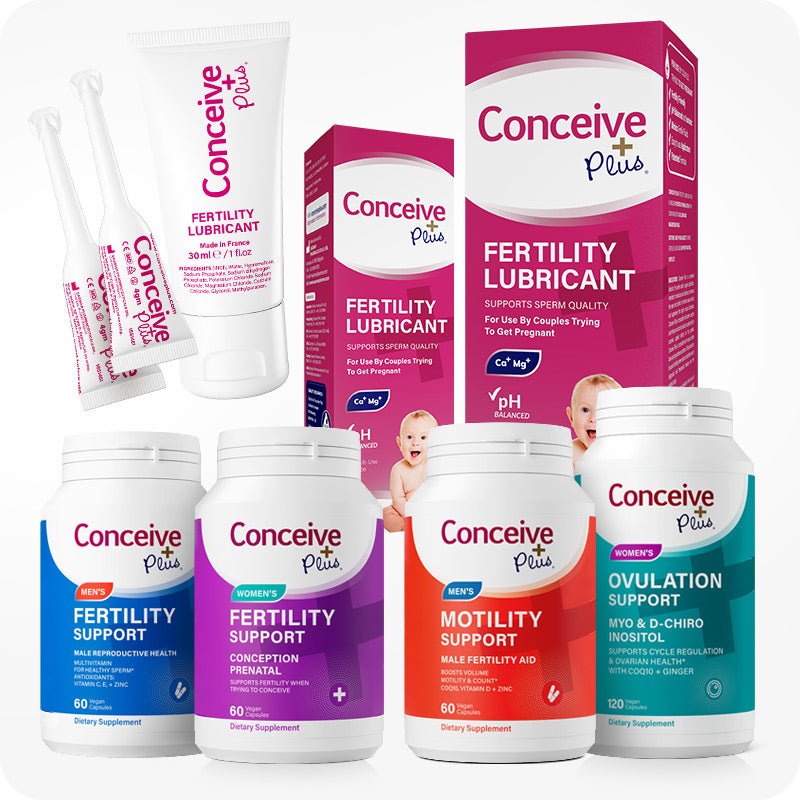
It isn't enough for a lubricant to simply be "non-toxic." To truly support conception, the formula should include key electrolytes like Calcium and Magnesium. These aren't just additives; they're biological triggers. Calcium ions are essential for the acrosome reaction, which is the specific chemical process sperm use to break through the outer layer of the egg. Without it, fertilization cannot happen. Magnesium plays a different but equally vital role by helping with the production of cellular energy required for long-distance swimming. By including these ions, a lubricant mimics the exact chemical profile of Egg White Cervical Mucus (EWCM). You might consider specialized fertility bundles that prioritize this ion balance to support your natural fertilization process.
Identifying Sperm-Safe Ingredients vs. Hidden Hazards
Understanding the science of pH and osmolality is just the first step. To protect your fertility, you must become a savvy label reader. Many products marketed as "natural" or "spermicide-free" still contain chemicals that act as silent barriers to conception. A true sperm safe lubricant must be free from ingredients that dehydrate or chemically stress sperm cells. While a product might not actively kill sperm like a contraceptive, it can still render them immobile or unable to penetrate the egg. Choosing the wrong gel can turn a supportive environment into a hostile one in seconds.
One of the biggest traps for TTC couples is the phrase "spermicide-free." This label only confirms the product doesn't contain Nonoxynol-9. It says nothing about the pH balance or salt concentration. To help you navigate these choices, many healthcare experts recommend looking for Fertility-Friendly Lubricants that have undergone clinical testing. High-osmolality ingredients like Propylene Glycol are common in standard gels but are dangerous for sperm because they create an osmotic pressure that can damage cell membranes. If the salt concentration is too high, the sperm simply won't have the energy to complete their journey.
Common Lubricant Ingredients That Harm Sperm
The "Big Three" hazards to watch for are Glycerin, Parabens, and Petroleum. Glycerin is a humectant often used to keep lube slippery, but it significantly increases osmolality. This draws water out of sperm cells, causing them to shrivel and lose motility. Parabens, used as preservatives, are known endocrine disruptors that can be toxic to sperm health. Petroleum and mineral oils are even more problematic. They coat the vaginal walls and sperm, altering the natural flora and creating a physical drag that slows down "swimmers." These ingredients effectively create a thick, sticky barrier that sperm cannot easily penetrate.
What to Look for on the Label in 2026
When you're shopping in 2026, look for specific keywords: Isotonic, pH Balanced, and Ion-Enriched. These terms indicate the product mimics the body's natural chemistry. Most importantly, verify that the product has FDA 510(k) clearance under the "PEB" category. This specific classification means the FDA has reviewed the lubricant for its compatibility with sperm, oocytes, and embryos. While silicone-based lubes exist, water-based formulas remain the gold standard for TTC because they integrate seamlessly with natural cervical mucus without creating a film. For a complete breakdown, see our checklist of lubricant ingredients to avoid. This ensures you aren't unknowingly using a product that hinders your progress.
How to Use Sperm Safe Lubricant to Maximize Your Chances
Using a sperm safe lubricant correctly is just as important as choosing the right formula. To get the most benefit, timing and placement are key. Many couples apply lubricant only when they feel immediate discomfort, but for those trying to conceive, a proactive approach is better. Applying the gel internally about 10 to 15 minutes before intercourse allows the lubricant to disperse evenly. This ensures that the entire vaginal canal is coated and the pH is balanced before sperm enter the environment. This window also helps the lubricant reach the cervix, where it can best support the sperm's transition into the uterus.
While internal application is vital for conception, don't overlook the importance of external use. Friction-related stress can negatively impact intimacy, and using a small amount of lubricant externally can significantly increase comfort for both partners. This dual approach ensures that the physical experience is pleasurable while the internal environment remains chemically supportive. Consistency is also a factor. You should use your chosen lubricant throughout your entire fertile window, not just on the day you expect to ovulate.
Timing Intercourse with Ovulation Tracking
Success often comes down to precise timing. You can use an ovulation calculator to pinpoint your peak fertility days with accuracy. Using a sperm safe lubricant is most critical during the two days leading up to ovulation. This is when your body's natural "egg white cervical mucus" should be at its peak. If your natural production is low, the lubricant acts as a vital substitute during these high-stakes days. To keep your journey organized, you can also track your journey with our fertility tracking tools to monitor patterns over several cycles.
Application Methods: Tubes vs. Internal Applicators
Different delivery methods offer unique advantages depending on your needs. Pre-filled internal applicators are highly effective because they deliver the gel directly to the cervix. This ensures the sperm encounter the supportive environment immediately upon ejaculation. If you prefer more control over the amount used, multi-use tubes offer excellent flexibility. For a mess-free experience, follow these steps:
- If using a tube, apply a pea-sized amount to the vaginal opening or the penis.
- For internal use, lie down and gently insert the applicator or use your fingers to place the gel deep within the canal.
- Wait 10 minutes to allow the gel to reach body temperature and coat the walls effectively.
By integrating these methods into your routine, you create a comprehensive strategy that prioritizes both comfort and fertility. You can find everything you need to get started by browsing our complete range of fertility support products.
Why Conceive Plus is the Trusted Choice for Sperm Safety
Conceive Plus has established itself as a global leader by prioritizing the complex biological needs of sperm. While many brands entered the market later, Conceive Plus was a pioneer in developing an ion-enriched sperm safe lubricant. This wasn't just about providing moisture; it was about creating a formula that could actually support the fertilization process. Today, it's a staple recommendation in fertility clinics and is trusted by medical professionals worldwide because of its commitment to clinical safety and efficacy.
The clinical data behind the product sets it apart from generic alternatives. Studies have consistently shown that the formula supports sperm viability and motility, allowing sperm to swim freely in an environment that mimics natural fertile fluids. This level of scientific rigor is why doctors trust the brand for their patients. When you choose a product backed by peer-reviewed research, you remove the guesswork from your TTC journey and ensure that your efforts are supported by proven science.
Formulated by Doctors for Positive Results
The patented formula was developed specifically to address the needs of couples struggling with dryness or low mucus quality. Unlike standard gels, it doesn't just match the pH; it matches the electrolyte balance of the body. The inclusion of Magnesium and Calcium ions in the formula provides the essential electrolytes needed for sperm motility and the fertilization process. This unique approach ensures that the lubricant doesn't just "do no harm," but actively maintains the specific conditions required for conception.
Real Stories and Clinical Support
Beyond the laboratory data, the impact of the brand is best seen through the experiences of parents. Reading through Conceive Plus reviews reveals the emotional and physical relief couples feel when they find a product that works with their bodies. The peace of mind that comes from using an FDA-cleared sperm safe lubricant allows couples to focus on the intimacy of the moment rather than the mechanics of the process. Every batch is tested to ensure it meets the highest standards for sperm compatibility, providing a level of reliability that "natural" alternatives simply cannot match.
Taking the next step in your fertility journey is about choosing tools that give you every possible advantage. Whether you're just starting or have been trying for a while, having the right support matters. You can shop the best-selling fertility products or explore our fertility products bundles to find the right fit for your needs today.
Take the Next Step in Your Fertility Journey
Choosing the right support shouldn't be a source of stress or uncertainty. You now understand that a true sperm safe lubricant does far more than provide simple comfort; it actively protects the fragile environment sperm need to thrive and travel. By prioritizing the correct pH balance and strictly avoiding hidden hazards like glycerin and parabens, you remove the invisible barriers that often hinder conception. Using these specialized tools during your most fertile days ensures your body has the supportive micro-environment it deserves to succeed.
Conceive Plus provides the peace of mind you need with an FDA-cleared formula specifically designed for TTC couples. As a patented solution enriched with essential Calcium and Magnesium ions, it is currently recommended by doctors in over 70 countries to support the natural fertilization process. Don't let standard lubricants hold you back from your goals. You can Maximize Your Conception Chances with Conceive Plus starting today. Your path to parenthood is a deeply personal experience, and with the right scientific support, you can move forward with renewed confidence and hope.
Frequently Asked Questions
Is sperm-safe lubricant better than natural oils like coconut oil?
Yes, a specialized sperm safe lubricant is superior to natural oils for conception. While coconut or olive oils are often labeled "natural," they aren't tested for fertility safety and can contain peroxides that harm sperm motility. FDA-cleared lubricants undergo rigorous testing to ensure they are isotonic and won't interfere with the health of sperm, eggs, or embryos.
Can I use sperm-safe lube if I'm using an ovulation tracker?
Absolutely. In fact, using these tools together is a smart strategy. Once your tracker identifies your peak fertility days, you can use the lubricant to ensure your internal environment is as supportive as possible. It's especially helpful during your most fertile window when your body's natural production of cervical mucus is at its highest demand.
Does sperm-safe lubricant actually help you get pregnant faster?
While no product can guarantee pregnancy, using a sperm safe lubricant helps by removing common obstacles. Standard lubricants or excessive vaginal dryness can create a hostile environment that stops sperm before they reach the egg. By mimicking fertile cervical mucus, these products optimize the conditions for conception to occur naturally and comfortably.
What is the difference between 'sperm-friendly' and 'sperm-safe'?
The term "sperm-friendly" is often used for marketing and doesn't always imply clinical testing. "Sperm-safe" lubricants, specifically those with FDA PEB clearance, have been scientifically verified to ensure they don't harm sperm viability or integrity. Always look for the specific FDA classification to ensure the product meets the highest safety standards for trying to conceive.
How much lubricant should I use for it to be effective?
For internal application, most experts recommend using about 2 to 3 grams, which is roughly the size of a large grape or a teaspoon. This amount provides enough coverage to coat the vaginal walls and reach the cervix. If you're using it externally for comfort, you can use as much as needed to reduce friction and stress during intimacy.
Can sperm-safe lubricant be used with fertility medications?
Yes, it's often recommended for those taking medications like Clomid or Letrozole. These treatments are known to cause significant vaginal dryness as a side effect, which can make intercourse uncomfortable and reduce natural fertile mucus. Using a fertility-safe gel helps replace that moisture without creating a chemical barrier that could hinder the medication's purpose.
Is it safe to use sperm-safe lubricant every day?
It's perfectly safe for daily use. Because these formulas are water-based and pH-balanced to match the body's natural chemistry, they don't disrupt the vaginal flora or cause irritation like some standard products might. Whether you're in your fertile window or not, you can use it whenever you need extra comfort and moisture.
What happens if I use regular lubricant while trying to conceive?
Regular lubricants often have a low pH and high salt concentration that can kill or immobilize sperm within minutes. Even if the product is "non-spermicidal," its thick consistency can act as a physical trap that prevents sperm from swimming toward the egg. This creates an invisible barrier that can significantly lower your chances of successful fertilization during your cycle.