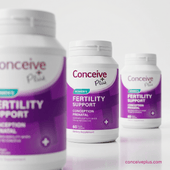
Sperm Health & Male Fertility Supplements: The Complete Guide


Sperm Health & Male Fertility Supplements: The Complete Guide
When couples are trying to conceive, the conversation often centers on female fertility — ovulation cycles, egg quality, and hormonal balance. Yet male factor infertility accounts for approximately 40–50% of all infertility cases, and sperm health plays an equal role in successful conception. Understanding what drives sperm quality, which nutrients matter most, and how targeted supplementation can support male reproductive health is essential for any couple on a fertility journey.
This comprehensive guide explores everything you need to know about sperm health, the science-backed nutrients that can support male fertility, and the lifestyle adjustments that can make a meaningful difference — all grounded in current research.
What Is Sperm Health and Why Does It Matter?
Sperm health is not a single metric — it's a constellation of factors that together determine whether fertilization can occur. When fertility specialists evaluate a semen analysis, they look at several key parameters:
- Sperm count (concentration): The number of sperm per milliliter of semen. The World Health Organization (WHO) defines normal as ≥16 million sperm per milliliter, or ≥39 million per ejaculate.
- Motility: The percentage of sperm that are moving — and moving well. Total motility should be ≥42%, with progressive motility (sperm swimming forward effectively) at ≥30%.
- Morphology: The size and shape of sperm. WHO guidelines (2021) define normal morphology as ≥4% of sperm meeting strict Kruger criteria.
- Volume: Total semen volume per ejaculate should be ≥1.4 mL.
- DNA fragmentation: The integrity of the genetic material within the sperm head. High DNA fragmentation (>25–30%) is associated with reduced fertilization rates, poor embryo quality, and increased miscarriage risk.
- Vitality: The percentage of living sperm, with ≥54% considered normal.
Even men with normal semen parameters can experience challenges with conception if DNA fragmentation is elevated — making it one of the most overlooked yet clinically important markers of male fertility. A 2019 meta-analysis in the journal Human Reproduction Update confirmed that sperm DNA fragmentation is significantly associated with both natural and assisted conception outcomes.
What Affects Sperm Health? Understanding the Root Causes
Sperm production — a process called spermatogenesis — takes approximately 72–90 days from start to finish. This long developmental window means that the decisions a man makes today will influence the quality of sperm produced nearly three months from now. Multiple factors can disrupt this intricate process.
Oxidative Stress: The Silent Saboteur
Oxidative stress occurs when reactive oxygen species (free radicals) outpace the body's antioxidant defenses. Sperm cells are particularly vulnerable to oxidative damage because their cell membranes are rich in polyunsaturated fatty acids and they have limited antioxidant enzyme capacity. Research published in Fertility and Sterility estimates that oxidative stress is a contributing factor in 30–80% of male infertility cases.
Sources of oxidative stress that can damage sperm include:
- Cigarette smoke and secondhand smoke
- Environmental toxins (pesticides, heavy metals, plastics)
- Excessive alcohol intake
- Chronic infections or inflammation
- Obesity and metabolic syndrome
- Psychological stress
Hormonal Imbalances
Testosterone, FSH (follicle-stimulating hormone), and LH (luteinizing hormone) orchestrate spermatogenesis. Disruptions to the hypothalamic-pituitary-gonadal (HPG) axis — from obesity, anabolic steroid use, thyroid dysfunction, or chronic illness — can significantly reduce sperm production and function.
Heat Exposure
The testes are located outside the body for a reason: sperm production requires temperatures 2–4°C lower than core body temperature. Laptop computers on the lap, tight underwear, prolonged hot tub use, and sedentary desk jobs can all raise scrotal temperature and impair spermatogenesis. A Danish study found that scrotal temperatures elevated by just 1–2°C can reduce sperm concentration by up to 40%.
Varicocele
A varicocele — an enlargement of veins within the scrotum — is the most surgically correctable cause of male infertility, present in approximately 15% of all men and 35% of men with primary infertility. The pooling of warm venous blood raises scrotal temperature and increases oxidative stress, impairing sperm quality.
Age
While men can remain fertile well into their later decades, sperm quality does decline with age. After age 40, sperm motility, morphology, and DNA integrity progressively decrease. Studies have linked advanced paternal age to increased rates of chromosomal abnormalities in offspring, longer time to conception, and higher rates of miscarriage.
Support His Fertility Journey
Conceive Plus Men's Fertility Support is formulated with clinically-studied nutrients — CoQ10, Zinc, Selenium, L-Carnitine and Vitamin E — specifically chosen to support healthy sperm production and motility.
Explore Men's Fertility Support →Key Nutrients That Support Sperm Quality
Decades of clinical research have identified specific micronutrients and antioxidants that play critical roles in supporting sperm production, motility, morphology, and DNA integrity. Here are the most evidence-backed nutrients for male fertility:
Coenzyme Q10 (CoQ10)
CoQ10 is a fat-soluble antioxidant naturally present in sperm cells, particularly in the midpiece where mitochondria generate energy for flagellar movement. As sperm motility depends on mitochondrial function, CoQ10 deficiency is directly linked to poor motility.
Multiple randomized controlled trials have demonstrated that CoQ10 supplementation improves sperm motility and concentration. A 2012 double-blind trial published in the Journal of Urology found that 300 mg/day of CoQ10 for 26 weeks significantly improved sperm density, motility, and morphology in idiopathic infertile men. A 2019 meta-analysis confirmed these findings across multiple studies.
Zinc
Zinc is arguably the single most important mineral for male reproductive health. It is present in high concentrations in the seminal plasma and testes, where it plays roles in testosterone synthesis, DNA stability within the sperm nucleus, and protection against oxidative damage.
Zinc deficiency has been directly associated with reduced sperm count, decreased testosterone levels, and impaired sperm motility. A landmark Iranian study found that men with idiopathic male infertility had significantly lower seminal zinc levels than fertile controls. Supplementation with zinc (66 mg/day of zinc sulfate) improved sperm count and motility in subfertile men.
Selenium
Selenium is an essential trace mineral incorporated into selenoproteins — including glutathione peroxidase (GPx), one of the body's primary antioxidant enzymes. GPx is critical for protecting sperm from oxidative damage during their maturation in the epididymis.
Selenium is also required for the structural integrity of the sperm flagellum (tail). Studies have shown that combined selenium and vitamin E supplementation significantly improves sperm motility and reduces DNA fragmentation. Research published in the International Journal of General Medicine demonstrated that 200 mcg/day of selenium for 26 weeks improved sperm motility by over 50% in infertile men.
L-Carnitine and Acetyl-L-Carnitine
L-carnitine is a naturally occurring amino acid derivative found in exceptionally high concentrations in the epididymis and sperm. It plays a central role in sperm energy metabolism — facilitating the transport of long-chain fatty acids into mitochondria for energy production — which directly fuels sperm motility.
Clinical trials consistently show that L-carnitine supplementation improves sperm concentration, total motility, and progressive motility. A comprehensive meta-analysis published in Asian Journal of Andrology reviewed 17 randomized controlled trials and concluded that L-carnitine supplementation significantly improved sperm motility parameters.
Vitamin E
Vitamin E (alpha-tocopherol) is a powerful lipid-soluble antioxidant that protects the polyunsaturated fatty acid-rich membranes of sperm from peroxidative damage. Given that sperm membranes are particularly vulnerable to lipid peroxidation, vitamin E is a frontline defense for sperm integrity.
Studies show that vitamin E supplementation — particularly when combined with selenium or vitamin C — reduces lipid peroxidation markers in seminal plasma and improves sperm motility, morphology, and DNA fragmentation scores.
Folate (Vitamin B9)
Folate is essential for DNA synthesis and repair, making it critical during the rapid cell division of spermatogenesis. Low folate intake is associated with increased sperm DNA fragmentation and higher rates of chromosomal abnormalities in sperm (aneuploidy).
A study published in Human Reproduction found that men with the highest dietary folate intake had significantly lower rates of sperm aneuploidy, particularly for chromosomes 13, 21, X, and Y — the chromosomes associated with Down syndrome and sex chromosome disorders. Combining folate with zinc has shown synergistic effects on sperm parameters in clinical research.
Vitamin C
Vitamin C is the primary water-soluble antioxidant in seminal plasma, present at concentrations 10 times higher than in blood plasma. It directly protects sperm DNA from oxidative damage and regenerates other antioxidants (including vitamin E) after they neutralize free radicals.
Smokers, who face significantly higher oxidative stress, have been shown to have dramatically lower seminal vitamin C levels. A clinical trial demonstrated that 1,000 mg/day of vitamin C for 60 days significantly reduced sperm agglutination and improved concentration, motility, and morphology in infertile men.
Vitamin D
Emerging research has identified vitamin D receptors on human sperm cells, and seminal plasma vitamin D levels correlate positively with sperm motility and morphology. Men with vitamin D deficiency consistently show poorer semen parameters. A 2022 systematic review confirmed that vitamin D status is associated with semen quality, particularly sperm motility.
Lycopene
Lycopene — the carotenoid that gives tomatoes their red color — is a potent antioxidant with particular affinity for reproductive tissues. It accumulates in the testes and seminal plasma, where it scavenges free radicals and reduces oxidative DNA damage. Studies have shown that lycopene supplementation can improve sperm concentration and reduce the proportion of abnormally shaped sperm.
Lifestyle Factors That Can Transform Sperm Health
Supplements provide targeted nutritional support, but lifestyle modification forms the foundation of any fertility optimization program. Because spermatogenesis takes approximately 90 days, lifestyle changes made today will yield measurable improvements in about three months.
Diet: The Mediterranean Model
The Mediterranean diet — rich in fruits, vegetables, whole grains, legumes, nuts, olive oil, and fish — is consistently associated with better semen quality in observational studies. A 2017 study in Human Reproduction found that men adhering most closely to a Mediterranean dietary pattern had significantly higher sperm concentration and total sperm count.
Key dietary principles for sperm health:
- Increase antioxidant-rich foods: Berries, leafy greens, tomatoes, citrus fruits, nuts, and seeds
- Eat more omega-3 fatty acids: Salmon, sardines, walnuts, and flaxseeds support sperm membrane integrity
- Choose whole grains over refined carbohydrates: Blood sugar fluctuations increase oxidative stress
- Limit processed meats: High intake linked to lower sperm count and motility in Harvard research
- Reduce soy-based foods: High phytoestrogen intake may disrupt hormonal balance at excessive levels
- Avoid trans fats: Associated with lower sperm count and concentration
Exercise: The Goldilocks Principle
Regular moderate exercise improves testosterone levels, reduces oxidative stress, supports a healthy weight, and enhances sperm quality. A study published in Reproduction found that men who exercised three or more times per week had significantly better sperm concentration and motility than sedentary men.
However, excessive endurance exercise (marathon training, intense cycling) can have the opposite effect — suppressing testosterone, increasing scrotal temperature, and raising oxidative stress. Men doing high-intensity sports training should be aware of this balance and consider antioxidant supplementation.
Weight Management
Obesity is strongly linked to impaired male fertility through multiple mechanisms: reduced testosterone, elevated estrogen (from aromatization in adipose tissue), increased scrotal temperature, and heightened systemic inflammation and oxidative stress. A BMI above 30 is associated with lower sperm concentration and higher rates of DNA fragmentation.
Even modest weight loss — 5–10% of body weight — can meaningfully improve testosterone levels and sperm parameters in overweight men.
Quit Smoking
Cigarette smoke contains thousands of toxic chemicals and free radicals that directly damage sperm DNA, reduce sperm count, impair motility, and increase the proportion of abnormal sperm. The research is unequivocal: smokers have consistently worse semen parameters than non-smokers. A 2016 meta-analysis encompassing over 5,000 men confirmed that smoking significantly reduces sperm count, motility, and morphology.
The good news: sperm DNA damage from smoking is largely reversible. Studies show measurable improvement in sperm parameters within three months of quitting.
Moderate Alcohol Intake
Heavy alcohol consumption (more than 14 units per week) disrupts testosterone production, impairs the hypothalamic-pituitary-gonadal axis, and increases oxidative stress in the testes. Research published in BMJ Open found that even moderate alcohol intake (5 or more drinks per week) was associated with alterations in sperm concentration and morphology. Most fertility specialists recommend reducing alcohol to fewer than 5 units per week when actively trying to conceive.
Stress Management
Chronic psychological stress elevates cortisol levels, which suppresses testosterone production and disrupts the hormonal signals that drive spermatogenesis. A large study published in Fertility and Sterility found that men who reported high work-related stress had significantly lower sperm concentration and percentage of normally formed sperm.
Evidence-based stress reduction strategies — yoga, mindfulness meditation, regular exercise, adequate sleep, and social support — can help normalize the hormonal environment needed for optimal sperm production.
Protect Against Heat and Environmental Toxins
Practical steps to reduce scrotal heat and toxic exposures:
- Switch from tight briefs to boxers or loose-fitting underwear
- Avoid placing laptops directly on the lap for extended periods
- Limit hot tub, sauna, and steam room use (especially when actively trying to conceive)
- Minimize exposure to pesticides, herbicides, and industrial chemicals
- Use glass or stainless steel containers instead of plastic (especially for hot foods/drinks)
- Choose organic produce when possible for the most pesticide-heavy crops
How Male Fertility Supplements Can Help: The Science Behind the Support
Even men who eat well and live healthy lives may not get optimal amounts of every fertility-relevant nutrient from diet alone. Modern agricultural practices, food processing, and busy lifestyles create widespread nutritional gaps. Male fertility supplements bridge this gap by delivering clinically studied ingredients at doses shown to be effective in research.
The Case for Antioxidant Supplementation
A landmark 2011 Cochrane review analyzed 34 randomized controlled trials involving 2,876 couples undergoing assisted reproduction. It found that antioxidant supplementation in men significantly increased live birth rates and pregnancy rates compared to placebo — with a 4-fold increase in live birth rate. This represents some of the strongest evidence that targeted male supplementation can improve reproductive outcomes.
The 2019 Cochrane update, which analyzed 48 randomized controlled trials with 4,179 subfertile couples, confirmed that oral antioxidant supplementation for subfertile men was associated with significantly higher rates of clinical pregnancy and live birth.
What to Look for in a Quality Male Fertility Supplement
Not all supplements are created equal. When evaluating male fertility supplements, look for:
- Clinically studied doses: Ingredient amounts that match those shown effective in peer-reviewed trials
- Comprehensive formula: A combination of antioxidants and cofactors (CoQ10 + vitamin E + selenium + zinc + L-carnitine) works synergistically
- Third-party testing: Verification that the product contains what it says, without contaminants
- Bioavailability: Forms of nutrients that are readily absorbed (e.g., ubiquinol vs. ubiquinone for CoQ10)
- No unnecessary fillers or artificial additives
Timeline for Results
Because the complete sperm production cycle takes approximately 72–90 days, most fertility specialists recommend supplementing for a minimum of three months before evaluating results via a repeat semen analysis. Clinical trials typically run for 3–6 months, which aligns with this biological reality. Men should set realistic expectations and commit to consistent supplementation alongside the lifestyle changes described in this guide.
Fertility Lubricants for Couples: Supporting the Journey Together
One often-overlooked aspect of the conception journey is the impact of personal lubricants on sperm function. Many conventional lubricants — including petroleum-based, water-based, and saliva — are toxic to sperm, impairing motility and DNA integrity at clinically significant levels.
Why Standard Lubricants Can Be Harmful to Sperm
A study published in Fertility and Sterility tested a range of commercially available lubricants and found that nearly all significantly reduced sperm motility — in some cases by more than 60% within 30 minutes of exposure. The mechanism includes:
- Osmolarity effects: Lubricants that are hyperosmotic (too concentrated) draw water from sperm cells, causing membrane damage
- pH disruption: Sperm function optimally at pH 7.0–8.5; lubricants with lower pH (more acidic) suppress motility
- Cytotoxic ingredients: Certain preservatives (chlorhexidine, parabens) and thickeners directly damage sperm membranes
Fertility-Safe Lubricant Options
Fertility-friendly lubricants are specifically formulated to be:
- Isotonic: Matching the natural osmolarity of seminal fluid and cervical mucus
- pH-balanced: Formulated to match the vaginal and cervical pH range optimal for sperm
- Sperm-safe: Free from ingredients shown to harm sperm in clinical testing
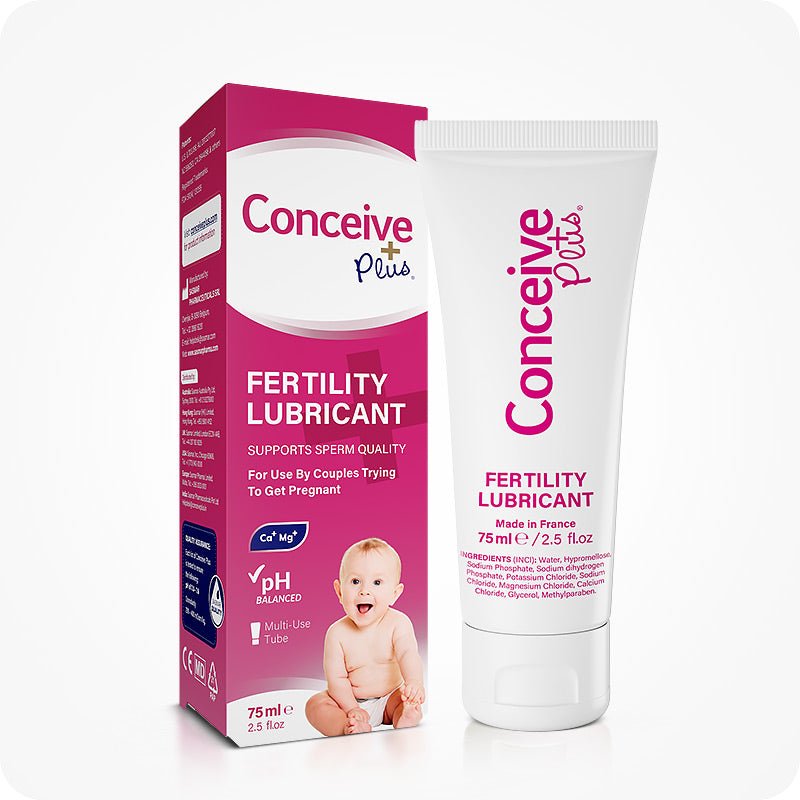
Conceive Plus fertility lubricant was specifically developed with these parameters in mind — formulated to mimic the natural environment of fertile cervical mucus, supporting sperm viability and motility. It contains ions (calcium and magnesium) that are naturally present in reproductive fluids and that research suggests may support the sperm capacitation process needed for fertilization.
The Importance of Cervical Mucus Quality
Fertile-quality cervical mucus — thin, slippery, and stretchy (often described as resembling raw egg whites) — plays a critical role in sperm transport. It provides a medium for sperm to swim through the cervix, filters out abnormal sperm, and protects sperm from the naturally acidic vaginal environment. Using a fertility-friendly lubricant can help replicate this environment when natural cervical mucus production is reduced due to stress, antihistamines, fertility medications, or dehydration.
When to Seek Medical Help for Male Fertility
While lifestyle optimization and supplementation can meaningfully improve sperm quality, there are situations where medical evaluation and intervention are warranted. Men (and couples) should see a reproductive urologist or fertility specialist if:
- A couple has been trying to conceive for 12 months without success (6 months if the female partner is over 35)
- A prior semen analysis has shown abnormal parameters (low count, poor motility, abnormal morphology)
- There is a history of testicular trauma, undescended testicles, or orchitis (testicular infection)
- A man has had previous reproductive surgeries including vasectomy, hernia repair, or varicocele surgery
- There are symptoms of hormonal imbalance (low libido, erectile dysfunction, reduced facial/body hair, gynecomastia)
- There is a history of chemotherapy or radiation therapy
- A man has a genetic condition (Klinefelter syndrome, cystic fibrosis carrier status) known to affect fertility
- There has been recurrent pregnancy loss (two or more miscarriages), as male factor DNA fragmentation is a significant contributor
What to Expect from a Male Fertility Evaluation
A comprehensive male fertility workup typically includes:
- Semen analysis: The cornerstone of male fertility evaluation
- Hormone panel: Testosterone (total and free), FSH, LH, prolactin, estradiol, and thyroid function
- Physical examination: Assessment of the genitalia, varicocele, and secondary sexual characteristics
- Sperm DNA fragmentation testing: May be recommended for couples with unexplained infertility or recurrent loss
- Genetic testing: Y-chromosome microdeletion analysis or karyotype if severe sperm impairment is found
- Testicular ultrasound: To evaluate for varicocele, cysts, or masses
Building a Complete Male Fertility Protocol
Optimizing sperm health for conception is not about any single intervention — it is about creating an environment in which sperm can develop, mature, and function at their best. A comprehensive male fertility protocol integrates nutrition, supplementation, lifestyle modification, and when necessary, medical care.
A 90-Day Sperm Optimization Plan
Given the 72–90 day timeline of spermatogenesis, a structured three-month approach is the most logical framework:
Month 1: Foundation
- Begin a high-quality male fertility supplement (CoQ10, zinc, selenium, L-carnitine, vitamins E and C, folate)
- Eliminate smoking and significantly reduce alcohol
- Shift diet toward Mediterranean principles
- Establish a regular moderate exercise routine (3–4 times per week)
- Prioritize 7–9 hours of quality sleep per night
Month 2: Optimization
- Continue supplementation consistently
- Introduce heat reduction strategies (boxer briefs, no laptop on lap)
- Implement stress management practices (meditation, yoga, counseling)
- Reduce exposure to environmental toxins
- Switch to a fertility-friendly lubricant for intercourse
Month 3: Assessment and Continued Support
- Consider a follow-up semen analysis to assess progress
- Continue all positive changes
- Consult a specialist if semen parameters remain significantly abnormal
- Maintain supplementation through conception and beyond
Frequently Asked Questions About Sperm Health & Male Fertility Supplements
Q: How long does it take for sperm health to improve with supplements?
A: Because a complete sperm production cycle takes approximately 72–90 days, consistent supplementation for at least three months is needed before meaningful improvements in semen parameters can be expected. Most clinical trials run for 3–6 months, and this is the timeframe recommended by most fertility specialists for evaluating the impact of supplementation.
Q: Can supplements fix severe male infertility?
A: Supplements are most beneficial for men with mild-to-moderate sperm parameter abnormalities and for men with idiopathic (unexplained) infertility. For severe cases — such as azoospermia (no sperm) due to genetic causes — medical or surgical intervention is typically required. Supplements may still be used as adjuncts to medical treatment to optimize sperm quality before assisted reproduction procedures.
Q: Is CoQ10 or zinc more important for sperm health?
A: Both are critically important but work differently. Zinc supports testosterone production, DNA stability, and antioxidant protection at the cellular level. CoQ10 directly fuels mitochondrial energy production in the sperm midpiece, supporting motility. A comprehensive fertility supplement will contain both — along with several other synergistic nutrients — rather than relying on either alone.
Q: Are male fertility supplements safe?
A: Yes, when taken at recommended doses. The nutrients found in quality male fertility supplements — antioxidants like vitamins C and E, minerals like zinc and selenium, and cofactors like CoQ10 and L-carnitine — are well-tolerated and have extensive safety profiles. As with any supplement regimen, men with underlying health conditions or those taking medications should consult their healthcare provider before starting.
Q: Does age affect whether supplements will work?
A: Supplements can be beneficial for men of all ages, but the degree of benefit may vary. Older men (40+) often face greater oxidative damage to sperm, which antioxidant supplementation can help address. However, age-related decline in sperm quality is multifactorial and may require more comprehensive medical evaluation as well.
Q: Can diet alone optimize sperm health, or are supplements necessary?
A: A nutrient-dense diet is the foundation, but research shows that many men do not consistently achieve optimal intake of key fertility nutrients through diet alone. For men actively trying to conceive — especially those with identified semen parameter issues — targeted supplementation at clinically effective doses provides an additional layer of support that diet may not fully supply.
Q: What is sperm DNA fragmentation and can supplements help?
A: Sperm DNA fragmentation refers to breaks or damage in the DNA strands within sperm cells. Elevated fragmentation (>25%) is associated with lower fertilization rates, poor embryo development, and increased miscarriage risk. Antioxidant supplementation — particularly CoQ10, vitamin C, vitamin E, and selenium — has been shown in multiple studies to reduce DNA fragmentation by protecting sperm from oxidative damage during development.
Q: Does varicocele mean I can't benefit from supplements?
A: Varicocele causes sperm damage largely through increased oxidative stress and heat, so antioxidant supplementation may provide meaningful support even in the presence of a varicocele. However, varicocele repair (surgical or microsurgical) is often the primary recommendation for significant varicoceles associated with impaired fertility. Supplements may be used both before and after repair to optimize sperm quality.
Q: Should both partners be taking fertility supplements when trying to conceive?
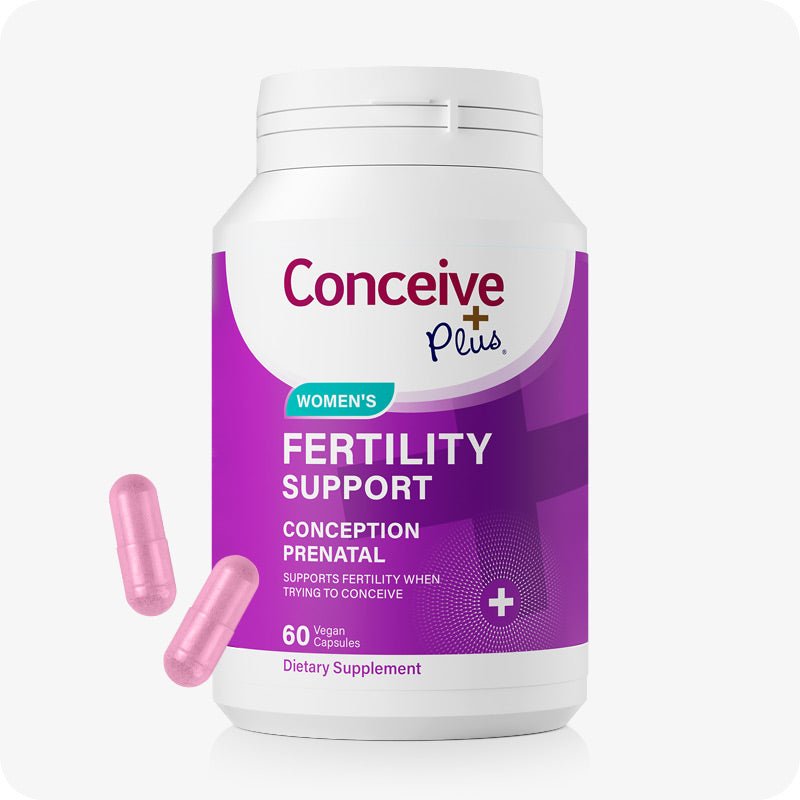
A: Yes — fertility is truly a shared journey. While male supplements support sperm production and quality, female fertility supplements (containing folate, CoQ10, inositol, and iron) support egg quality, ovulation, and early embryo development. Couples who both optimize their nutritional status have the best chances of successful conception.
Q: How do I know if my sperm health is an issue?
A: The only way to definitively assess sperm health is through a semen analysis — a laboratory test that evaluates count, motility, morphology, volume, and other parameters. Home sperm testing kits can provide a basic count assessment, but a full clinical semen analysis performed by a certified andrology laboratory is the gold standard. Men who have been trying to conceive for 12 months without success (or 6 months if their partner is over 35) should request a semen analysis as part of a fertility evaluation.
Ready to Optimise Sperm Health?
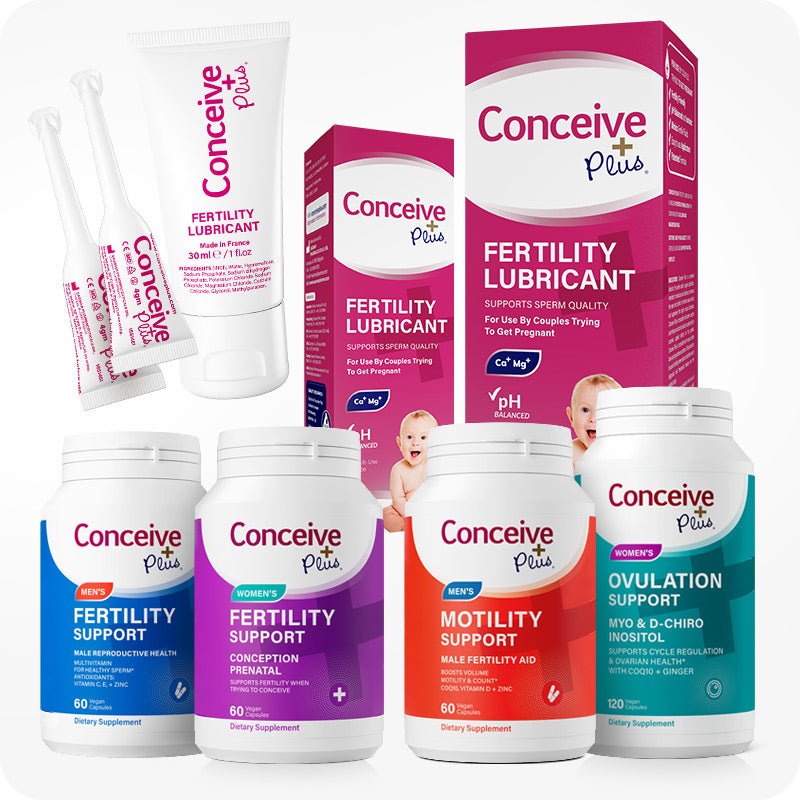
Conceive Plus offers a complete range of male and couples fertility supplements, designed by fertility experts and backed by science.
Shop All Products → Men's Fertility Support →