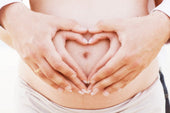
Fertility Diet & Nutrition: What to Eat to Boost Conception


Fertility Diet & Nutrition: What to Eat to Boost Conception
When you're trying to conceive, every lifestyle choice matters — and what you put on your plate may be one of the most powerful factors within your control. Research increasingly shows that diet has a direct impact on reproductive health for both men and women. From hormone regulation to egg quality, sperm motility, and uterine health, the foods you eat are the raw materials your body needs to make a baby. In this comprehensive guide, we'll walk you through the science behind fertility nutrition, the best foods to prioritize, what to avoid, and how to build a conception-friendly diet that works for your real life.
Why Diet Matters for Fertility
The connection between nutrition and reproduction is well-established in medical science. A landmark study published in the American Journal of Obstetrics and Gynecology found that women who closely followed a "fertility diet" had a significantly lower risk of ovulatory infertility — the most common cause of female infertility. Similarly, research from the Journal of Nutrition shows that dietary patterns rich in antioxidants, healthy fats, and micronutrients improve sperm DNA integrity and motility in men.
Your reproductive system is sensitive to nutritional deficiencies, inflammation, and hormonal imbalances — all of which are directly influenced by what you eat. The endocrine system, which governs reproductive hormones like FSH, LH, estrogen, and progesterone, relies heavily on micronutrients such as zinc, magnesium, vitamin D, and B vitamins. When these nutrients are in short supply, hormonal signaling can be disrupted, impacting ovulation, fertilization, and early embryo development.
The good news? You don't need a perfect diet — you need a smart one. Small, consistent changes in your eating habits can have a measurable positive impact on your fertility within three to six months, which aligns with the timeframe of egg and sperm maturation cycles.
The Fertility Superfoods You Should Know
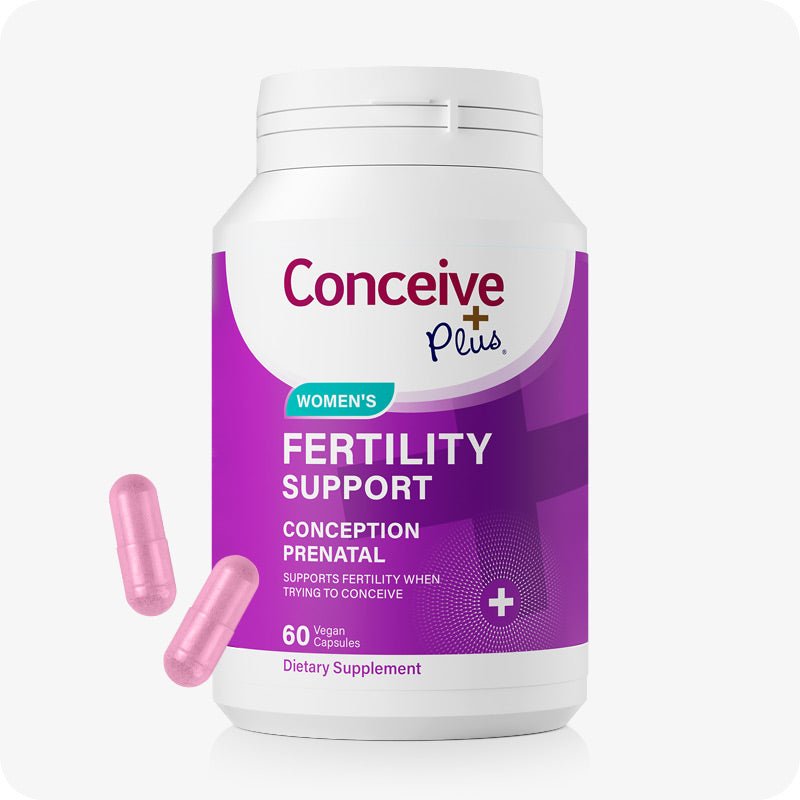
Supporting your fertility journey, naturally.
Trusted by couples worldwide, Conceive Plus Women's Fertility Support is clinically formulated to support hormonal balance and reproductive wellness.
Explore Conceive Plus →Not all foods are created equal when it comes to fertility. The following categories are backed by research as particularly beneficial for those trying to conceive:
Leafy Greens and Folate-Rich Foods
Folate (the natural form of folic acid) is perhaps the single most important nutrient for early pregnancy. It supports the neural tube development in a growing embryo and is critical before conception even occurs. Spinach, kale, asparagus, broccoli, and Brussels sprouts are excellent sources. Folate also supports the production of red blood cells and DNA synthesis — essential for healthy egg and sperm development.
The CDC recommends 400–800 mcg of folate daily for women trying to conceive. Since many people don't get enough from food alone, a quality prenatal supplement containing methylfolate (the bioavailable form) is a smart addition.
Full-Fat Dairy Products
Research from the Harvard Nurses' Health Study found that full-fat dairy consumption was associated with a lower risk of ovulatory infertility, while low-fat dairy products were associated with higher risk. This doesn't mean loading up on ice cream — but including whole milk yogurt, full-fat cheese, or whole milk in moderate amounts may support ovulatory function.
Complex Carbohydrates and Low-GI Foods
High-glycemic foods (white bread, sugar, processed snacks) cause rapid spikes in blood glucose and insulin, which can disrupt ovulation. Choosing complex carbohydrates — oats, brown rice, sweet potatoes, legumes, and whole grains — helps maintain stable blood sugar and supports more regular ovulatory cycles. Studies show that high-fiber, low-GI diets reduce the risk of anovulatory infertility by up to 78% compared to high-GL diets.
Plant-Based Protein
Swapping some animal protein for plant-based sources appears to be beneficial for ovulatory fertility. Lentils, chickpeas, beans, tofu, and tempeh are excellent choices. Research from Harvard found that replacing 5% of total energy from animal protein with plant protein was associated with a more than 50% lower risk of ovulatory infertility.
Omega-3 Fatty Acids
Omega-3s are anti-inflammatory, support hormonal balance, and improve blood flow to reproductive organs. Fatty fish like salmon, sardines, and mackerel are rich in DHA and EPA. For vegetarians or those limiting fish, flaxseeds, chia seeds, hemp seeds, and walnuts provide ALA, which the body can partially convert to EPA and DHA.
Studies have shown that higher omega-3 intake is associated with improved IVF outcomes, better embryo quality, and reduced risk of pregnancy loss.
Antioxidant-Rich Fruits and Vegetables
Free radical damage can impair egg quality and sperm DNA integrity. Antioxidants — including vitamins C and E, beta-carotene, selenium, and coenzyme Q10 — neutralize free radicals and protect reproductive cells. Colorful fruits and vegetables (berries, tomatoes, bell peppers, carrots, oranges) are your best sources.
Essential Micronutrients for Conception
Beyond major food groups, specific micronutrients play critical roles in fertility:
Vitamin D
Vitamin D deficiency is surprisingly common — affecting up to 40% of the global population — and has been linked to reduced fertility, lower IVF success rates, and increased risk of miscarriage. Vitamin D receptors are found in reproductive tissues, including the ovaries and uterus. It supports the immune system's acceptance of a developing embryo and promotes healthy progesterone levels.
Food sources include fatty fish, egg yolks, and fortified dairy. However, most people need supplementation, especially those in northern climates or who spend limited time outdoors. A blood test can determine your levels; many fertility specialists recommend targeting levels of 40–60 ng/mL.
Iron
Iron deficiency affects up to 30% of women of reproductive age and can impair ovulation. Non-heme iron from plant sources (lentils, spinach, fortified cereals) combined with vitamin C enhances absorption. Studies show that supplemental iron may reduce the risk of ovulatory infertility.
Zinc
Zinc is essential for egg development, ovulation, and fertilization. It also plays a key role in sperm production — men with low zinc levels often have lower sperm counts and motility. Foods rich in zinc include pumpkin seeds, oysters, beef, chickpeas, and cashews.
CoQ10 (Coenzyme Q10)
CoQ10 is a powerful antioxidant naturally produced in the body, but levels decline with age. It's a critical component of mitochondrial function — the energy production centers within eggs and sperm. Supplementing with CoQ10 (in its ubiquinol form for better absorption) has been shown to improve egg quality in women over 35 and improve sperm motility and morphology in men.
B Vitamins (B6, B12, B9)
B vitamins support energy metabolism, hormone production, and homocysteine regulation. High homocysteine levels are associated with poor egg quality, implantation failure, and pregnancy complications. A complete B-complex, particularly folate, B6, and B12, helps keep homocysteine in check.
Foods to Limit or Avoid When Trying to Conceive
Just as important as what you eat is what you cut back on. The following are known fertility disruptors:
Processed and Ultra-Processed Foods
Fast food, packaged snacks, and processed meats are often high in trans fats, sodium, artificial additives, and refined carbohydrates. Trans fats, in particular, have been linked to increased ovulatory infertility — even in small amounts. Check ingredient labels and avoid anything listing "partially hydrogenated oils."
Excess Sugar and High-Fructose Corn Syrup
Excessive sugar intake promotes insulin resistance and inflammation, both of which can disrupt ovulatory cycles and hormonal balance. Sugary beverages — sodas, energy drinks, juice — are especially problematic because they spike blood glucose without any nutritional benefit.
Alcohol
Even moderate alcohol consumption has been associated with reduced fertility in women and decreased sperm quality in men. While the evidence on low-level alcohol is mixed, most fertility specialists recommend abstaining when actively trying to conceive, particularly in the two-week wait period.
Caffeine
High caffeine intake (more than 200–300 mg per day) has been linked to reduced fertility and increased miscarriage risk. One to two cups of coffee per day is generally considered safe, but tracking total caffeine from all sources (coffee, tea, chocolate, energy drinks) is important.
High-Mercury Fish
Mercury is a reproductive toxin that can affect egg quality and fetal neurodevelopment. Avoid swordfish, shark, king mackerel, and tilefish. Instead, choose low-mercury options like salmon, sardines, trout, and shrimp.
Soy in Excess
Soy contains phytoestrogens that can mimic estrogen in the body. While moderate consumption of fermented soy (tofu, tempeh, miso) appears safe and even beneficial, high-dose soy supplements or excessive soy protein intake may disrupt hormonal balance in sensitive individuals.
Building Your Fertility Plate
Rather than overhauling your entire diet overnight, focus on gradual improvements using the concept of the "fertility plate":
- ½ of the plate: Non-starchy vegetables (leafy greens, broccoli, carrots, peppers) and fruits (berries, oranges, pomegranate)
- ¼ of the plate: Complex carbohydrates (brown rice, sweet potato, quinoa, legumes)
- ¼ of the plate: Lean or plant-based protein (salmon, eggs, lentils, chicken, tofu)
- Healthy fats: Avocado, olive oil, nuts, and seeds incorporated throughout the day
- Full-fat dairy: 1–2 servings if not dairy-intolerant
Hydration also matters. Water supports cervical mucus production, which is essential for sperm survival and transport. Aim for 2–3 liters daily, including herbal teas such as red clover or raspberry leaf, which some herbalists recommend for uterine health.
The Mediterranean Diet and Fertility
Among all dietary patterns studied, the Mediterranean diet consistently shows the strongest association with improved fertility outcomes. This pattern emphasizes:
- Abundant vegetables, fruits, legumes, and whole grains
- Olive oil as the primary fat
- Regular fish and seafood consumption
- Moderate poultry and eggs
- Limited red meat and processed foods
- Herbs and spices rather than excess salt
A 2018 study published in Human Reproduction found that women who adhered closely to a Mediterranean diet before IVF had 40% higher odds of achieving clinical pregnancy and 65% higher odds of a live birth compared to those who didn't follow this pattern. Another study found that couples where both partners followed a Mediterranean-style diet had higher natural pregnancy rates within 12 months of trying.
The Mediterranean diet works partly because it's rich in antioxidants, anti-inflammatory fats, fiber, and micronutrients — all of which support hormonal balance, reduce oxidative stress, and create an optimal environment for conception.
Fertility Nutrition for Men
While much fertility discussion focuses on women, male nutrition is equally important. Up to 40–50% of fertility challenges involve a male factor, and diet has a significant impact on sperm quality.
Men should focus on:
- Antioxidants: Vitamins C, E, selenium, lycopene (found in tomatoes), and zinc protect sperm from oxidative damage
- Folate: Low folate in men is associated with sperm DNA fragmentation — a form of genetic damage that can impair fertilization
- Omega-3s: Support sperm membrane structure and motility
- Avoiding heat and alcohol: Scrotal temperature affects sperm production; excess alcohol lowers testosterone
A study published in Fertility and Sterility found that men following a "Western diet" — high in red and processed meat, refined grains, and sugar — had significantly lower sperm concentration and motility than those following a "prudent" diet rich in fruits, vegetables, whole grains, and fish. The takeaway: fertility nutrition is a couples' endeavor.
Meal Planning Tips for Conception
Putting fertility nutrition into practice doesn't have to be complicated. Here are practical strategies:
- Prep in batches: Cook a large pot of whole grains and legumes weekly; slice vegetables for easy snacking
- Make smoothies: Blend leafy greens, berries, flaxseeds, and full-fat yogurt for a nutrient-dense breakfast
- Upgrade snacks: Swap chips for nuts, seeds, and hummus with vegetable sticks
- Cook with olive oil: Use it in place of vegetable or seed oils for its anti-inflammatory benefits
- Read labels: Avoid products with trans fats, high-fructose corn syrup, or artificial preservatives
- Eat the rainbow: Aim for five or more colors of fruits and vegetables daily
- Limit delivery and fast food: Prepare at least five dinners at home each week
Frequently Asked Questions About Fertility Diet & Nutrition
Q: How quickly can dietary changes improve fertility?
A: Eggs take approximately 90 days to develop from follicle to ovulation, and sperm take about 72 days to mature. This means dietary improvements today can positively impact egg and sperm quality within three to four months. Consistency over time yields the best results.
Q: Should I go organic when trying to conceive?
A: Pesticide exposure has been linked to reduced fertility in some studies. If budget allows, prioritize organic for the "Dirty Dozen" (strawberries, spinach, apples, grapes, etc.) while choosing conventional for produce with thicker skins. Washing all produce thoroughly also reduces surface pesticide residues.
Q: Is a prenatal vitamin enough, or do I really need to focus on diet?
A: Supplements fill gaps but don't replace whole foods. Phytonutrients, fiber, antioxidants, and anti-inflammatory compounds in whole foods work synergistically in ways that can't be replicated by a pill. Think of a prenatal as an insurance policy, not a substitute for good nutrition.
Q: Are plant-based diets good for fertility?
A: Well-planned plant-based diets can support fertility, but it's important to ensure adequate intake of iron, zinc, vitamin B12, vitamin D, calcium, and omega-3s. Blood testing and working with a registered dietitian familiar with plant-based nutrition is recommended for those following strict vegan diets.
Q: Does gluten affect fertility?
A: For women with celiac disease or non-celiac gluten sensitivity, consuming gluten can trigger inflammation that impairs implantation and increases miscarriage risk. These individuals should follow a strict gluten-free diet. For those without sensitivity, there's no evidence that avoiding gluten improves fertility.
Q: Is coffee off-limits when trying to conceive?
A: Most guidelines suggest limiting caffeine to under 200–300 mg per day (about one to two cups of coffee). Higher intake has been linked to reduced conception rates and increased miscarriage risk. Switching to half-caf, herbal teas, or decaf can help manage intake without giving up the routine entirely.
Q: Can I eat sushi when trying to conceive?
A: Raw fish carries a risk of listeria and other bacterial contamination, which can be particularly dangerous during pregnancy. While trying to conceive, most practitioners recommend cooking fish thoroughly. Low-mercury fish (salmon, trout, shrimp) are safe and excellent fertility foods when cooked.
Q: What's the best breakfast for fertility?
A: A balanced fertility breakfast might include eggs with leafy greens, whole grain toast with avocado, a handful of berries, and a glass of full-fat milk or a fortified plant-based milk. This combination provides protein, healthy fats, folate, complex carbs, and antioxidants to start the day strong.
Q: Does weight affect fertility nutrition needs?
A: Both underweight and overweight status can affect fertility by disrupting hormone production. Those who are significantly above or below a healthy BMI may benefit from working with a registered dietitian to optimize nutritional intake alongside gradual weight normalization. Extreme dieting is counterproductive when trying to conceive.
Q: Are there specific foods that help with IVF success?
A: Studies suggest the Mediterranean diet pattern improves IVF outcomes. Specifically, foods rich in antioxidants (berries, nuts, leafy greens), omega-3s (salmon, flaxseed), and complex carbohydrates appear to support egg quality and endometrial receptivity. Starting dietary optimization at least three months before an IVF cycle is ideal.
Conclusion
Fertility nutrition is one of the most empowering aspects of your preconception journey. While not every aspect of fertility is within your control, what you eat is — and the science is clear that a nutrient-dense, anti-inflammatory diet can significantly improve your chances of conception. Start with small, sustainable changes: add more vegetables, choose whole grains, include healthy fats, reduce processed foods, and consider a quality prenatal supplement to fill the gaps.
Remember, fertility nutrition is a marathon, not a sprint. Give your body at least three months of consistent improvements to see meaningful changes. And if you're not sure where to start, a registered dietitian with fertility expertise can create a personalized plan that meets your unique needs, health history, and goals. Your plate is powerful — use it wisely.
Supporting your fertility journey, naturally.
Trusted by couples worldwide, Conceive Plus Women's Fertility Support is clinically formulated to support hormonal balance and reproductive wellness.
Explore Conceive Plus →