Egg White Cervical Mucus but No LH Surge: What It Indicates
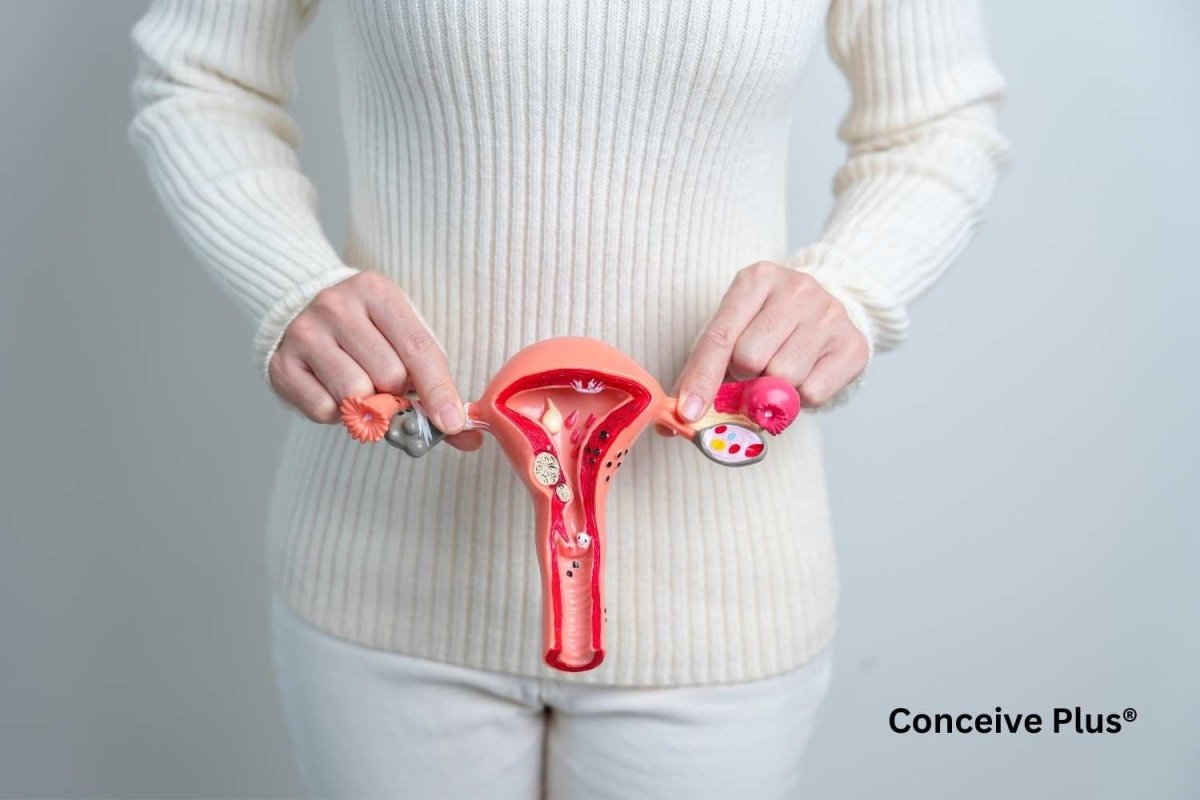

Cervical mucus is an essential indicator of where a woman is in her cycle. Cervical mucus appears like a sticky, whitish, thick fluid on normal days [1]. But during ovulation, it becomes less thick and slippery, like an egg white.
Egg-white 12 dpo cervical mucus is a sign that your body is fertile and preparing to release an egg. However, sometimes women notice egg-white cervical mucus but no LH surge, which can lead to confusion about fertility.
What Does Egg White Cervical Mucus Mean?
Egg-white cervical mucus (EWCM) meaning the release of egg-white look like discharge right before or during ovulation. It is one of the most reliable signs of ovulation or the release of an egg.
The clear, stretchy consistency of the mucus allows sperm to survive longer in the reproductive tract, increasing the chances of conception [2].

Here are some key points about egg white cervical mucus discharge:
- This egg-white discharge is usually observed a few days before ovulation.
- The egg white-like consistency of cervical mucus after ovulation allows the swim of sperm cells in the female cervix.
- Pregnancy hormones influence the characteristics of cervical discharge or ovulation discharge after ovulation.
Can Egg White Discharge Occur Without LH Surge?
LH stands for luteinizing hormone, which is responsible for the release of mature eggs in the ovaries during ovulation [3]. LH surge is when LH levels rise before ovulation, and this raised level initiates the ovulation process [4].
Similar to the rise in LH levels, the changes in cervical mucus also occur right before ovulation. The mucus becomes thin, slippery, and feels like egg white. But is it possible to experience egg-white cervical mucus but no LH surge?
Having egg-white cervical mucus without an LH surge might indicate that ovulation hasn't occurred yet. Sometimes, hormone imbalances or stress can delay ovulation, resulting in changes in cervical mucus without an LH spike.
Reasons for No LH Surge
LH surge occurs just before ovulation where it supports the release of mature egg in the ovaries. However, multiple factors can negatively impact LH levels or inhibit LH surge. These are:
- Polycystic Ovary Syndrome (PCOS): PCOS is a common hormonal disorder that can interfere with ovulation timing [5]. Women with PCOS often do not experience an LH surge due to imbalanced hormone levels. This can make it difficult for the body to release an egg.
- Stress and Anxiety: High levels of stress can negatively impact LH levels. Emotional or physical stress can interfere with the normal functioning of the reproductive system, leading to irregular ovulation.
- Thyroid Disorders: Thyroid problems, such as hypothyroidism or hyperthyroidism, can affect the production of reproductive hormones [6]. This imbalance can result in the absence of an LH surge, making it harder for women to ovulate.
- Body Weight Issues: Being underweight or overweight can affect hormonal regulation, leading to the absence of an LH surge. Body fat levels play a critical role in the production of reproductive hormones, which are necessary for normal ovulation.

✨ Regulate Your Cycle Naturally
Our Ovulation & Fertility Bundle combines Myo-Inositol with essential vitamins to support healthy hormone balance and regular ovulation.
Shop Now — $55.00✓ Free shipping on orders over $40 | ✓ Trusted by millions of couples worldwide

What Does Different Vaginal Discharges Indicate?
Your body gives you signs for different steps or phases in your cycle. Let’s explore the characteristic features of different discharges and what they indicate:
-
Menstrual Discharge
Menstrual discharge is the most common type of vaginal discharge that women experience. It occurs every month at the start of the menstrual cycle, typically lasting for 3 to 7 days.
The discharge consists of blood, the lining of the uterus, and dead tissue. The flow can vary, ranging from light spotting to a heavier flow, depending on the individual. This discharge is often accompanied by cramping or discomfort.
-
Ovulation Discharge
Ovulation discharge is another type of vaginal discharge, which is known as "egg white cervical mucus." Women often worry about what does ovulation discharge looks like.
Egg-white cervical mucus, as the same suggests, appears as a clear and slippery fluid. This discharge appears around the time when a woman is ovulating, typically on the 14th day of the menstrual cycle.
-
Discharge During Early Pregnancy
Women tracking their fertility often ask what does early pregnancy discharge looks like or what are the characteristics of discharge after ovulation if pregnant.
Normal discharge during pregnancy or 1 week pregnancy discharge is usually thin, milky, and white. This white discharge during pregnancy, called leukorrhea, is normal and helps keep the vagina clean by removing dead cells and bacteria.
Vaginal discharge during pregnancy increases as pregnancy progresses due to hormonal changes. However, if the egg white discharge early pregnancy has a strong odor, causes irritation, or changes color, it’s a good idea to consult a healthcare provider.

Changes in Cervical Discharges
Changes in cervical discharge are a normal part of the female fertility cycle. Here is what different changes in cervical discharge represent:
-
Post-Ovulation Changes
Post-ovulation or secretion after ovulation can be thicker, and some women may notice white discharge after ovulation if pregnant, which is an early sign of pregnancy.
Understanding the difference between ovulation discharge vs pregnancy discharge is important. Ovulation discharge is typically clear and stretchy, while pregnancy discharge is thicker and white.
-
Jelly-Like Discharge and Mucus Plug
Some women may experience a jelly discharge pregnancy first trimester due to increased cervical mucus production. This jelly-like discharge often occurs before the mucus plug forms, which helps protect the uterus from infections.
-
Second and Third Trimester Discharge
As pregnancy progresses, thick white discharge pregnancy becomes more common, especially in the second and third trimesters. White discharge during pregnancy in the third trimester can be thicker due to rising estrogen levels. This type of discharge remains normal unless it has a foul odor or causes irritation.
When to See A Doctor?
While changes in cervical mucus are usually normal, certain signs could indicate a problem. For example, if you notice a green discharge during pregnancy or experience an unpleasant odor, it can be a hint towards an infection.
When you are trying to conceive, look for the signs of ovulation and pregnancy through vaginal discharge. Always consult a healthcare professional if you’re unsure about changes in cervical mucus early pregnancy discharge.
Conclusion
Cervical mucus is a vital part of understanding your fertility and reproductive health. Egg-white cervical mucus typically signals ovulation. However, if you notice it without an LH surge, it could be due to various factors, including stress or hormonal imbalances.
Changes in the cervical mucus chart should also be addressed if you have conceived. For example, you must share your condition with your doctor if you notice a green color discharge during pregnancy.
Resources Used
- Najmabadi, S., Schliep, K. C., Simonsen, S. E., Porucznik, C. A., Egger, M. J., & Stanford, J. B. (2021). Cervical mucus patterns and the fertile window in women without known subfertility. Human Reproduction (Oxford, England), 36(7), 1784-1795. https://doi.org/10.1093/humrep/deab049
- Cervical Mucus and Early Pregnancy. American Pregnancy Association. https://americanpregnancy.org/getting-pregnant/cervical-mucus/
- Nedresky, D., & Singh, G. (2022b, September 26). Physiology, Luteinizing Hormone. StatPearls - NCBI Bookshelf. https://www.ncbi.nlm.nih.gov/books/NBK539692/
- Maman, E., Adashi, E. Y., Baum, M., & Hourvitz, A. (2023). Prediction of ovulation: New insight into an old challenge. Scientific Reports, 13(1), 1-10. https://doi.org/10.1038/s41598-023-47241-2
- Ndefo, U. A., Eaton, A., & Green, M. R. (2013). Polycystic Ovary Syndrome. Pharmacy and Therapeutics, 38(6), 336. https://www.ncbi.nlm.nih.gov/pmc/articles/PMC3737989/
- Brown, E. D., Hall, J. E., & Shekhar, S. (2022). The Thyroid Hormone Axis and Female Reproduction. International Journal of Molecular Sciences, 24(12), 9815. https://doi.org/10.3390/ijms24129815
🌱 Struggling with Irregular Ovulation?
Conceive Plus Ovulation Support with Myo-Inositol helps regulate your cycle and support egg quality — backed by clinical research.
Shop Ovulation Support →Frequently Asked Questions
Recommended by Fertility Experts
Conceive Plus Men's Fertility Support
Designed to support healthy sperm production, motility, and overall male reproductive health with clinically studied nutrients.
Shop Now →What should I do if I have egg white cervical mucus but my LH test is negative?
A negative LH test despite egg white cervical mucus (EWCM) may indicate that ovulation hasn't occurred yet, or it could suggest a hormonal imbalance. The American Society for Reproductive Medicine (ASRM) recommends tracking multiple fertility signs together rather than relying on a single indicator. Consider consulting a fertility specialist if you consistently experience this pattern, as it may warrant further evaluation of your hormone levels or ovulatory function.
Can PCOS cause egg white discharge without an LH surge?
Yes, PCOS can disrupt normal hormone patterns and may result in cervical mucus changes without a corresponding LH surge due to irregular hormone levels. Women with PCOS often experience anovulatory cycles where the body produces fertile-quality mucus but doesn't release an egg. If you suspect PCOS, the FDA-approved diagnostic approach includes pelvic ultrasound and blood work ordered by your healthcare provider to assess ovarian function.
How long should I try tracking cervical mucus before seeing a fertility doctor?
Most fertility specialists recommend tracking cervical mucus and other fertility signs for at least 2-3 menstrual cycles before scheduling an appointment, as this provides a clear pattern for evaluation. However, if you've been trying to conceive for over one year (or six months if you're over 35), the ASRM recommends seeking evaluation regardless of your tracking data. Documenting your observations will help your fertility clinic in the United States provide more accurate diagnosis and treatment recommendations.
Does stress really prevent LH surges even if cervical mucus changes?
Yes, chronic stress can suppress LH production and delay or prevent ovulation, even when your body produces fertile-quality cervical mucus in preparation. Stress hormones like cortisol can interfere with the hypothalamic-pituitary-ovarian axis, disrupting the hormonal cascade needed for ovulation. If stress is affecting your cycle, your healthcare provider may recommend stress management techniques or refer you to a reproductive endocrinologist for further evaluation.
Are LH ovulation tests accurate if I have irregular cycles?
LH ovulation tests are less reliable for people with irregular cycles, as it's difficult to predict when to begin testing, and some may have multiple LH surges without ovulating (common in PCOS). For irregular cycles, fertility clinics often recommend transvaginal ultrasound monitoring, which the FDA recognizes as the gold standard for confirming ovulation. Discuss with your healthcare provider whether at-home LH tests are appropriate for your cycle pattern or if professional monitoring would be more effective.
Can I get pregnant with egg white cervical mucus if there's no LH surge?
While EWCM indicates fertile-quality conditions for sperm, pregnancy typically requires an actual ovulation event (egg release), which is triggered by an LH surge. If you're experiencing EWCM without an LH surge consistently, you may not be ovulating, which would make conception difficult without medical intervention. A fertility specialist can determine whether you're experiencing anovulatory cycles and discuss treatment options such as ovulation induction if appropriate.
Should I contact my insurance about coverage for fertility testing if I notice this pattern?
Yes, if you've been tracking fertility signs for several cycles and notice this pattern, it's worth contacting your insurance provider about coverage for diagnostic fertility testing, as many US plans cover initial evaluation. Coverage varies significantly by state and plan type, so ask your insurer specifically about ultrasounds, hormone testing, and specialist consultations related to ovulation issues. Your primary care doctor can provide the necessary referral to help facilitate insurance approval for fertility care.
Trusted by Couples in Over 70 Countries
Support Male Fertility From the Inside Out
Male fertility is just as important as female fertility in the conception journey. Conceive Plus Men's range delivers targeted nutritional support to promote healthy sperm and overall reproductive wellbeing.
Shop Men's Range →