Does Sperm Contain Testosterone and How Important Is It for Fertility


If you're trying to have a baby, you've probably wondered, "does sperm contain testosterone?" It’s a pretty common question when you’re looking into male fertility. Testosterone, as most people know, is he major male hormone. But how exactly does it affect sperm and, ultimately, your chances of conceiving? And what role does it really play in fertility? Let’s break it all down to understand the connection between sperm, testosterone, and what it means for getting pregnant.

The Role of Testosterone in Male Fertility
Testosterone, in short, is crucial for making sperm. It’s the hormone that drives sperm production and helps maintain overall male reproductive health. Without enough testosterone, sperm production can drop, and that’s obviously not ideal for anyone trying to conceive [1].
But here’s where it gets a little tricky—"does sperm contain testosterone?" While testosterone is necessary for making sperm, the sperm themselves don’t actually carry significant amounts of testosterone. Instead, testosterone plays its role during the production process in the testes, supporting the creation of healthy sperm.
Still, having healthy testosterone levels is important. Without it, the body can’t produce enough sperm or may produce poor-quality sperm.
Top Tip: Don’t just focus on testosterone. You need healthy sperm motility and count, which rely on a lot more than just hormone levels.
Does Sperm Contain Testosterone?
So, "do sperm contain testosterone?" Technically, yes. Testosterone can be found in semen, but in very small amounts. It’s not something that really affects the sperm's ability to fertilize an egg [2]. Most testosterone is found in the blood, not in semen. To understand more about sperm composition and how it relates to fertility, check out male cum and the factors that influence it.
What actually matters more for male fertility are factors like sperm count, motility (how well the sperm swim), and morphology (the shape of the sperm). These are the things that determine how likely you are to conceive. So while testosterone helps produce sperm, its presence inside sperm cells isn’t what makes or breaks fertility.
Top Tip: Focus on improving sperm health through diet, exercise, and lifestyle changes. Testosterone is just one piece of the puzzle.
Boost Sperm Health With the Right Nutrients
There’s more to sperm health than just testosterone. What you eat plays a big role too. Certain nutrients are especially important for keeping your sperm healthy and active. Here are a few that make a real difference:
- Zinc: Helps improve sperm quality and regulate testosterone levels [3].
- L-Carnitine: Boosts sperm motility, which is crucial for fertilizing an egg [4].
- Selenium: Protects sperm cells from damage and supports overall reproductive health [5].
Getting enough of these nutrients can help improve not only testosterone but also the overall health of your sperm. These are easy to find in both food and supplements, and adding them to your daily routine can really help with fertility.
Top Tip: A balanced diet rich in these nutrients is one of the best things you can do for your fertility. Don’t forget the power of nutrition! Certain fertility supplements with ingredients like Zinc, Selenium, and L-Carnitine can support sperm quality and overall reproductive health.

✨ Support Healthy Sperm
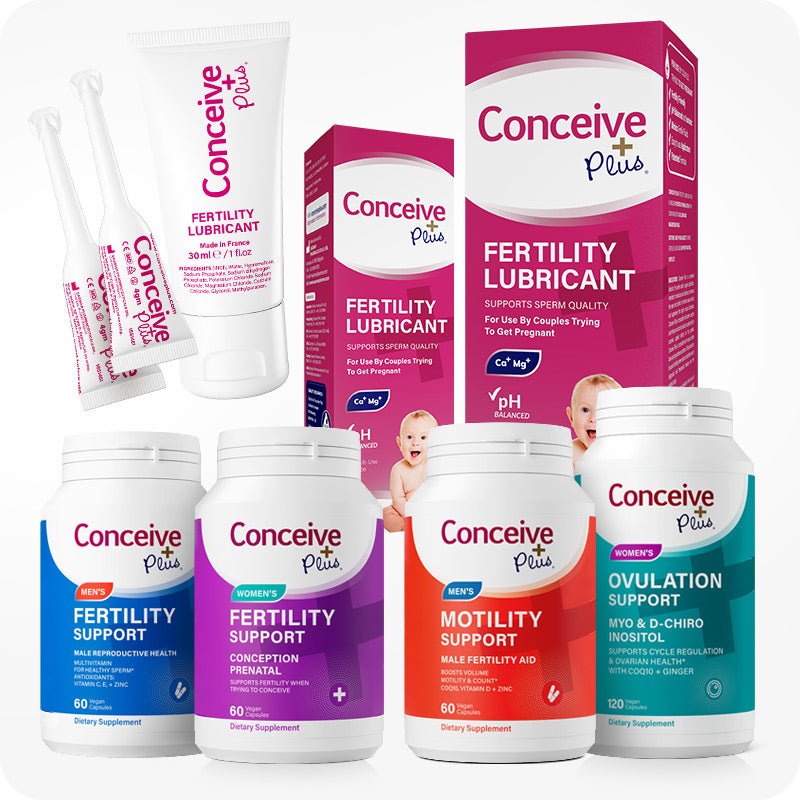
Our Motility Support supplement contains Zinc, CoQ10, and L-Carnitine — clinically studied nutrients for sperm health and motility.
Shop Now — $34.95✓ Free shipping on orders over $40 | ✓ Trusted by millions of couples worldwide

Can Low Testosterone Impact Fertility?
Now, let’s talk about low testosterone. If your testosterone is low, it can definitely affect your ability to conceive. Men with low testosterone may produce fewer sperm, and lower sperm counts mean fewer chances of fertilizing an egg [6]. But, it’s important to remember that sperm quality isn’t all about testosterone. There are other factors involved too.
Low testosterone can also lower your sex drive and make it harder to perform in the bedroom. But don’t worry too much—there are ways to manage this. Hormone therapy is one option, but lifestyle changes, like eating right and exercising, can often boost testosterone naturally.
Does Boosting Testosterone Improve Fertility?
A lot of people think that boosting testosterone automatically means better fertility. Unfortunately, that’s not always true. In fact, taking testosterone supplements can sometimes reduce sperm production. The body might stop making its own testosterone when it’s getting an outside source, which can lower your sperm count [7].
Instead of supplements, try natural ways to keep testosterone levels up. Vitamins like vitamin D, magnesium, and antioxidants can help maintain healthy testosterone levels. These nutrients help support overall reproductive health without messing with your body’s hormone production.

The Bottom Line
To sum it all up, does sperm contain testosterone? Yes, but it’s not really what determines whether or not you can conceive. Testosterone is crucial for sperm production, but other factors like sperm motility, count, and shape are just as important for fertility. So, while you should pay attention to your testosterone levels, it’s also important to look at your overall health and lifestyle.
FAQs
Does sperm contain testosterone?
Yes, but only in negligible amounts. Testosterone's main role is during sperm production, not within the sperm itself.
Can low testosterone affect fertility?
Yes, low testosterone can reduce sperm production, but sperm quality depends on multiple factors, including diet and lifestyle.
How can I naturally boost testosterone for fertility?
Eating foods rich in zinc, vitamin D, and antioxidants can help boost natural testosterone production.
Do testosterone supplements improve fertility?
No, they can actually lower sperm production. Natural ways of boosting testosterone are often more effective.
What nutrients help sperm health?
Zinc, L-carnitine, and selenium are key nutrients that support sperm motility, count, and overall reproductive health.
Citations
- Sharma A, Minhas S, Dhillo WS, Jayasena CN. Male infertility due to testicular disorders. J Clin Endocrinol Metab. Available at: https://www.ncbi.nlm.nih.gov/pmc/articles/PMC7823320/
- Sharma R, Harlev A, Agarwal A, Esteves SC. Cigarette Smoking and Semen Quality: A New Meta-analysis Examining the Effect of the 2010 World Health Organization Laboratory Methods for the Examination of Human Semen. Eur Urol. Available at: https://pubmed.ncbi.nlm.nih.gov/27113031/
- Martin GB, White CL, Markey CM, Blackberry MA. Effects of dietary zinc deficiency on the reproductive system of young male sheep: testicular growth and the secretion of inhibin and testosterone. J Reprod Fertil. Available at: https://pubmed.ncbi.nlm.nih.gov/8064696/
- Lenzi A, Lombardo F, Sgrò P, Salacone P, Caponecchia L, Dondero F, Gandini L. Use of carnitine therapy in selected cases of male factor infertility: a double-blind crossover trial. Fertil Steril. Available at: https://pubmed.ncbi.nlm.nih.gov/12568837/
- Moslemi MK, Tavanbakhsh S. Selenium-vitamin E supplementation in infertile men: effects on semen parameters and pregnancy rate. Int J Gen Med. Available at: https://pubmed.ncbi.nlm.nih.gov/21403799/
- Grande G, Barrachina F, Soler-Ventura A, Jodar M, Mancini F, Marana R, Chiloiro S, Pontecorvi A, Oliva R, Milardi D. The Role of Testosterone in Spermatogenesis: Lessons From Proteome Profiling of Human Spermatozoa in Testosterone Deficiency. Front Endocrinol (Lausanne). Available at: https://www.ncbi.nlm.nih.gov/pmc/articles/PMC9161277/
- Basaria S. Male hypogonadism. Lancet. Available at: https://pubmed.ncbi.nlm.nih.gov/24119423/
Buy sperm volume boosters the best supplements to increase sperm volume are made by Conceive Plus for men. Order premium sperm volume enhancement supplements and shop top-rated sperm volume increase pills today.
🌱 Boost Male Fertility Naturally
Conceive Plus Men's Motility Support is formulated with the nutrients that matter most for sperm quality, count, and motility.
Shop Men's Fertility →Frequently Asked Questions
Recommended by Fertility Experts
Conceive Plus Men's Fertility Support
Designed to support healthy sperm production, motility, and overall male reproductive health with clinically studied nutrients.
Shop Now →What testosterone levels are considered normal for male fertility?
Normal testosterone levels for adult males typically range from 300-1000 ng/dL, with most fertility specialists considering levels above 300 ng/dL adequate for sperm production. However, some men with levels in the lower-normal range may still experience reduced sperm quality or count. The American Society for Reproductive Medicine (ASRM) recommends testing testosterone levels as part of a comprehensive male fertility evaluation if sperm parameters are abnormal.
Can low testosterone be treated to improve fertility?
Yes, low testosterone can often be treated through testosterone replacement therapy (TRT) or by addressing underlying causes like obesity, sleep disorders, or certain medications. However, it's important to note that TRT itself can temporarily reduce sperm production in some men, so fertility specialists may recommend alternatives or monitoring during treatment. Working with a reproductive endocrinologist is essential to find the right balance between treating low testosterone and preserving fertility.
What other factors besides testosterone affect male sperm quality?
Sperm quality depends on multiple factors including sperm count, motility (swimming ability), morphology (shape), age, diet, exercise, stress levels, and exposure to toxins or heat. Environmental factors like smoking, alcohol consumption, and certain medications can also significantly impact sperm health. A semen analysis ordered by a fertility clinic can evaluate these specific parameters and help identify areas for improvement.
How is male fertility evaluated if testosterone levels are normal?
If testosterone levels are normal but fertility concerns exist, a semen analysis is the primary diagnostic test, which measures sperm count, motility, and morphology according to WHO standards. Additional tests may include a physical examination, ultrasound, or specialized sperm function tests recommended by your fertility specialist. Many fertility clinics in the US accept insurance coverage for initial male fertility evaluations, though coverage varies by plan.
Does increasing testosterone naturally through diet and exercise improve fertility?
Yes, improving overall health through exercise, balanced nutrition, adequate sleep, and stress reduction can support healthy testosterone levels and sperm production naturally. Foods rich in zinc, vitamin D, and antioxidants may particularly support male fertility, though evidence shows lifestyle changes work best when testosterone levels are already low or suboptimal. Consult with your doctor or a fertility specialist before starting supplements, as some can interfere with fertility or overall health.
Are testosterone supplements safe to use while trying to conceive?
Testosterone replacement therapy should only be prescribed and monitored by a healthcare provider, as it can paradoxically reduce sperm production in some cases. The FDA has not approved testosterone supplements specifically for fertility enhancement, and over-the-counter testosterone boosters often lack scientific evidence for their effectiveness. If you're considering testosterone treatment while trying to conceive, discuss the risks and benefits with a reproductive endocrinologist or fertility specialist.
How long does it take to see improvements in sperm quality after addressing testosterone levels?
Since sperm production takes approximately 74 days from start to finish, it typically takes 2-3 months of consistent treatment or lifestyle changes before significant improvements appear in a new semen analysis. Some men may see results sooner, while others require 4-6 months of sustained effort before noticeable changes occur. Regular follow-up testing with your fertility clinic can help track progress and adjust your treatment plan as needed.
Trusted by Couples in Over 70 Countries
Support Male Fertility From the Inside Out
Male fertility is just as important as female fertility in the conception journey. Conceive Plus Men's range delivers targeted nutritional support to promote healthy sperm and overall reproductive wellbeing.
Shop Men's Range →