The Two-Week Wait: How to Stay Sane, What to Watch For, and What Actually Helps


The Two-Week Wait: How to Stay Sane, What to Watch For, and What Actually Helps
If you've ever gone through fertility treatment or been actively trying to conceive, you already know that the two-week wait (TWW) is its own kind of emotional marathon. It begins the moment of ovulation or embryo transfer and ends — finally — at a pregnancy test. Those 14 days can feel like 14 months. You're hyper-aware of your body, analyzing every twinge, cramp, and mood shift. You refresh forums. You Google symptoms at 2 a.m. You toggle between absolute certainty that it worked and the quiet dread that it didn't.
This guide is for you. We'll walk through what's actually happening in your body during the TWW, how to tell the difference between early pregnancy symptoms and PMS, which strategies actually help (and which just add anxiety), and how to protect your emotional wellbeing when the waiting feels unbearable. We've also included a section for partners — because this wait belongs to both of you.
What Is the Two-Week Wait?
The two-week wait refers to the approximately 14-day period between ovulation (or embryo transfer in IVF) and the earliest reliable time to take a home pregnancy test. Technically, this phase is called the luteal phase — the second half of the menstrual cycle, governed primarily by progesterone produced by the corpus luteum (the structure left behind after the egg is released).
Here's what's happening on a biological level during those 14 days:
- Days 1–3 post-ovulation: The released egg is fertilized (if sperm are present) and begins its journey through the fallopian tube toward the uterus.
- Days 3–5: The fertilized egg, now a blastocyst, continues to develop as it travels.
- Days 6–10: Implantation occurs — the blastocyst burrows into the uterine lining (endometrium). This is when hCG (human chorionic gonadotropin), the pregnancy hormone, begins to be produced.
- Days 10–14: hCG levels rise enough to be detected by a sensitive pregnancy test.
If fertilization does not occur or the embryo does not implant successfully, progesterone levels drop, the uterine lining sheds, and a new menstrual cycle begins. This biological reality is what makes the TWW so emotionally complex — you are genuinely living inside a window of possibility that only time can resolve.
According to research published in the journal Human Reproduction, implantation most commonly occurs between days 8 and 10 post-ovulation, with the highest success rates seen when implantation happens around day 9. This timing is important to understand, because it helps explain why early testing (before day 10–12) often produces misleading negative results even in successful cycles.
Common Symptoms During the TWW — Explained
Supporting Your Journey
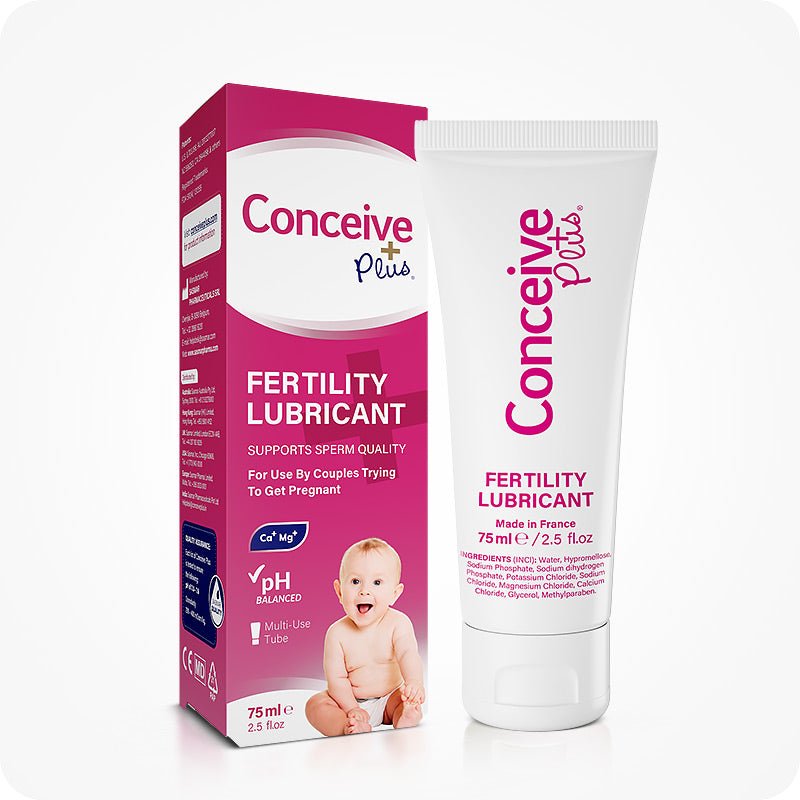
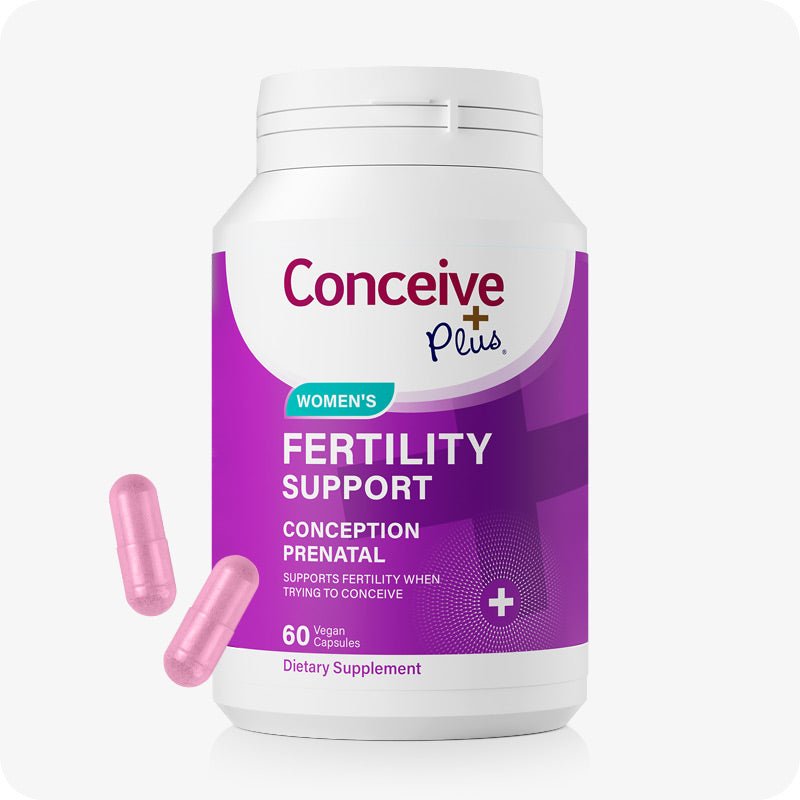
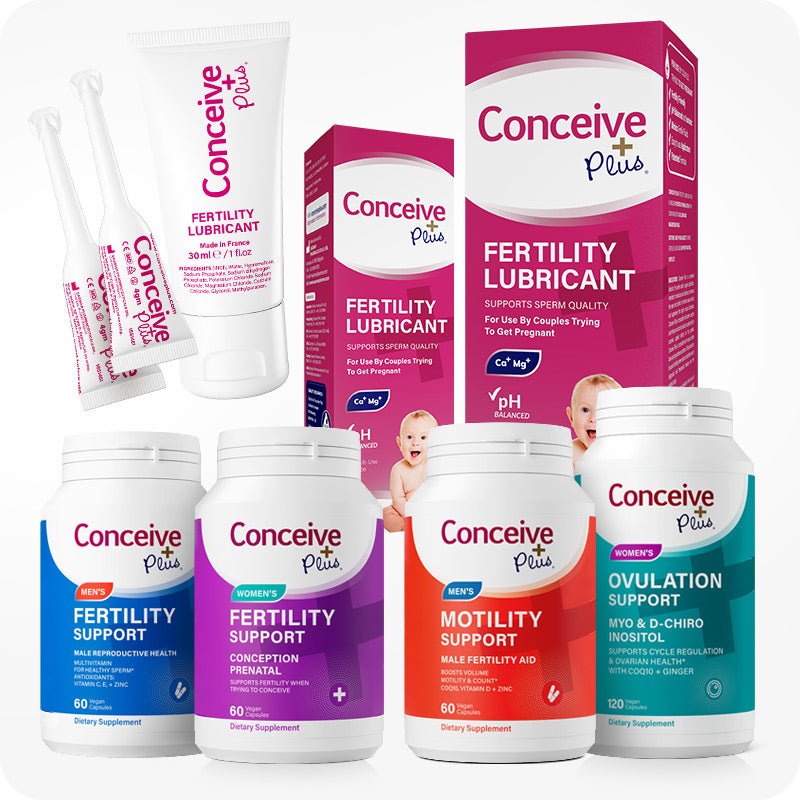
Conceive Plus supports your body through every phase of the fertility journey — including the luteal phase. Our targeted supplements are formulated with evidence-based ingredients to help support implantation and early pregnancy.
Explore Our Products →Nearly every woman who has been through the TWW knows the sensation: you're looking for symptoms. You feel a twinge and wonder if it's implantation. You feel tired and ask yourself if this is early pregnancy fatigue or just Tuesday. Here's a grounded look at what these sensations actually mean.
Implantation Cramping
Some women experience light cramping around days 6–12 post-ovulation, which may coincide with the blastocyst burrowing into the uterine lining. This is often described as a mild, localized pinching or pressure, different in character from menstrual cramps. However, not all women feel this, and not feeling it does not indicate a failed cycle.
Implantation Bleeding
Approximately 15–25% of pregnant women experience light spotting or pinkish/brownish discharge around implantation time. This spotting is usually scant, lasts only 1–2 days, and is lighter in color and flow than a menstrual period. It can be easy to misinterpret as the start of a period.
Breast Tenderness and Swelling
Elevated progesterone — present regardless of whether pregnancy has occurred — commonly causes breast tenderness in the second half of the cycle. This symptom alone cannot distinguish between a luteal phase and early pregnancy.
Fatigue
Progesterone has a mild sedative effect and is responsible for the pronounced fatigue many women feel during the luteal phase. In early pregnancy, rising hCG and the metabolic demands of implantation amplify this fatigue significantly. But again, fatigue during the TWW is not reliably diagnostic either way.
Bloating and Digestive Changes
Progesterone slows intestinal motility, causing bloating, gas, and sometimes constipation during the luteal phase — whether or not conception occurred. In early pregnancy, these symptoms may be more pronounced.
Mood Changes
The emotional intensity of the TWW is amplified by the very real hormonal fluctuations taking place. Progesterone can contribute to irritability, anxiety, or low mood. This is biology — not a character flaw.
Nausea
True pregnancy nausea, often called morning sickness, typically does not begin until around 6 weeks of pregnancy — well after the TWW has ended. If you experience significant nausea in the first week post-ovulation, it is unlikely to be pregnancy-related and may be from other causes.
Early Pregnancy Signs vs. PMS: What's the Difference?
This is the question that drives most TWW internet searches, and the honest answer is one that most people don't want to hear: the symptoms of early pregnancy and premenstrual syndrome (PMS) overlap almost entirely. Both are driven primarily by progesterone, which peaks in the luteal phase regardless of whether conception occurred.
That said, there are a few subtle differences that women who have been pregnant before sometimes describe:
| Symptom | Early Pregnancy | PMS |
|---|---|---|
| Breast tenderness | Often heavier, more intense; nipples may be especially sensitive | General tenderness and swelling |
| Spotting | Light, pinkish/brown, brief (1–2 days) | Not typical before period starts |
| Cramping | May be one-sided, pinching, earlier in cycle | Typically begins with or just before period |
| Fatigue | Often described as bone-deep, unusual heaviness | Present but usually moderate |
| Cervical mucus | May remain creamy/white rather than drying up | Typically decreases before period |
| Basal body temperature | Stays elevated through expected period date | May dip slightly before period |
| Nausea | Rarely before 6 weeks; may have food aversions | Not typical (though some women do experience it) |
The most reliable differentiator remains a pregnancy test taken after the expected period date — or, if you can't wait, a sensitive early detection test (capable of reading 10–15 mIU/mL of hCG) taken no earlier than 10–12 days post-ovulation or post-transfer.
What to Do (and Avoid) During the Two-Week Wait
There's a lot of advice out there — some helpful, some counterproductive. Here's a grounded look at what actually matters.
What to Do
Continue your prenatal or luteal-phase supplement routine. Folate (or methylfolate for those with MTHFR gene variants), vitamin D, CoQ10, and other fertility-supportive nutrients continue to matter during the TWW. The early embryo needs these micronutrients for proper neural tube development, even before a positive test.
Maintain moderate, gentle movement. Light walking, yoga, and swimming are generally considered safe and beneficial. Exercise supports circulation, mood regulation through endorphin release, and sleep quality — all important during the TWW. High-intensity training is not contraindicated for most women but may be worth discussing with your reproductive specialist if you're mid-cycle post-IVF transfer.
Eat a nutrient-dense, whole-food diet. The Mediterranean diet pattern — rich in leafy greens, whole grains, lean protein, healthy fats, and antioxidants — has been associated with improved IVF outcomes in multiple studies. Continue this eating pattern through the TWW to support both potential implantation and your overall wellbeing.
Prioritize sleep. Sleep is when the body repairs, regulates hormones, and reduces cortisol. Aim for 7–9 hours. If anxiety is keeping you awake, a short mindfulness practice or progressive muscle relaxation before bed can help without any risks.
Stay hydrated. Proper hydration supports endometrial blood flow and overall cellular function. Aim for at least 8 glasses of water daily.
What to Avoid
Alcohol. There is no confirmed safe amount of alcohol in early pregnancy, and since you won't know for certain whether you're pregnant during the TWW, avoiding alcohol is the safest choice. The first days after fertilization are a critical window of development.
Excessive caffeine. Studies suggest that caffeine intake above 200mg/day may be associated with increased miscarriage risk. Limiting to one cup of coffee (or less) is a reasonable, cautious approach.
NSAIDs (like ibuprofen). Non-steroidal anti-inflammatory drugs may interfere with implantation by affecting prostaglandins. If you have pain or fever, acetaminophen (paracetamol) is generally considered safer during the TWW.
Smoking and recreational drugs. These are associated with reduced fertility, impaired implantation, and increased miscarriage risk. The TWW is no exception.
Excessive symptom tracking and "symptom spotting." This is easier said than done, but obsessively cataloguing every physical sensation dramatically increases anxiety without providing useful information. Consider limiting time on TTC forums to once a day, or taking a break altogether.
Emotional Wellbeing During the TWW
The psychological weight of the TWW is real, documented, and significant. A 2011 study published in Fertility and Sterility found that women undergoing IVF reported anxiety levels during the TWW comparable to those of patients awaiting cancer diagnosis results. This is not hyperbole — the stakes are high, the uncertainty is complete, and the emotional toll is substantial.
Here are strategies that research and clinical experience suggest actually help:
Structured Distraction
Plan things to look forward to. Schedule lunch with a friend, start a new series, take a weekend trip if you can. The goal isn't to ignore what's happening — it's to give your mind something to engage with other than the wait. Idle time amplifies anxiety; structure helps contain it.
Mindfulness and Meditation
A 2015 study published in Fertility and Sterility found that mind-body programs for infertility patients — incorporating mindfulness, relaxation, and cognitive restructuring — significantly reduced anxiety and depression and were associated with higher pregnancy rates in the following cycles. Apps like Calm, Headspace, or dedicated fertility mindfulness programs (such as the Naomi Knowing program) offer accessible entry points.
Journaling
Writing about your fears, hopes, and feelings — rather than suppressing them — has been shown to reduce emotional distress. Expressive writing specifically has been studied as a tool for processing difficult medical experiences. You don't need to be eloquent. Just honest.
Set Limits on Research and Forums
Online fertility communities can be genuinely supportive, but they can also become a source of compulsive reassurance-seeking that amplifies rather than soothes anxiety. Consider setting a time limit — 15 minutes per day, for example — for TWW-related reading.
Talk About It
Whether with a partner, a close friend, a therapist, or a fertility support group, naming what you're feeling reduces its power. Isolation makes the TWW harder. Many fertility clinics offer psychological support services — don't hesitate to use them.
Practice Self-Compassion
You are going through something genuinely difficult. The anticipatory grief of a potentially failed cycle is real grief. The hope of a possible pregnancy is real hope. Both can coexist. You are not being irrational — you are being human.
When to Take a Pregnancy Test
The urge to test early is completely understandable, but testing too early leads to inaccurate results that create additional distress. Here's what you need to know:
How home pregnancy tests work: HPTs detect hCG in urine. After implantation, hCG approximately doubles every 48–72 hours. At implantation (around day 6–10 post-ovulation), hCG levels are extremely low — often below the detection threshold of even the most sensitive tests.
Test sensitivity matters: Most standard HPTs (including many popular brands) detect hCG at 25 mIU/mL. Some early response tests detect as low as 6–10 mIU/mL, which can detect pregnancy 1–2 days earlier. However, sensitivity comes with a tradeoff: very early positives may reflect chemical pregnancies (very early losses) that wouldn't register on later, less sensitive tests.
Recommended testing window:
- Natural conception: Test on the day of your expected period or 1–2 days after for the most reliable result. If you must test early, 12 DPO (days post-ovulation) is a reasonable minimum with a sensitive test.
- IVF fresh or frozen embryo transfer (FET): Your clinic will schedule a beta hCG blood test (typically 9–14 days post-transfer). Blood tests are significantly more sensitive than urine tests. If you test at home beforehand, be aware that trigger shots (hCG injections used in stimulated cycles) can cause false positives for several days post-trigger.
The "line progression" trap: Many TWW veterans take multiple tests across several days to watch lines darken. While rising hCG is genuinely meaningful information, comparing lines across different brands, time-of-day samples, or varying hydration levels can create misleading patterns. If you test early, try to use the same brand and first morning urine consistently.
When a negative test isn't the final answer: A negative test before your expected period does not necessarily mean the cycle failed — it may simply mean hCG hasn't risen high enough yet. Wait until your period is at least one day late before concluding the result is definitive.
How Partners Can Help During the Two-Week Wait
The TWW is frequently framed as a solo experience, but it doesn't have to be. Partners — regardless of gender — often feel uncertain about what to do or say during this time, particularly if they're less physically connected to the process. Here is practical, evidence-based guidance for being a genuine support rather than a well-meaning bystander.
Ask Rather Than Assume
Some people want distraction; others want to talk about it constantly. Some want physical comfort; others need space. Ask your partner what kind of support feels most helpful right now — and ask again on different days, because the answer may change.
Don't Minimize or Catastrophize
Saying "don't worry, I'm sure it worked" is well-intentioned but dismissive — because neither of you actually knows. Equally, expressing shared anxiety relentlessly makes the waiting partner carry your emotions as well as their own. Aim for acknowledging the difficulty without either minimizing or escalating it.
Take On Logistics
Managing the mental load of fertility treatment — scheduling, medication tracking, dietary planning — is exhausting. Taking over as much of this as possible during the TWW is a meaningful, concrete form of support.
Stay Present for the Result
Whether the test is positive or negative, plan to be together. A positive result is a moment to share. A negative result is a loss that needs to be grieved — together. Don't let the test become a private event unless your partner specifically prefers that.
Take Care of Your Own Mental Health
Partners experience the TWW too — often with a sense of helplessness and their own unacknowledged grief if cycles don't succeed. Seeking your own counseling or peer support is not selfish. It's sustainable.
Supplements That Support the Luteal Phase
The luteal phase — including the TWW — is a hormonally and nutritionally demanding time. Several evidence-based nutrients play important roles in supporting progesterone production, uterine receptivity, and early embryo development.
Folate (or Methylfolate)
The neural tube closes within 28 days of fertilization — often before a woman even knows she's pregnant. Adequate folate (400–800 mcg daily) is essential for this process and should be maintained throughout the TWW and beyond. Women with the MTHFR gene variant may benefit from methylfolate (the active form) rather than synthetic folic acid.
Vitamin D
Vitamin D receptors are found in the endometrium, and vitamin D plays a role in uterine receptivity and immune modulation. Studies have linked vitamin D deficiency with reduced implantation rates and increased pregnancy loss risk. Testing your vitamin D level and supplementing to achieve optimal levels (50–80 ng/mL) is a step worth discussing with your provider.
CoQ10 (Coenzyme Q10)
CoQ10 is an antioxidant critical to mitochondrial energy production. It has been studied for improving egg quality and may also support the energy-intensive process of early embryo development. Ubiquinol (the reduced, bioavailable form) is better absorbed, particularly for women over 35.
Magnesium
Magnesium plays a role in progesterone synthesis and in muscle relaxation — relevant to reducing uterine cramping. Many women are deficient. Magnesium glycinate is a well-tolerated form.
Vitamin B6
B6 (pyridoxine) is involved in progesterone production and may help reduce luteal phase defect symptoms. Some research suggests it may reduce PMS-related mood symptoms as well. Doses above 100mg daily long-term should be used with medical guidance.
Omega-3 Fatty Acids (DHA/EPA)
DHA is critical for fetal brain and eye development and is needed from the earliest stages of pregnancy. Maintaining omega-3 intake throughout the TWW ensures this important nutrient is available from the moment of implantation.
Progesterone Support (Prescribed)
For women with diagnosed luteal phase defect or those undergoing IVF, progesterone supplementation (vaginal suppositories, injections, or oral micronized progesterone) may be prescribed by a reproductive endocrinologist to support the endometrium during the TWW. This is a medical intervention — not something to self-prescribe — but it is worth discussing with your provider if you have concerns about luteal phase adequacy.
Frequently Asked Questions About the Two-Week Wait
How long does the two-week wait actually last?
The TWW typically spans 12–16 days, depending on the individual's luteal phase length. The average is 14 days (hence the name), but luteal phases can range from 10–17 days and still be considered normal. If your luteal phase is consistently shorter than 10 days, discuss luteal phase defect with your doctor.
Can I exercise during the TWW?
Yes, for most women, moderate exercise is safe and beneficial during the TWW. Light-to-moderate activities like walking, swimming, cycling, yoga, and pilates are generally fine. High-intensity training should be approached cautiously after IVF transfer — follow your clinic's specific guidance. Exercise supports mood, sleep, and circulation, all of which matter during this phase.
Is it safe to have sex during the TWW?
For women trying to conceive naturally, sex during the TWW is generally considered safe and will not disrupt implantation. After an IVF embryo transfer, some clinics advise waiting a few days; others have no restrictions. Ask your specific clinic for guidance.
Why do I feel like my period is coming, even if I'm pregnant?
Because the hormonal profile of early pregnancy is very similar to the late luteal phase. Progesterone dominates both states, causing nearly identical symptoms. Many women report being certain their period was coming — right up until they got a positive test. This overlap is one reason the TWW is so psychologically taxing.
What does implantation feel like?
Many women feel nothing at all during implantation, which is completely normal. Those who do notice something describe it as mild, brief cramping — often one-sided — occurring 6–12 days post-ovulation. Some experience light spotting. But the absence of any sensation does not indicate the cycle was unsuccessful.
Can stress cause a failed cycle or prevent implantation?
This is a common fear, and it's worth addressing carefully. The evidence on stress directly causing failed implantation is mixed and complex. Chronic, severe stress can affect hormonal function and cortisol levels in ways that may influence reproductive health over time. But acutely stressing about whether stress is hurting your chances is unlikely to cause harm — and that reassurance is itself important. Your body is designed for this. Stress alone does not "prevent" implantation for most women.
When is the earliest I can take a reliable pregnancy test?
With a highly sensitive test (10 mIU/mL), the earliest reliable window is around 10–12 days post-ovulation. Testing before 10 DPO significantly increases the chance of a false negative. Blood tests (beta hCG) ordered by a clinic are more sensitive than urine tests and may detect pregnancy slightly earlier.
What should I do if I get a very faint positive line?
A faint line on a pregnancy test indicates some level of hCG — which means pregnancy is possible. Retest in 48 hours using first morning urine. If the line is getting darker, hCG is rising, which is a positive sign. If lines remain faint or don't progress, contact your doctor for a blood test to confirm and monitor hCG levels.
What if I've had a chemical pregnancy or miscarriage before? How does that affect the TWW?
A history of pregnancy loss adds a profound layer of complexity to the TWW. It can be difficult to feel cautious hope alongside fear of recurrence. This is entirely understandable. Many women with a history of loss find it helpful to work with a therapist who specializes in reproductive trauma, and to discuss early monitoring (such as a blood test at 9–10 DPO) with their reproductive specialist.
Does the TWW feel different during IVF compared to natural conception?
Yes, often considerably so. After IVF, you know the exact date of fertilization and transfer. You've been through an intensive medical process. You're often on prescribed progesterone. And the emotional and financial investment intensifies the wait significantly. Many women describe the IVF TWW as both more hopeful (because they know fertilization occurred) and more agonizing. IVF-specific support — from clinics, therapists, or peer communities — is particularly valuable in this context.
A Note on Holding Both Feelings at Once
One of the hardest things about the two-week wait is the coexistence of hope and fear. You want to be hopeful, but hope feels vulnerable — especially if you've had disappointments before. You want to protect yourself, but protecting yourself feels like giving up. There's no way to feel one without risking the other.
The most honest advice we can offer is this: let yourself feel both. Hope and fear are not opposites. They are two faces of caring deeply about something. You're here, doing this hard thing, because you want this. That courage is worth acknowledging.
The two-week wait is not something you "get through" by optimizing perfectly. It's something you live through — moment by moment, with as much gentleness toward yourself as you can manage. And whatever result this cycle brings, your journey continues — and so does the community around you.
Your Fertility, Your Journey
Every two-week wait is unique. Conceive Plus is here to support you with premium, science-backed fertility supplements trusted by thousands of couples worldwide.
Shop Conceive Plus →