Do Cool Testicles and Testicle Coolers Improve Sperm Production
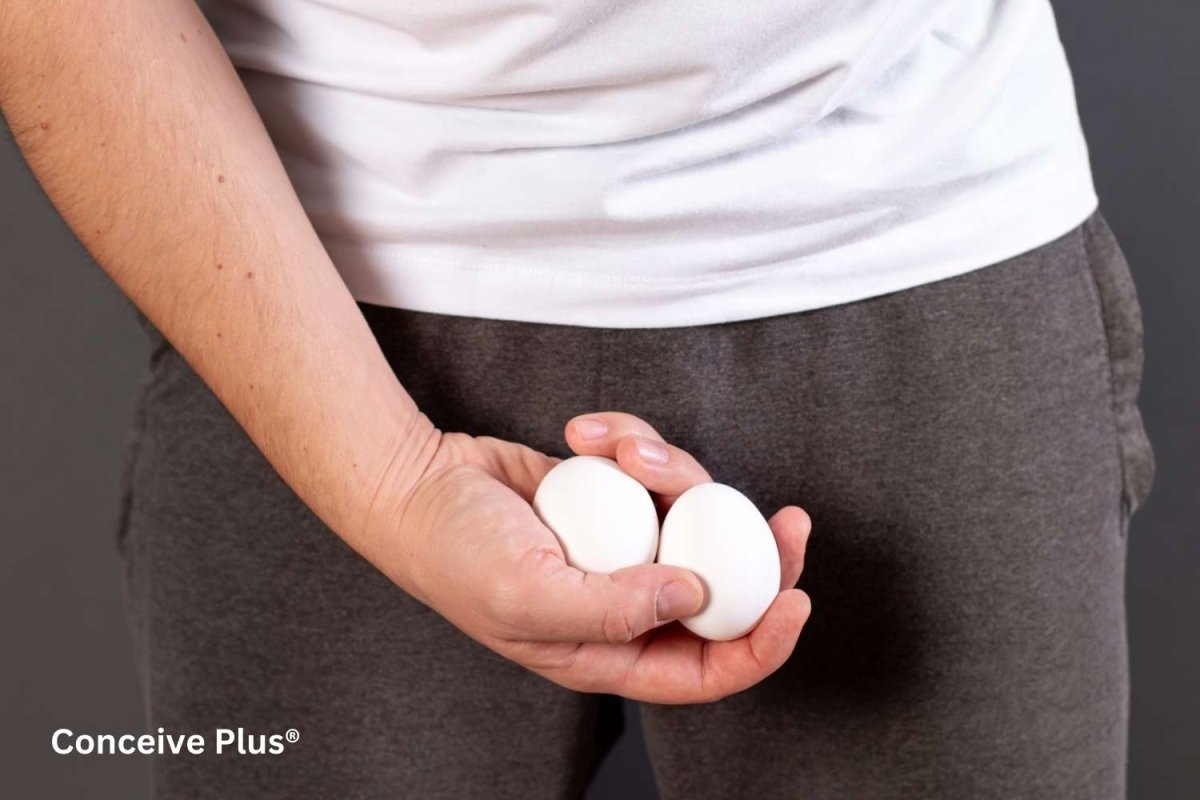

When it comes to fertility, many factors influence sperm health, including diet, lifestyle, and temperature. One topic that's gaining attention is the idea of keeping cool testicles to boost sperm production. But how effective is it to keep your testicles cold, and can products like testicle coolers really make a difference? In this article, we explore whether maintaining a scrotum cold can improve fertility and discuss how to get more sperm in your balls naturally.

Why Does Temperature Matter for Sperm Health?
The testicles are located outside the body for a very specific reason—sperm production requires a cooler environment than the rest of the body. The ideal temperature for sperm production is around 93.2°F (34°C), which is slightly below the body's core temperature. When the testicles get too warm, whether from hot showers, tight clothing, or sitting for long periods, sperm quality can be negatively impacted [1]. Curious to learn more about the effects of temperature on sperm? Find out does heat kill sperm and how it impacts testicle health and fertility.
Overheating the testicles can lead to:
- Reduced sperm count: Fewer sperm are produced when testicles are exposed to heat.
- Decreased sperm motility: Sperm are less likely to move effectively towards the egg.
- Abnormal sperm shape: Heat can affect the morphology (shape) of sperm, making conception harder [2].
How Do Testicle Coolers Help Keep Testicles Cold?
There are several devices and products designed to keep your testicles cold and support healthy sperm production. Testicle coolers, such as cooling underwear or ice packs, aim to reduce heat stress on the reproductive organs. These products help keep the scrotum cold, which may, in theory, enhance sperm quality by maintaining the optimal temperature for sperm development [3].
While there are limited studies specifically focused on testicle cooling devices, small-scale research suggests that reducing scrotal temperature might improve sperm motility and count in men experiencing fertility issues. However, more extensive research is needed to confirm these benefits [4].
Top Tip: Consider using loose-fitting underwear like boxers to keep your testicles at a cooler temperature throughout the day.
Can Cooling Testicles Really Increase Sperm Count?
One common question is whether keeping cool testicles can genuinely boost sperm production. If heat damages sperm, does the opposite—cooling—actually help? Some men have found success in improving their fertility by lowering their testicular temperature using testicle coolers or other cooling methods [5]. However, it's important to understand that while cooling can help maintain optimal conditions for sperm production, it's not a miracle cure.
For men wondering how to get more sperm in your balls, testicle cooling could be one part of a broader fertility strategy. Other lifestyle factors, such as maintaining a balanced diet, exercising, and avoiding substances that can harm sperm quality, are equally crucial [6].
Top Tip: Combining cooling methods with a nutrient-rich diet that includes antioxidants like Vitamin C and Zinc can maximize your chances of boosting sperm production.

Natural Ways to Keep Testicles Cool and Boost Sperm Health
While cooling devices can help, there are simple lifestyle changes that naturally support fertility by preventing overheating:
- Avoid tight clothing: Tight pants and underwear can trap heat. Opt for looser-fitting clothes.
- Limit time in hot environments: Long hot baths, saunas, and hot tubs should be avoided.
- Take breaks from sitting: Prolonged sitting can increase scrotal temperature, so take frequent breaks to stand up and move around [7].
- Use cooling techniques: If you're concerned about overheating, applying a cold compress or using specialized cooling underwear can help keep your scrotum cold.

✨ Support Healthy Sperm
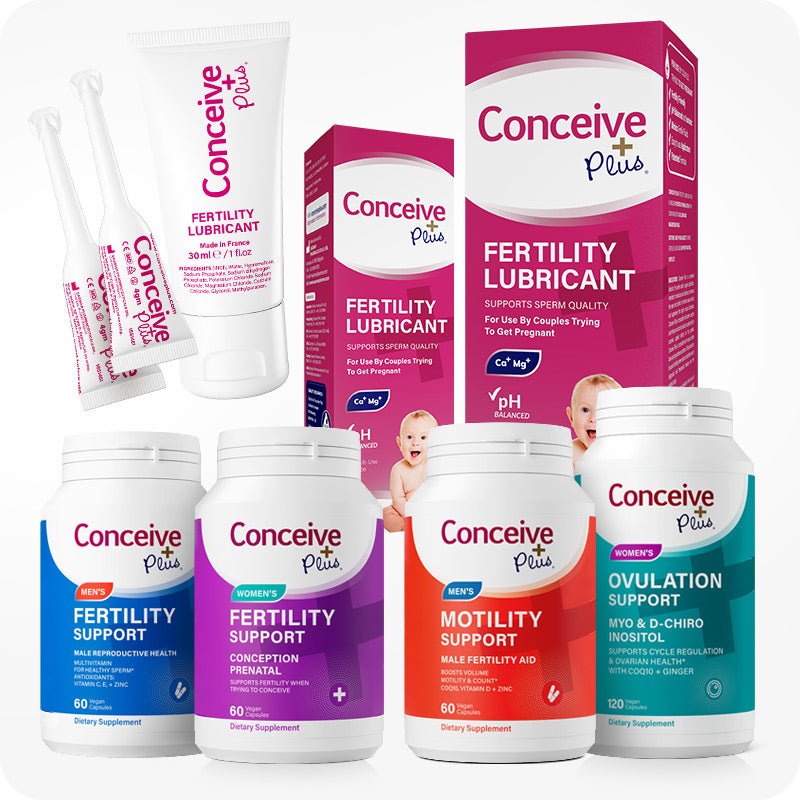
Our Motility Support supplement contains Zinc, CoQ10, and L-Carnitine — clinically studied nutrients for sperm health and motility.
Shop Now — $34.95✓ Free shipping on orders over $40 | ✓ Trusted by millions of couples worldwide
Top Tip: Make sure not to overcool the testicles. Always use cooling devices according to the manufacturer's guidelines to avoid discomfort or skin damage.
How to Get More Sperm in Your Balls: Lifestyle and Nutritional Tips
Aside from keeping your cool testicles, there are other proven ways to increase sperm count and improve fertility:
- Healthy diet: Eating foods rich in vitamins and minerals like Vitamin D, Zinc, and CoQ10 helps support sperm production [8].
- Exercise: Regular physical activity promotes healthy hormone levels and can improve overall sperm quality.
- Supplements: For additional support, fertility supplements with ingredients like L-arginine, Myo-Inositol, and antioxidants can enhance sperm motility and count by improving blood flow and protecting sperm from oxidative stress [9].
By combining these lifestyle changes with cooling techniques, you can potentially boost your sperm count and overall reproductive health [10].
Top Tip: Avoid alcohol, smoking, and excessive caffeine intake, as they can harm sperm health [11].

The Bottom Line
Keeping your testicles cold with methods like testicle coolers may help optimize sperm production, especially when combined with a healthy lifestyle. Cool testicles by reducing scrotal heat exposure through simple changes like wearing loose clothing and avoiding hot environments can also improve fertility outcomes. While cooling your testicles can be helpful, it should be part of a comprehensive approach to fertility, including proper diet, exercise, and supplements [12].
FAQs
Does cooling the testicles improve sperm production?
Yes, cooling the testicles can help optimize conditions for sperm production by reducing heat stress. However, it works best when combined with other healthy habits.
How long should I use testicle coolers?
You can use testicle coolers for short periods throughout the day, but avoid overcooling to prevent discomfort or skin irritation. Always follow product instructions.
Do tight underwear affect sperm count?
Yes, tight underwear can trap heat, raising the temperature around the testicles and potentially lowering sperm count. Opt for loose-fitting options like boxers.
Can diet improve sperm count?
Yes, eating foods rich in antioxidants, vitamins, and minerals like Zinc, Vitamin C, and Selenium can improve sperm quality and overall fertility.
How can I naturally cool my testicles?
Avoid long exposure to heat sources like hot tubs, wear loose clothing, and take breaks from sitting to allow airflow around the scrotum.
Citations
- Jung A, Schuppe HC. Influence of genital heat stress on semen quality in humans. Andrologia. Available at: https://pubmed.ncbi.nlm.nih.gov/18076419/
- Mieusset R, Bujan L. Testicular heating and its possible contributions to male infertility: a review. Int J Androl. Available at: https://pubmed.ncbi.nlm.nih.gov/7591190/
- Sharpe RM. Environmental/lifestyle effects on spermatogenesis. Philos Trans R Soc Lond B Biol Sci. Available at: https://www.ncbi.nlm.nih.gov/pmc/articles/PMC2871918/
- Jung A, Schuppe HC. Influence of genital heat stress on semen quality in humans. Andrologia. Available at: https://pubmed.ncbi.nlm.nih.gov/18076419/
- Hamilton TR, Mendes CM, de Castro LS, de Assis PM, Siqueira AF, Delgado Jde C, Goissis MD, Muiño-Blanco T, Cebrián-Pérez JÁ, Nichi M, Visintin JA, Assumpção ME. Evaluation of Lasting Effects of Heat Stress on Sperm Profile and Oxidative Status of Ram Semen and Epididymal Sperm. Oxid Med Cell Longev. Available at: https://www.ncbi.nlm.nih.gov/pmc/articles/PMC4737001/
- Alahmar AT, Calogero AE, Singh R, Cannarella R, Sengupta P, Dutta S. Coenzyme Q10, oxidative stress, and male infertility: A review. Clin Exp Reprod Med. Available at: https://www.ncbi.nlm.nih.gov/pmc/articles/PMC8176150/
- Thonneau P, Bujan L, Multigner L, Mieusset R. Occupational heat exposure and male fertility: a review. Hum Reprod. Available at: https://pubmed.ncbi.nlm.nih.gov/9756281/
- Alahmar AT. Role of Oxidative Stress in Male Infertility: An Updated Review. J Hum Reprod Sci. Available at: https://www.ncbi.nlm.nih.gov/pmc/articles/PMC6472207/
- Micic S, Lalic N, Djordjevic D, Bojanic N, Bogavac-Stanojevic N, Busetto GM, Virmani A, Agarwal A. Double-blind, randomised, placebo-controlled trial on the effect of L-carnitine and L-acetylcarnitine on sperm parameters in men with idiopathic oligoasthenozoospermia. Andrologia. Available at: https://www.ncbi.nlm.nih.gov/pmc/articles/PMC6850469/
- Dimitriadis F, Borgmann H, Struck JP, Salem J, Kuru TH. Antioxidant Supplementation on Male Fertility-A Systematic Review. Antioxidants (Basel). Available at: https://www.ncbi.nlm.nih.gov/pmc/articles/PMC10135082/
- Ramlau-Hansen CH, Thulstrup AM, Aggerholm AS, Jensen MS, Toft G, Bonde JP. Is smoking a risk factor for decreased semen quality? A cross-sectional analysis. Hum Reprod. Available at: https://pubmed.ncbi.nlm.nih.gov/16966350/
- Harlev A, Agarwal A, Gunes SO, Shetty A, du Plessis SS. Smoking and Male Infertility: An Evidence-Based Review. World J Mens Health. Available at: https://www.ncbi.nlm.nih.gov/pmc/articles/PMC4709430/
🌱 Boost Male Fertility Naturally
Conceive Plus Men's Motility Support is formulated with the nutrients that matter most for sperm quality, count, and motility.
Shop Men's Fertility →Frequently Asked Questions
Recommended by Fertility Experts
Conceive Plus Men's Fertility Support
Designed to support healthy sperm production, motility, and overall male reproductive health with clinically studied nutrients.
Shop Now →What is the ideal scrotal temperature for optimal sperm production?
The ideal temperature for sperm production is approximately 93.2°F (34°C), which is about 3-4 degrees cooler than core body temperature. This cooler environment is necessary because sperm development (spermatogenesis) requires specific temperature conditions to produce healthy, motile sperm. When scrotal temperature rises above this optimal range, sperm quality and quantity can decline significantly.
How long does it take for heat damage to affect sperm quality?
Heat stress can begin affecting sperm quality within days, though the full impact may take 2-3 months to become evident in semen analysis results. This timeline reflects the approximately 74-day cycle of spermatogenesis (sperm development). For men concerned about fertility, reducing heat exposure consistently over several months is important before expecting measurable improvements in sperm parameters.
Are testicle cooler products FDA-approved for fertility treatment?
Most commercial testicle coolers are not FDA-approved medical devices for fertility treatment, though some may have other regulatory classifications. The American Society of Reproductive Medicine (ASRM) has not issued specific endorsements for cooling products as a primary fertility treatment. It's advisable to consult with a fertility specialist before investing in specialized cooling devices, as lifestyle modifications like wearing loose clothing may be equally effective and cost-free.
Can I improve sperm count naturally without using testicle coolers?
Yes, you can improve sperm count naturally by avoiding prolonged heat exposure through simple lifestyle changes: wearing loose-fitting boxers instead of tight underwear, avoiding prolonged sitting, limiting hot baths and saunas, and maintaining a healthy diet rich in antioxidants. Additional factors that support sperm health include maintaining a healthy weight, reducing stress, exercising regularly, and avoiding smoking and excessive alcohol consumption. These evidence-based approaches often show measurable improvements in sperm parameters within 2-3 months.
Does my insurance cover testicle cooling devices or fertility treatments related to temperature management?
Most health insurance plans do not cover testicle cooling devices, as they are typically considered wellness or lifestyle products rather than medically necessary treatments. However, if you're being treated for infertility at an ASRM-accredited fertility clinic, some diagnostic and treatment services may be covered depending on your specific plan. Contact your insurance provider directly to understand your coverage, and discuss temperature management strategies with your fertility specialist as part of your overall treatment plan.
What daily habits are causing my testicles to overheat?
Common causes of scrotal overheating include wearing tight underwear or pants, prolonged sitting (especially in cars or at desks), frequent hot baths or saunas, laptops placed directly on the lap, and occupational heat exposure. Sedentary jobs requiring extended sitting can raise scrotal temperature significantly, as can activities like cycling without proper padding. Identifying and modifying these habits—such as taking frequent movement breaks, choosing loose clothing, and avoiding excessive heat exposure—can help maintain optimal testicular temperature without special cooling devices.
When should I see a fertility specialist about sperm production concerns?
You should consult a fertility specialist if you and your partner have been unsuccessfully trying to conceive for 12 months (or 6 months if your partner is over 35), or if you have concerns about sperm quality or production. A specialist can perform a semen analysis to objectively measure sperm count, motility, and morphology, and help identify underlying causes like heat exposure or other health factors. Early evaluation allows for personalized treatment recommendations from an ASRM-accredited fertility clinic in your area.
Trusted by Couples in Over 70 Countries
Support Male Fertility From the Inside Out
Male fertility is just as important as female fertility in the conception journey. Conceive Plus Men's range delivers targeted nutritional support to promote healthy sperm and overall reproductive wellbeing.
Shop Men's Range →