Birth rate in Europe
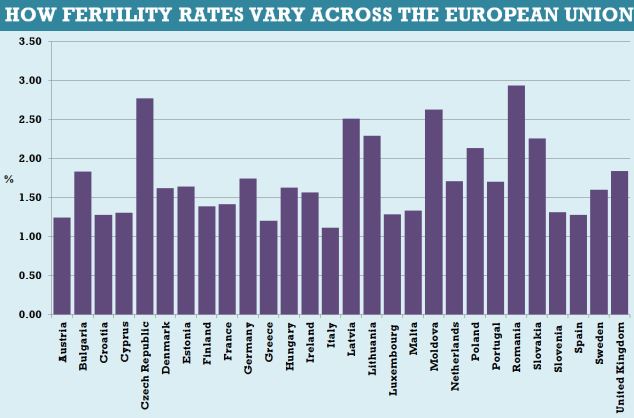

- Total fertility rate - average number of children they can expect to have - for Romanian women in England and Wales is 2.93
- Among women in Romania it is only 1.25, and 1.84 for UK-born mothers
- One in four babies is born to mothers born overseas

✨ Trying to Conceive?
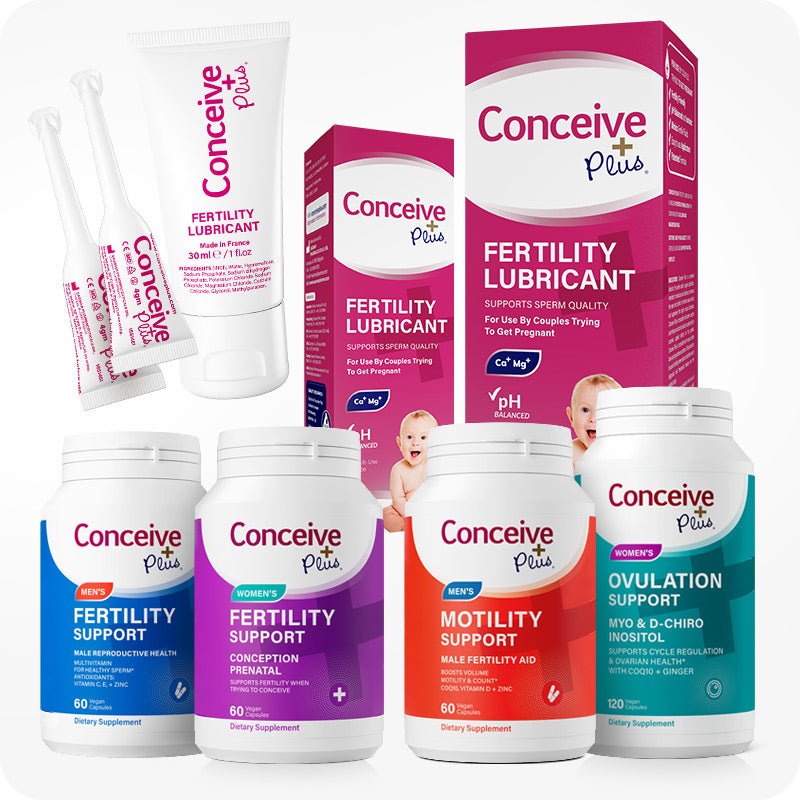
Our Ovulation & Fertility Bundle combines Myo-Inositol with essential vitamins to support healthy hormone balance and regular ovulation.
Shop Now — $55.00✓ Free shipping on orders over $40 | ✓ Trusted by millions of couples worldwide
🌱 Support Your Fertility Journey
Conceive Plus fertility supplements are clinically formulated to help regulate your cycle and support egg quality.
Shop Fertility Support →Frequently Asked Questions
Recommended by Fertility Experts
Conceive Plus Men's Fertility Support
Designed to support healthy sperm production, motility, and overall male reproductive health with clinically studied nutrients.
Shop Now →Why do migrant women have higher birth rates when moving to developed countries?
Migrant women often experience higher fertility rates in developed countries due to improved access to healthcare, better economic stability, increased family planning resources, and reduced barriers to prenatal care. Additionally, women who migrate may have different intentions regarding family planning compared to those remaining in their home countries, and economic conditions in wealthier nations may make supporting larger families more feasible.
What does total fertility rate (TFR) mean in fertility statistics?
Total fertility rate (TFR) is a demographic measure that estimates the average number of children a woman will have during her reproductive lifetime, typically calculated for women ages 15-49. It's used by demographers and healthcare providers to understand population trends and plan for healthcare resources, including fertility services and obstetric care.
How does fertility support differ between European countries and the United States?
Fertility treatment coverage and support varies significantly, with many European countries offering government-funded or subsidized IVF and fertility services, while in the US, coverage depends heavily on individual insurance plans and employer benefits. American fertility patients often face higher out-of-pocket costs, though some states mandate coverage for fertility treatments, and the FDA regulates fertility supplements and medications differently than European health agencies.
What factors should I consider when choosing a fertility supplement in the US?
When selecting fertility supplements, look for products that are third-party tested, contain evidence-based ingredients like myo-inositol or CoQ10, and avoid making unverified medical claims. Consult with your ASRM-certified fertility specialist or OB-GYN before starting any supplement regimen, as some ingredients may interact with medications or affect your specific fertility concerns.
Does insurance cover fertility treatments for migrant or immigrant couples in America?
Fertility treatment coverage depends on your specific health insurance plan and state regulations, as 19 US states currently mandate some level of fertility coverage. Immigrant couples may face additiona
How can I optimize my fertility naturally before pursuing advanced treatments?
Basic fertility optimization includes maintaining a healthy BMI, managing stress, avoiding smoking and excess alcohol, ensuring adequate sleep, and eating a nutrient-rich diet with prenatal vitamins containing folic acid. Fertility supplements containing ingredients like myo-inositol, vitamin D, and CoQ10 may support hormonal balance and egg quality, though these should complement—not replace—medical evaluation by a fertility specialist.
When should I see a fertility specialist in the United States?
The American Society for Reproductive Medicine (ASRM) recommends seeing a fertility specialist if you're under 35 and have been trying to conceive for 12 months, over 35 and trying for 6 months, or if you have known fertility issues such as irregular cycles or endometriosis. Early evaluation can identify treatable conditions and help you understand your options for conception planning.
Trusted by Couples in Over 70 Countries
Support Male Fertility From the Inside Out
Male fertility is just as important as female fertility in the conception journey. Conceive Plus Men's range delivers targeted nutritional support to promote healthy sperm and overall reproductive wellbeing.
Shop Men's Range →