When Will I Get Pregnant Prediction: A Simple Guide for Women

Curious about when you might get pregnant? You’re not alone — it's something many women think about. A question that often comes up is, "when will I get pregnant prediction?"
To find the answer, you first need to understand how your body works. Your reproductive cycle or menstrual cycle follows a pattern, and once you learn to track it, you can spot your most fertile days [1]. After identifying when you ovulate and when your fertility window is, you can estimate when you might get pregnant.

How to Track Your Fertility Window?
Your fertility window is the time during your menstrual cycle when you have the highest chance of getting pregnant. A sperm can survive in the female body for five days, while a female egg is short-lived — typically viable for only 12 to 24 hours [2].
Thus, the fertility window for a woman with an average cycle of 28 days usually lasts about six days, starting five days before ovulation and ending on the day of ovulation.
Ovulation is when one of the two ovaries releases a mature egg ready for fertilization [3]. It is a key event in the menstrual cycle for those planning to conceive and typically happens around the middle of the cycle. For example, if you have a 28-day cycle, you will most likely experience ovulation on day 14. Tracking your cycle with an ovulation calculator can help you identify your ovulation day and fertile days around it.
When Can I Get Pregnant?
Women constantly trying to conceive often ask, when will I become pregnant prediction? You have the best chance of getting pregnant when you have sex during your fertility window. Sperm can live inside the female body for up to five days, so having sex before ovulation can increase the chances of the sperm meeting the egg [2].
After ovulation, the egg is only available for fertilization for about 12 to 24 hours. That short window means timing is important. This is why when trying to conceive, you must plan intimate moments during your fertile days for success.
Early Signs of Pregnancy
When a male sperm successfully fertilizes a female egg and the fertilized egg implants into the uterus, pregnancy begins. The first signs of pregnancy might start to show a few days to a week after implantation. The most common early sign is a missed period. Other signs include mild cramping or spotting, tender breasts, fatigue, and sometimes nausea or food aversions.
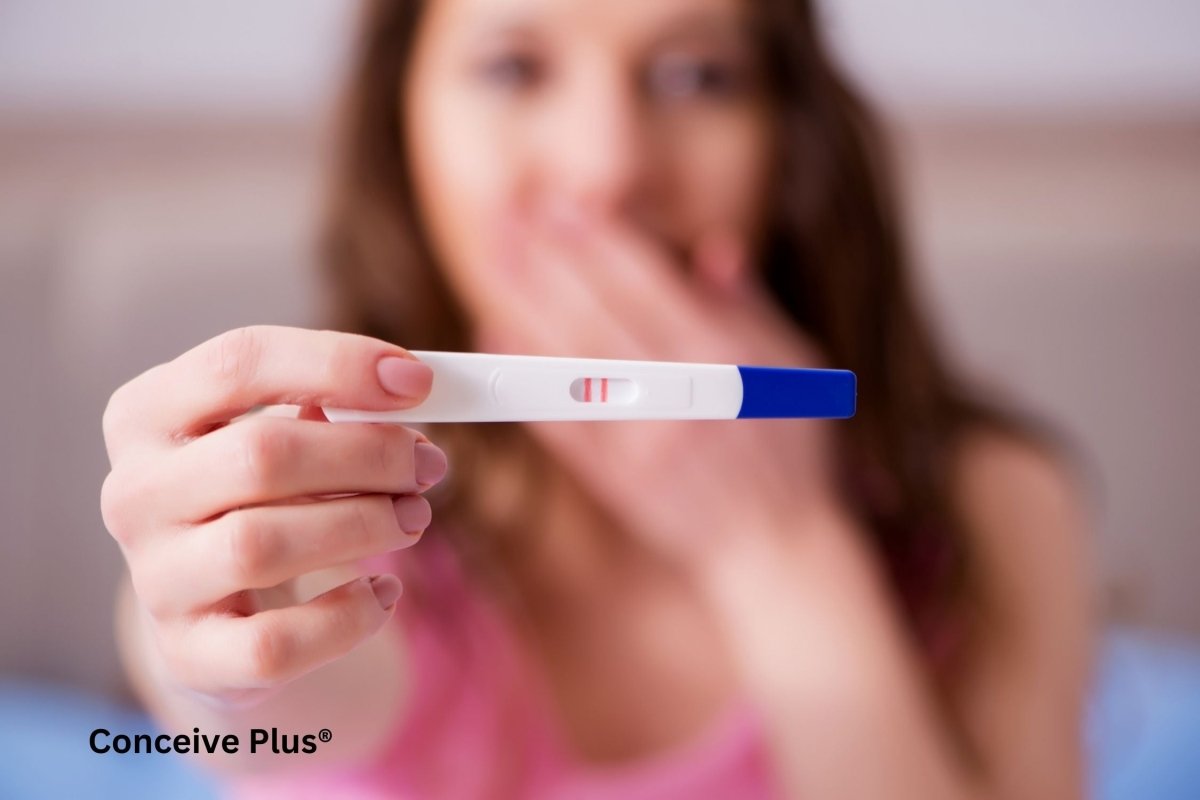
Keep in mind that these signs can vary from person to person. If you suspect you might be pregnant, taking a home pregnancy test about a week after your missed period can help clear doubts and confirm pregnancy.

✨ Trying to Conceive?
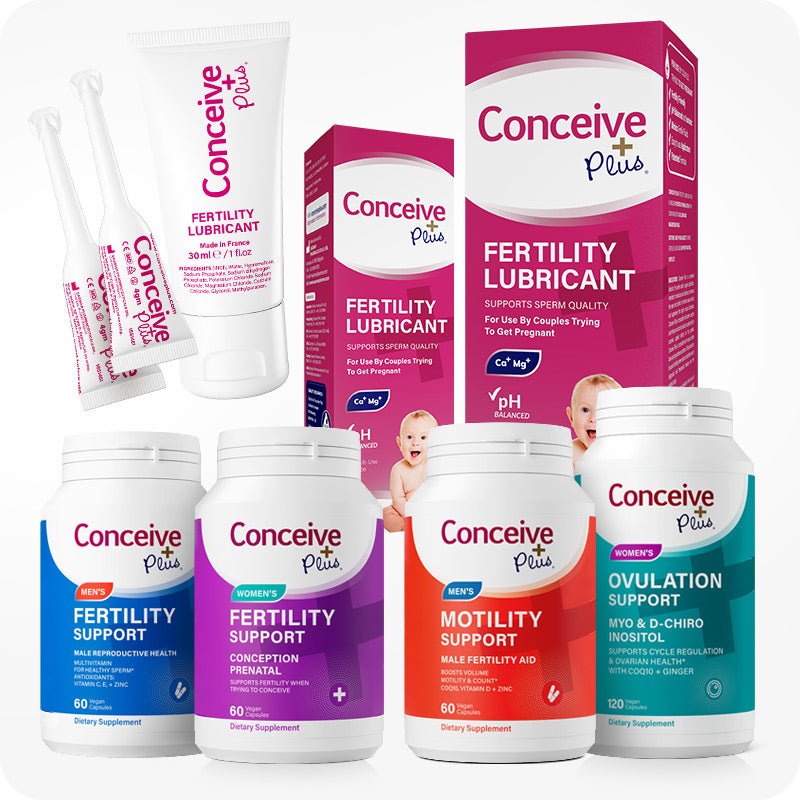
Our Ovulation & Fertility Bundle combines Myo-Inositol with essential vitamins to support healthy hormone balance and regular ovulation.
Shop Now — $55.00✓ Free shipping on orders over $40 | ✓ Trusted by millions of couples worldwide

Factors That May Affect Your Chances of Getting Pregnant
Planning intercourse within the fertility window is just one factor in determining your chances of conception. Several other factors can also influence a woman's chances of achieving conception, which include:
Health Conditions
Certain health issues, like polycystic ovary syndrome (PCOS) or thyroid disorders, can disrupt your cycle and make it harder to predict your fertile window [4]. Managing these conditions with proper medical treatment and guidance from your healthcare provider can improve your chances.
Lifestyle Factors
Your lifestyle plays a big role in your body functioning, including fertility and chances of conception. Excessive stress, a poor diet, and lack of exercise can all affect hormone levels. Keeping a balanced diet, getting regular exercise, and finding ways to manage stress can help regulate your cycle.
Age
Fertility naturally declines with age in both men and women. However, for women, this decline becomes more noticeable as they approach menopause, which typically marks the end of the reproductive years. Women in their 20s and early 30s generally have a higher chance of getting pregnant compared to those in their late 30s or beyond. If you’re planning to start a family, it’s good to be aware of this timeline.
Weight and Nutrition
Both underweight and overweight conditions can interfere with hormone balance and, as a result, fertility health. Maintaining a healthy weight and getting adequate nutrition can support a regular cycle and improve fertility.

Can Fertility Supplements Help Achieve Conception?
Nutrition plays a key role in supporting female reproductive functioning and overall fertility health [5]. Women facing fertility challenges are often advised to take fertility supplements to help meet their nutritional needs.
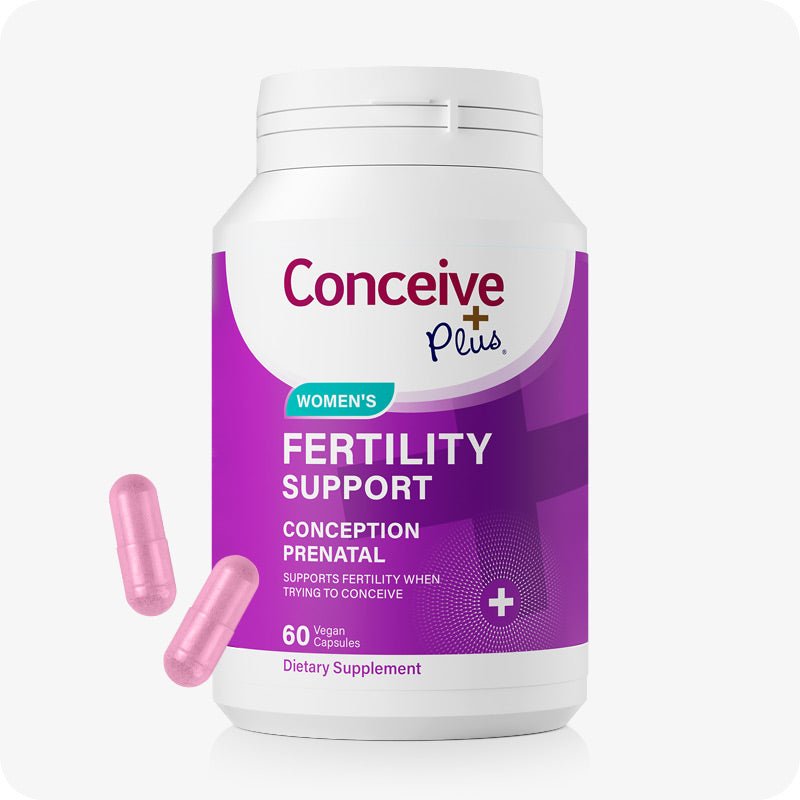
Fertility supplements like Women’s Fertility Support by Conceive Plus contain essential nutrients — such as vitamin D, folate, iron, magnesium, calcium, iodine, and zinc — that are scientifically proven to support female fertility and boost chances of conceiving [5].
The Bottom Line
Getting pregnant depends on many factors, but knowing your fertile window and tracking your cycle can make things clearer. While there’s no way a woman can accurately predict when will I get pregnant prediction or when will I become pregnant prediction, understanding your body gives you the closest possible answer.
Tools like ovulation trackers and fertility calculators make it easier to plan your pregnancy and boost your chances. If you fail to conceive in initial attempts, there is nothing to panic — it’s completely normal for it to take a few tries. In the meantime, focusing on healthy eating and simple lifestyle changes can really support your body and help things along naturally.
FAQs
-
Will I conceive this year?
If you’re tracking your ovulation and trying during your most fertile days, you can definitely conceive within the year. Staying healthy, eating well, and understanding your cycle can also improve your chances.
-
What are the ways to detect ovulation?
You can track ovulation with the help of signs like a rise in body temperature, clear stretchy cervical mucus, and mild cramping or bloating. Also, you can use ovulation predictor kits or fertility apps to get more accurate results.
Resources Used
- Thiyagarajan, D. K., Basit, H., & Jeanmonod, R. (2024, September 27). Physiology, menstrual cycle. StatPearls - NCBI Bookshelf. https://www.ncbi.nlm.nih.gov/books/NBK500020/
- Pregnancy - identifying fertile days: MedlinePlus Medical Encyclopedia. (n.d.-b). https://medlineplus.gov/ency/article/007015.htm
- Holesh, J. E., Bass, A. N., & Lord, M. (2023b, May 1). Physiology, ovulation. StatPearls - NCBI Bookshelf. https://www.ncbi.nlm.nih.gov/books/NBK441996/
- Palomba, S., Colombo, C., Busnelli, A., Caserta, D., & Vitale, G. (2023). Polycystic ovary syndrome and thyroid disorder: a comprehensive narrative review of the literature. Frontiers in Endocrinology, 14. https://doi.org/10.3389/fendo.2023.1251866
- Skoracka, K., Ratajczak, A. E., Rychter, A. M., Dobrowolska, A., & Krela-Kaźmierczak, I. (2021). Female Fertility and the Nutritional Approach: The Most Essential Aspects. Advances in Nutrition, 12(6), 2372. https://doi.org/10.1093/advances/nmab068
🌱 Support Your Fertility Journey
Conceive Plus fertility supplements are clinically formulated to help regulate your cycle and support egg quality.
Shop Fertility Support →Frequently Asked Questions
Recommended by Fertility Experts
Conceive Plus Men's Fertility Support
Designed to support healthy sperm production, motility, and overall male reproductive health with clinically studied nutrients.
Shop Now →Q: How do you know when to get pregnant?
A: Knowing when to get pregnant starts with understanding your menstrual cycle and identifying your fertile window — typically the 5 days before ovulation and the day of ovulation itself. According to the American Society for Reproductive Medicine (ASRM), timing intercourse during this window significantly increases your chances of conception, with fertility being highest 2-3 days before ovulation. You can track your cycle using methods like monitoring basal body temperature, cervical mucus changes, or using ovulation predictor kits available at most US pharmacies. Once you've identified your ovulation date, you'll know your optimal conception window. Supporting your reproductive health during this time with proper nutrition and prenatal vitamins like Conceive Plus can help prepare your body for pregnancy.
Q: How to figure out when to get pregnant?
A: To figure out when to get pregnant, start by tracking your menstrual cycle for 2-3 months to establish a pattern and predict ovulation. The average menstrual cycle is 28 days, but normal cycles range from 21-35 days according to the FDA and ASRM guidelines. If your cycle is regular, ovulation typically occurs 14 days before your next period starts, making this your peak fertility window. You can also use ovulation predictor kits that detect the luteinizing hormone (LH) surge, which occurs 24-36 hours before ovulation. Many fertility apps approved by health organizations can help you log symptoms and predict your most fertile days accurately.
Q: How to know when will I get pregnant?
A: While you cannot predict pregnancy with certainty until after conception occurs, you can increase your likelihood by timing intercourse during your fertile window — the 5 days leading up to and including ovulation day. Studies show that approximately 85% of couples under 35 who have regular intercourse will conceive within one year, according to US fertility statistics from the Centers for Disease Control (CDC). Factors affecting conception timing include cycle regularity, partner fertility, age (fertility declines after age 35), and overall reproductive health. To optimize your chances, maintain a healthy lifestyle, track your ovulation, and consider consulting with a reproductive endocrinologist if you've been trying for over one year. Pairing fertility awareness with proper nutrition and supplementation, like Conceive Plus, can support your body's natural conception process.
Q: How to predict pregnancy before a missed period?
A: You cannot reliably predict pregnancy before a missed period through cycle tracking — pregnancy tests only detect human chorionic gonadotropin (hCG) after implantation, which typically occurs 6-12 days after ovulation. However, some women notice early signs like breast tenderness, mild cramping, or mood changes about 3-4 days after ovulation, though these symptoms are not definitive pregnancy indicators. The most accurate way to confirm pregnancy is through a home urine test or blood test ordered by your healthcare provider at least 14 days after ovulation. If you've had intercourse during your fertile window, maintaining healthy habits and taking prenatal vitamins with folic acid — found in Conceive Plus — supports early pregnancy development. For the most reliable confirmation, wait until after your missed period to test or contact your OB-GYN.
Q: What is the best way to track when you ovulate?
A: The best ways to track ovulation include monitoring basal body temperature (BBT), observing cervical mucus changes, using ovulation predictor kits, or using fertility tracking apps — many healthcare providers recommend combining multiple methods for accuracy. Ovulation predictor kits detect the LH surge and are available over-the-counter at US pharmacies; they're approximately 99% accurate at detecting the surge but not the exact ovulation time. Basal body temperature rises 0.4-1.0 degrees Fahrenheit after ovulation, helping confirm it occurred, though this method is better for identifying patterns over time. According to ASRM, cervical mucus becomes clear, stretchy, and slippery during peak fertility, providing a natural biological indicator. For comprehensive fertility tracking, combine these methods with cycle-tracking apps and discuss your personalized ovulation prediction plan with your healthcare provider to optimize timing and overall reproductive health.
Trusted by Couples in Over 70 Countries
Support Male Fertility From the Inside Out
Male fertility is just as important as female fertility in the conception journey. Conceive Plus Men's range delivers targeted nutritional support to promote healthy sperm and overall reproductive wellbeing.
Shop Men's Range →