Which Round Can Make a Woman Pregnant? A Strategic Look at Fertile Timing


Although which round can make a woman pregnant may sound like a casual bedroom question, for many the answer hinges on the precise timing of ovulation and sperm survival. Each menstrual cycle offers only a limited window when fertilization can occur, yet cultural myths often blur this simple reality. By unpacking the science behind fertile days, sperm resilience, and sexual frequency, couples can replace guesswork with strategy and improve their odds of conceiving without turning intimacy into a chore. The following sections translate current reproductive research into clear, actionable guidance that respects both biology and relationship wellbeing.

Timing Is Everything
Pregnancy becomes possible only when a live sperm cell reaches an egg that has recently left the ovary. The egg remains viable for roughly twenty‑four hours, whereas healthy sperm can wait in the female reproductive tract for up to five days. This overlap creates a fertile window spanning the five days before ovulation and the day after it. Intercourse during the two days immediately preceding ovulation yields the highest conception rates because sperm are already positioned in the fallopian tubes when the egg arrives. Missing this window dramatically lowers the chances that any particular sexual encounter will result in pregnancy, no matter how enthusiastic the effort [1].
Supporting Sperm Longevity
Because sperm longevity is finite, lifestyle choices that protect DNA integrity and motility indirectly extend the window of opportunity. Adequate hydration, antioxidant‑rich foods, and regular ejaculation every two to three days help maintain a fresh supply of robust swimmers. Heat exposure from hot tubs or tight clothing, smoking, excessive alcohol, and unmanaged stress shorten sperm lifespan, effectively narrowing the fertile window. Even when ejaculation occurs outside the ideal timeframe, lingering sperm may still fertilize an egg if ovulation happens later than predicted. Couples using ovulation predictor kits should therefore continue intercourse for a day or two after the luteinizing‑hormone surge to hedge against cycle variability [2].
If you're curious about how much sperm does it take to get pregnant and want to delve into the specifics behind conception rates, be sure to check out our article "How Much Sperm Does It Take to Get Pregnant?" for an in‑depth exploration.


✨ Trying to Conceive?
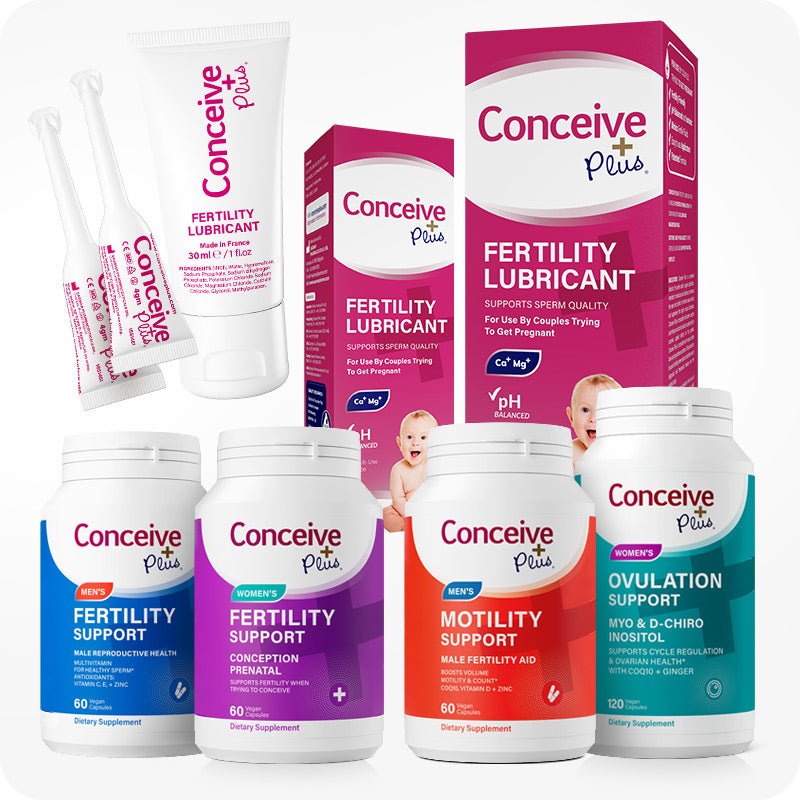
Our Ovulation & Fertility Bundle combines Myo-Inositol with essential vitamins to support healthy hormone balance and regular ovulation.
Shop Now — $55.00✓ Free shipping on orders over $40 | ✓ Trusted by millions of couples worldwide
Debunking Frequency Myths
Frequency often sparks debate. Some partners worry that daily intercourse will deplete sperm counts, while others fear that waiting reduces chances. Large cohort studies reveal that daily intimacy during the fertile window produces slightly higher conception rates than intercourse every other day, with no clinically significant decline in sperm concentration. Outside that window, additional rounds add emotional closeness but do not influence pregnancy odds. When people ask how many times can a woman get pregnant in a single cycle, biology supplies a sober answer: only once, because the hormonal shift that follows successful fertilization prevents further ovulation until after birth or pregnancy loss [3].
Tools and Lifestyle for Success
Translating science into practice begins with pinpointing ovulation. Basal‑body‑temperature charting detects the post‑ovulatory thermal rise, while cervical mucus that turns clear, stretchy, and egg‑white in consistency signals peak fertility. Digital apps that combine luteinizing‑hormone testing with wearable temperature sensors further refine predictions. Couples aiming for conception should plan intercourse once per day starting two days before the expected surge and continuing through the day after. Maintaining general health—balanced diet, moderate exercise, sufficient sleep, and limited caffeine—supports hormonal harmony for both partners, ensuring that each round has the best biological backdrop for success [4].
If you're intrigued by how traditional old wives tales to get pregnant stack up against modern fertility insights, be sure to check out our article "Old Wives Tales to Get Pregnant: Exploring Fertility Myths and Traditional Tips for Conception" for a fascinating deep dive.

The Bottom Line
Ultimately, which round can make a woman pregnant is the one that lands within the fertile window, aligns with peak sperm vitality, and occurs before the egg’s brief viability expires. Focusing on timing rather than counting encounters turns the question from roulette into calculated probability. By tracking ovulation, safeguarding sperm health, and sustaining mutual enjoyment, couples can transform well‑timed intimacy into a growing family while keeping stress at bay. Professional guidance becomes valuable if conception eludes couples after months.
References
- Pascual ZN, Langaker MD. Physiology, Pregnancy. [Updated 2023 May 16]. In: StatPearls [Internet]. Treasure Island (FL): StatPearls Publishing; 2025 Jan-. Available from: https://www.ncbi.nlm.nih.gov/books/NBK559304/
- Jensen TK, Jacobsen R, Christensen K, Nielsen NC, Bostofte E. Good semen quality and life expectancy: a cohort study of 43,277 men. Am J Epidemiol. 2009 Sep 1;170(5):559-65. doi: 10.1093/aje/kwp168. Epub 2009 Jul 27. Erratum in: Am J Epidemiol. 2009 Dec 1;170(11):1453. PMID: 19635736.
- Jensen TK, Andersson AM, Jørgensen N, Andersen AG, Carlsen E, Petersen JH, Skakkebaek NE. Body mass index in relation to semen quality and reproductive hormones among 1,558 Danish men. Fertil Steril. 2004 Oct;82(4):863-70. doi: 10.1016/j.fertnstert.2004.03.056. PMID: 15482761.
- Bagherzadeh R, Gharibi T, Safavi B, Mohammadi SZ, Karami F, Keshavarz S. Pregnancy; an opportunity to return to a healthy lifestyle: a qualitative study. BMC Pregnancy Childbirth. 2021 Nov 5;21(1):751. doi: 10.1186/s12884-021-04213-6. PMID: 34740317; PMCID: PMC8569967.
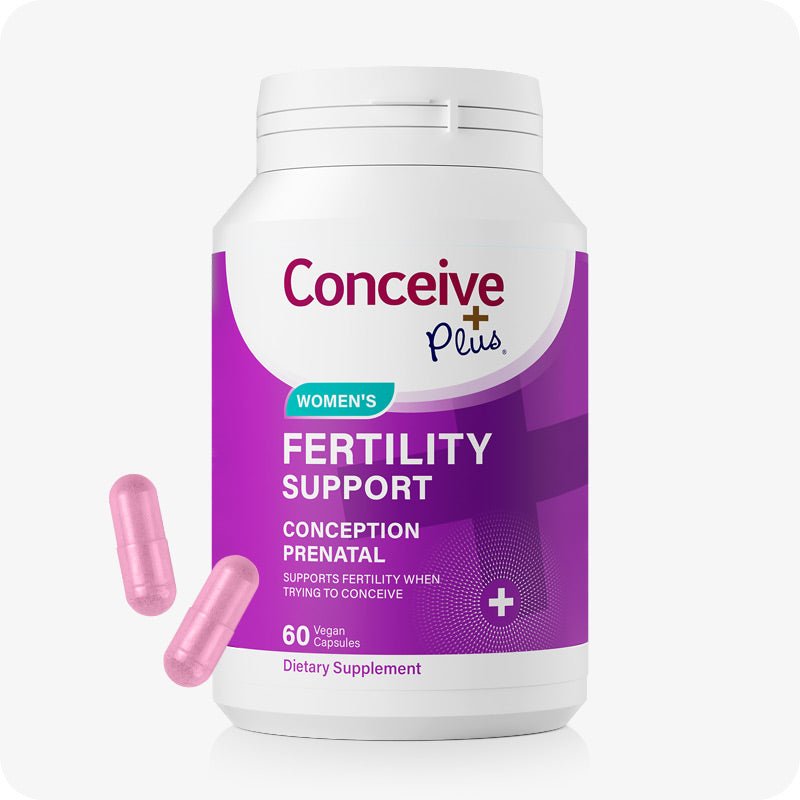
🌱 Support Your Fertility Journey
Conceive Plus fertility supplements are clinically formulated to help regulate your cycle and support egg quality.
Shop Fertility Support →Frequently Asked Questions
Recommended by Fertility Experts
Conceive Plus Men's Fertility Support
Designed to support healthy sperm production, motility, and overall male reproductive health with clinically studied nutrients.
Shop Now →Q: Can a girl get pregnant with one round?
A: Yes, pregnancy can occur from a single act of intercourse if timing aligns with ovulation. According to the American Society for Reproductive Medicine (ASRM), a single ejaculation contains approximately 15-200 million sperm, and only one is needed to fertilize an egg. However, the probability depends entirely on where you are in your menstrual cycle—conception is only possible during the fertile window, which typically spans 5 days before ovulation through ovulation day itself. If intercourse occurs outside this window, pregnancy cannot result regardless of how many rounds occur.
Q: Can the fourth round sperms make a woman pregnant?
A: Sperm from any round of intercourse can theoretically cause pregnancy, but fertility decreases with each successive ejaculation due to declining sperm count and motility. Research shows that sperm concentration may drop by 20-30% with repeated ejaculations within a short timeframe, affecting overall fertility potential. That said, even reduced sperm counts from later rounds can still achieve pregnancy if the fertile window is active and sperm quality remains viable. For couples timing intercourse around ovulation, spacing out sessions by 24-48 hours allows sperm reserves to replenish for optimal fertility.
Q: What type of sperm get a woman pregnant?
A: Only one healthy sperm cell needs to successfully penetrate and fertilize a woman's egg to result in pregnancy. Healthy, motile sperm (those that swim efficiently) are far more likely to reach the egg than slower-moving or abnormal sperm, which is why sperm quality matters significantly for conception. The American Urological Association notes that normal semen should contain at least 15 million sperm per milliliter, with at least 40% showing progressive forward movement. Factors like diet, supplementation with key nutrients, stress reduction, and avoiding heat exposure can all support sperm health—and products like Conceive Plus are formulated to support the reproductive environment for both partners.
Q: How many times should you have intercourse to get pregnant?
A: Research from ASRM suggests that couples trying to conceive should have intercourse every 2-3 days throughout the month, or daily during the 5-day fertile window for optimal chances. US fertility statistics show that regular intercourse during the fertile window increases monthly conception rates to approximately 20-25% for couples under 35 with normal fertility. Overfocusing on frequency can create stress and actually reduce intimacy, so many fertility experts recommend identifying your ovulation day through tracking methods and timing intercourse strategically rather than obsessively. The key is consistency during fertile days rather than exhaustion from excessive frequency.
Q: How do I know which days I can get pregnant?
A: A woman can only become pregnant during her fertile window—typically 5 days before ovulation and the day of ovulation itself—making accurate timing essential for conception planning. The average menstrual cycle is 28 days with ovulation occurring around day 14, but cycles vary widely from 21-35 days, requiring personalized tracking methods. Ovulation prediction tools such as ovulation predictor kits (which detect the LH surge), basal body temperature tracking, cervical mucus monitoring, or fertility apps can help pinpoint your fertile window with reasonable accuracy. For the most precise identification, ultrasound monitoring through a fertility clinic remains the gold standard, though home tracking methods work well for most couples trying to conceive naturally.
Trusted by Couples in Over 70 Countries
Support Male Fertility From the Inside Out
Male fertility is just as important as female fertility in the conception journey. Conceive Plus Men's range delivers targeted nutritional support to promote healthy sperm and overall reproductive wellbeing.
Shop Men's Range →