Your product actually does work
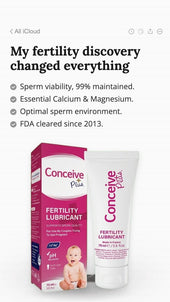
Dear SasmarI had to contact you because I think your produce actually does work! I'm sorry if that sounds flippant, but after 7 yrs of male infertlity factor we've spent a fortune on 'remedies'.I'm also 41 and have an 8 yr old daughter, who was conceived with no problems. We've also had three failed IVFs, acupuncture, herbal 'stuff'' etc....nothing worked.Anyway, I bought your product by chance as it was on the chemist's counter...started using it and bang! After two months I was pregnant! Unfortunately I had a 7 week miscarriage. We still kept on using it over the 5 or so months after that and amazingly, I'm pregnant again!!It has to be your product as that's the only thing over the last 6 months that we've done differently.So thank you so much!! Please pass my thanks on to the scientists??? product developers?? I have already posted your info on the British BabyWorld site/infertility forum and will be telling ANYONE with male infertility issues about your product.Keep you fingers crossed for us this time and thank you, again.RegardsLisa
Frequently Asked Questions
Recommended by Fertility Experts
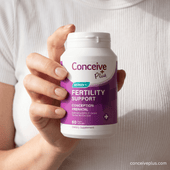
Conceive Plus Men's Fertility Support
Designed to support healthy sperm production, motility, and overall male reproductive health with clinically studied nutrients.
Shop Now →Can fertility supplements really help with male infertility factor?
While some supplements may support male reproductive health, individual results vary significantly. It's important to consult with a fertility specialist or urologist to identify the specific cause of male infertility and discuss whether supplements should complement other treatments like medication or lifestyle changes. The FDA does not regulate supplements as strictly as medications, so look for products tested by third-party organizations and backed by clinical evidence.
How long does it typically take to see results from fertility supplements?
Most fertility supplements require consistent use for at least 2-3 months before potential improvements, as this aligns with the male sperm production cycle (approximately 74 days). However, results are highly individual and depend on the underlying cause of infertility and overall health factors. Always follow the product's recommended dosage and consult your healthcare provider about realistic timelines for your specific situation.
Should I use fertility supplements alongside fertility treatments like IVF?
Before combining supplements with any fertility treatment, including IVF, discuss your plans with your reproductive endocrinologist or fertility clinic. Some supplements may interact with fertility medications or affect treatment outcomes, and your clinic will want to monitor all substances you're taking. Many fertility centers have specific guidelines about supplement use during active treatment cycles.
Are fertility supplements covered by insurance in the United States?
Most fertility supplements are not covered by health insurance as they are classified as over-the-counter dietary supplements rather than prescription medications. However, some insurance plans may cover related fertility treatments or consultations with specialists who can recommend appropriate supplements. Check your specific plan's coverage and speak with your insurance provider about what fertility-related costs may be reimbursable.
What should I look for when choosing a fertility supplement for male infertility?
Look for supplements that have been third-party tested by organizations like USP, NSF, or ConsumerLab to verify quality and ingredients. Check for clinical evidence supporting the specific ingredients, and consult the American Society for Reproductive Medicine (ASRM) guidelines or your fertility specialist for recommendations. Avoid products making unrealistic claims about cure rates, and always inform your healthcare provider about any supplements you're considering.
What is the success rate of fertility supplements for couples with male infertility?
Success rates for fertility supplements vary widely based on individual factors, the specific cause of infertility, and overall health. While some men may see improvements in sperm quality with certain supplements, others may see no benefit—which is why they work best as part of a comprehensive treatment plan rather than standalone solutions. Your fertility specialist can discuss realistic expectations and recommend evidence-based options suited to your specific diagnosis.
Can I use fertility supplements if I've already had failed IVF cycles?
Yes, many couples continue exploring supplements after unsuccessful IVF cycles, but timing and selection matter significantly. Discuss with your fertility clinic whether additional cycles should include supplement use and which products have evidence supporting their use. Your reproductive endocrinologist may recommend genetic testing or additional diagnostics to identify why previous cycles failed before adding new supplements.
Trusted by Couples in Over 70 Countries
Support Male Fertility From the Inside Out
Male fertility is just as important as female fertility in the conception journey. Conceive Plus Men's range delivers targeted nutritional support to promote healthy sperm and overall reproductive wellbeing.
Shop Men's Range →