The Benefits of Whole Food Prenatal Vitamins for Mom and Baby
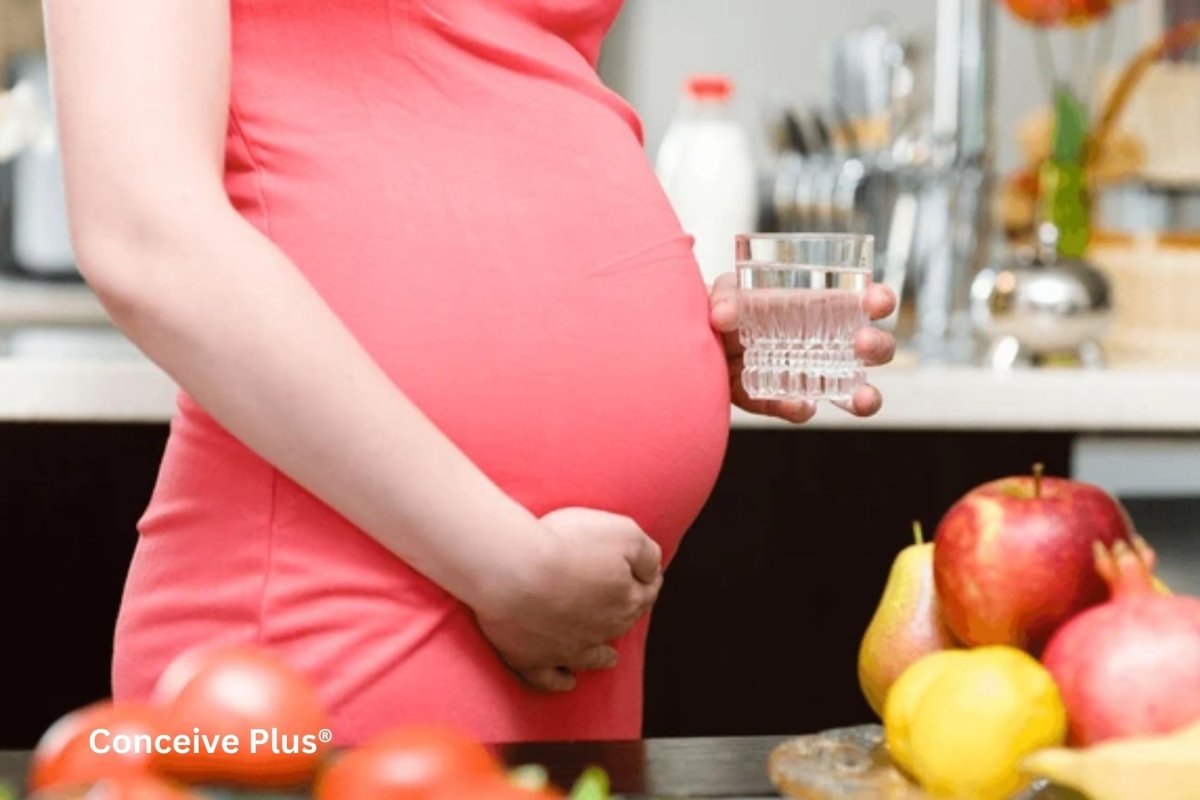

When you're planning to have a baby or already expecting, one of the most important things is nutrition. Your body needs extra care and nourishment to support both you and your little one. This is where whole food prenatal vitamins come into play. These supplements, made from natural food sources, are a fantastic way to make sure you're getting all the essential nutrients for pregnancy. Let’s talk about why whole food prenatal vitamins are such a good choice.

What Makes Whole Food Prenatal Vitamins Stand Out?
So, what’s the deal with whole food prenatal vitamins? Unlike synthetic ones that are made in labs, these vitamins are crafted from real food. Yep, actual fruits, veggies, and other natural ingredients. The idea is simple: your body recognizes nutrients in their natural form better than it does synthetic ones. That means they’re absorbed more effectively [1].
Synthetic vitamins often include isolated nutrients that lack the extra goodies you get from real food, like enzymes and antioxidants. Whole food options? They’re more complete. Plus, they usually don’t have the unnecessary stuff like artificial preservatives or fillers.
How Do Whole Food Prenatal Vitamins Help with Fertility?
Trying to get pregnant can be a stressful time. But proper nutrition? It can make a big difference. Certain nutrients in whole food prenatal vitamins are specifically great for fertility. Take Myo-Inositol and D-Chiro Inositol, for example. These work wonders for hormonal balance and improving ovulation, especially if you have PCOS (polycystic ovary syndrome). They help regulate your cycle, making it easier to predict when you’re ovulating.
CoQ10 is another ingredient that’s super helpful. It’s an antioxidant that protects eggs from oxidative damage. Healthier eggs mean a higher chance of conception. And it’s not just for women—ingredients like zinc and selenium in these supplements can improve sperm quality and motility for men. Fertility is a team effort, after all [2].

Why Pregnant Moms Need These Nutrients
Pregnancy puts a lot of extra demands on your body, so you need more nutrients than usual. Whole food prenatal vitamins are packed with everything you and your baby need. Folate is a big one. Not to be confused with synthetic folic acid, folate is the natural form of vitamin B9. It’s crucial for preventing neural tube defects and supporting cell growth. Whole food vitamins often use folate, which is better absorbed by your body [3].
Iron is another key nutrient during pregnancy. It helps prevent anemia by boosting oxygen supply for you and your baby. Calcium and magnesium are essential for bone development—both yours and your baby’s. And then there’s DHA, an omega-3 fatty acid that’s vital for your baby’s brain and eye development. Seriously, it’s like brain food for your little one [4].

✨ Start Your Prenatal Care Today
Our Prenatal Vitamins with DHA, Choline & Folate provide the essential nutrients you and your baby need for a healthy start.
Shop Now — $34.95✓ Free shipping on orders over $40 | ✓ Trusted by millions of couples worldwide
Along with essential nutrients like folate and iron, understanding what is prenatal DHA and its role in supporting brain and eye development can help expecting mothers make informed choices about their prenatal nutrition.
Even vitamins like C and E, which are antioxidants, play a role. They protect your cells from damage, which is super important when your body’s working overtime.
Why They’re Easier on Your Stomach
Let’s be real, pregnancy nausea is no joke. It can make even the simplest tasks feel impossible, let alone swallowing a vitamin. One of the best things about whole food prenatal vitamins is how gentle they are on your stomach. Synthetic vitamins can sometimes cause nausea or digestive discomfort. Whole food options? Not so much.
Because they’re made from real food, they’re easier to digest. Plus, they’re less likely to have artificial additives, which can sometimes be the culprit behind stomach troubles. If morning sickness is hitting you hard, these vitamins could be a lifesaver [5].
Long-Term Benefits Beyond Pregnancy
The perks of taking whole food prenatal vitamins don’t stop when your baby arrives. These nutrients continue to support you during postpartum recovery and even while breastfeeding. After giving birth, your body needs time to replenish itself, and these supplements can help with that.
For your baby, the benefits of good nutrition during pregnancy can last a lifetime. Nutrients like DHA and choline are linked to better brain development, which can have long-term effects on learning and memory. You’re not just supporting your baby’s growth now—you’re laying the foundation for their future health [6].

Choosing the Right Whole Food Prenatal Vitamins
Picking the right prenatal vitamin can feel overwhelming with so many options out there. Here’s a tip: look for ones that have folate instead of folic acid. It’s just better for your body. Make sure they also have iron, calcium, magnesium, and DHA. And if you can, go for organic or non-GMO options. It’s always nice to know you’re not putting anything unnecessary into your body. For those looking for a well-rounded supplement that meets all essential pregnancy needs, a prenatal complete formula can provide balanced nutrition, ensuring both mom and baby get the necessary vitamins and minerals throughout pregnancy and beyond.
The Bottom Line
Taking care of your nutrition during pregnancy is one of the best things you can do for your baby—and yourself. Whole food prenatal and whole food prenatal vitamins offer a natural, effective way to meet your body’s increased needs. With better absorption, fewer side effects, and all the right nutrients, they’re a choice you won’t regret. Whether you’re trying to conceive or already pregnant, these vitamins can help you every step of the way.
FAQs
Are whole food prenatal vitamins better than synthetic ones?
Yes, they’re easier for your body to absorb and don’t have artificial fillers or preservatives.
Can these vitamins help me get pregnant?
Absolutely. Nutrients like Myo-Inositol, CoQ10, and folate can boost fertility and improve reproductive health.
Are they safe to take during pregnancy?
Yes, they’re designed specifically for pregnancy and are generally gentler on the stomach than synthetic options.
When should I start taking prenatal vitamins?
Ideally, start a few months before trying to conceive and continue through pregnancy and breastfeeding.
Do I still need these if I eat a healthy diet?
Even with a great diet, it’s hard to get everything you need. These vitamins fill in the gaps.
Citations
- GreenPeach. (2024). Whole Foods vs. Synthetic: Why Choose Whole Foods Prenatal Supplements? Available at: https://greenpeach.com/blogs/supplements-nutrition/whole-foods-vs-synthetic-why-choose-whole-foods-prenatal-supplements?srsltid=AfmBOop3eDex3vcguUdYz-Wjv9zFOI2_XyuCwwwkxjCMu9PPT4Otl7J5
- Showell, M. G., Mackenzie-Proctor, R., Brown, J., Yazdani, A., Stankiewicz, M. T., & Hart, R. J. (2014). Antioxidants for male subfertility. The Cochrane database of systematic reviews. Available at: https://pubmed.ncbi.nlm.nih.gov/25504418/
- Bailey, R. L., Dodd, K. W., Gahche, J. J., Dwyer, J. T., McDowell, M. A., Yetley, E. A., Sempos, C. A., Burt, V. L., Radimer, K. L., & Picciano, M. F. (2010). Total folate and folic acid intake from foods and dietary supplements in the United States: 2003-2006. The American journal of clinical nutrition. Available at: https://pubmed.ncbi.nlm.nih.gov/19923379/
- Institute of Medicine (US) Committee to Review Dietary Reference Intakes for Vitamin D and Calcium; Ross AC, Taylor CL, Yaktine AL, et al., editors. Dietary Reference Intakes for Calcium and Vitamin D. Washington (DC): National Academies Press. Available at: https://www.ncbi.nlm.nih.gov/books/NBK56070/
- The Kind Life. (2023). Prenatal Vitamins: Why a Whole Food Option May Be the Best Choice for You and Your Baby. Available at: https://thekindlife.com/prenatal-vitamins-whole-food-health/
- Carlson, S. E., Colombo, J., Gajewski, B. J., Gustafson, K. M., Mundy, D., Yeast, J., Georgieff, M. K., Markley, L. A., Kerling, E. H., & Shaddy, D. J. (2013). DHA supplementation and pregnancy outcomes. The American journal of clinical nutrition. Available at: https://pubmed.ncbi.nlm.nih.gov/23426033/
🌱 Everything You and Baby Need
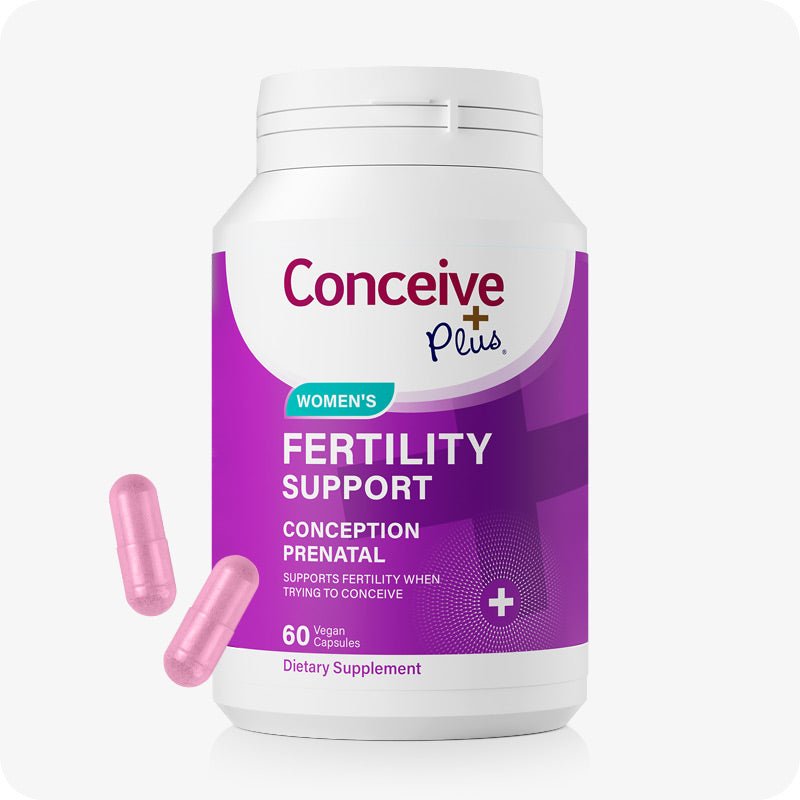
Conceive Plus Prenatal Vitamins are formulated with DHA for brain development and Folate for neural tube protection.
Shop Prenatal Vitamins →Frequently Asked Questions
Recommended by Fertility Experts
Conceive Plus Men's Fertility Support
Designed to support healthy sperm production, motility, and overall male reproductive health with clinically studied nutrients.
Shop Now →Q: Are whole food prenatal vitamins better than synthetic?
A: Whole food prenatal vitamins and synthetic prenatals both provide essential nutrients needed during pregnancy, but they differ in how your body processes them. Whole food prenatals are derived from real food sources, which may enhance absorption and provide additional cofactors that aid nutrient utilization. According to the American Society for Reproductive Medicine (ASRM), the key is ensuring you receive adequate amounts of critical nutrients like folic acid, iron, and calcium—whether from whole food or synthetic sources. Many women find whole food prenatals easier to digest and less likely to cause the nausea that sometimes accompanies synthetic vitamins. Ultimately, the best prenatal is the one you'll take consistently and that meets your individual nutritional needs.
Q: What is the difference between whole food prenatal vs synthetic prenatal vitamins?
A: The primary difference lies in how nutrients are sourced and processed. Synthetic prenatals are chemically manufactured in laboratories, while whole food prenatals use ingredients derived from actual foods like leafy greens, carrots, and berries. Whole food formulations typically retain natural compounds and phytonutrients alongside the key vitamins and minerals, potentially offering broader nutritional support. Synthetic prenatals, however, allow manufacturers to precisely control dosages and often cost less, making them more accessible to many families planning pregnancy. Both types must meet FDA standards for quality and potency, so the choice often comes down to personal preference, digestive tolerance, and budget.
Q: Are whole foods prenatal vitamins better absorbed by the body?
A: Research suggests that nutrients from whole food sources may be absorbed more efficiently because they contain natural binding compounds and cofactors that enhance bioavailability. When you choose a whole food prenatal vitamin like those formulated by Conceive Plus, you're getting nutrients in a form similar to how your body naturally encounters them in food. Studies published in nutritional journals indicate that whole food-based supplements may result in higher retention rates of certain nutrients compared to isolated synthetic forms. However, individual absorption varies based on factors like digestive health, metabolism, and whether you take your vitamin with food. Working with a healthcare provider can help determine which prenatal vitamin formulation works best for your body's unique absorption needs.
Q: Do whole food prenatal vitamins have all the nutrients I need during pregnancy?
A: A quality whole food prenatal vitamin should contain the essential nutrients recommended by the CDC and ASRM, including folic acid (400-800 mcg), iron (27 mg), calcium, and iodine. However, not all whole food prenatals are created equal, so it's important to check the label to ensure adequate dosing of these critical nutrients for fetal development and maternal health. Some whole food prenatals may require additional supplementation for specific nutrients like vitamin D or omega-3s, depending on your individual needs and dietary intake. Research shows that approximately 50% of pregnant women in the US don't meet their iron requirements through diet alone, making supplementation essential. Your healthcare provider can review your prenatal vitamin's nutrient profile to confirm it adequately supports your pregnancy journey.
Q: Which whole food prenatal vitamin is best for conception and pregnancy?
A: The best whole food prenatal vitamin is one that contains comprehensive micronutrients in bioavailable forms and that you'll take consistently before and throughout pregnancy. Look for prenatals that include methylfolate (a more absorbable form of folic acid), bioavailable iron, and additional supportive nutrients like CoQ10 and antioxidants. Conceive Plus offers whole food prenatal formulations specifically designed to support both conception and pregnancy health, combining real food sources with scientifically-backed nutrient profiles. The American College of Obstetricians and Gynecologists recommends starting prenatal vitamins at least one month before conception when possible. Consult with your fertility specialist or OB-GYN to select a prenatal that aligns with your health status, dietary restrictions, and conception timeline.
Trusted by Couples in Over 70 Countries
Support Male Fertility From the Inside Out
Male fertility is just as important as female fertility in the conception journey. Conceive Plus Men's range delivers targeted nutritional support to promote healthy sperm and overall reproductive wellbeing.
Shop Men's Range →