When to Stop Taking Prenatal Vitamins and Why Timing Matters


Prenatal vitamins are super important during pregnancy and even before you conceive. These small pills are packed with nutrients your body needs to support a healthy pregnancy and the growth of your baby. But a big question often arises: when to stop taking prenatal vitamins? While it may seem simple, the answer depends on several factors. Let’s break it down into what really matters.

Why Prenatal Vitamins Are a Must
Pregnancy puts a lot of demand on your body. Prenatal vitamins are there to make sure you’re getting everything you need, especially if your diet isn’t always perfect (which is totally normal).
- Folic acid is a key nutrient. It helps prevent birth defects in your baby’s brain and spine.
- Iron supports oxygen transport and can prevent anemia, a common issue during pregnancy.
- Vitamin D and calcium work together to build strong bones and teeth for both you and your little one.
- B vitamins, like B6 and B12, play a role in energy and hormone regulation.
Without these, your baby may not get what they need, and your body could feel the toll of nutrient depletion. While prenatal vitamins are essential during pregnancy, some people wonder about the potential risks of not taking prenatal vitamins, as missing out on key nutrients can impact both maternal health and fetal development.
To ensure you're getting the most comprehensive support for both you and your baby, choosing a prenatal complete formula can help cover all essential nutrients needed throughout pregnancy and postpartum recovery.
Top Tip: Don’t wait until you’re pregnant. Start prenatal vitamins at least a month before trying for a baby.
When Should You Start Taking Prenatal Vitamins?
You might be wondering, “When should I start these vitamins?” The answer is: as soon as you plan to get pregnant. Even before conception, your body needs folic acid and other nutrients to prepare for pregnancy.
The first trimester is especially critical. This is when your baby’s neural tube forms, which later becomes the brain and spinal cord. If your body lacks the right nutrients during this time, it could increase the risk of complications [1].
Top Tip: Stick to a daily routine. Taking vitamins at the same time every day helps you remember.
So, When to Stop Taking Prenatal Vitamins?
Many women ask, when can I stop taking prenatal vitamins during or after pregnancy. The short answer? It depends. Most doctors recommend continuing them throughout pregnancy and while breastfeeding.
Why? Because these vitamins support both you and your baby. Nutrients like iodine, zinc, and vitamin D pass through breast milk, helping your baby grow. If you’re not breastfeeding, though, you might be able to stop sooner. Usually, after about 4-6 weeks postpartum, your body’s nutritional needs normalize if you’re eating a balanced diet [2].
Top Tip: If you’re unsure, talk to your doctor. They can guide you based on your specific needs.
Can Prenatal Vitamins Have Side Effects?

✨ Start Your Prenatal Care Today
Our Prenatal Vitamins with DHA, Choline & Folate provide the essential nutrients you and your baby need for a healthy start.
Shop Now — $34.95✓ Free shipping on orders over $40 | ✓ Trusted by millions of couples worldwide
Some people struggle with side effects, which can lead them to ask, when can you stop taking prenatal vitamins? It’s common to experience things like:
- Constipation (thanks to the iron content).
- Nausea, especially if taken on an empty stomach.
- Bloating or upset stomach.
If these issues bother you, don’t stop the vitamins without consulting a doctor. Instead, switch to a different formula or try taking them with food.
Top Tip: Drinking water and adding fiber to your diet can ease constipation caused by iron.

Should You Keep Taking Prenatal Vitamins After Birth?
Now let’s address when do I stop taking prenatal vitamins postpartum. If you’re breastfeeding, it’s best to keep taking them. Breastfeeding depletes nutrients like calcium and zinc from your body, so continuing prenatal vitamins helps ensure both you and your baby are well-nourished [3].
Not breastfeeding? You can likely stop after the postpartum recovery period, usually about 6 weeks. However, if you feel weak or have low energy, your doctor might suggest continuing or switching to a general multivitamin [4].
Top Tip: Some nutrients, like DHA and iron, are crucial for recovery after childbirth. Make sure you’re getting enough.
The Bottom Line
So, when should you stop taking prenatal vitamins? The answer depends on your unique situation. During pregnancy, these vitamins provide the essential nutrients your baby needs to grow healthy and strong. After delivery, they can help you recover and support breastfeeding if you choose to nurse.
For non-breastfeeding moms, it’s generally safe to stop once your body has replenished its nutrient stores. Just make sure to eat a well-balanced diet and consult your doctor if you’re unsure. When to stop taking prenatal vitamins is a key question to consider, as these vitamins are a small step that makes a big difference, so don’t skip them when they’re needed the most.

FAQs
Can I stop taking prenatal vitamins while breastfeeding?
No, it’s best to continue. Breastfeeding moms need extra nutrients to support milk production and the baby’s development.
What happens if I stop taking prenatal vitamins during pregnancy?
Stopping early could lead to deficiencies in critical nutrients like folic acid and iron, which may impact your baby’s health.
When can I stop taking prenatal vitamins if I’m not breastfeeding?
Most women can stop 4-6 weeks postpartum, but this depends on individual recovery and nutritional needs.
Do prenatal vitamins cause side effects?
Yes, some women experience constipation, nausea, or bloating. Adjusting your diet or switching to a different formula may help.
Is it okay to take prenatal vitamins if I’m not pregnant?
Yes, but it’s usually unnecessary unless you’re preparing for pregnancy or have specific nutrient deficiencies.
Citations
- Molloy, A. M., Kirke, P. N., Troendle, J. F., Burke, H., Sutton, M., Brody, L. C., Scott, J. M., & Mills, J. L. (2009). Maternal vitamin B12 status and risk of neural tube defects in a population with high neural tube defect prevalence and no folic Acid fortification. Pediatrics. Available at: https://pubmed.ncbi.nlm.nih.gov/19255021/
- Jouanne, M., Oddoux, S., Noël, A., & Voisin-Chiret, A. S. (2021). Nutrient Requirements during Pregnancy and Lactation. Nutrients. Available at: https://pubmed.ncbi.nlm.nih.gov/33670026/
- Hafezi Ahmadi, M. R., & Sayehmiri, K. (2017). Maternal Anemia during pregnancy and infant low birth weight: A systematic review and Meta-analysis. International journal of reproductive biomedicine. Available at: https://pmc.ncbi.nlm.nih.gov/articles/PMC5447828/
- Greenberg, J. A., Bell, S. J., Guan, Y., & Yu, Y. H. (2011). Folic Acid supplementation and pregnancy: more than just neural tube defect prevention. Reviews in obstetrics & gynecology. Available at: https://pubmed.ncbi.nlm.nih.gov/22102928/
🌱 Everything You and Baby Need
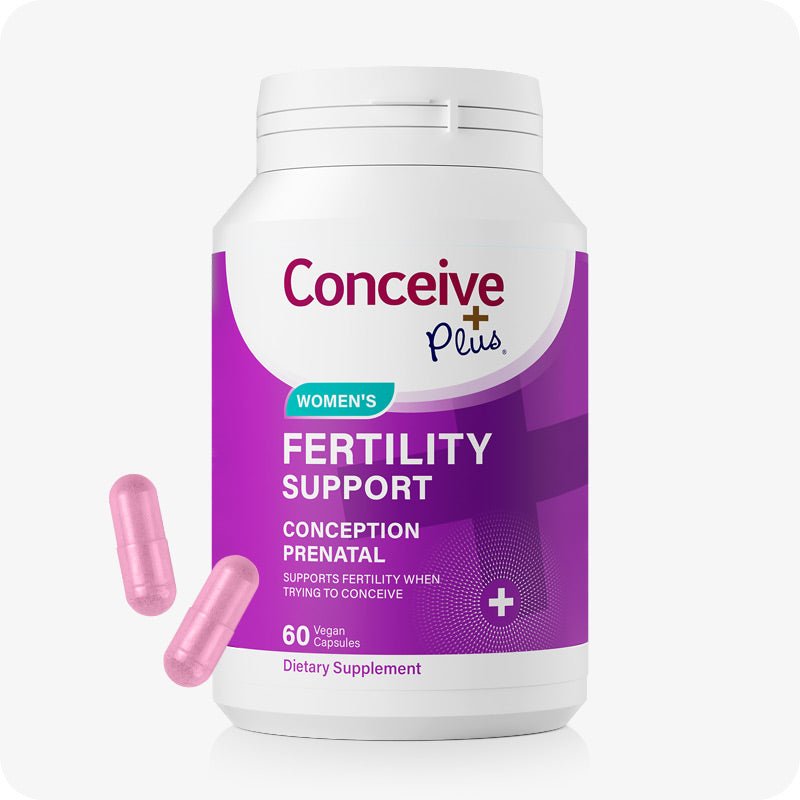
Conceive Plus Prenatal Vitamins are formulated with DHA for brain development and Folate for neural tube protection.
Shop Prenatal Vitamins →Frequently Asked Questions
Recommended by Fertility Experts
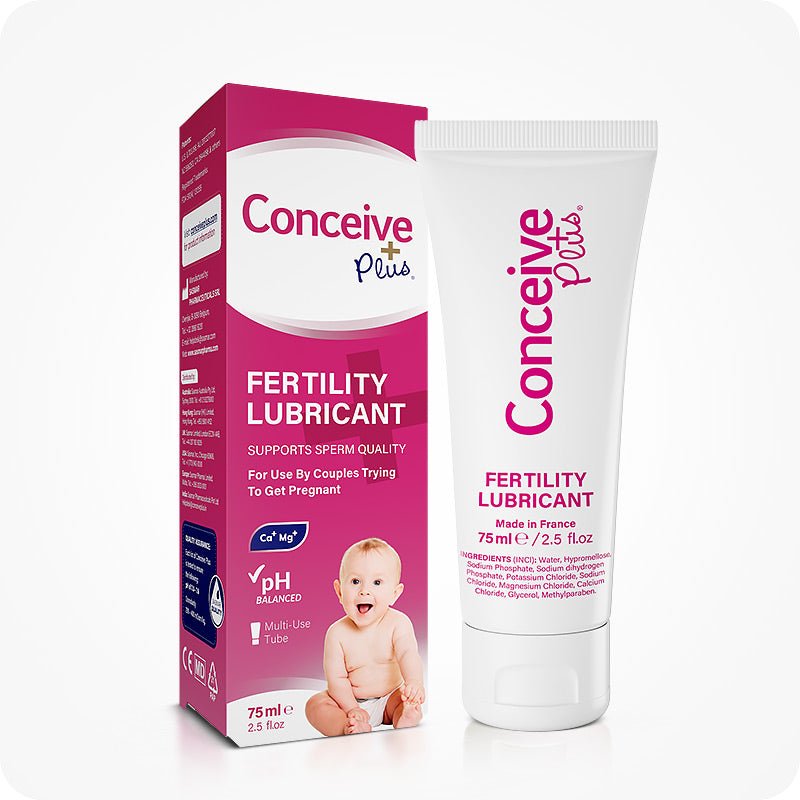
Conceive Plus Fertility Lubricant
Specially formulated to be sperm-friendly and isotonic, supporting your natural conception journey without disrupting the reproductive environment.
Shop Now →Q: Do you have to take prenatal vitamins the whole 9 months?
A: Yes, the American College of Obstetricians and Gynecologists (ACOG) recommends continuing prenatal vitamins throughout your entire pregnancy and into the postpartum period, particularly if you're breastfeeding. Prenatal vitamins support critical fetal development at every stage—from neural tube formation in the first trimester to bone development and brain growth in the third trimester. Stopping prenatal vitamins early can increase the risk of nutrient deficiencies that may affect both maternal health and fetal development. The complete 9-month commitment ensures your baby receives consistent nutritional support when growth demands are highest.
Q: What happens if I stop taking prenatal vitamins during pregnancy?
A: Discontinuing prenatal vitamins during pregnancy can lead to serious nutrient deficiencies, particularly in folic acid, iron, and calcium—all essential for preventing birth defects and supporting fetal development. Research shows that inadequate folic acid intake increases the risk of neural tube defects like spina bifida by up to 50-70%, while iron deficiency during pregnancy increases risks of preterm birth and low birth weight. Your body's nutritional demands actually increase as pregnancy progresses, making consistent supplementation critical through all three trimesters. If you're experiencing side effects from your prenatal vitamin, consult your healthcare provider about adjusting your formula rather than stopping altogether.
Q: Can I stop taking prenatal vitamins after the first trimester?
A: No—stopping prenatal vitamins after the first trimester is not recommended by ACOG or the American Society of Reproductive Medicine (ASRM). While the critical period for neural tube development is in the first 28 days of pregnancy, your baby's nutritional needs actually increase significantly during the second and third trimesters as fetal weight gain accelerates. Iron requirements jump from 18 mg to 27 mg daily during pregnancy to support increased blood volume and fetal development, and prenatal vitamins remain your most reliable source for meeting these elevated demands. Continuing prenatal vitamins through delivery and postpartum (especially if breastfeeding) supports your recovery and ensures breast milk quality for your infant.
Q: When can you stop taking prenatals after birth?
A: The timing for stopping prenatal vitamins postpartum depends on whether you're breastfeeding. ACOG recommends continuing prenatal vitamins for at least 3-6 months postpartum if you're breastfeeding, as these nutrients pass into breast milk and support your infant's development while your body recovers. If you're not breastfeeding, you can typically transition to a standard women's multivitamin after delivery, though consulting with your healthcare provider about your individual nutritional needs is always wise. Many women benefit from continuing some form of supplementation during the postpartum period, particularly iron and calcium, to replenish nutrient stores depleted during pregnancy.
Q: Can older women take prenatal vitamins?
A: Yes, older women can safely take prenatal vitamins, and women over 35 often benefit significantly from the higher nutrient levels they provide. Advanced maternal age increases the importance of optimal nutrition, as studies show that women 35 and older have higher rates of gestational diabetes and preeclampsia—conditions where proper prenatal supplementation becomes even more critical. Prenatal vitamins are specifically formulated to support pregnancy demands regardless of your age, with the key nutrients like folic acid, iron, and DHA remaining essential for maternal health and fetal development across all age groups. If you're considering fertility supplements like Conceive Plus alongside your prenatal vitamin, discuss your complete supplementation plan with your fertility specialist to ensure optimal nutrient balance.
Trusted by Couples in Over 70 Countries
Start Your Fertility Journey With the Right Support
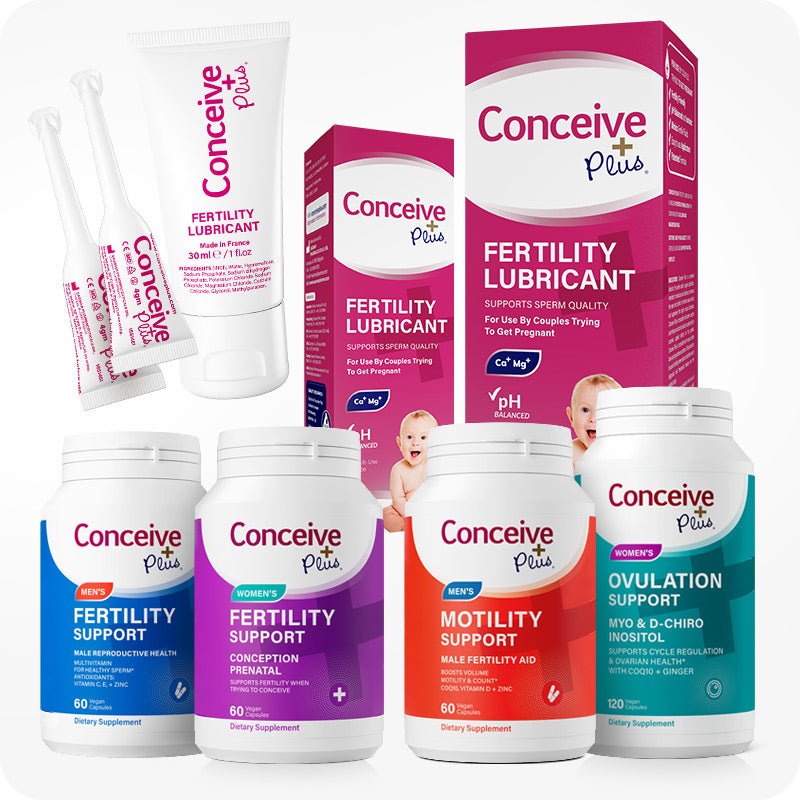
Conceive Plus Fertility Lubricant is specially formulated to be compatible with sperm, eggs, and embryos. Whether you are just starting out or have been trying for a while, our products are designed to work with your body — not against it.
Explore Fertility Lubricant →