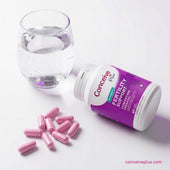
When to Start Taking Prenatals for a Healthy Pregnancy Journey


When to Start Taking Prenatals often pops up in conversations, especially among folks hoping for a smooth pregnancy ahead. Some think it’s fine to start later, while others jump in early. Both approaches can work, but the body might appreciate a little extra nutrient boost before everything gets rolling. In this post, we’ll check out when is it too late to start taking prenatal vitamins, ways to figure out when to start prenatals for your specific timeline, and even talk about when to take prenatal pills each day without feeling overwhelmed [1]. We’ll also dig into how certain nutrients can support your fertility and help you feel more prepared.

Why Preparation Matters
Some folks wait until after that pregnancy test says yes. Others begin a few months earlier, maybe longer. Honestly, your body can benefit from a nutrient reserve so you won’t suddenly run low on vital stuff like iron or folic acid [2]. Early on, the baby’s neural tube is forming, which might happen way before you have any big bump or classic symptoms.
Even if you normally eat a pretty balanced diet, it’s super common to be missing something. Might be magnesium. Could be iron. Life is busy, so who can keep track? That’s why starting early with a quality prenatal can help fill those potential gaps. But if you realize you didn’t start yet, no biggie, there’s still time.
Top Tip: Stock up on leafy greens at the grocery store while you’re at it. They’re full of good stuff like folic acid and vitamins you need anyway.
Ideal Timing for Prenatals
People frequently ask me about the perfect moment to begin. Some experts recommend three months in advance, but honestly if you can start six months or even a year ahead, that can be beneficial too [3]. There’s no precise day etched in stone. As soon as you know you want a baby in the near-ish future, that’s a fine time to pick up a prenatal supplement. If you’re just starting your prenatal journey and wondering where can I find prenatal vitamins, many pharmacies, health stores, and online retailers offer a variety of options to fit your specific needs.
In that early window, the body is better able to build up essential nutrients. So if you do conceive quickly, you’re not playing catch-up. On the flip side, if it takes a bit longer, you’re still supporting your system. All in all, it’s a win.
Top Tip: You can occasionally set reminders on your phone, but sometimes just keeping the vitamins in a spot you see daily (like near the coffee maker) is enough.
Addressing the “Too Late” Question
Now, you might wonder when is it too late to start taking prenatal vitamins? Let’s be real: it’s basically never too late, unless you’re delivering right this second. Even if you find out you’re pregnant at, say, 8 weeks, start then. Nutrients remain helpful during the entire course of pregnancy, especially things like iron that your body uses more and more as the baby grows [4].
Remember that while the first trimester is a critical time for development, the second and third trimesters have their own growth spurts. So don’t stress if you didn’t jump on the bandwagon from day one. Just hop on as soon as you can.
Determining When to Take Prenatal Pills
Choosing the best time in the day to pop a prenatal can feel confusing. Some people’s stomach get a little queasy if they take it first thing in the morning. Others have no issue. A lot of folks prefer bedtime so they can sleep through potential side effects. Honestly, do what fits your routine.
Since certain vitamins, especially iron, might cause mild tummy upset, pairing them with food or a small snack is wise. If you’re the type who forgets morning doses, aim for dinner time. Or put the bottle on your nightstand. It's flexible. Keep it simple.


✨ Start Your Prenatal Care Today
Our Prenatal Vitamins with DHA, Choline & Folate provide the essential nutrients you and your baby need for a healthy start.
Shop Now — $34.95✓ Free shipping on orders over $40 | ✓ Trusted by millions of couples worldwide
Nutrients That Boost Fertility
Before or during pregnancy, you’ll hear about all sorts of nutrients that people swear by. While not every single one is crucial for everyone, a handful is known to promote overall reproductive wellness. While prenatals are essential for filling nutritional gaps, many people also wonder, do prenatal vitamins make you fertile, and while they don’t directly cause pregnancy, they do support overall reproductive health by providing key nutrients that can enhance fertility.
- Folic Acid (Folate): Helps the baby’s neural tube form properly.
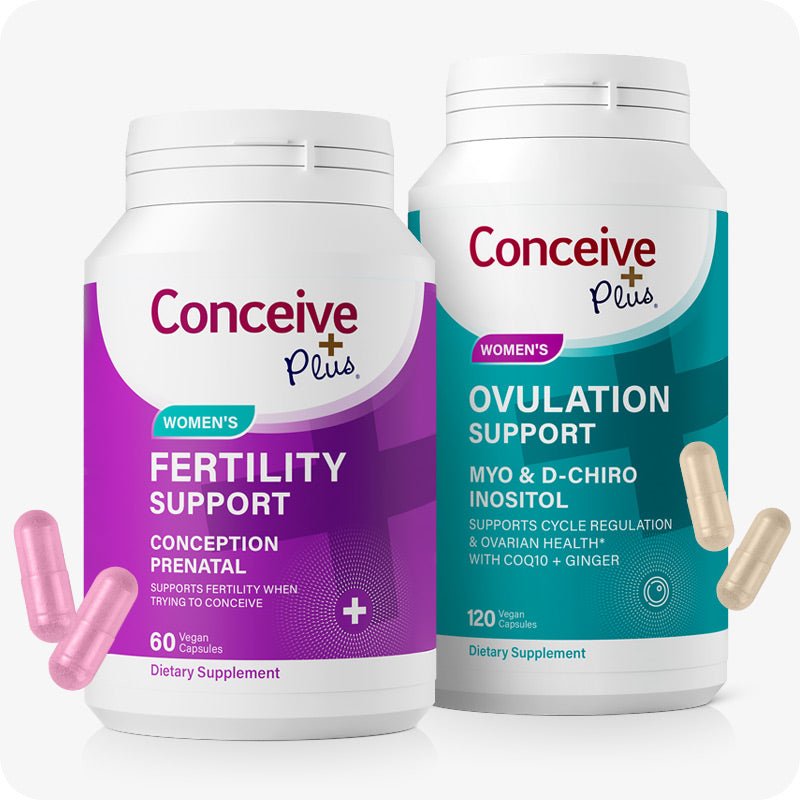
- Myo-Inositol and D-Chiro Inositol: They may support healthy ovulation cycles, especially if you’ve got hormonal imbalances.
- CoQ10: Offers antioxidant protection, which might help egg cells stay healthy.
- Zinc: Good for hormone regulation, can support cell growth [5].
- Iron: Vital for oxygen transport; low iron can leave you feeling totally worn out.
- Magnesium: A friend to many bodily functions, especially mood and hormone balance.
Top Tip: You can get a lot of these from natural food sources, but if your diet is lacking, a well-rounded prenatal supplement might fill in the blanks.
Additional Ways to Prep for a Healthy Pregnancy
Vitamins matter, but so do everyday habits. Little changes add up:
- Balanced Diet: Vary the veggies, fruits, proteins, and whole grains. Don’t skip healthy fats like avocado or fish oil.
- Regular Physical Activity: It could be a brisk walk or light yoga. Movement helps with circulation and stress.
- Routine Health Screenings: Even a simple chat with your doctor about your current nutrient levels or lifestyle can highlight potential adjustments.
- Stress Management: Some use short meditation apps, others find joy in journaling or even crocheting. Do what lowers your blood pressure.
- Stay Hydrated: Water helps with digestion, circulation, and general well-being. Just don’t force down gallons if it feels unnatural.
Top Tip: Try meal prepping on Sundays so you have easy access to healthy choices during a busy workweek.
Using Natural Ingredients for Nausea Relief
Morning sickness is no joke. It can strike at any hour, leaving you dizzy. Luckily, ginger has a reputation for calming queasy stomachs [6]. Some people rely on ginger tea or even ginger candies. Others might add fresh ginger to meals. This root can also have mild anti-inflammatory properties.
If your nausea feels excessive, please talk to a healthcare provider. There might be additional remedies or medications to help you cope and keep you from losing too many nutrients if you’re throwing up a lot.
Top Tip: If early mornings are rough, try nibbling a few crackers right in bed before actually getting up. That small snack can settle your stomach.

The Bottom Line
Figuring out when to start taking prenatals is personal, but starting earlier is usually a plus. If you discover you’re pregnant and haven’t started yet, no need to panic—just begin right away. The question when to start prenatals has a fairly simple answer: earlier is better, but later is still better than never.
Always keep in mind that daily habits, balanced eating, and a bit of mindfulness also play a big role in how well you handle pregnancy. Fertility and pregnancy involve so many moving parts—nobody does it exactly the same way. As you explore your own path, stay open to what works for your unique needs. If confusion arises, a healthcare expert can provide clarity.
FAQs
Do I need to keep taking my regular multivitamin if I use prenatals?
Nope, that’s usually unnecessary. Prenatals already deliver extra doses of certain vitamins, so taking both might lead to some overlap.
How soon is too soon to begin?
Many folks start three months before trying, but others do six months or more. There’s really no such thing as too early.
Any best time of day to pop my prenatal?
Not exactly. Some prefer it in the morning, others at night. It’s more about consistency. If it upsets your stomach, try nighttime.
What if these pills make me nauseous anyway?
Try them with a meal or switch to a gentler iron formulation. If you still feel sick, let your doctor know.
Should I still take prenatals once baby arrives?
Many do while breastfeeding. If you’re unsure, ask your provider if it suits your postpartum or nursing journey.
Citations
- American College of Obstetricians and Gynecologists. (2023). Prepregnancy Counseling. Available at: https://www.acog.org/clinical/clinical-guidance/committee-opinion/articles/2019/01/prepregnancy-counseling
- Centers for Disease Control and Prevention. (2021). About Folic Acid . Available at: https://www.cdc.gov/folic-acid/about/index.html
- Genuis, S. J., & Genuis, R. A. (2016). Preconception Care: A New Standard of Care within Maternal Health Services. BioMed research international. Available at: https://pmc.ncbi.nlm.nih.gov/articles/PMC4903143/
- Melamed, N., Baschat, A., Yinon, Y., Athanasiadis, A., Mecacci, F., Figueras, F., Berghella, V., Nazareth, A., Tahlak, M., McIntyre, H. D., Da Silva Costa, F., Kihara, A. B., Hadar, E., McAuliffe, F., Hanson, M., Ma, R. C., Gooden, R., Sheiner, E., Kapur, A., Divakar, H., … Hod, M. (2021). FIGO (international Federation of Gynecology and obstetrics) initiative on fetal growth: best practice advice for screening, diagnosis, and management of fetal growth restriction. International journal of gynaecology and obstetrics: the official organ of the International Federation of Gynaecology and Obstetrics. Available at: https://pmc.ncbi.nlm.nih.gov/articles/PMC8252743/
- Carducci, B., Keats, E. C., & Bhutta, Z. A. (2021). Zinc supplementation for improving pregnancy and infant outcome. The Cochrane database of systematic reviews. Available at: https://pmc.ncbi.nlm.nih.gov/articles/PMC8094617/
- Hu, Y., Amoah, A. N., Zhang, H., Fu, R., Qiu, Y., Cao, Y., Sun, Y., Chen, H., Liu, Y., & Lyu, Q. (2022). Effect of ginger in the treatment of nausea and vomiting compared with vitamin B6 and placebo during pregnancy: a meta-analysis. The journal of maternal-fetal & neonatal medicine : the official journal of the European Association of Perinatal Medicine, the Federation of Asia and Oceania Perinatal Societies, the International Society of Perinatal Obstetricians. Available at: https://pubmed.ncbi.nlm.nih.gov/31937153/
🌱 Everything You and Baby Need
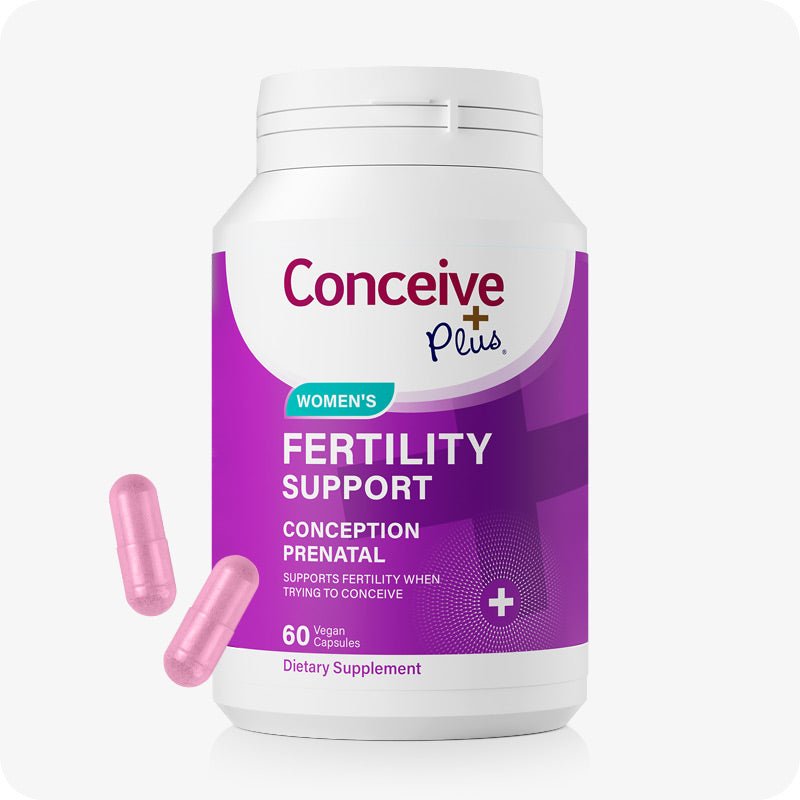
Conceive Plus Prenatal Vitamins are formulated with DHA for brain development and Folate for neural tube protection.
Shop Prenatal Vitamins →Frequently Asked Questions
Recommended by Fertility Experts
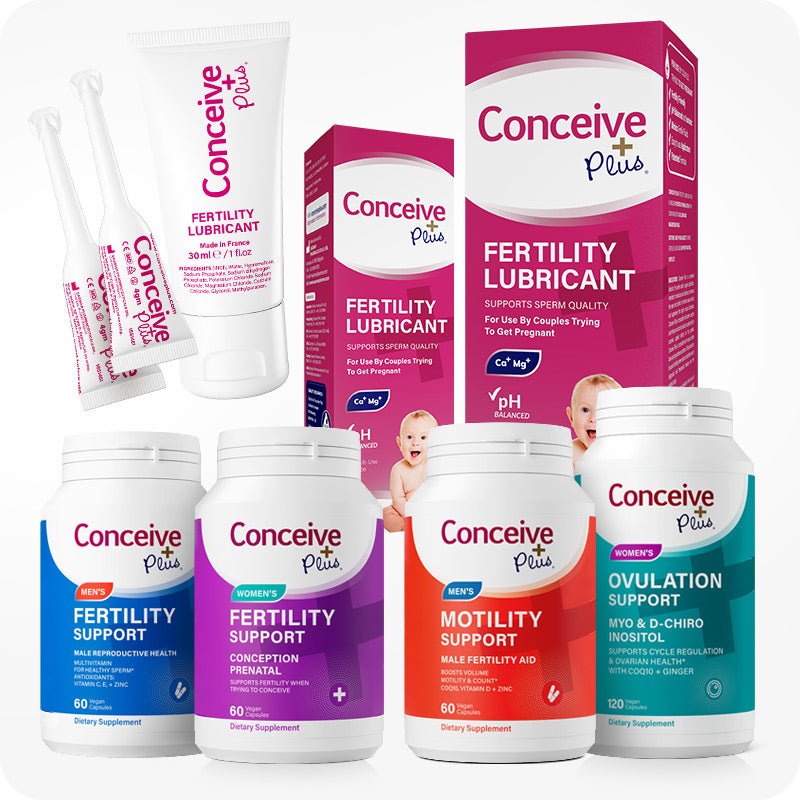
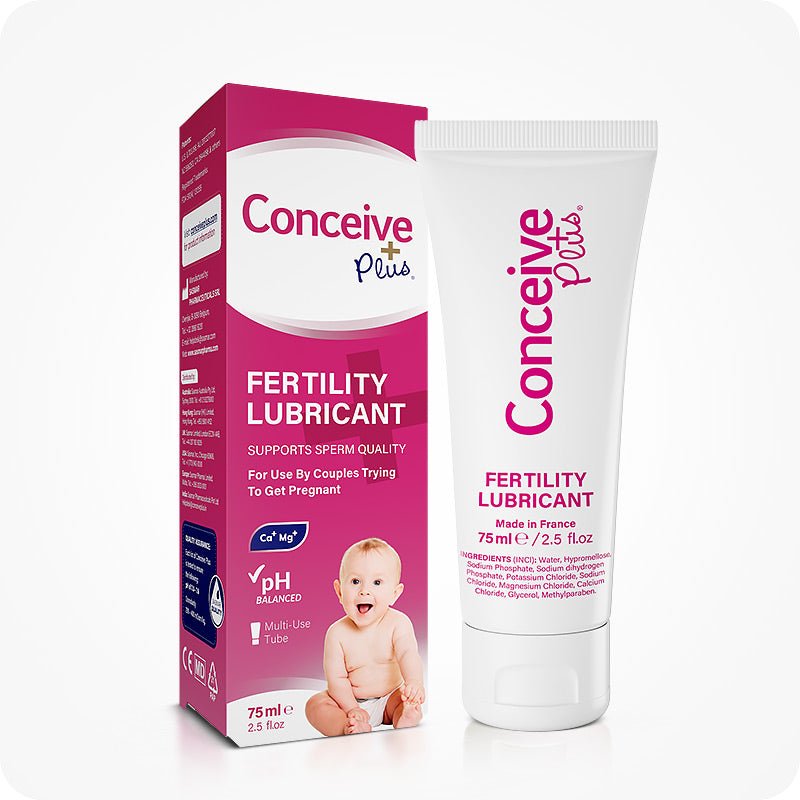
Conceive Plus Fertility Lubricant
Specially formulated to be sperm-friendly and isotonic, supporting your natural conception journey without disrupting the reproductive environment.
Shop Now →Q: How early should you start taking prenatal vitamins?
A: The American Society for Reproductive Medicine (ASRM) recommends starting prenatal vitamins at least one month before attempting to conceive, though three months is considered optimal for maximum nutrient accumulation. This timeframe allows your body to build up critical nutrients like folic acid, which reduces neural tube defects by up to 70% when present in adequate levels before conception. If you're already pregnant and haven't started prenatals yet, begin immediately—it's never too late to start benefiting from prenatal supplementation. Many women also use fertility supplements like Conceive Plus alongside prenatal vitamins to support reproductive health during the preconception phase.
Q: How long before pregnancy should I take prenatal vitamins?
A: Health experts recommend taking prenatal vitamins for at least 1-3 months before trying to conceive, with some suggesting up to six months for optimal micronutrient status. Key nutrients like folic acid, iron, and calcium need time to reach therapeutic levels in your body—folic acid specifically requires several weeks of consistent supplementation to provide maximum protective benefits. Since approximately 50% of pregnancies in the US are unplanned, the CDC recommends that all women of childbearing age take folic acid daily. Starting your prenatal routine early gives you peace of mind and ensures your body is nutritionally prepared whenever conception occurs.
Q: Can you take Conceive Plus pills while pregnant?
A: Conceive Plus prenatal and fertility supplements are specifically formulated to be safe during preconception and pregnancy, containing FDA-evaluated ingredients designed for reproductive health. If you're using Conceive Plus fertility supplements before conception, you should transition to a comprehensive prenatal vitamin once pregnancy is confirmed, as prenatal formulas contain additional iron and calcium needed during gestation. Always consult with your healthcare provider about your specific supplement regimen, especially if you're taking multiple products. Your OB-GYN can recommend the best combination of supplements to support both your health and your baby's development throughout pregnancy.
Q: How long should I take prenatal vitamins before getting pregnant?
A: While one month is the minimum recommended timeframe, taking prenatal vitamins for 2-3 months before conception provides the most comprehensive nutrient preparation for pregnancy. This extended timeline ensures adequate folic acid levels (which need 28+ days to stabilize), proper iron stores, and optimal vitamin D and calcium absorption—all critical for fetal development. Research shows that women who supplement for three months before conception have significantly better micronutrient profiles at the time of conception. Whether you're planning to conceive soon or are in early stages of family planning, beginning prenatals now puts you ahead of the curve for a healthier pregnancy outcome.
Q: How long does it take prenatal vitamins to work?
A: Prenatal vitamins don't work like medications with immediate effects; instead, they build nutrient reserves in your body over time, with most benefits becoming apparent after 4-8 weeks of consistent daily use. Folic acid, one of the most critical prenatal nutrients, requires approximately one month of supplementation to reach optimal protective levels in your bloodstream and tissues. For fertility-focused supplements like Conceive Plus, many users report feeling improvements in energy and reproductive health within 2-3 months of consistent use. The key is consistency—taking your prenatal vitamins daily at the same time each day maximizes absorption and ensures you're building the nutritional foundation your future baby will need.
Trusted by Couples in Over 70 Countries
Start Your Fertility Journey With the Right Support
Conceive Plus Fertility Lubricant is specially formulated to be compatible with sperm, eggs, and embryos. Whether you are just starting out or have been trying for a while, our products are designed to work with your body — not against it.
Explore Fertility Lubricant →