When Is The Best Time to Take Vitamin B12: Maximizing The Benefits


Vitamin B12 is a water-soluble nutrient essential for a wide range of physiological functions, including red blood cell production, neurological health, and DNA synthesis. Unlike fat-soluble vitamins, Vitamin B12 does not remain in the body for extended periods, which is why consistent intake is crucial for maintaining optimal levels. People obtain it primarily through animal-based foods such as meat, fish, eggs, and dairy, though modern lifestyles and dietary choices can lead many individuals to rely on fortified products or supplements. This article examines when is the best time to take vitamin B12, exploring current research, practical tips, and various considerations that can inform your personal health routine.

The Role of Vitamin B12 in the Body
Before pinpointing the best time to take B 12, it is vital to understand why this nutrient holds such significance. Vitamin B12 contributes to the formation of healthy red blood cells and supports the protective covering of nerve cells, known as the myelin sheath. It also works with folate to synthesize DNA, ensuring accurate cell replication. Even slight deficiencies can lead to fatigue, weakness, and cognitive changes. Over time, more pronounced deficiencies may trigger neurological concerns, such as numbness in the extremities or difficulty with balance. These critical functions highlight the importance of daily intake, whether through diet or supplementation [1].
Because the body’s stores can become depleted if intake is consistently insufficient, a routine consumption pattern can reduce risk of deficiency. While some people might meet their needs through an omnivorous diet, strict vegetarians, vegans, and older adults with impaired nutrient absorption often benefit from supplements. In these cases, understanding when should I take vitamin B12 becomes especially relevant, as proper timing can optimize its bioavailability.
Signs of Low Vitamin B12
Knowing common signs of a potential shortfall is essential for making informed choices about supplement timing. Many symptoms are subtle at first, but they can worsen if overlooked:
- Persistent Fatigue – Feeling unusually tired despite sufficient rest often signals an underlying problem, including inadequate B12.
- Cognitive Fog – Difficulty concentrating or memory lapses may arise when the nervous system lacks essential nutrients.
- Mood Changes – Irritability or mild depression can sometimes stem from poor B12 intake.
- Numbness or Tingling – Neurological symptoms in the hands or feet may develop over time.
- Pale or Jaundiced Skin – Insufficient red blood cell production can alter skin tone.
Such signs do not prove deficiency on their own, but they serve as indicators to investigate further. Blood tests typically clarify whether levels are suboptimal and, if necessary, a healthcare provider can recommend supplementation strategies tailored to each individual’s lifestyle [2].

Factors Affecting Optimal Timing
The question of when to take B12 generally hinges on two main aspects: stomach environment and competing nutrients or substances. Because Vitamin B12 relies on intrinsic factor and stomach acid for absorption, if gut conditions are compromised, uptake may be reduced. Certain medications, such as proton pump inhibitors, can also lower stomach acid, making it more challenging for the body to utilize B12 effectively.
In addition, various vitamins and minerals compete for absorption when taken simultaneously. For instance, high doses of Vitamin C can potentially interfere with B12 assimilation in some individuals. This does not imply that one must avoid all concurrent supplement use; however, spacing them out across the day may maximize each nutrient’s benefits [3].
Morning Versus Evening Supplementation
Although robust clinical trials directly comparing morning and evening B12 supplementation are limited, anecdotal reports and smaller studies offer a framework to consider. Many practitioners advise morning intake if supplements appear to boost energy levels or mental clarity. Since some people believe that B12 provides a mild stimulating effect, taking it later in the day could impact sleep quality. However, other individuals experience no change in sleep patterns, and thus may take B12 in the evening without issue.

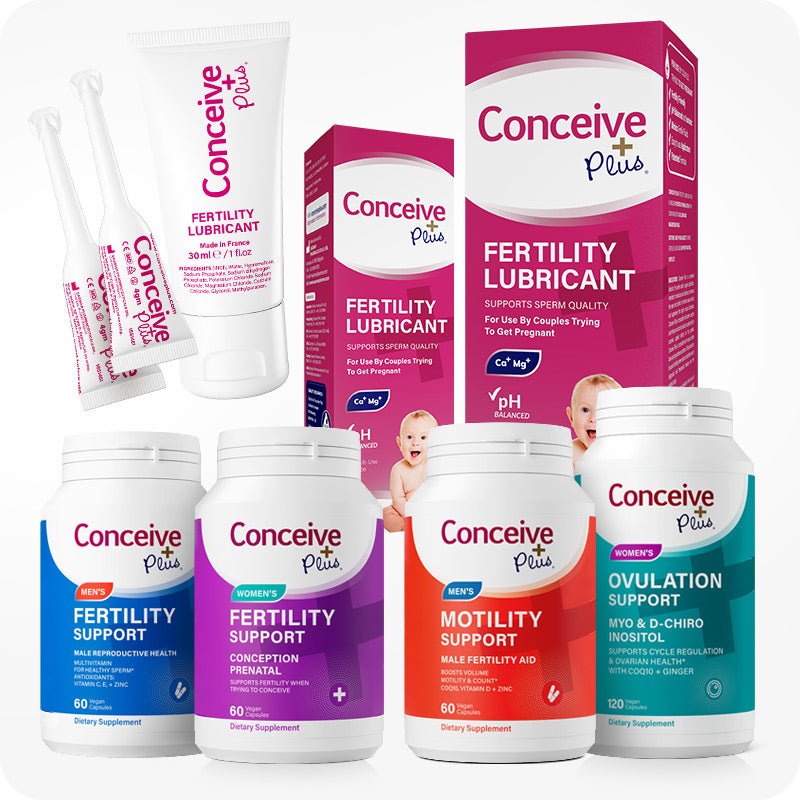
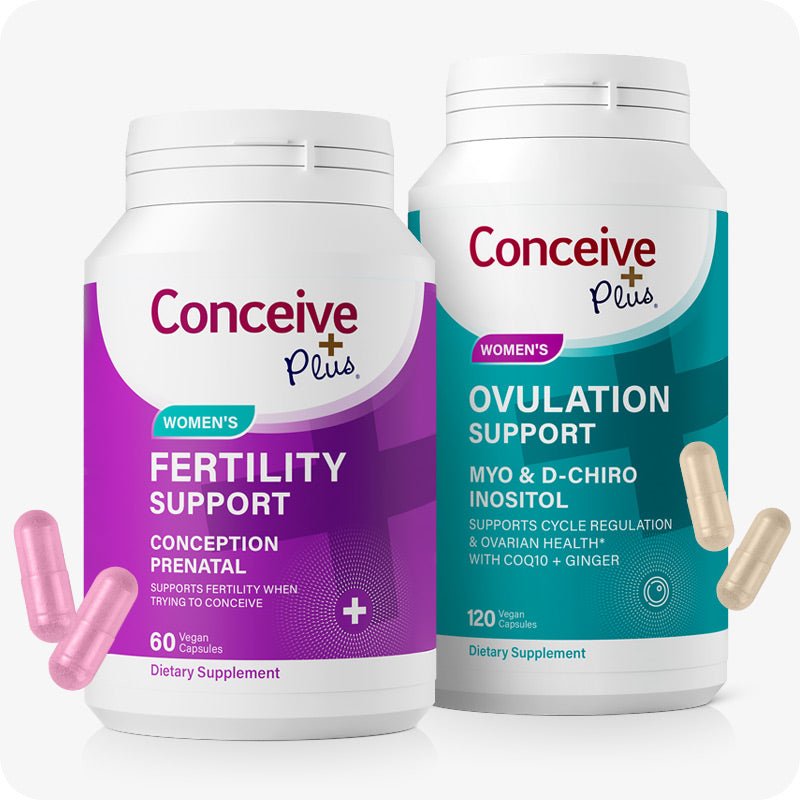
✨ Trying to Conceive?
Our Ovulation & Fertility Bundle combines Myo-Inositol with essential vitamins to support healthy hormone balance and regular ovulation.
Shop Now — $55.00✓ Free shipping on orders over $40 | ✓ Trusted by millions of couples worldwide
Morning timing might also align well with meal schedules, especially if you eat a protein-rich breakfast. When you ponder when should you take vitamin B12, bear in mind that having some food can enhance stomach acid production, potentially aiding nutrient uptake for those with borderline absorption issues. That said, the vitamin’s water-soluble nature typically allows it to be taken with or without food, depending on personal tolerance [4].
Assessing If You Can You Take B12 on an Empty Stomach
Determining whether a person can you take B12 on an empty stomach involves understanding personal digestive sensitivities. This nutrient is less likely to cause gastrointestinal distress compared to certain minerals or high-dose supplements, though some people do experience discomfort. If you tolerate other vitamins well without food, B12 will likely pose minimal issues. In fact, many find that taking B12 sublingually (under the tongue) bypasses the gastrointestinal tract, reducing any potential stomach upset. Nonetheless, individuals prone to acid reflux or sensitive digestion may prefer to have a small snack with their supplement [5].

The Best Time to Take B12 for Weight Loss Considerations
Questions often arise around the best time to take B12 for weight loss, although Vitamin B12 itself is not a direct fat-burning agent. Instead, it supports metabolic processes that can indirectly influence energy expenditure. If someone faces fatigue due to mild B12 deficiency, supplementation can help restore normal energy levels, allowing for better adherence to exercise routines. Certain individuals notice that morning doses support a more energetic start to the day, possibly encouraging more physical activity. While there is no established universal rule, taking B12 earlier might be beneficial if the goal is to leverage any potential energy lift for exercise or daily tasks.
Importance of Individual Variations
Biochemical individuality implies that no single timing rule works perfectly for everyone. Genetic predispositions, gut microbiome differences, and personal schedules all influence how effectively B12 is utilized. For someone who consistently experiences digestive upset when taking supplements, a mid-meal approach may be the most comfortable. In contrast, an early riser who exercises upon waking might prefer an empty-stomach method to avoid fullness. Observing how your body reacts over a few weeks can reveal which strategy yields the most benefit.
If you're seeking natural ways to alleviate pregnancy nausea, explore our in-depth guide on vitamin B6 for morning sickness for additional relief strategies.
Impact of Age and Lifestyle
Aging adults often exhibit reduced production of intrinsic factor and stomach acid, limiting their ability to assimilate B12 from food. Consequently, they may rely more on fortified items or high-potency supplements. In these cases, pinpointing when to take B12 becomes a way to maximize limited absorption capability. Additionally, those following a hectic work schedule might find it challenging to be consistent at night, so an early-morning routine offers convenience. Balancing daily duties, dietary patterns, and individual tolerances will help establish a consistent supplement habit.
Role in Vegetarian and Vegan Diets
Individuals following plant-based diets commonly encounter the highest risk of deficiency, as their dietary patterns exclude many traditional sources. Fortified grains and soy products can help, but these may not supply sufficient amounts alone, particularly in strict vegan diets. Hence, adopting a reliable supplementation schedule becomes vital for preventing deficiency. When is the best time to take vitamin B12 if you rely exclusively on non-animal sources? Choosing a consistent point in your day for sublingual drops or pills ensures a steady supply of B12, even in the absence of animal-based foods. Splitting doses can be helpful, too, if you prefer smaller amounts multiple times a day [6].
Practical Strategies for Building a Routine
- Start in the Morning: For those questioning when should I take vitamin B12, try incorporating it into your breakfast routine. This approach is often easy to maintain, especially if you already take other morning supplements.
- Observe Tolerance: If you find that taking it on an empty stomach causes discomfort, have a light meal or snack before consumption.
- Space Out Supplements: If you use multiple vitamins, leave a gap of an hour or two between them to optimize absorption.
- Consider Sublingual Options: Sublingual drops or tablets bypass certain digestive steps, which can be particularly advantageous for individuals with absorption challenges.
- Track Changes: Keeping a brief log of energy levels, mood, and any physical changes can help you gauge whether your chosen timing approach is effective.
Cultivating a Sustainable Habit
Maintaining consistency is fundamental for reaping the full rewards of Vitamin B12. Short-term boosts may not sustain long-term health if a routine eventually lapses. By weaving supplementation seamlessly into daily life—perhaps with a morning beverage or evening wind-down ritual—retention of healthy levels becomes more realistic. Additionally, seeking regular blood work if you suspect a deficiency or have an increased risk helps confirm whether your strategy is yielding desired results.
If you’re curious about the unique benefits of B12 for pregnant women, consider exploring our guide 'Why B12 for Pregnant Women Matter' for tailored insights into maternal nutrition.
The Bottom Line
When is the best time to take vitamin B12? Ultimately, the answer depends on your unique physiology, lifestyle, and dietary patterns. Many individuals find that morning use complements energy needs for the day, while others see no negative effects from evening intake. Listening to your body and consulting with healthcare professionals can refine this timing further, especially if digestive issues or absorption challenges arise. By focusing on habitual intake and monitoring personal responses, you can ensure that Vitamin B12 remains a valuable component of your overall wellness plan. Whether the goal is to address minor fatigue, support weight management, or simply safeguard against deficiency, consistent and mindful supplementation can make a significant difference.
References
- O'Leary F, Samman S. Vitamin B12 in health and disease. Nutrients. 2010 Mar;2(3):299-316. doi: 10.3390/nu2030299. Epub 2010 Mar 5. PMID: 22254022; PMCID: PMC3257642.
- Watanabe F. Vitamin B12 sources and bioavailability. Exp Biol Med (Maywood). 2007 Nov;232(10):1266-74. doi: 10.3181/0703-MR-67. PMID: 17959839.
- Allen LH. Bioavailability of vitamin B12. Int J Vitam Nutr Res. 2010 Oct;80(4-5):330-5. doi: 10.1024/0300-9831/a000041. PMID: 21462117.
- Hvas AM, Buhl H, Laursen NB, Hesse B, Berglund L, Nexo E. The effect of recombinant human intrinsic factor on the uptake of vitamin B12 in patients with evident vitamin B12 deficiency. Haematologica. 2006 Jun;91(6):805-8. Epub 2006 May 16. PMID: 16704961.
- Law R, Maltepe C, Bozzo P, Einarson A. Treatment of heartburn and acid reflux associated with nausea and vomiting during pregnancy. Can Fam Physician. 2010 Feb;56(2):143-4. PMID: 20154244; PMCID: PMC2821234.
- Palma O, Jallah JK, Mahakalkar MG, Mendhe DM. The Effects of Vegan Diet on Fetus and Maternal Health: A Review. Cureus. 2023 Oct 30;15(10):e47971. doi: 10.7759/cureus.47971. PMID: 38034264; PMCID: PMC10685994.
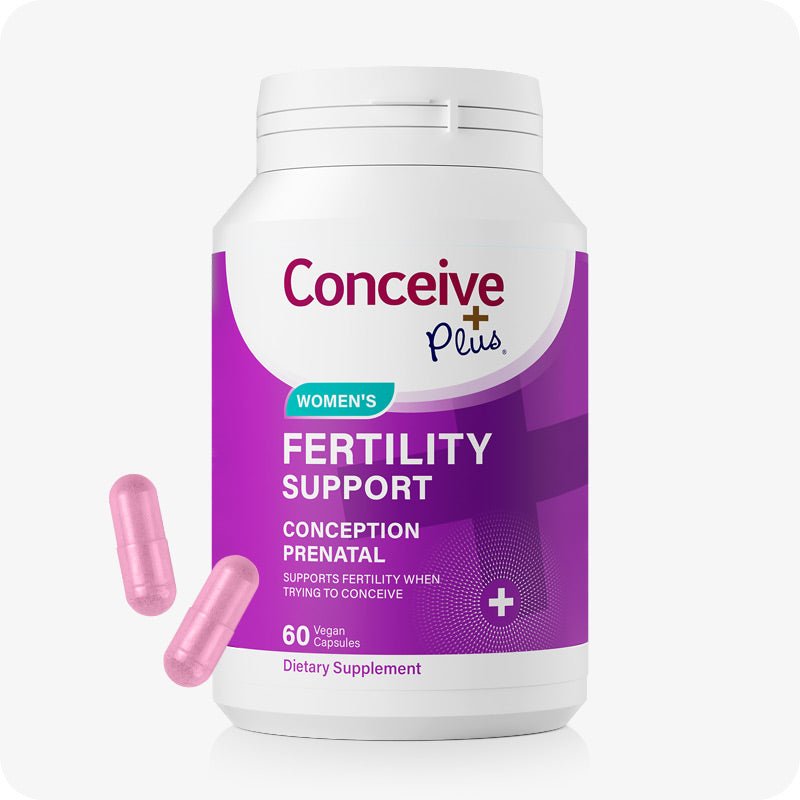
🌱 Support Your Fertility Journey
Conceive Plus fertility supplements are clinically formulated to help regulate your cycle and support egg quality.
Shop Fertility Support →Frequently Asked Questions
Recommended by Fertility Experts
Conceive Plus Men's Fertility Support
Designed to support healthy sperm production, motility, and overall male reproductive health with clinically studied nutrients.
Shop Now →Q: Is it better to take B12 in the morning or at night?
A: B12 is best taken in the morning with breakfast, as this timing aligns with your body's natural energy production cycle and enhances absorption when taken with food. Since B12 is water-soluble and not stored long-term in the body, consistent morning intake helps maintain steady levels throughout the day. Taking B12 at night offers no particular advantage and may interfere with sleep quality in sensitive individuals. Most healthcare providers recommend morning supplementation as part of a comprehensive fertility supplement regimen, similar to how Conceive Plus formulations are designed for optimal morning absorption. The timing becomes especially important for individuals planning pregnancy, as B12 supports DNA synthesis and cellular health critical during conception and early pregnancy.
Q: What's the best time of day to take B12 vitamin for maximum absorption?
A: The optimal time to take B12 is between 30 minutes to 2 hours after eating breakfast, when stomach acid production is at its peak and digestive enzymes are actively working. Taking B12 with food—particularly foods containing protein and healthy fats—significantly enhances absorption rates, as these nutrients stimulate intrinsic factor production necessary for B12 uptake in the small intestine. Research shows that approximately 10-30% of adults over age 50 have reduced B12 absorption capacity, making consistent timing and food pairing even more critical for this population. For individuals using B12 as part of their fertility optimization strategy, morning supplementation after a balanced breakfast ensures maximum bioavailability when combined with other reproductive health nutrients in products like Conceive Plus. Consistency matters more than finding the "perfect" moment, so choosing the same time daily helps your body establish predictable absorption patterns.
Q: Should I take B12 on an empty stomach or with food?
A: B12 should always be taken with food to maximize absorption, contrary to some water-soluble vitamin myths that suggest empty stomach absorption is superior. Taking B12 with meals—especially those containing protein, fat, or intrinsic factor-rich foods like meat or dairy—increases absorption efficiency by 50-100% compared to taking it alone. The American College of Obstetricians and Gynecologists recognizes adequate B12 status as important for reproductive health, making proper absorption methods crucial for anyone planning pregnancy. When incorporated into your daily routine alongside other fertility supplements like Conceive Plus, taking B12 with breakfast ensures all nutrients work synergistically without competing for absorption. This approach is particularly important for vegans and vegetarians, who account for approximately 3-6% of the U.S. population and may have elevated B12 deficiency risk.
Q: How long does it take for B12 to work after you take it?
A: B12 begins absorption immediately upon ingestion, but you may not notice symptom improvements for 1-2 weeks, as the body needs time to replenish depleted stores and restore cellular function. Most individuals experience noticeable energy improvements within 7-14 days of consistent B12 supplementation, though cognitive and mood benefits may take 4-8 weeks to become apparent. For fertility-related benefits, such as improved egg quality and DNA synthesis support, consistent B12 intake over 2-3 months yields the most significant results, aligning with the typical 3-month window for egg maturation and sperm development. Combining B12 with a comprehensive prenatal supplement like Conceive Plus amplifies these benefits, as supporting nutrients work together to optimize reproductive health over time. If you don't notice improvements within 3-4 weeks despite consistent morning supplementation with food, consult your healthcare provider about potential absorption issues or deficiency severity.
Q: Can you take B12 every day, or do you need rest days?
A: B12 is safe to take daily without rest days, as it is water-soluble and excess amounts are excreted through urine rather than stored in tissue, making toxicity virtually impossible. The National Institutes of Health recommends daily B12 intake for all adults, with pregnant and breastfeeding women requiring slightly higher amounts (2.6 mcg daily versus 2.4 mcg for non-pregnant adults). Daily consistent supplementation is actually preferred over irregular dosing, as B12 doesn't accumulate in the body and maintaining steady levels supports continuous energy production, neurological health, and reproductive function. For individuals using B12 as part of a fertility optimization plan, daily inclusion in your morning supplement routine—such as taking it alongside Conceive Plus—ensures uninterrupted support for egg quality, sperm health, and hormonal balance. There are no documented adverse effects from daily B12 supplementation in healthy individuals, making it one of the safest vitamins to incorporate into your daily wellness routine without scheduling breaks.
Trusted by Couples in Over 70 Countries
Support Male Fertility From the Inside Out
Male fertility is just as important as female fertility in the conception journey. Conceive Plus Men's range delivers targeted nutritional support to promote healthy sperm and overall reproductive wellbeing.
Shop Men's Range →