LH and Ovulation Chart: A Deep Dive into the LH and Ovulation Chart
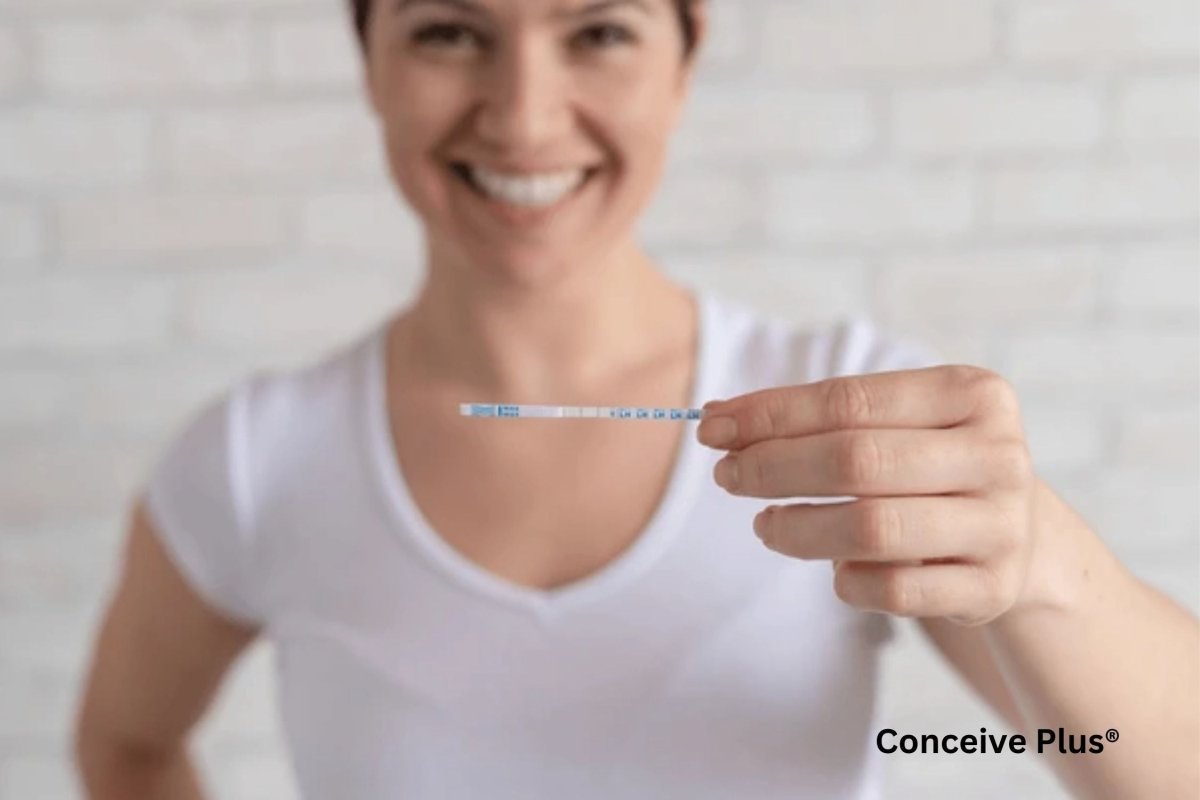

Understanding your body’s unique rhythm can be transformative, especially when you want deeper insights into reproductive health. Each month, a coordinated interplay of hormones prepares your body for a potential pregnancy. Follicle-stimulating hormone (FSH) encourages ovarian follicles to mature, while rising estrogen readies the uterine lining to host a fertilized egg. The pivotal moment arrives when luteinizing hormone (LH) surges, triggering egg release in a process called ovulation. Recognizing these signals—through daily observations, test strips, or temperature checks—can help you pinpoint your most fertile window. Using an LH and ovulation chart to document these changes provides a visual representation of your cycle patterns.
This knowledge empowers those hoping to conceive, but it also provides reassurance to anyone who wants to understand how lifestyle factors affect cycle regularity. Many individuals report feeling more in tune with their bodies once they begin tracking, noting patterns in energy levels and mood.

Manual Charts and Guesswork
You might measure basal body temperature (BBT) each morning with a glass thermometer, waiting several minutes for an accurate reading. Today’s methods are far simpler and more precise. Digital thermometers give quick results, while fertility apps let you record data and automatically generate graphs. LH test strips, once limited to niche markets, are now widely available, giving users real-time insights into impending ovulation. Some strips even come with digital readers that interpret line intensity for you. This range of tools is especially helpful for people managing conditions like polycystic ovary syndrome (PCOS), where ovulation might not follow a predictable schedule. By spotting irregularities early, you can seek medical advice that addresses root causes rather than just dealing with symptoms in isolation [1].
Monitoring Hormone Fluctuations
Subtle changes in hormone levels can signal thyroid disorders, PCOS, or other endocrine issues that might disrupt normal ovulation. When tracked over several months, patterns emerge, revealing if ovulation is delayed or absent. Early intervention may involve adjusting nutrition, stress levels, or exercise habits—sometimes minor tweaks can restore a regular cycle. Healthcare providers may also suggest blood tests or ultrasounds to confirm normal reproductive function. By bringing detailed charts to these consultations, you offer doctors a fuller picture of your monthly patterns, making diagnoses more accurate. Some people track only briefly when they hope to conceive, but ongoing observation can also validate that everything remains on track. This proactive mindset reduces anxiety, creating a sense of control [2].
Effective Fertility Tracking
Once the egg is released, the follicle that housed it transforms into the corpus luteum, which begins producing progesterone in significant amounts. This hormone works to thicken and maintain the uterine lining, creating an environment in which a fertilized egg can securely implant. When progesterone levels are adequate, they help ensure that the endometrium remains stable and receptive. If these levels are too low, implantation may fail—even if fertilization occurs—because the lining lacks the support it needs to sustain early pregnancy.
Beyond implantation, progesterone also plays an important role in signaling to the body that pregnancy may have begun. It tempers uterine contractions, which might otherwise disrupt an embryo, and it helps regulate the immune response so that the body tolerates the presence of an implanted fertilized egg. By charting your cycle over multiple months—taking note of post-ovulation temperature shifts or confirmed hormone levels—you may detect patterns suggesting that progesterone production is insufficient or short-lived. Early detection allows for interventions like progesterone supplements or additional medical assessments, ensuring that any underlying issues can be addressed promptly [3].


✨ Trying to Conceive?
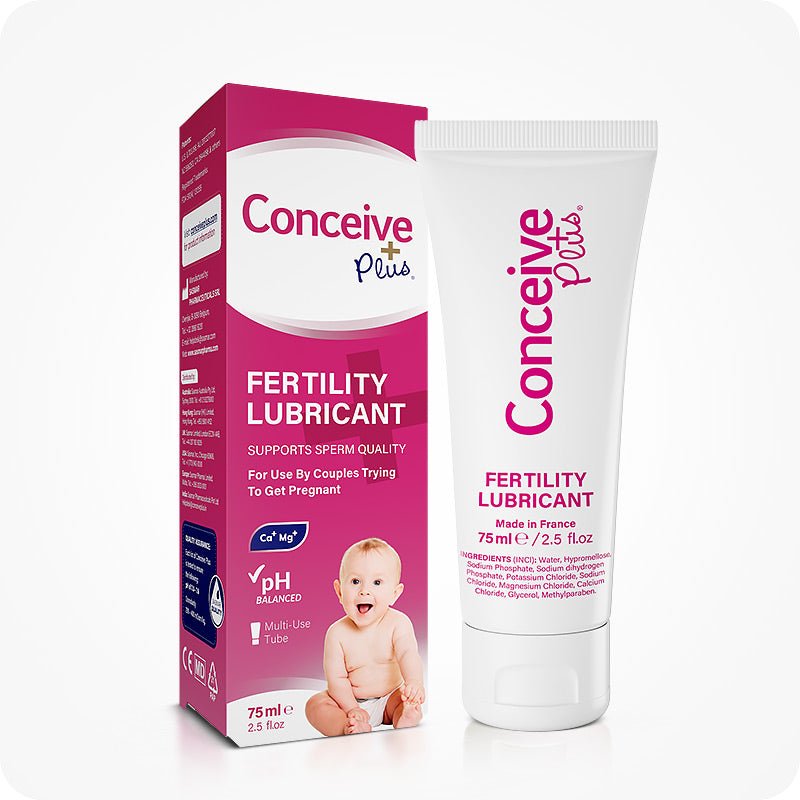
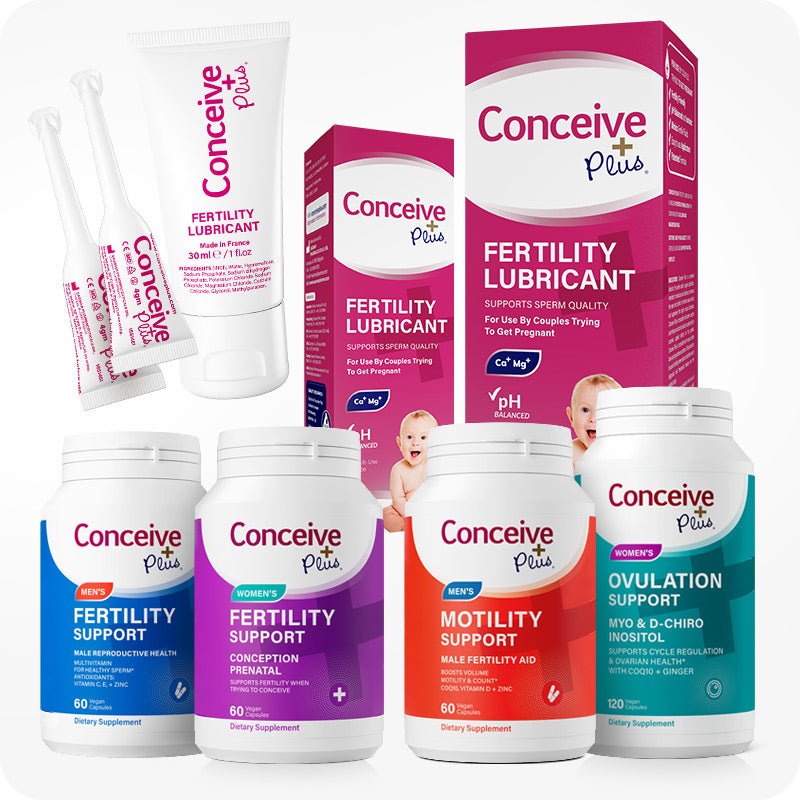
Our Ovulation & Fertility Bundle combines Myo-Inositol with essential vitamins to support healthy hormone balance and regular ovulation.
Shop Now — $55.00✓ Free shipping on orders over $40 | ✓ Trusted by millions of couples worldwide
Fertility Apps
A hormone ovulation chart typically graphs BBT readings and overlays your LH test results, showing at a glance when ovulation is likely. These apps learn your baseline data, refining predictions with each new cycle. You might receive reminders on when to test for LH or prompts to record cervical mucus. This streamlined approach transcends guesswork, ensuring that the effort you invest in daily measurements pays off with actionable insights. Despite advanced algorithms, persistent irregularities still call for medical review. No app can replace a trained professional who can order laboratory tests or conduct an ultrasound to confirm ovulation. Yet technology complements clinical expertise beautifully, offering everyday guidance that keeps you engaged in your reproductive wellness.
Lifestyle Factors
Chronic stress can elevate cortisol and alter the delicate hormone balance that controls ovulation. Lack of sleep has been linked to disruptions in the hypothalamic-pituitary-gonadal axis, making it harder to pinpoint fertile days. Conversely, a diet rich in diverse nutrients supports healthy hormone production, while regular physical activity helps regulate insulin and maintain a favorable metabolic profile. By recording changes in your lifestyle alongside hormone readings, you can identify what positively or negatively impacts your cycle. If you notice that cutting back on caffeine leads to more consistent ovulation timing, for example, that’s a direct clue on how to optimize your fertility. Such revelations go beyond baby-making, helping you feel better overall and reduce stress [4].
Accurate Data and Reproductive Goals
Some individuals may take an am I ovulating quiz to get a baseline sense of fertility awareness, but actual charts typically provide more precise and reliable information. An LH chart can confirm when the egg is poised for release, guiding couples on the best time for intercourse if they hope to conceive. Conversely, those avoiding pregnancy might use this knowledge to heighten contraceptive measures during high-fertility windows. For those coping with conditions like endometriosis or PCOS, real-time hormone monitoring can inform treatments, ensuring interventions match the true state of their cycle. By comprehensively tracking each phase, you glean the knowledge needed to make decisions rooted in clear evidence.

Beyond Fertility, the Menstrual Cycle
Some feel more sociable and ambitious when estrogen is high, around the time of ovulation, while others experience a need for self-care when progesterone rises in the luteal phase. Charting these fluctuations can help you anticipate and navigate emotional ebbs and flows, potentially improving relationships and performance at work. An ovulation hormone chart might also shed light on problems like persistent acne or irregular spotting, prompting timely conversations with a healthcare provider. Emphasizing the link between hormonal shifts and daily life fosters a holistic approach to well-being.
Progesterone and estrogen role in ovulation
It helps stabilize the uterine lining for potential implantation. If progesterone is too low, pregnancy might not be sustainable even if the egg is fertilized. By tracking your cycle over multiple months, you may see patterns indicative of inadequate progesterone levels. Early detection allows for swift interventions, such as progesterone supplements or further hormonal assessments. It also reminds us that reproductive hormones operate as a system, each phase influencing the next. No single hormone works alone, and irregularities can reverberate throughout the cycle if they remain unaddressed [5].
For a deeper dive into optimizing your fertility tracking, explore our guide on tracking LH surge and ovulation for practical tips on planning conception.
The Bottom Line
LH and ovulation chart tracking elevates awareness of your body’s shifting signals and clarifies when ovulation is most likely. By relying on an ovulation hormone chart and occasionally referencing an LH chart, you learn to interpret the subtle cues leading to egg release. At-home kits and intuitive apps have made fertility awareness accessible, empowering anyone to take charge of family planning or gain confidence in their cyclical well-being. From spotting abnormalities early to capitalizing on the most fertile days, understanding your body’s unique rhythm transforms guesswork into knowledge. As you record temperature changes, note cervical mucus textures, or review test strip lines, you deepen the connection between hormones, lifestyle, and overall health. Embrace these insights and let them guide each step of your reproductive journey, recognizing that this heightened literacy can enrich many facets of your life beyond fertility alone.
References
- Steward K, Raja A. Physiology, Ovulation And Basal Body Temperature. [Updated 2023 Jul 17]. In: StatPearls [Internet]. Treasure Island (FL): StatPearls Publishing; 2025 Jan-. Available from: https://www.ncbi.nlm.nih.gov/books/NBK546686/
- Rasquin LI, Anastasopoulou C, Mayrin JV. Polycystic Ovarian Disease. [Updated 2022 Nov 15]. In: StatPearls [Internet]. Treasure Island (FL): StatPearls Publishing; 2025 Jan-. Available from: https://www.ncbi.nlm.nih.gov/books/NBK459251/
- Al-Rshoud F, Qudsi A, Naffa FW, Al Omari B, AlFalah AG. The Use and Efficacy of Mobile Fertility-tracking Applications as a Method of Contraception: a Survey. Curr Obstet Gynecol Rep. 2021;10(2):25-29. doi: 10.1007/s13669-021-00305-4. Epub 2021 Mar 31. PMID: 33815936; PMCID: PMC8009922.
- Raab, R., Michel, S., Günther, J. et al. Associations between lifestyle interventions during pregnancy and childhood weight and growth: a systematic review and meta-analysis. Int J Behav Nutr Phys Act 18, 8 (2021). https://doi.org/10.1186/s12966-020-01075-7
- Cable JK, Grider MH. Physiology, Progesterone. [Updated 2023 May 1]. In: StatPearls [Internet]. Treasure Island (FL): StatPearls Publishing; 2025 Jan-. Available from: https://www.ncbi.nlm.nih.gov/books/NBK558960/
🌱 Support Your Fertility Journey
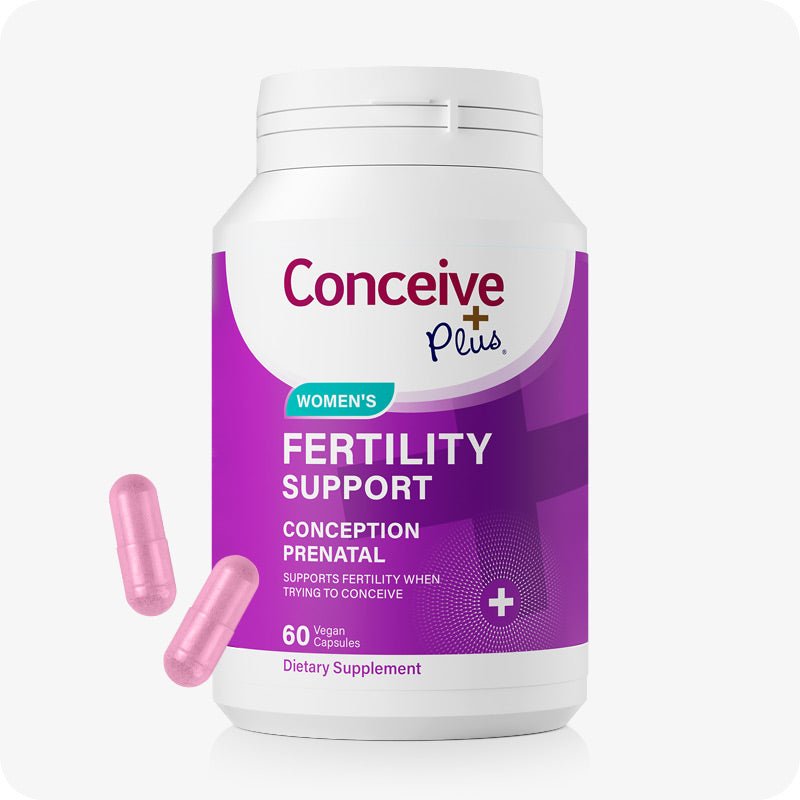
Conceive Plus fertility supplements are clinically formulated to help regulate your cycle and support egg quality.
Shop Fertility Support →Frequently Asked Questions
Recommended by Fertility Experts
Conceive Plus Men's Fertility Support
Designed to support healthy sperm production, motility, and overall male reproductive health with clinically studied nutrients.
Shop Now →Q: What does an LH surge on an ovulation chart mean?
A: An LH (luteinizing hormone) surge is the dramatic spike in hormone levels that triggers ovulation, typically occurring 24-36 hours before the egg is released from the ovary. When you see a sharp rise in LH on your ovulation chart, it signals that your body is preparing for egg release, making it the most fertile window of your cycle. Most women ovulate within 12-16 hours after the LH surge begins, which is why detecting this surge—through blood tests, urine LH strips, or fertility monitors—is so valuable for conception planning. The American Society for Reproductive Medicine (ASRM) recognizes LH surge detection as one of the most reliable methods for identifying the fertile window, with accuracy rates exceeding 95% when properly monitored.
Q: How do you read a basal body temperature and LH chart together?
A: Reading a BBT and LH chart together provides complementary information about your fertile window: the LH surge (detected on an ovulation predictor kit or chart) typically appears 12-24 hours *before* ovulation, while basal body temperature rises *after* ovulation occurs, confirming that ovulation has already happened. The ideal approach is to use LH strips or monitoring to *predict* ovulation (identifying your most fertile days), and then track BBT afterward to *confirm* ovulation has occurred. When combined, these methods create a comprehensive picture of your cycle—your rising estrogen triggers the LH surge, which triggers ovulation, which then causes a slight temperature increase due to progesterone production. For couples trying to conceive, timing intercourse during the LH surge window (rather than waiting for the BBT rise) is more effective since the egg is viable for only 12-24 hours after release.
Q: What is a normal estrogen and LH pattern on an ovulation chart?
A: A normal ovulation chart shows estrogen gradually rising during the follicular phase (days 1-14 of a typical 28-day cycle), followed by a sharp LH surge that peaks dramatically over 24-48 hours, signaling imminent ovulation. After ovulation, LH levels drop significantly while progesterone rises, creating a biphasic pattern on your chart with elevated temperatures in the luteal phase. Most women with regular cycles show an LH surge between days 12-16 of their cycle, though this varies considerably—cycles can range from 21-35 days according to the American College of Obstetricians and Gynecologists (ACOG). If your chart shows irregular or absent LH surges, weak surges, or an abnormal estrogen pattern, it may indicate ovulation disorders that warrant discussion with a fertility specialist, though many women successfully conceive by understanding their unique patterns and supporting their fertility with proper nutrition and supplements like Conceive Plus.
Q: How accurate are ovulation prediction charts for predicting fertility?
A: Ovulation prediction charts, when tracking LH surges through urine test strips or blood work, have a reliability rate of 90-99% for identifying the ovulation window, making them significantly more accurate than calendar-based methods alone. The fertile window typically spans 5 days before ovulation and 1 day after, and studies show that conception is most likely when intercourse occurs during the 2-3 days before and the day of the LH surge. Research published in reproductive health journals demonstrates that women using LH detection methods achieve conception rates 20-30% higher than those relying on calendar tracking alone. However, accuracy depends on consistent daily testing, proper timing of tests (usually mid-morning urine), and understanding that ovulation timing can vary cycle-to-cycle; some women find that combining LH chart tracking with basal body temperature and cervical mucus observations further improves their ability to identify their most fertile days.
Q: Can you get pregnant without seeing an LH surge on your chart?
A: While an LH surge is the standard marker of ovulation, approximately 5-10% of women may experience ovulation without a detectable surge on standard ovulation charts, a condition sometimes called "silent ovulation" or low LH production. Some women with polycystic ovary syndrome (PCOS) or other hormonal conditions may have consistently elevated baseline LH levels that make surge detection difficult, yet they can still ovulate and conceive naturally. Additionally, ovulation can occasionally occur without a pronounced LH surge if progesterone rises sufficiently to trigger egg release through alternative hormonal pathways. For women who aren't detecting clear LH surges on their ovulation charts after 2-3 months of tracking, consulting with a reproductive endocrinologist for blood hormone testing is recommended; meanwhile, supporting overall reproductive health through proper nutrition, regular ovulation-supporting supplements like Conceive Plus, and tracking additional fertility signs like cervical mucus changes can help optimize conception chances.
Trusted by Couples in Over 70 Countries
Support Male Fertility From the Inside Out
Male fertility is just as important as female fertility in the conception journey. Conceive Plus Men's range delivers targeted nutritional support to promote healthy sperm and overall reproductive wellbeing.
Shop Men's Range →