What Does It Mean When a Female is Fertile?
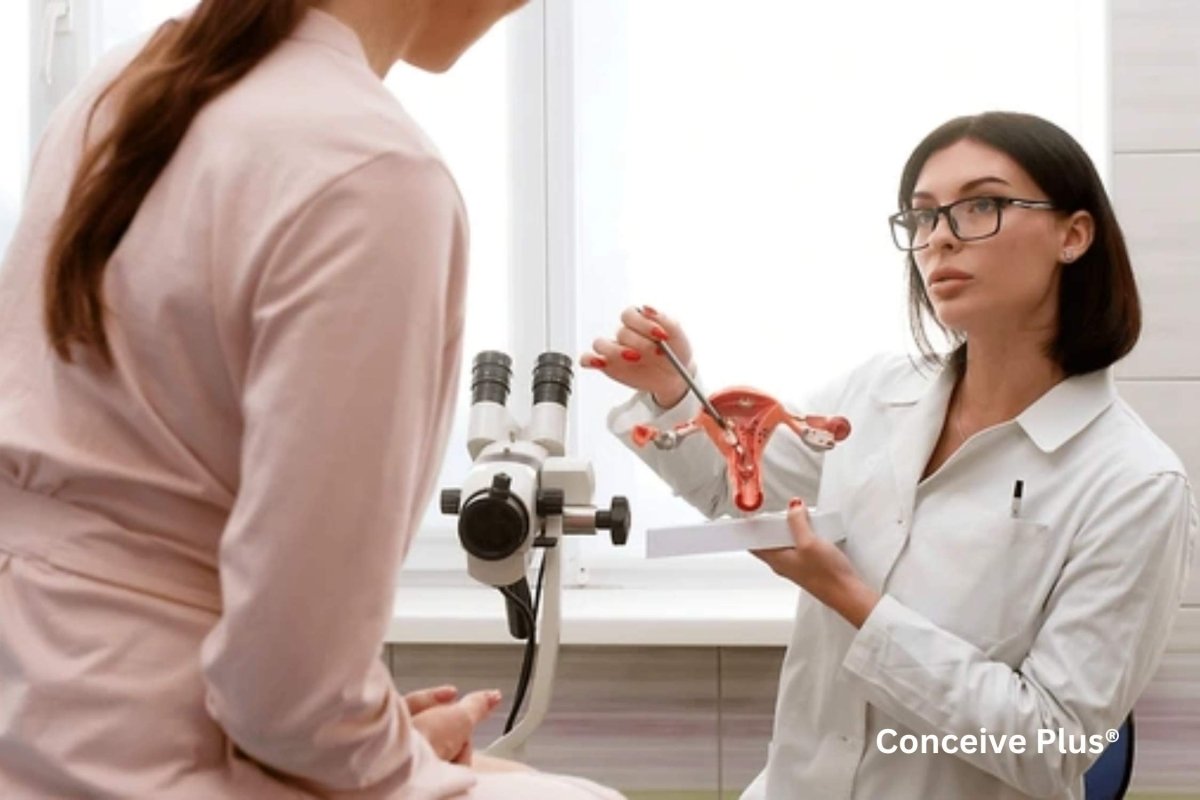

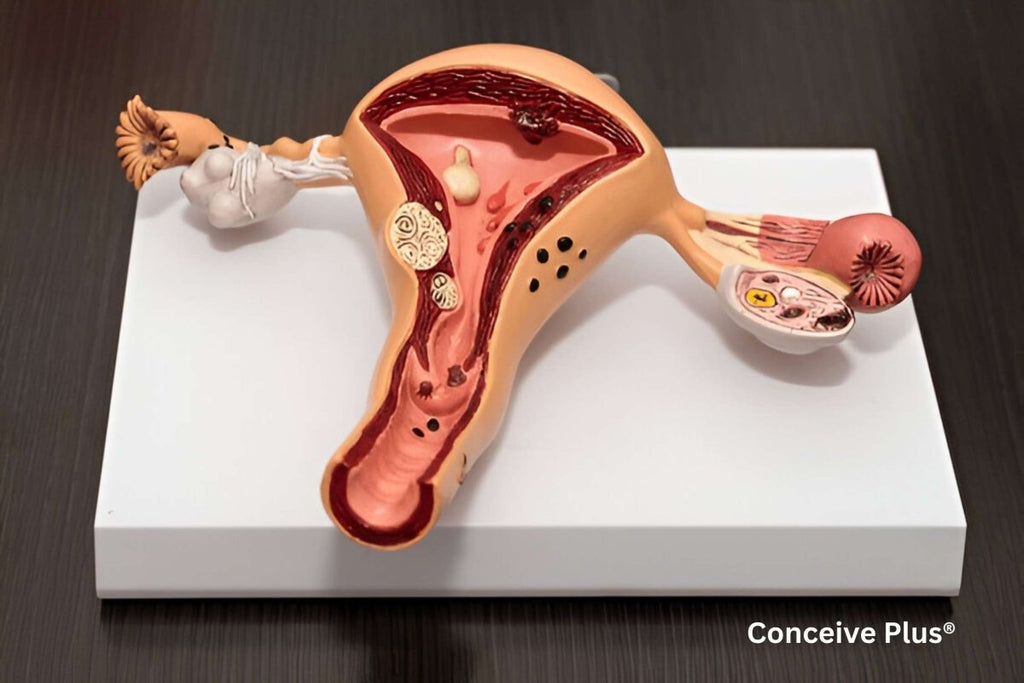
When a female is fertile, it means she is in the part of her menstrual cycle when she can conceive. This usually occurs around the time of ovulation, which is when her ovaries release the egg [1].
Normally, ovulation happens about 14 days before the start of the next menstrual cycle [2]. This is the time when a female can conceive, and this time is called the fertility window. The fertility window generally extends a few days before and after ovulation.
In this article, we will discuss in detail about female ovulation and answer what does it mean when a female is fertile or what does it mean for a woman to be fertile.
Female Fertility
Female fertility, in simple words, is the ability of women to conceive and carry a pregnancy to term. Female reproductive health and menstrual cycle are closely related to their fertility.
Ovulation is the key event in the female fertility process which occurs during the menstrual cycle. Ovulation is the release of egg from the ovary which typically occurs once during her menstrual cycle.
When ovulation occurs, it provides a window of opportunity for conception. This means if sperm are available at the time of ovulation or shortly after ovulation, fertilization of egg and pregnancy can occur.
However, this is just a mechanism of how the female reproductive system works. Even if sperm are available during ovulation, it doesn’t always mean the female will achieve pregnancy. This is because there are many other factors that play an important role in female fertility and pregnancy.

What is the Menstrual Cycle?
The menstrual cycle is a monthly process in females that prepares the body for pregnancy. The average duration of the menstrual cycle is 28 days and it includes the following events:
- Menstruation: The menstruation phase is the start of the cycle when bleeding occurs. Bleeding occurs due to the shedding of uterine linings.
- Follicular Phase: The follicular phase is also called the proliferative phase. In this phase, an egg starts to mature in the ovary. The uterine lining also starts to prepare for the pregnancy in this phase.
- Ovulation: It is important to know when do females ovulate for a successful conception. Ovulation occurs when the egg is released from the ovary, usually on day 14. The ovaries transfer the mature egg to the fallopian tube for fertilization.
- Luteal Phase: The luteal phase is also called the secretory phase and it occurs at the end of the menstrual cycle. In the luteal phase, the hormonal changes cause the uterine wall to thicken and prepare for pregnancy.
However, if fertilization does not happen, uterine linings start to shed again, and the cycle restarts.

If a female knows when ovulation occurs, she can plan sexual intercourse on those days to ensure that sperm are available for fertilization.
What are the Signs of Ovulation?
If a woman is trying to conceive, she must know about her ovulation dates.
But how can a woman tell when she is ovulating? When are women ovulating during the menstrual cycle?
Well, there are some signs that indicate ovulation during the menstrual cycle. These include:
- Change in cervical mucus: It becomes clear, slippery, and stretchy, like egg whites.
- Mild pelvic pain: Some women feel a slight ache or pain in the lower abdomen.
- Increase in body temperature: A small rise in body temperature happens after ovulation.
- Breast tenderness: Hormonal changes can make breasts feel tender, or you may find sore nipples.
- Heightened sense of smell: Some women become more sensitive to smells during ovulation.
If you understand these signs, you can tell when your fertility window arrives. Information about the fertility window is especially important when you are trying to conceive. This is because planning intercourse during the fertility window increases the chances of conception.
Importance of Fertile Window For Pregnancy
The fertile window refers to the days in the menstrual period when pregnancy is possible. It typically includes 6 days and ends on the day of ovulation [3].
It is the time when the chances of fertilization are maximum. To make fertilization possible, you should plan sexual intercourse during these six days of the fertile window. This is because sperm can live in the female body for 5 days on average [4].
There are different methods that can help you identify this duration or fertile window. These include tracking menstrual cycles, monitoring body temperature, and observing changes in cervical mucus.

✨ Trying to Conceive?
Our Ovulation & Fertility Bundle combines Myo-Inositol with essential vitamins to support healthy hormone balance and regular ovulation.
Shop Now — $55.00✓ Free shipping on orders over $40 | ✓ Trusted by millions of couples worldwide
Factors Affecting Female Fertility
It is possible that you fail to conceive even after repeated sexual intercourse during the fertile window. It may stress you about your reproductive health. This is why you need to understand that planning intercourse on the right days isn’t enough to achieve conception.
There are many other factors that influence female fertility and can increase or decrease the chances of conception. Some common factors include:
- Age: The chances of pregnancy decrease in women with age, especially after 35 years of age [5]. Understanding what age are women most fertile can help couples plan for conception and address potential fertility challenges effectively.
- Hormonal issues: Hormonal imbalances in women can cause reproductive problems such as polycystic ovary syndrome (PCOS). Studies show that PCOS can significantly reduce the chances of conception [6].
The imbalance of luteinizing hormone (LH) and follicle-stimulating hormone (FSH) are among the major reasons for infertility in many women.
- Lifestyle choices: Poor lifestyle habits such as smoking, drinking too much alcohol, and unhealthy diet can harm fertility [7].
- Stress: Stress can disrupt the menstrual cycle and reduce the chance of successful conception [8].
- Health conditions: Female health issues like endometriosis or fibroids can reduce the chances of pregnancy.

Tips to Increase the Chances of Conception
Here are some general tips that you can follow to improve your reproductive health and increase the chances of conception:
-
Track your ovulation
Information about ovulation days helps you plan intercourse at the right time and increases the chance of getting pregnant. You can monitor changes in your body, like cervical mucus and body temperature, or buy an ovulation predictor kit.
You can also use the Conceive Plus ovulation calculator to track your ovulation dates.
-
Maintain a healthy weight
If a woman is underweight or overweight, it can affect her hormone levels and ovulation. A balanced diet and regular exercise can help you reach and maintain a healthy weight.
-
Eat a balanced diet
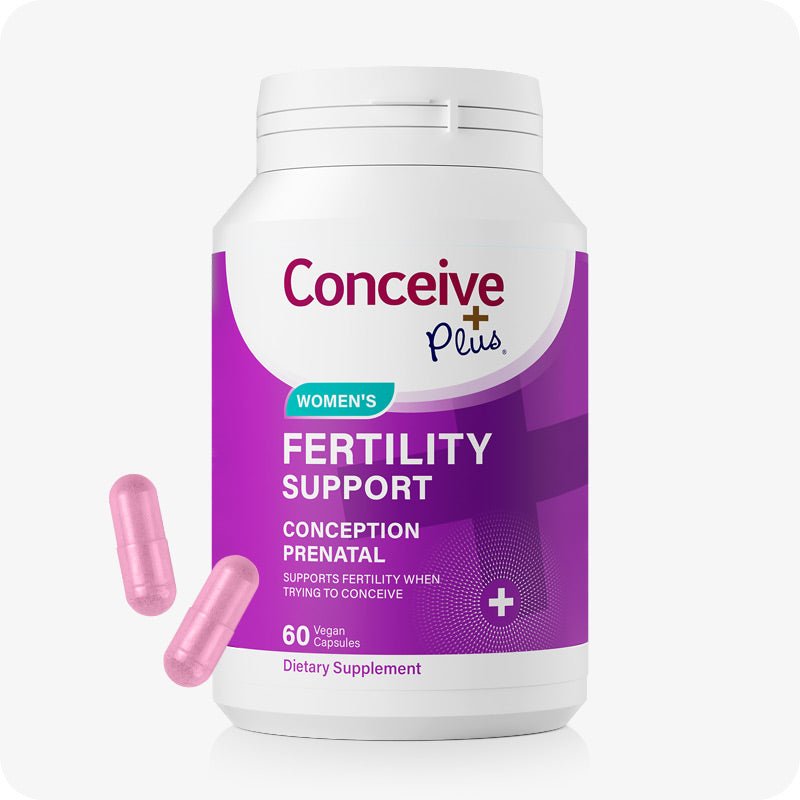
Eat a variety of fruits, vegetables, and whole grains to support overall health and fertility. Using Conceive Plus Women’s Fertility Support, enriched with folate, myo-inositol, and zinc, can help regulate hormones, support ovulation, and improve overall reproductive health. Nutrient-rich foods can provide you with the essential vitamins and minerals your body needs for conception.
-
Quit smoking and alcohol:
Smoking and alcohol intake in females can harm the eggs and reduce the chances of conception. Quitting smoking and alcohol intake can improve fertility and increase the likelihood of a healthy pregnancy.
-
Manage stress
High stress levels can disrupt your menstrual cycle and make it harder to conceive. You must practice relaxation techniques like deep breathing, yoga, or meditation to deal with the stress.

FAQs
-
When do women typically ovulate?
Women typically ovulate 14 days from when the menstruation starts. Or, in other words, women typically ovulate on the 14th day of their menstrual cycle.
-
How often do females ovulate?
Females ovulate once during their menstrual cycle or once in 28 days. The ovulation phase usually comes after 14 days after the start of the menstrual cycle.
Conclusion
When we say the girl is fertile meaning she can successfully conceive a child. The duration when a female is fertile comes during the days of the menstrual cycle. During the ovulation phase, when the ovaries release the egg, the chances of conception are high.
However, successful pregnancy depends on many other factors too other than the fertility window. These include diet, lifestyle choices, health conditions, and overall fertility awareness. If you are trying to conceive, you must consider all the factors that impact female fertility.
Resources Used
- Professional, C. C. M. (2024b, May 1). Ovulation. Cleveland Clinic. https://my.clevelandclinic.org/health/articles/23439-ovulation
- Thiyagarajan, D. K., Basit, H., & Jeanmonod, R. (2024). Physiology, menstrual cycle. In StatPearls (pp. 1-10). StatPearls Publishing. https://www.ncbi.nlm.nih.gov/books/NBK500020/
- Ovulation Calculator. (n.d.). WebMD. https://www.webmd.com/baby/healthtool-ovulation-calculator
- Sperm: How long do they live after ejaculation? (2022b, May 5). Mayo Clinic. https://www.mayoclinic.org/healthy-lifestyle/getting-pregnant/expert-answers/pregnancy/faq-20058504
- Trying to Conceive After Age 35. (2022, June 14). American Pregnancy Association. https://americanpregnancy.org/getting-pregnant/trying-to-conceive-after-age-35/
- McDonnell, R., & Hart, R. J. (2017). Pregnancy-related outcomes for women with polycystic ovary syndrome. Women's Health, 13(3), 89-97. https://doi.org/10.1177/1745505717731971
- He, S., & Wan, L. (2023). Associations between smoking status and infertility: A cross-sectional analysis among USA women aged 18-45 years. Frontiers in Endocrinology, 14. https://doi.org/10.3389/fendo.2023.1140739
- Mayo Clinic Health System. Infertility and stress. Retrieved from https://www.mayoclinichealthsystem.org/hometown-health/speaking-of-health/infertility-and-stress
🌱 Support Your Fertility Journey
Conceive Plus fertility supplements are clinically formulated to help regulate your cycle and support egg quality.
Shop Fertility Support →Frequently Asked Questions
Recommended by Fertility Experts
Conceive Plus Men's Fertility Support
Designed to support healthy sperm production, motility, and overall male reproductive health with clinically studied nutrients.
Shop Now →How long is the fertility window during my menstrual cycle?
The fertility window typically lasts about 5-6 days total, extending from approximately 5 days before ovulation through the day of ovulation itself. Since ovulation usually occurs around day 14 of a 28-day cycle, your most fertile days are generally between days 9-14. However, this can vary significantly based on individual cycle length and regularity, so tracking your cycle is important for accurate prediction.
What are the signs that I'm ovulating?
Common ovulation signs include a slight rise in basal body temperature (about 0.5-1 degree Fahrenheit), changes in cervical mucus (becoming clear, stretchy, and egg-like), mild pelvic pain or cramping on one side (mittelschmerz), and slight breast tenderness. Some women also experience a surge in energy or mild spotting. Ovulation predictor kits, which detect the LH hormone surge, are also FDA-approved tools that can help identify your ovulation day with greater accuracy.
Can I get pregnant if I have an irregular menstrual cycle?
Yes, you can still get pregnant with an irregular cycle, but predicting ovulation becomes more challenging. Women with irregular cycles should consider using ovulation predictor kits or tracking basal body temperature more carefully to identify their fertility window. If you're struggling to conceive after one year of unprotected intercourse (or six months if over age 35), the American Society for Reproductive Medicine (ASRM) recommends consulting a fertility specialist for evaluation.
Does age affect my fertility?
Yes, age significantly impacts female fertility, with fertility declining gradually after age 30 and more sharply after age 35 due to a decrease in egg quantity and quality. Women over 35 have a higher risk of chromosomal abnormalities and miscarriage. If you're 35 or older and have been trying to conceive for six months without success, or if you're under 35 and have tried for one year, ASRM recommends seeking evaluation from a fertility specialist.
What other factors besides ovulation affect my ability to get pregnant?
Female fertility depends on multiple factors including the health and patency of fallopian tubes, normal uterine structure, adequate hormone levels (progesterone and estrogen), healthy egg quality, and overall reproductive health. Male partner factors such as sperm count, motility, and morphology are equally important. Additional factors affecting fertility include age, weight, stress levels, lifestyle habits (smoking, alcohol use), and underlying medical conditions like endometriosis or PCOS.
Should I use an ovulation predictor kit, and how accurate are they?
Ovulation predictor kits are FDA-approved tools that detect the LH (luteinizing hormone) surge occurring 24-36 hours before ovulation, making them generally 99% accurate at predicting ovulation when used correctly. They are particularly helpful for women with regular cycles who want to time intercourse during their fertile window. However, they may be less reliable for women with irregular cycles, PCOS, or elevated baseline LH levels, in which case consulting with a healthcare provider is advisable.
When should I see a fertility specialist about my fertility concerns?
The American Society for Reproductive Medicine recommends that women under 35 see a fertility specialist if they haven't conceived after one year of unprotected intercourse, while women 35 and older should seek evaluation after six months of trying. You should also consult earlier if you have known fertility risk factors such as irregular periods, endometriosis, a history of pelvic inflammatory disease, or if your male partner has known fertility issues. Many insurance plans in the US cover initial fertility evaluations; check your plan details for coverage information.
Trusted by Couples in Over 70 Countries
Support Male Fertility From the Inside Out
Male fertility is just as important as female fertility in the conception journey. Conceive Plus Men's range delivers targeted nutritional support to promote healthy sperm and overall reproductive wellbeing.
Shop Men's Range →