Sperm Friendly Lubricant for Fertility: The Science of Supporting Conception in 2026


Did you know that the very product you're using to make "baby making" more comfortable could actually be acting as a chemical barrier to conception? It's a common fear. For many of the 1 in 6 people globally who experience infertility, the stress of timed intercourse often leads to physical discomfort. Choosing a sperm friendly lubricant for fertility ensures that you aren't accidentally harming sperm motility or viability during your most critical window.
We understand that the jargon surrounding pH levels and isotonicity can feel overwhelming when you're just trying to start a family. This article simplifies the science. You'll learn how FDA-cleared lubricants under the PEB classification create a bio-mimicking bridge that protects sperm from the naturally acidic vaginal environment. We'll explore how these products provide the essential ions needed for fertilization, helping you choose a solution that offers both comfort and confidence on your path to parenthood.
Key Takeaways
- Understand why standard off-the-shelf lubricants often act as physical and chemical barriers that can damage sperm DNA and hinder motility.
- Learn how a true sperm friendly lubricant for fertility mimics natural cervical mucus by maintaining a specific pH range of 7.0 to 7.5.
- Discover the hidden risks of using household "natural" oils like coconut or olive oil, which can significantly impair sperm movement and vaginal health.
- Compare the practical benefits of using multi-use tubes versus pre-filled internal applicators to ensure the lubricant is present where it's needed most.
- Explore how essential ions like magnesium and calcium in specialized formulas support the natural fertilization process and sperm viability.
The Hidden Barrier: How Standard Lubricants Affect Sperm Health
Many couples assume that any lubricant will help the process of conception by making intercourse easier. The reality is quite the opposite. Most off the shelf lubricants act as a chemical and physical blockade rather than a facilitator. These products are typically formulated with a pH of around 4.5 to match the naturally acidic environment of the vagina. While this acidity protects against infections, it's lethal for sperm, which require a pH between 7.2 and 8.5 to survive. When sperm encounter standard lubricants, they suffer from "acid shock," which halts their movement almost instantly.
Beyond pH levels, osmolarity plays a devastating role. Osmolarity refers to the concentration of particles in a fluid. Standard lubricants are often hyperosmotic, meaning they have a much higher salt and sugar concentration than human tissues. When sperm come into contact with these fluids, the high osmotic pressure pulls water out of the sperm cells, causing them to shrivel and lose their ability to swim. To understand how standard lubricants affect sperm, you have to look at this cellular level where permanent DNA damage can occur within minutes of exposure.
To better understand this concept, watch this helpful video from a fertility expert:
The Motility Trap: Why Standard Lubes Stop Sperm
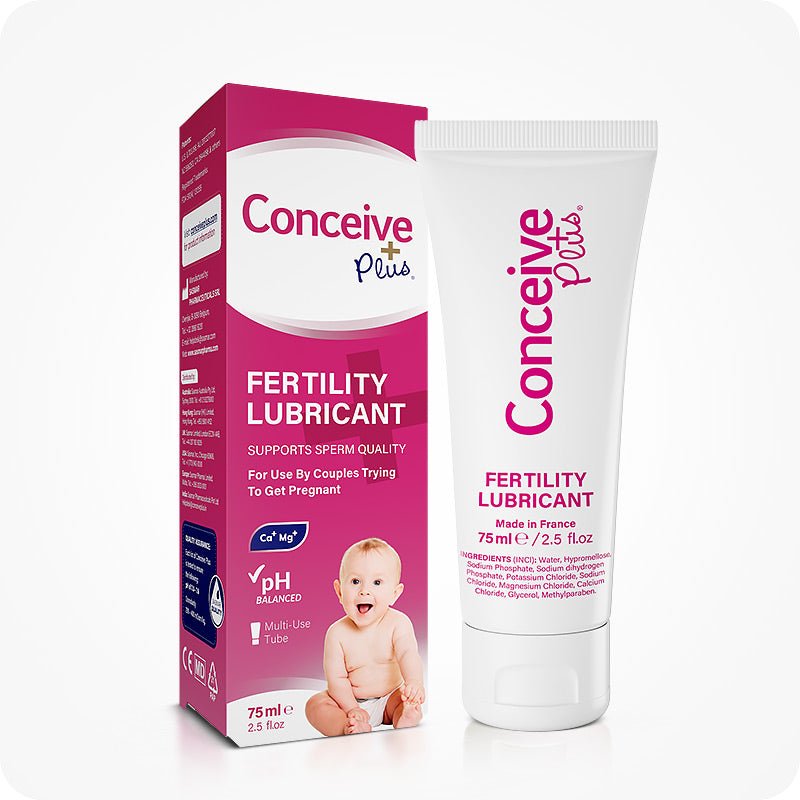
Standard lubricants often have a thick, tacky texture that physically traps sperm cells in a sticky matrix. Even if the chemical makeup doesn't kill them, the physical consistency prevents them from ever reaching the cervix. Many of these products also contain preservatives like parabens or glycerin. Glycerin is particularly problematic for those trying to conceive because it's a sugar that increases osmolarity and feeds potential yeast infections. Switching to a sperm friendly lubricant for fertility is a simple way to remove this obstacle. These specialized formulas are designed to be "isotonic," meaning they match the natural balance of your body's fluids and allow sperm to swim freely.
Vaginal Dryness During the TTC Journey
The journey toward conception is often accompanied by unexpected physical challenges. Stress and the pressure of "timed intercourse" can naturally reduce arousal fluids, making intimacy uncomfortable. This issue is frequently compounded by fertility medications. Drugs like clomiphene citrate are known to dry out cervical mucus, which is the body's natural sperm friendly lubricant for fertility. When natural lubrication is missing, many people turn to household alternatives like saliva or olive oil. Saliva contains digestive enzymes that break down sperm membranes; olive oil is too heavy and can disrupt your vaginal microbiome. Using a professional, fertility friendly lubricant provides the necessary moisture without compromising your chances of success.
The Science of Sperm Friendly Lubricant for Fertility
Many couples mistakenly believe that any product labeled "non-spermicidal" is safe for conception. However, the science behind a true sperm friendly lubricant for fertility goes far deeper than simply excluding sperm-killing chemicals. While a standard lube might not contain a spermicide, its physical and chemical properties can still render sperm immobile or cause cellular damage. To be truly effective, a lubricant must be bio-mimetic, meaning it replicates the specific environment of fertile cervical mucus produced by the body during ovulation.
A major factor often overlooked by standard brands is osmolarity. This measurement refers to the balance of salts and minerals in a fluid. If a lubricant is hypertonic, meaning it has too many salts, it draws water out of the sperm cells, causing them to shrivel. Conversely, a hypotonic solution causes water to rush into the sperm, leading them to burst. Only an isotonic solution maintains the delicate equilibrium required for sperm to survive the journey to the egg. You can find detailed scientific studies on lubricants and sperm health that highlight how these osmotic imbalances are a primary reason standard lubricants fail couples who are trying to conceive.
Creating a pH-Safe Haven for Sperm
The vaginal environment is naturally acidic, with a pH level between 3.8 and 4.5. This acidity is a defense mechanism against infections, but it's lethal to sperm. During your fertile window, your body produces cervical mucus with a pH of 7.0 to 7.5 to neutralize this acidity and create a safe passage. A high-quality sperm friendly lubricant for fertility must match this alkaline range exactly. Using a "pH-balanced" feminine lubricant isn't enough, as those products are usually balanced to the vagina's acidic state, not the sperm's alkaline needs. Ensuring your lubricant sits in the 7.0 to 7.5 range is vital for maintaining sperm motility and viability.
The Role of Calcium and Magnesium Ions
Beyond pH and osmolarity, the presence of specific electrolytes is crucial for the fertilization process. Sperm cells must undergo a process called "capacitation" and "hyperactivation" to gain the energy needed to swim through the cervix and penetrate the egg's tough outer shell. This process is triggered by calcium and magnesium ions naturally found in human semen and fertile cervical fluids. Conceive Plus is the only brand featuring these essential ions in a patented formula to support the natural environment sperm need to thrive. If you are looking for a way to support your body's natural processes, exploring specialized fertility lubricants can provide the missing link in your TTC strategy.
Evaluating Your Options: Fertility Lube vs. Common Alternatives

✨ The #1 Fertility-Friendly Lubricant
Regular lubricants can harm sperm. Conceive Plus is clinically shown to maintain sperm motility — used by couples in over 70 countries.
Shop Now — $19.88✓ Free shipping on orders over $40 | ✓ Trusted by millions of couples worldwide
Choosing the right tools for your fertility journey involves looking beyond marketing buzzwords. Many people assume that water-based lubricants are safe because they aren't "oily," but their chemical makeup often tells a different story. When you're actively trying to conceive, using a sperm friendly lubricant for fertility is about more than just comfort. It's about ensuring that your choice doesn't inadvertently sabotage your chances. Most household items and standard store-bought gels weren't designed with the delicate biology of a sperm cell in mind.
Standard Lube vs. Sperm-Safe Formulas
Standard water-based lubricants often rely on high concentrations of glycerin to provide "slip." This creates a hypertonic environment where sperm cells lose water rapidly. This "osmotic shock" doesn't just slow them down; it can cause the sperm to shrivel and lose their swimming capability entirely. In contrast, sperm-safe formulas are designed to mimic the viscosity of fertile cervical mucus. This allows sperm to glide through the medium effortlessly rather than getting stuck in a thick, sticky matrix. You can read more about the science of sperm motility to see how these physical properties impact the journey to the egg.
It's a common mistake to use saliva as a "free" lubricant. However, saliva is surprisingly toxic to sperm. It contains digestive enzymes designed to break down food, which can quickly degrade the delicate membranes of sperm cells. Studies have shown that even small amounts of saliva can significantly reduce sperm motility. Similarly, silicone-based lubricants should be avoided during the fertile window. Silicone is non-porous and doesn't mix with water-based body fluids, essentially creating a film that prevents sperm from reaching the cervix.
Why 'Natural' Doesn't Always Mean 'Fertility Friendly'
Many TTC communities suggest kitchen staples like coconut oil or olive oil as "safe" alternatives. This is a misconception. These oils are highly occlusive, meaning they can trap bacteria against the vaginal wall and lead to yeast infections or bacterial vaginosis. Additionally, kitchen oils lack the pH-balancing properties required to support sperm health. Another persistent myth is the use of raw egg whites. While they may feel similar to cervical mucus, they carry a high risk of Salmonella contamination and can introduce foreign proteins that trigger an immune response in the vaginal canal.
When evaluating products, keep a close eye on the ingredient list. To protect your fertility, avoid products containing:
- Glycerin: Increases osmolarity and dehydrates sperm.
- Petroleum or Mineral Oil: Can disrupt the vaginal pH and trap bacteria.
- Parabens: Often used as preservatives, these are potential endocrine disruptors.
- Nonoxynol-9: A known spermicide found in some "standard" lubricants.
Investing in a dedicated sperm friendly lubricant for fertility removes the guesswork. It ensures that your environment is optimized for conception rather than acting as a hidden barrier to your success.
Choosing the Right Format: Tubes vs. Pre-Filled Applicators
Once you've decided to switch to a sperm friendly lubricant for fertility, the next step is deciding how to use it. Many people don't realize that the delivery method can be just as important as the formula itself. While the goal is to support conception, the practical application often depends on your specific needs for comfort and where you need the most moisture. Choosing between a multi-use tube and a pre-filled applicator isn't just about personal preference; it's about ensuring the lubricant is exactly where it needs to be to help those sperm reach their destination.
The Multi-Use Tube: Flexibility and External Comfort
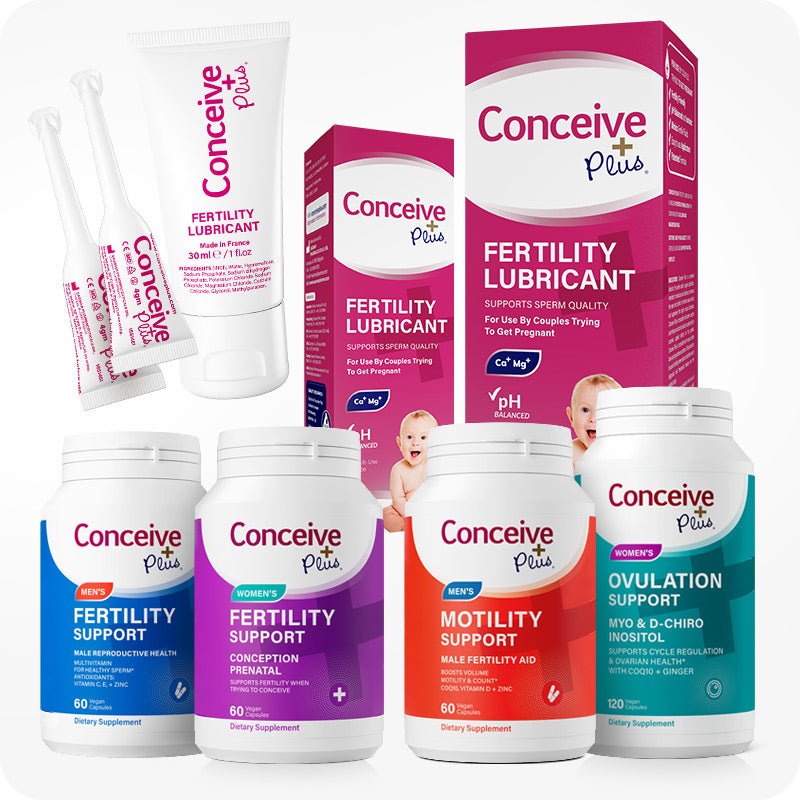
Multi-use tubes are a staple for many couples on their TTC journey. They offer a high level of flexibility because you can control exactly how much product you use each time. These are particularly effective for addressing external dryness and enhancing the overall experience of intimacy. From a practical perspective, tubes are often more cost-effective for couples who use lubricant frequently throughout their fertile window. You can check out the best-selling fertility products to find tube options that easily fit into your routine. They're simple to apply and can be used by both partners to reduce friction and improve comfort immediately.
Pre-Filled Applicators: Targeting the Cervix
Pre-filled applicators are designed for a more targeted, internal approach. They allow you to deposit the lubricant deep inside the vaginal canal, right near the cervix. This is crucial because it ensures the sperm enter a supportive, pH-balanced environment the moment they are released. These applicators are single-use, which maintains a high standard of hygiene and prevents the introduction of unwanted bacteria. For the best results, use an applicator 10 to 15 minutes before intercourse. This lead time allows the fluid to coat the vaginal walls and reach your body temperature, creating a seamless "bridge" for sperm motility.
Many couples find that combining both formats provides the most comprehensive support. You might use an applicator internally to prepare the pathway for the sperm, while using a small amount from a tube externally for immediate physical comfort. This dual-approach ensures that you're addressing both the biological requirements for a sperm friendly lubricant for fertility and the physical need for moisture. Finding the right balance between these two formats can help you feel more confident and relaxed during your most fertile days.
Ready to optimize your conception environment with a formula designed by experts? Explore our full range of fertility support products today.
Maximizing Your Chances with Conceive Plus
Conceive Plus isn't just another product on the shelf. It's a scientifically developed tool designed to bridge the gap between physical comfort and biological necessity. As the only brand featuring a patented formula with magnesium and calcium ions, it directly supports the hyperactivation of sperm. This process is what allows sperm to reach and penetrate the egg. By choosing a sperm friendly lubricant for fertility that's FDA-cleared under the PEB classification, you're ensuring your choice has been tested for safety with embryos and gametes. This classification, governed by regulation 21 CFR 884.5300, is only granted to products that prove they aren't harmful to the delicate cells involved in conception.
While standard lubricants focus solely on reducing friction, this formula focuses on survival. It mimics the body's natural fluids to keep sperm moving for longer periods. This is especially important because sperm can live inside the female reproductive tract for several days, but only if the environment is supportive. Using a sperm friendly lubricant for fertility removes the "acid shock" that usually occurs with traditional gels, giving every sperm cell a better chance of reaching its destination.
A Formula Trusted by Doctors and TTC Couples
Clinical studies and doctor recommendations have made this brand a staple in fertility clinics worldwide. The formula supports both sperm longevity and female comfort, addressing the physical dryness that often accompanies fertility treatments or stress. It's a Class II medical device, which means it meets rigorous standards for safety and efficacy. You don't have to take our word for it; you can read Conceive Plus reviews from thousands of real couples who have used these products to help achieve their dreams of parenthood.
Comprehensive TTC Support
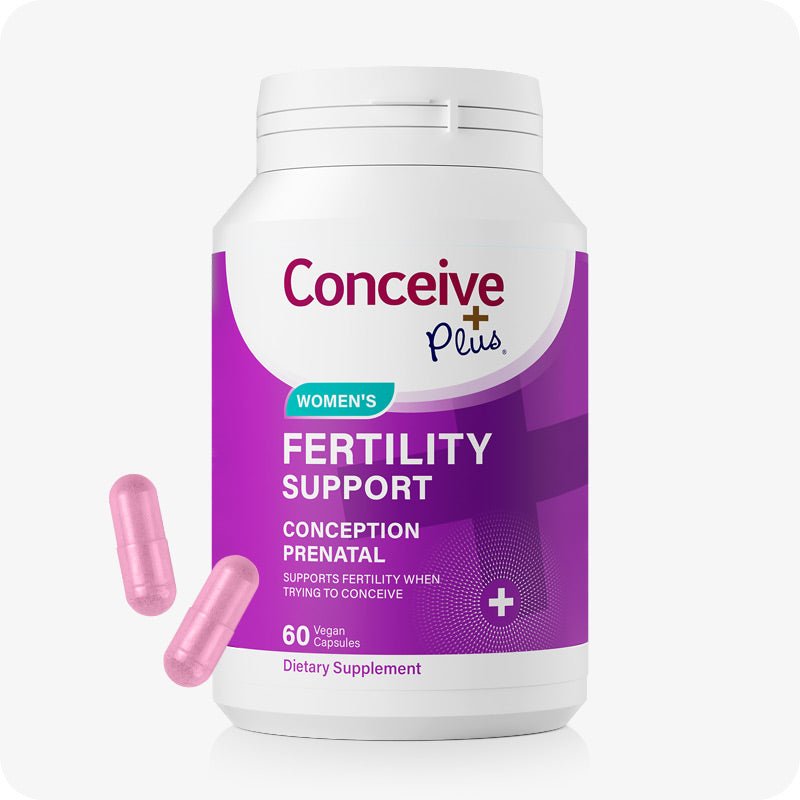
Successful conception often requires a multi-layered approach. While the lubricant handles the immediate environment during intercourse, your overall health sets the stage for success. Many couples find the best results by timing their intimacy with an ovulation calculator to ensure they're using the lubricant during their peak fertile days. To streamline your journey, consider fertility product bundles that combine lubrication with specialized prenatal support. This holistic strategy addresses fertility from both a nutritional and a physical perspective, giving you the confidence that you're doing everything possible to support a healthy pregnancy.
Take Charge of Your Path to Parenthood
Choosing a sperm friendly lubricant for fertility is a small but powerful step in optimizing your conception environment. By moving away from standard lubricants that act as chemical barriers, you're providing sperm with the pH-balanced, isotonic medium they need to thrive. You've learned how specialized formulas mimic the body's natural fertile fluids, ensuring that physical comfort never comes at the cost of your reproductive goals. Every detail matters when you're timing intercourse, and the right support can make the process much more relaxed.
Conceive Plus stands as a trusted leader in this field, having supported millions of couples since 2008. It remains the only lubricant on the market to include essential Calcium and Magnesium ions to support the fertilization process. When you choose an FDA-cleared and clinically tested solution, you can feel confident that every part of your TTC journey is backed by science. Don't let physical discomfort or the wrong products slow you down on your way to meeting your future family.
Ready to create the ideal environment for conception? Shop Conceive Plus Fertility Lubricants to Support Your TTC Journey and take the next step toward your positive pregnancy test with confidence. You've got the science on your side, and we're here to support you every step of the way.
Frequently Asked Questions
Is sperm-friendly lubricant necessary if I don't have vaginal dryness?
While not mandatory if you have sufficient natural fluids, using a sperm friendly lubricant for fertility acts as a proactive safety net. Many factors like stress or caffeine can unexpectedly reduce your natural fertile mucus during timed intercourse. Even without noticeable dryness, these specialized formulas provide essential ions like calcium and magnesium that support sperm hyperactivation. It ensures your environment remains supportive throughout the entire act of intercourse regardless of your natural moisture levels.
Can I use standard water-based lubricant while trying to conceive?
You should avoid standard water-based lubricants during your fertile window. Most off-the-shelf options are formulated with an acidic pH and high salt concentrations to prevent infections, which unfortunately halts sperm movement almost instantly. These products can act as a chemical barrier that stops conception before it begins. If you need lubrication for comfort, always opt for a product specifically cleared by the FDA for use by couples trying to conceive.
How do I know if a lubricant is truly 'sperm friendly'?
Check the packaging for specific regulatory language. A truly compatible product will be FDA-cleared as a fertility-friendly lubricant under the PEB product code. Don't rely on the term "non-spermicidal" alone, as this doesn't guarantee the product won't harm sperm motility or DNA integrity. Look for mentions of being isotonic and pH-balanced to a range of 7.0 to 7.5, which are the biological gold standards for sperm survival.
Does fertility lubricant increase the chances of getting pregnant?
Fertility lubricants don't function as a pregnancy drug or medical treatment. Instead, they increase your chances by removing the obstacles created by standard lubricants. By mimicking the body's natural fluids, they preserve sperm motility and viability. This ensures that the maximum number of healthy sperm can reach the egg, which is a critical factor in successful fertilization for the 1 in 6 people facing infertility globally.
When is the best time to use fertility lubricant during my cycle?
The most effective time to use these products is during your fertile window, typically the five days leading up to and including the day of ovulation. This is the only time in your cycle when conception is biologically possible. Using a sperm friendly lubricant for fertility during this period ensures that you aren't accidentally hindering sperm during your most critical days. You can use an ovulation calculator to track this window accurately.
Are there any side effects to using sperm-safe lubricants?
Side effects are extremely rare because these lubricants are water-based and designed to be isotonic with human tissue. Unlike standard products, they don't contain harsh chemicals or heavy oils that disrupt the vaginal microbiome. If you have a known allergy to specific thickeners like hydroxyethylcellulose, you should check the ingredient list first. Most users find these formulas are much gentler and more comfortable than traditional alternatives because they match the body's natural chemistry.
Can I use fertility lubricant with an ovulation predictor kit?
Yes, you can absolutely use these products alongside ovulation predictor kits (OPKs). These tools serve different purposes in your journey. The OPK tests your urine for a surge in luteinizing hormone to help you time intercourse, while the lubricant provides a safe environment during the act itself. The lubricant remains in the vaginal canal and does not interfere with the hormonal readings of your urine tests, making them perfectly compatible tools.
Is Conceive Plus safe to use if I have sensitive skin?
Conceive Plus is formulated with sensitivity in mind. It's a water-based gel that's free from harsh preservatives like parabens and common irritants found in standard lubricants. Because it's balanced to match the natural pH and osmolarity of your body's fluids, it's generally very well-tolerated by those with sensitive skin. It provides the necessary moisture for comfort without causing the stinging or redness often associated with acidic, glycerin-heavy products found in drugstores.
🌱 Give Sperm the Best Chance
Conceive Plus fertility lubricant is pH-balanced to support sperm on their journey. Recommended by fertility specialists worldwide.
Shop Fertility Lubricant →Frequently Asked Questions
What does FDA-cleared PEB classification mean for fertility lubricants?
PEB (Pre-Ejaculate Bio-mimetic) classification indicates that the FDA has cleared a lubricant as a medical device designed to mimic natural cervical mucus without harming sperm. Products with this classification have undergone testing to verify they don't impair sperm motility, viability, or DNA integrity. This designation provides assurance that the product meets specific safety and efficacy standards for conception support.
Can I use coconut oil or olive oil as a fertility-friendly lubricant?
No—coconut oil and olive oil are not recommended for conception attempts, as research shows they can significantly impair sperm movement and damage sperm DNA. These oils also alter vaginal pH and may disrupt the natural microbiome, creating an environment less conducive to fertilization. Specialty fertility lubricants are specifically formulated to support sperm function without these risks.
Is fertility lubricant covered by insurance in the United States?
Coverage varies by insurance plan and state regulations. Some plans may cover FDA-cleared fertility lubricants as medical devices when prescribed by a fertility specialist, while others classify them as out-of-pocket expenses. It's best to contact your insurance provider directly or consult with your reproductive endocrinologist's office, as they often have information about coverage options and patient assistance programs.
What pH level should I look for in a sperm-friendly lubricant?
The ideal pH range for fertility lubricants is 7.0 to 7.5, which closely mirrors natural cervical mucus and protects sperm from the vagina's naturally acidic environment (typically 4.5 pH). Standard lubricants are often formulated with lower pH levels (around 4.5) to match vaginal acidity for infection prevention, making them unsuitable for conception. Checking the product label for pH specifications ensures you're choosing a lubricant that supports rather than hinders sperm survival.
Do specialty fertility lubricants actually contain ions that help sperm?
Yes—evidence-based fertility lubricants include essential ions such as magnesium and calcium that support sperm metabolism, motility, and overall viability during the fertilization process. These ions help replicate the ionic composition of cervical mucus, creating an optimal biochemical environment for sperm function. This ion-enriched formulation is one of the key differences between fertility-specific products and standard lubricants.
Should I use a fertility lubricant tube or pre-filled applicator for best results?
Pre-filled internal applicators are generally preferred because they deposit the lubricant directly into the vaginal canal and cervical area—where sperm need protection most—ensuring optimal placement during intercourse. Tubes require manual application and may not reach the necessary depth consistently. However, both formats can be effective if used correctly; choose based on your comfort level and the product's specific instructions.
How does using the wrong lubricant affect fertility treatment success rates?
Studies show that non-fertility-specific lubricants can reduce sperm motility by up to 60% and damage sperm DNA, potentially lowering conception rates whether you're trying naturally or undergoing assisted reproductive treatments. The American Society for Reproductive Medicine (ASRM) recommends using only sperm-friendly lubricants during the fertile window to protect the viability of sperm. This is especially important for couples with diminished sperm parameters who cannot afford further compromise to sperm function.
Trusted by Couples in Over 70 Countries
Support Male Fertility From the Inside Out
Male fertility is just as important as female fertility in the conception journey. Conceive Plus Men's range delivers targeted nutritional support to promote healthy sperm and overall reproductive wellbeing.
Shop Men's Range →