Weak Orgasms: Understanding and Overcoming Challenges to Intense Pleasure
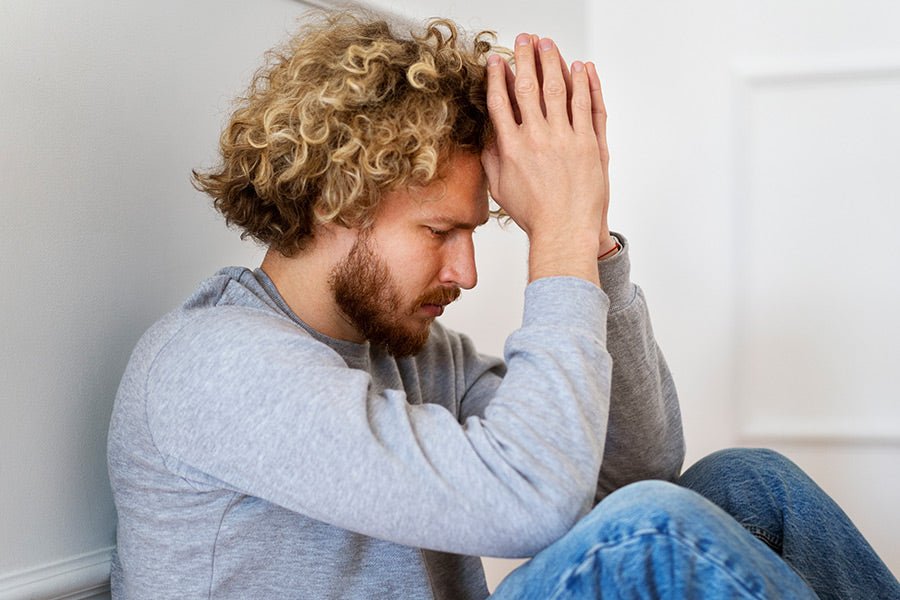

Sexual health is an integral part of overall well-being, yet it is often shrouded in silence and stigma. One issue that many individuals experience but hesitate to discuss is a noticeable reduction in the intensity of orgasms, often referred to as "weak orgasms." Understanding the causes and solutions for this condition can empower individuals to regain satisfying experiences.
What Are Weak Orgasms?
An orgasm is the climax of sexual arousal, characterized by intense physical and emotional sensations. When an orgasm feels less pleasurable, satisfying, or intense than expected, it is often described as "weak." While this is a subjective experience, it can be frustrating, especially when it impacts one's confidence and intimacy. Some men explore techniques on how to climax without ejaculating, which can help improve stamina and control while maintaining pleasure.

Weak orgasms can occur across all genders and age groups. The sensations during orgasm might feel muted, or the duration and satisfaction might seem diminished. While the term "weak orgasm" can be ambiguous, it signals the importance of addressing potential underlying issues. Usually, only 5-10% of men report weak or bad orgasms, whereas this number is 50% for women. In some cases, male dry orgasm can also contribute to reduced satisfaction, as it involves experiencing an orgasm without ejaculation [1].
Causes of Weak Orgasms
- Hormonal Imbalances
Hormones play a critical role in regulating sexual response. Decreases in testosterone, estrogen, or other related hormones due to age, menopause, or medical conditions can directly influence orgasm intensity. For example, women experiencing menopause often report changes in sexual function, including weak orgasms [2]. -
Stress and Mental Health
Mental health and stress levels are closely tied to sexual performance. Anxiety, depression, or chronic stress can dampen sexual arousal, making it harder to achieve satisfying orgasms. The brain's role in sexual response cannot be overstated, as it is both the starting point and amplifier of pleasure. - Circulatory Issues
Proper blood flow is essential for sexual arousal and orgasm. Cardiovascular disease or diabetes can impair circulation, leading to weak orgasim. In men, poor blood flow may also contribute to erectile dysfunction, further affecting overall sexual satisfaction [3]. - Pelvic Floor Dysfunction
The pelvic floor muscles contract during an orgasm, contributing to its intensity. Weak or tight pelvic floor muscles may interfere with these contractions, leading to a less fulfilling experience. Pelvic floor dysfunction can result from childbirth, aging, or certain surgeries. Women can have multiple other issues due to pelvic floor dysfunction [4]. -
Medication Side Effects
Some medications, particularly antidepressants or antihypertensive drugs, can interfere with sexual function. These may affect libido, arousal, or orgasm intensity, often leaving individuals frustrated. -
Lifestyle Factors
A sedentary lifestyle, poor diet, or smoking can affect circulation and overall physical health, indirectly impacting sexual function. Maintaining a healthy lifestyle is often overlooked but remains essential for sexual vitality.

Strategies to Address Weak Orgasms
-
Enhance Physical Fitness
Regular exercise, particularly pelvic floor exercises such as Kegels, can strengthen muscles involved in orgasm. Improved circulation through cardiovascular exercise also supports sexual health. -
Communicate with Partners
Open conversations about needs and desires can reduce anxiety and create a more relaxed atmosphere. Intimacy often thrives when emotional connection aligns with physical interactions. -
Seek Medical Advice
Consultation with a healthcare provider is crucial if weak orgasim persist. They can evaluate potential causes, such as hormonal imbalances or medical conditions, and suggest appropriate treatments or therapies. -
Explore Sensory Techniques
Engaging in mindfulness practices, such as meditation or body-awareness exercises, can help individuals focus on sensations and enhance arousal. Exploring new forms of touch or intimacy can also reinvigorate pleasure. -
Consider Therapy
A therapist specializing in sexual health can help uncover psychological barriers and provide coping strategies. Therapy can be particularly useful for addressing issues stemming from past trauma or chronic stress.

Conclusion
The experience of weak orgasms can feel isolating, but it is a challenge that many face and overcome. By identifying underlying causes—be it physical, emotional, or lifestyle-related—individuals can take proactive steps toward more fulfilling experiences. Whether through exercise, therapy, or medical intervention, solutions are available. Most importantly, fostering open discussions about sexual health ensures these concerns are addressed without shame, leading to improved well-being and intimate connections.
Resources
- Kontula O, Miettinen A. Determinants of female sexual orgasms. Socioaffect Neurosci Psychol. 2016 Oct 25;6:31624. doi:10.3402/snp.v6.31624. PMID: 27799078; PMCID: PMC5087699.
- Hormone University. Hormonal Imbalances and Orgasmic Dysfunction. Published- 08/29/2023. Accessed- 13/Dec/2024. Available online: https://hormoneuniversity.com/sex-intimacy/hormonal-imbalances-and-orgasmic-dysfunction/
- Journal Article. Levine, Glenn N. Steinke, Elaine E. Bakaeen, Faisal G. Bozkurt, Biykem. Cheitlin, Melvin D. Conti, Jamie Beth. Foster, Elyse. Jaarsma, Tiny. Kloner, Robert A. Lange, Richard A. Lindau, Stacy Tessler. Maron, Barry J. Moser, Debra K. Ohman, E. Magnus. Seftel, Allen D. Stewart, William J. Sexual Activity and Cardiovascular Disease. 2012. Circulation. 1058-1072. 125. 8. doi:10.1161/CIR.0b013e3182447787. https://www.ahajournals.org/doi/abs/10.1161/CIR.0b013e3182447787
- Peinado-Molina RA, Hernández-Martínez A, Martínez-Vázquez S, Rodríguez-Almagro J, Martínez-Galiano JM. Pelvic floor dysfunction: prevalence and associated factors. BMC Public Health. 2023 Oct 14;23(1):2005. doi:10.1186/s12889-023-16901-3. PMID: 37838661; PMCID: PMC10576367.
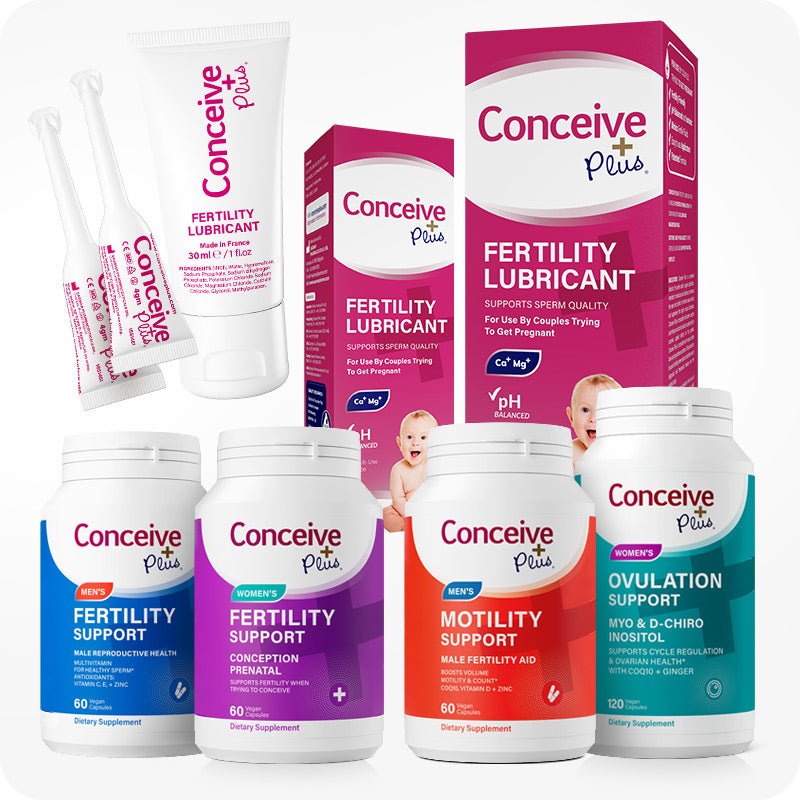
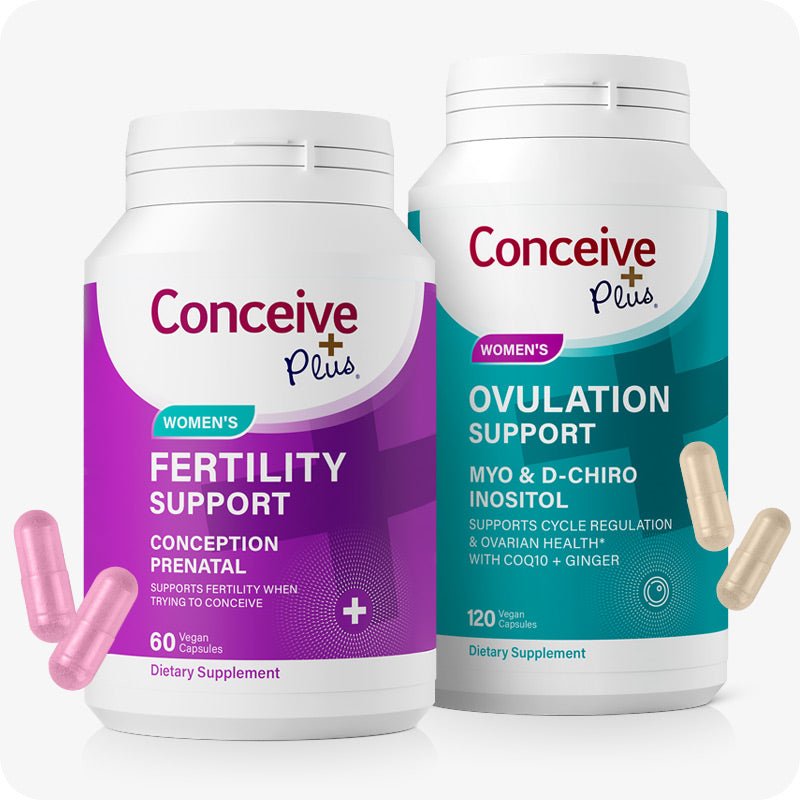
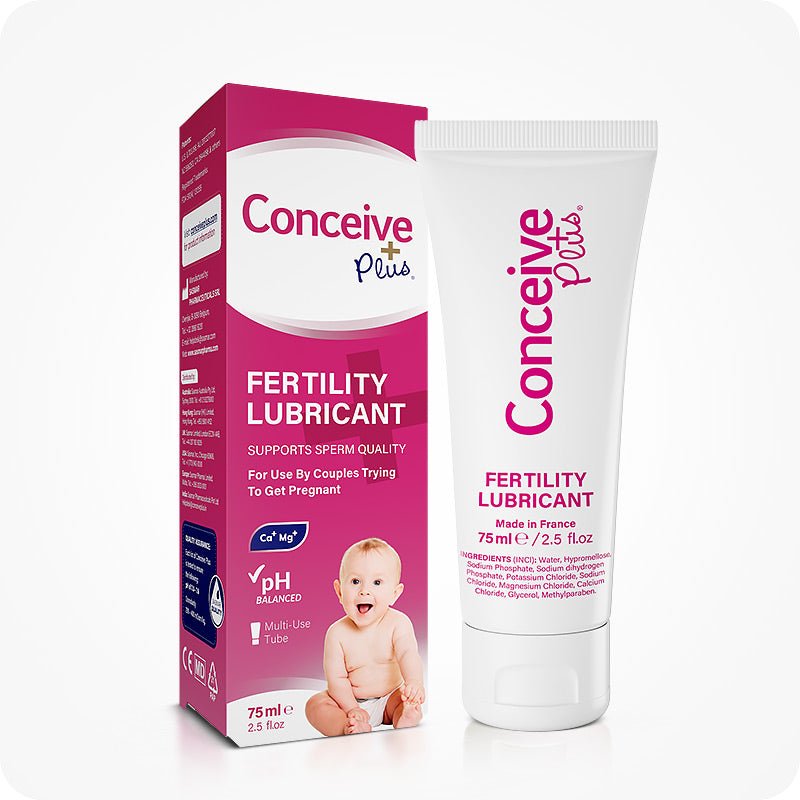
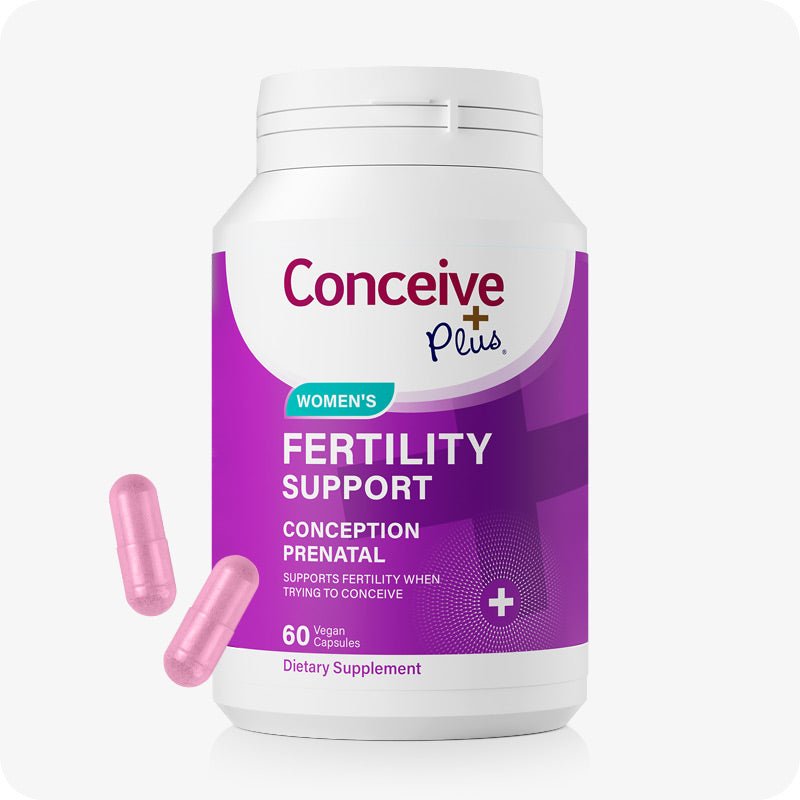
🌱 Explore Conceive Plus
From fertility lubricants to supplements for him and her — discover clinically-tested products trusted by millions of couples worldwide.
Shop All Products →Frequently Asked Questions
Recommended by Fertility Experts
Conceive Plus Men's Fertility Support
Designed to support healthy sperm production, motility, and overall male reproductive health with clinically studied nutrients.
Shop Now →Q: What causes weak orgasms in men and women?
A: Weak orgasms can result from multiple interconnected factors including hormonal imbalances, cardiovascular health issues, medications (such as SSRIs or blood pressure drugs), chronic stress, and pelvic floor dysfunction. According to the American Sexual Health Association, approximately 40% of women and 25% of men experience sexual dysfunction at some point, with orgasm quality being a common concern. Other contributors include poor blood circulation, inadequate arousal time, relationship dynamics, and lifestyle factors like smoking or excessive alcohol consumption. If you're experiencing persistent changes in orgasm intensity, consulting with a healthcare provider can help identify the underlying cause and appropriate treatment options.
Q: Can fertility supplements improve sexual function and orgasm quality?
A: While fertility supplements are primarily designed to support reproductive health and conception, certain ingredients may have secondary benefits for sexual function. Supplements containing L-arginine, zinc, and CoQ10—ingredients found in products like Conceive Plus—support healthy blood flow and cellular energy production, which are important for sexual arousal and response in both partners. However, it's important to note that the FDA does not approve dietary supplements with the same rigor as medications, and supplements should not replace medical evaluation for sexual dysfunction. The American Society for Reproductive Medicine (ASRM) recommends addressing underlying health conditions first and consulting healthcare providers before starting any new supplement regimen.
Q: How does stress and anxiety affect orgasm intensity?
A: Stress and anxiety activate the body's sympathetic nervous system (the "fight or flight" response), which directly inhibits sexual arousal and orgasmic response by constricting blood vessels and reducing genital blood flow. Research from the American Psychological Association shows that psychological stress is among the top three factors affecting sexual satisfaction in American adults. When the brain is focused on stressors rather than sexual stimuli, neurotransmitter production—particularly dopamine and oxytocin, which are essential for orgasm—decreases significantly. Managing stress through exercise, meditation, therapy, or lifestyle modifications can help restore sexual function and improve overall intimacy with partners.
Q: Does age affect orgasm quality, and is it preventable?
A: Age-related changes in orgasm intensity are common due to declining hormone levels, reduced blood vessel elasticity, and changes in nerve sensitivity, but significant decline is not inevitable and can often be minimized. According to the American College of Obstetricians and Gynecologists, many individuals maintain satisfying sexual function well into older age through regular sexual activity, cardiovascular exercise, and healthy lifestyle choices. Maintaining good heart health, managing blood pressure and cholesterol, staying physically active, and addressing hormonal changes with healthcare providers can help preserve orgasm quality throughout life. Couples who communicate openly about sexual needs and adapt their intimacy practices as bodies change often report sustained satisfaction.
Q: When should I see a doctor about weak orgasms?
A: You should consult a healthcare provider if you experience a sudden change in orgasm intensity, persistent weak orgasms lasting more than a few weeks, or orgasmic dysfunction accompanied by other sexual concerns like erectile dysfunction or low libido. The American Urological Association and American College of Obstetricians and Gynecologists recommend medical evaluation when sexual dysfunction impacts relationship satisfaction or quality of life. A physician can rule out underlying conditions such as hormonal imbalances, cardiovascular disease, diabetes, or medication side effects through appropriate testing. They may also refer you to a sex therapist or reproductive specialist who can provide targeted interventions alongside any necessary medical treatment.
Trusted by Couples in Over 70 Countries
Support Male Fertility From the Inside Out
Male fertility is just as important as female fertility in the conception journey. Conceive Plus Men's range delivers targeted nutritional support to promote healthy sperm and overall reproductive wellbeing.
Shop Men's Range →