Is It the Right Time to Be Pregnant at 23
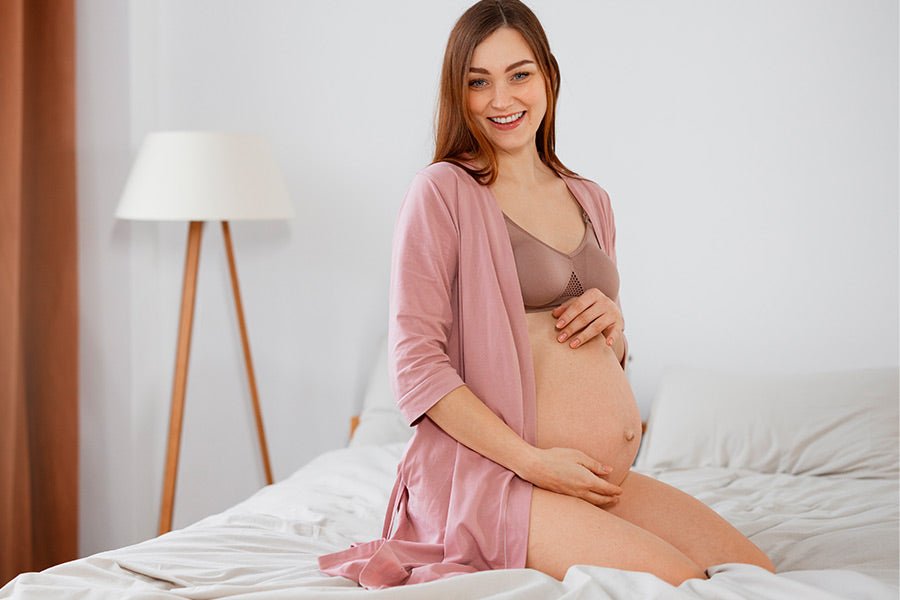

Deciding whether it’s the right time to start a family is one of the most personal choices a person can make. Some women feel excited and ready to be pregnant at 23, while others hesitate, unsure if they’re prepared for the changes that come with having a baby. The decision is influenced by so many things—your health, your finances, your emotional state, and your future plans.
For many, 23 feels young, and that’s okay. It’s also the age where your body is biologically primed for pregnancy, which can make it feel like the “perfect” time from a biological perspective. But what causes pregnancy isn’t just biology—there are multiple factors at play. You have to think about the bigger picture—your current circumstances, your support system, and what you really want for yourself.
In this article, we’ll break down everything about being pregnant at 23, the benefits and challenges, and even compare it with being pregnant at 27. We’ll also explore ways to prepare your body and mind for this life-changing journey, no matter when you decide the time is right.

Understanding Fertility at 23
Your 20s are when your body is most fertile. It’s a biological sweet spot because your eggs are of higher quality, and your body is usually in good physical condition to handle pregnancy. At 23, most women have regular menstrual cycles, which means ovulation is consistent and predictable. That can make it easier to conceive.
The risk of complications like genetic abnormalities or pregnancy-related health issues, such as gestational diabetes, is also lower in your early 20s [1]. Your body recovers more quickly from pregnancy at this age, too. Whether it’s physical recovery after childbirth or bouncing back emotionally, being younger can make a difference.
However, fertility isn’t just about age. Your lifestyle, stress levels, and general health play a huge role too. For instance, if you’re under a lot of stress or have underlying health issues, it can still affect your ability to conceive, even at 23.
One of the most important things you can do is to take care of your body. Incorporating nutrients like folic acid and CoQ10 into your diet can support egg health and improve your chances of a healthy pregnancy [2].
Benefits of Being Pregnant at 23
When you’re pregnant at 23, there are definite advantages. Your body is at its biological peak, which means things like conception, pregnancy, and childbirth are often easier. Women in their early 20s tend to have fewer complications during pregnancy and delivery. Plus, your energy levels are usually higher, which helps a lot when you’re chasing after a toddler later on.
Starting a family at a younger age also gives you more time to plan for the future. You can focus on career growth or personal goals later in life without worrying as much about the ticking biological clock. By the time your kids are older, you’ll still have plenty of energy and years ahead to enjoy other aspects of life.
It’s also worth noting that younger parents sometimes form a unique bond with their children. Growing up alongside your kids can create a sense of closeness, as you may feel more connected to their generation [3].
That being said, there’s no ignoring the challenges of early parenthood. While the physical benefits are real, there’s a lot more to consider than just biology.
Challenges of Early Parenthood
Although there are plenty of advantages to being pregnant at 23, it’s not without its struggles. One of the biggest challenges is financial. Many people in their early 20s are still figuring out their careers and may not have stable incomes yet. Balancing the financial responsibilities of raising a child while building your own future can feel overwhelming.
Another common challenge is social isolation. At 23, many of your friends may still be focused on their careers, traveling, or enjoying their freedom. Being one of the first in your friend group to have a baby can feel lonely at times, especially if your social circle doesn’t fully understand what you’re going through [4].
Parenthood also requires a level of emotional readiness that not everyone feels they have at 23. Raising a child is a big responsibility, and it often involves sacrifices—your time, your energy, and sometimes even your personal goals. It’s normal to feel unsure or unprepared, even if you’re excited about having a baby.
Stress management is key to navigating these challenges. Supplements like ashwagandha can help reduce anxiety and promote hormonal balance, making the transition to parenthood a little smoother.

What About Being Pregnant at 27?

✨ Trying to Conceive?
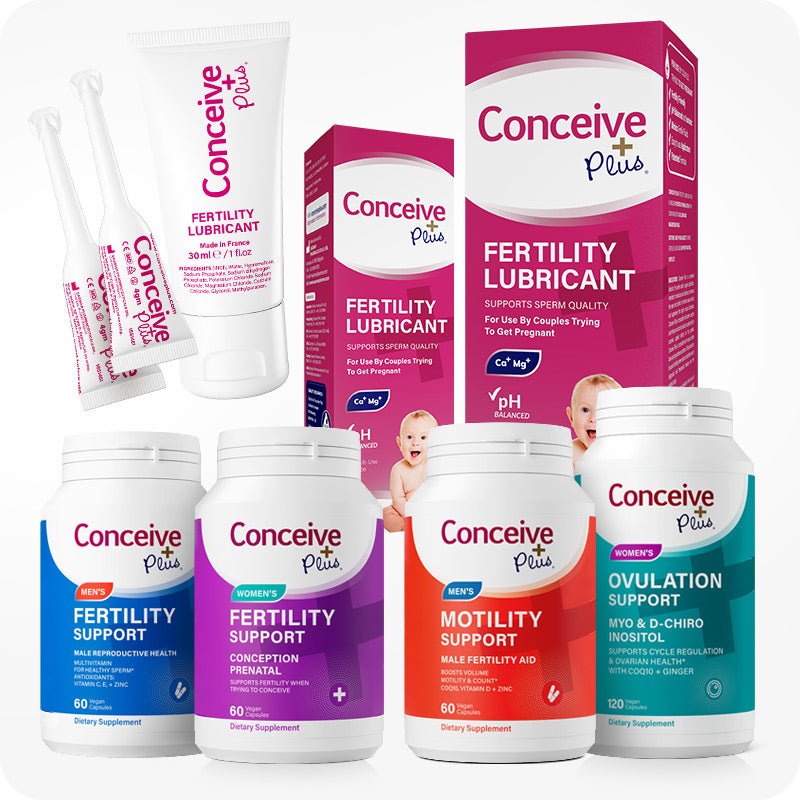
Our Ovulation & Fertility Bundle combines Myo-Inositol with essential vitamins to support healthy hormone balance and regular ovulation.
Shop Now — $55.00✓ Free shipping on orders over $40 | ✓ Trusted by millions of couples worldwide
By the time you’re pregnant at 27, you might feel more stable in your life. Many people in their late 20s have a clearer sense of their career path and may have established stronger financial security. They might also feel more emotionally prepared for the demands of parenthood.
However, while 27 is still considered a good age biologically, fertility does start to decline slightly after your mid-20s. The quality and quantity of your eggs begin to decrease, and the risk of complications, though still low, starts to rise gradually. For women planning to have multiple children, starting at 27 might mean less time overall to expand their families.
That being said, 27 often feels like a more balanced age. It offers the benefit of a little more life experience, which can make parenting feel less overwhelming.
Preparing Your Body for Pregnancy
Regardless of whether you want to get pregnant at 23 or pregnant at 27, preparing your body is crucial. Your diet, lifestyle, and overall health play a significant role in your fertility and pregnancy outcomes. Following a well-balanced pregnancy diet plan can help ensure you get the necessary nutrients to support both conception and a healthy pregnancy.
Nutrients like folic acid are essential for DNA synthesis and can prevent neural tube defects in a developing baby. Vitamin D helps with hormonal balance, while CoQ10 acts as a powerful antioxidant that protects your eggs from damage. Myo-Inositol and D-Chiro Inositol are especially helpful for women with PCOS, as they regulate hormonal balance and improve ovulation [5].
Regular exercise is another way to boost your fertility. Staying active helps regulate your hormones and maintain a healthy weight, both of which are important for conception.
Sleep is also critical. When you’re well-rested, your body’s hormonal cycles function more efficiently. Stress management matters too, as chronic stress can disrupt ovulation and decrease sperm quality in your partner.
Making these small lifestyle changes can significantly improve your chances of conceiving and having a healthy pregnancy [6].
Emotional Readiness for Parenthood
Pregnancy isn’t just a physical journey—it’s an emotional one too. Being ready to have a baby means being prepared for the lifestyle changes that come with parenthood. At 23, it’s important to reflect on whether you’re emotionally ready to take on the responsibility of raising a child.
Some people find it helpful to ask themselves a few key questions. Am I ready to prioritize a baby over my personal goals? Do I have a support system in place, like family or friends who can help? Am I emotionally prepared to handle the challenges of parenthood?
Journaling or talking to a counselor can help you process these questions and feel more confident about your decision [7].
Building a Support System
No one should have to navigate parenthood alone. Whether you’re pregnant at 23 or pregnant at 27, having a strong support system makes all the difference. This includes not only your partner but also family, friends, and even professional resources like parenting groups or counselors.
Talking to other parents who’ve been through similar experiences can provide valuable insights and reassurance. Online communities and support groups can also be helpful, especially if you feel isolated [8].

The Bottom Line
Deciding whether to be pregnant at 23 or pregnant at 27 depends on your unique circumstances. Both ages have their advantages and challenges, and the best choice is the one that aligns with your goals and readiness.
Whether you’re ready to start your family now or prefer to wait, taking care of your health and emotional well-being is key. Preparing your body, building a support system, and reflecting on your goals will help you embrace this exciting chapter when the time is right.
Parenthood is a transformative journey, but with the right preparation and mindset, it can also be one of the most rewarding experiences of your life.
FAQs
Is 23 too young to have a baby?
Not necessarily. It depends on your readiness—both emotionally and practically. Biologically, 23 is a great age to conceive.
What are the risks of being pregnant at 27?
While risks remain low, fertility starts to decline slightly after 25, and complications like gestational diabetes may become a bit more common.
How can I improve my chances of getting pregnant?
Eat a nutrient-rich diet, take prenatal vitamins with folic acid, exercise regularly, and manage your stress levels.
Can supplements really help with fertility?
Yes, ingredients like CoQ10, Myo-Inositol, and DHA can improve egg and sperm quality and promote hormonal balance.
Should men take supplements too?
Absolutely. Nutrients like zinc and L-Carnitine can enhance sperm motility and overall reproductive health.
Citations
- Martin, J. A., Hamilton, B. E., Osterman, M. J. K., Driscoll, A. K., & Drake, P. (2018). Births: Final Data for 2017. National vital statistics reports : from the Centers for Disease Control and Prevention, National Center for Health Statistics, National Vital Statistics System. Available at: https://pubmed.ncbi.nlm.nih.gov/30707672/
- Bentov, Y., & Casper, R. F. (2013). The aging oocyte--can mitochondrial function be improved?. Fertility and sterility. Available at: https://pubmed.ncbi.nlm.nih.gov/23273985/
- Arnett J. J. (2000). Emerging adulthood. A theory of development from the late teens through the twenties. The American psychologist. Available at: https://pubmed.ncbi.nlm.nih.gov/10842426/
- Balbo, N., Billari, F. C., & Mills, M. (2013). Fertility in Advanced Societies: A Review of Research: La fécondité dans les sociétés avancées: un examen des recherches. European journal of population = Revue europeenne de demographie. Available at: https://pubmed.ncbi.nlm.nih.gov/23440941/
- De-Regil, L. M., Peña-Rosas, J. P., Fernández-Gaxiola, A. C., & Rayco-Solon, P. (2015). Effects and safety of periconceptional oral folate supplementation for preventing birth defects. The Cochrane database of systematic reviews. Available at: https://pubmed.ncbi.nlm.nih.gov/26662928/
- Hatch, E. E., Wise, L. A., Mikkelsen, E. M., Christensen, T., Riis, A. H., Sørensen, H. T., & Rothman, K. J. (2012). Caffeinated beverage and soda consumption and time to pregnancy. Epidemiology (Cambridge, Mass.). Available at: https://pubmed.ncbi.nlm.nih.gov/22407137/
- Goodman J. H. (2004). Paternal postpartum depression, its relationship to maternal postpartum depression, and implications for family health. Journal of advanced nursing. Available at: https://pubmed.ncbi.nlm.nih.gov/14675298/
- Shorey, S., Chan, S. W., Chong, Y. S., & He, H. G. (2015). A randomized controlled trial of the effectiveness of a postnatal psychoeducation programme on self-efficacy, social support and postnatal depression among primiparas. Journal of advanced nursing. Available at: https://pubmed.ncbi.nlm.nih.gov/25496615/
🌱 Support Your Fertility Journey
Conceive Plus fertility supplements are clinically formulated to help regulate your cycle and support egg quality.
Shop Fertility Support →Frequently Asked Questions
Recommended by Fertility Experts
Conceive Plus Men's Fertility Support
Designed to support healthy sperm production, motility, and overall male reproductive health with clinically studied nutrients.
Shop Now →Q: Is 23 too young to get pregnant?
A: From a biological standpoint, 23 is actually an optimal age for pregnancy. Women in their early twenties have the highest fertility rates, with approximately 86% of women aged 20-24 conceiving within one year of trying, according to the American Society for Reproductive Medicine (ASRM). However, "too young" is deeply personal and depends on your emotional readiness, financial stability, relationship status, and life goals rather than age alone. While your body is biologically primed for pregnancy at 23, only you can determine if the timing aligns with your overall life plans and circumstances.
Q: What health factors should I consider before getting pregnant at 23?
A: Before attempting pregnancy, it's important to schedule a preconception health visit with your healthcare provider to assess your overall wellness, including BMI, nutrition status, and any underlying health conditions. At 23, focusing on foundational health habits—adequate sleep, regular exercise, balanced nutrition, and prenatal vitamin supplementation—can significantly improve fertility and pregnancy outcomes. Many healthcare providers recommend starting folic acid supplementation at least one month before conception to support fetal development. Additionally, addressing any reproductive health concerns early, such as irregular cycles or hormonal imbalances, gives you time to optimize your fertility naturally before considering medical interventions like Conceive Plus fertility supplements, which are designed to support reproductive health.
Q: How much does it cost to raise a child in the United States?
A: According to the U.S. Department of Agriculture, the average cost to raise a child from birth through age 17 is approximately $233,000 to $284,000 depending on family income level and geographic location. This breaks down to roughly $15,000-$17,000 per year and includes housing, food, childcare, education, and healthcare expenses. Beyond these direct costs, factors like lost income during parental leave, childcare during work hours, and educational savings should be considered when evaluating financial readiness. At 23, establishing a solid financial foundation—emergency savings, stable income, and health insurance—before pregnancy can reduce stress and improve your overall well-being during this life transition.
Q: What are the fertility advantages of getting pregnant in your early twenties?
A: Women in their early twenties experience peak fertility, with the highest egg quality and quantity compared to any other age group. Research shows that maternal age-related risks, such as gestational diabetes and chromosomal abnormalities like Down syndrome, increase significantly after age 35, making your twenties statistically the lowest-risk decade for pregnancy. Additionally, younger women typically have fewer underlying health conditions that could complicate pregnancy, and recovery from childbirth tends to be faster. If you're considering pregnancy soon, maintaining optimal reproductive health through proper nutrition, supplements like Conceive Plus, stress management, and regular exercise can further enhance your natural fertility advantage.
Q: How do I know if I'm emotionally ready to have a baby at 23?
A: Emotional readiness for parenthood often involves honestly assessing whether you feel stable in your relationships, career path, and mental health, and whether you genuinely want a child rather than feeling pressured by external expectations. Consider whether you have a strong support system (partner, family, friends, or community), the patience for the demands of parenting, and realistic expectations about how parenthood will change your life. Many people benefit from having open conversations with trusted mentors who are parents, or even speaking with a counselor or therapist to explore your motivations and concerns about becoming a parent. Taking time to reflect on your personal values, life goals, and readiness—whether that's now or a few years from now—is far more important than your age in determining if parenthood is right for you.
Trusted by Couples in Over 70 Countries
Support Male Fertility From the Inside Out
Male fertility is just as important as female fertility in the conception journey. Conceive Plus Men's range delivers targeted nutritional support to promote healthy sperm and overall reproductive wellbeing.
Shop Men's Range →