Uterus On Period vs Not: How the Uterus Changes Throughout the Menstrual Cycle
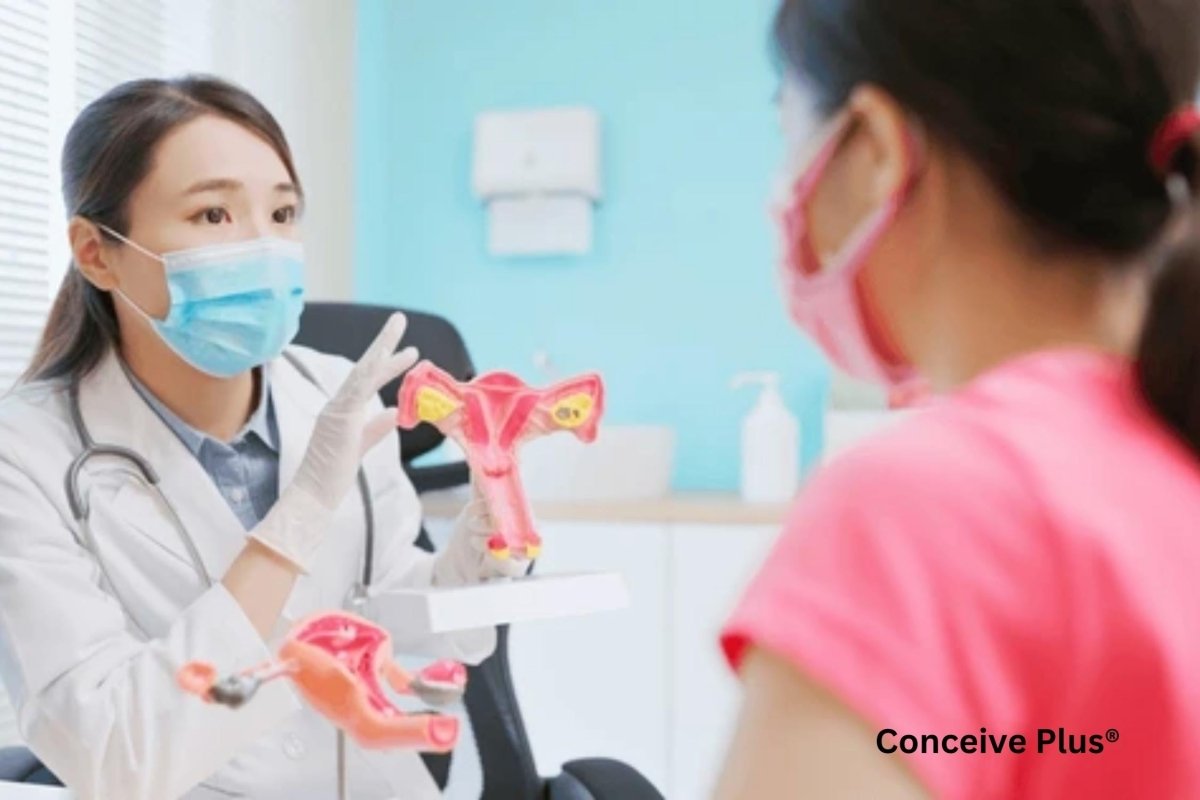

The uterus, a central organ in the female reproductive system, exhibits a remarkable ability to adapt throughout the menstrual cycle. Its primary role is to create an environment suitable for either pregnancy or the renewal of the reproductive process through menstruation. Driven by hormonal signals, the uterus undergoes cyclical changes that involve structural, functional, and biochemical transformations. These changes prepare it to support the implantation and growth of an embryo or, in the absence of fertilization, to shed its lining and reset for the next cycle. Comparing the uterus in menstruation to its state at other times in the cycle showcases its dynamic functionality, from active shedding to quiet preparation, reflecting its essential role in reproductive health.
The Menstrual Cycle: An Overview of Uterine Function
The menstrual cycle spans approximately 28 days, divided into four main phases: the menstrual phase, the follicular phase, ovulation, and the luteal phase. These phases are regulated by fluctuating levels of hormones, primarily estrogen and progesterone, which guide the uterus to prepare for a potential pregnancy.
During this time, the uterus undergoes changes to accommodate varying requirements, such as shedding its lining during menstruation or thickening it for implantation. Women at extremes of uterine length (<7.0 or >9.0 cm) are less likely to achieve live birth whereas women with uterine lengths <6.0 cm are more likely to experience spontaneous abortion [1].

What Happens to the Uterus During a Period?
The menstrual phase marks the beginning of the cycle, typically lasting 3–7 days. During this phase:
- Shedding of the Endometrium: The inner lining of the uterus, known as the endometrium, is expelled through the vagina as menstrual blood. This occurs if pregnancy does not take place [2].
- Uterine Contractions: The uterus contracts to help expel the endometrial tissue, often leading to cramping or discomfort.
- Blood Flow Changes: Increased blood flow to the uterus supports the shedding process, while prostaglandins, hormone-like compounds, regulate the intensity of contractions.
This is the most dynamic period for the uterus, as it actively works to reset itself for the next cycle. The state of the uterus during period is characterized by heightened activity and inflammation due to the shedding process.
Uterus in Other Phases of the Cycle
The uterus undergoes significant changes between periods, driven by hormonal fluctuations:
-
Follicular Phase (Day 1 to Ovulation):
- The shedding process gradually ends as estrogen levels rise.
- The endometrial lining begins to rebuild, becoming thicker and more vascularized in preparation for potential implantation.
- The uterus is relatively calm during this phase, as no shedding or contractions occur.
-
Ovulation (Around Day 14):
- The uterus maintains a receptive environment, influenced by estrogen peaks.
- Cervical mucus becomes thinner, aiding sperm movement if conception is attempted.
- While the uterus is not directly involved in ovulation, it prepares to support a fertilized egg by ensuring optimal conditions within the endometrial lining.

-
Luteal Phase (Post-Ovulation to Period Onset):
- Progesterone dominates, thickening and stabilizing the endometrium.
- The uterus becomes less active unless implantation occurs, in which case it adjusts to accommodate the developing embryo.
- If fertilization does not happen, progesterone levels drop, signaling the uterus to prepare for the next menstrual phase.
Comparing the Uterus on Period vs. Not
The uterus on period vs not reveals stark differences in its activity, structure, and function. These contrasts underscore the organ's adaptability:

✨ Think You Might Be Pregnant?
Get fast, accurate results up to 6 days before your missed period with our early detection pregnancy test.
Shop Now — $9.80✓ Free shipping on orders over $40 | ✓ Trusted by millions of couples worldwide
- Activity Levels: During menstruation, the uterus is highly active, contracting to shed its lining. At other times, its primary focus is either rebuilding the endometrium or maintaining a stable environment.
- Endometrial Thickness: The lining is at its thinnest immediately after a period and gradually thickens in the follicular phase, reaching its peak during the luteal phase.
- Blood Flow: Menstrual bleeding marks a period of significant blood flow through the uterus. Between periods, blood flow is steady but less intense, supporting tissue regeneration.
Symptoms Associated with Uterine Changes
The shifts in uterine activity can result in various physical sensations or symptoms:
-
During Menstruation:
- Cramping or pain due to uterine contractions.
- Lower back or abdominal discomfort.
- Heavier bleeding in the initial days, tapering off toward the end.
-
Between Periods:
- Mid-cycle spotting or light cramping during ovulation (in some individuals).
- Tenderness or bloating during the luteal phase, caused by hormonal changes impacting the uterus.
Factors Affecting Uterine Function and Health
Several factors can influence how the uterus responds during and between periods. The dynamic changes the uterus undergoes during the menstrual cycle highlight its adaptability and are closely tied to maintaining a normal size uterus, which plays a vital role in reproductive health and fertility.
- Hormonal Imbalances: Conditions such as polycystic ovary syndrome (PCOS) or thyroid dysfunction can disrupt normal uterine activity.
- Uterine Abnormalities: Structural issues like fibroids, adenomyosis, or endometriosis may amplify symptoms, especially during menstruation.
- Lifestyle and Health: Stress, diet, and exercise can affect hormonal regulation and, consequently, uterine function.
Maintaining Uterine Health
Ensuring the health of the uterus involves adopting practices that promote overall reproductive well-being:
- Regular Gynecological Check-Ups: Monitoring uterine health through routine examinations and ultrasounds can help detect potential issues early.
- Balanced Diet: Consuming nutrient-rich foods, particularly those high in iron and antioxidants, supports the uterus during periods and throughout the cycle.
- Stress Management: Stress can interfere with hormonal regulation, impacting uterine function and menstrual regularity.
- Exercise: Regular physical activity enhances blood circulation and reduces the severity of menstrual cramps.
Scientific Insights into Uterine Activity
Modern research has shed light on the complex hormonal and cellular processes that govern the changes in the uterus throughout the menstrual cycle. Hormones like estrogen and progesterone are the primary regulators, orchestrating a series of events that prepare the uterus for potential implantation or trigger menstruation if pregnancy does not occur. Beyond these well-known hormones, recent studies have emphasized the role of signaling molecules and inflammatory mediators that directly impact uterine function [3].
One key player is prostaglandins, lipid compounds that are produced in the uterus and play a dual role in menstruation and inflammation. During the menstrual phase, prostaglandins are released in higher concentrations to stimulate uterine contractions, which help expel the endometrial lining. However, excessive prostaglandin production can lead to more intense contractions, causing pain and cramping—a condition commonly known as dysmenorrhea. This discovery has spurred interest in targeting prostaglandin pathways for more effective pain relief therapies [4].
Another area of scientific advancement involves understanding the endometrial regeneration process. Researchers are uncovering how stem cells within the endometrium contribute to its cyclical rebuilding after menstruation. This insight has implications for treating conditions like endometriosis or Asherman’s syndrome, where abnormal endometrial growth or scarring affects reproductive health [5].
In summary, the scientific exploration of uterine activity continues to evolve, revealing intricate processes that were previously poorly understood. These advancements not only deepen our appreciation for the complexity of the uterus but also open doors to innovative treatments for menstrual disorders and other uterine-related conditions, improving quality of life for countless individuals.

The Bottom Line
Comparing the uterus on period vs not highlights the remarkable adaptability of this organ, emphasizing its critical role in both menstruation and fertility. Understanding these changes fosters a deeper appreciation of the uterus and its central place in women’s health.
The uterus undergoes significant transformations throughout the menstrual cycle, adapting to the requirements of each phase. From shedding its lining during menstruation to preparing for potential implantation, its activity reflects the intricate hormonal interplay that defines reproductive health. Recognizing these changes provides valuable insights into managing symptoms and maintaining uterine health.
Sources
- Hawkins LK, Correia KF, Srouji SS, Hornstein MD, Missmer SA. Uterine length and fertility outcomes: a cohort study in the IVF population. Hum Reprod. 2013 Nov;28(11):3000-6. doi:10.1093/humrep/det344. Epub 2013 Sep 5. PMID: 24014604.
- Haynor DR, Mack LA, Soules MR, Shuman WP, Montana MA, Moss AA. Changing appearance of the normal uterus during the menstrual cycle: MR studies. Radiology. 1986 Nov;161(2):459-62. doi:10.1148/radiology.161.2.3532190. PMID: 3532190.
- Hawkins SM, Matzuk MM. The menstrual cycle: basic biology. Ann N Y Acad Sci. 2008;1135:10-8. doi:10.1196/annals.1429.018. PMID: 18574203; PMCID: PMC2913133.
- Ricciotti E, FitzGerald GA. Prostaglandins and inflammation. Arterioscler Thromb Vasc Biol. 2011 May;31(5):986-1000. doi:10.1161/ATVBAHA.110.207449. PMID: 21508345; PMCID: PMC3081099.
- Gargett CE, Nguyen HP, Ye L. Endometrial regeneration and endometrial stem/progenitor cells. Rev Endocr Metab Disord. 2012 Dec;13(4):235-51. doi:10.1007/s11154-012-9221-9. PMID: 22847235.
🌱 Get Answers Early
Millions of women trust Conceive Plus for their fertility journey. Clinically validated pregnancy tests delivered to your door.
Shop Pregnancy Tests →Frequently Asked Questions
Recommended by Fertility Experts
Conceive Plus Men's Fertility Support
Designed to support healthy sperm production, motility, and overall male reproductive health with clinically studied nutrients.
Shop Now →Q: How thick should the uterine lining be during your period?
A: During menstruation, the uterine lining (endometrium) typically sheds when it reaches a thickness of 8-14 millimeters, though normal thickness varies between 2-4 millimeters after menstrual shedding is complete. The thickness builds throughout the follicular phase due to rising estrogen levels, preparing the uterus for potential implantation. If you're tracking your cycle for fertility purposes, monitoring endometrial thickness through ultrasound can provide valuable insights into your reproductive readiness, which is why many fertility specialists recommend transvaginal ultrasounds around ovulation to assess optimal conditions for conception.
Q: What happens to your uterus when you're ovulating vs on your period?
A: During ovulation (mid-cycle), the uterus is at peak readiness with maximum endometrial thickness (8-14mm), increased blood flow, and optimal receptivity for embryo implantation—this is why the fertile window is so critical for conception. In contrast, during menstruation, the uterus is actively shedding its lining in response to dropping progesterone levels, resulting in a thinner endometrium and cramping as the muscular wall contracts. Understanding these distinct phases helps explain why timing intercourse around ovulation significantly increases pregnancy chances, and why supporting your body's natural hormonal balance through proper nutrition and supplementation—like Conceive Plus supplements containing key micronutrients—can optimize these critical processes.
Q: How do hormones change the size and shape of the uterus during the menstrual cycle?
A: The uterus undergoes measurable physical changes throughout the menstrual cycle, with the organ becoming slightly larger and more engorged during the luteal phase due to increased blood flow and progesterone stimulation. Estrogen during the follicular phase causes the endometrial lining to thicken and become more vascularized, while the uterine cavity may expand by up to 2-3 milliliters to accommodate potential pregnancy. These hormonal fluctuations also affect uterine contractility, with increased contractions during menstruation to expel the lining and coordinated contractions during the fertile window that may facilitate sperm transport toward the fallopian tubes.
Q: Can you tell if your uterus is healthy by looking at your period?
A: While your period can provide important clues about uterine health, a single period alone cannot determine overall uterine health—healthcare providers typically look at patterns over several cycles. Heavy bleeding, prolonged periods (lasting more than 7 days), severe cramping, or irregular cycles may indicate conditions like fibroids, polyps, or hormonal imbalances that warrant evaluation by a gynecologist or fertility specialist. The American College of Obstetricians and Gynecologists (ACOG) recommends tracking cycle length, flow duration, and symptom patterns to identify potential issues; maintaining a detailed cycle log can help you and your healthcare provider assess whether your uterus is functioning optimally for fertility or if additional investigation is needed.
Q: Why is the uterine lining important for getting pregnant?
A: The uterine lining (endometrium) is essential for pregnancy because it provides the nutrient-rich environment where a fertilized embryo implants and develops—without adequate endometrial thickness and quality, implantation failure is a leading cause of early pregnancy loss. Research shows that an endometrial thickness of at least 7-8 millimeters is associated with higher implantation and pregnancy rates, while thickness below 6 millimeters significantly reduces fertility potential. Supporting endometrial health through adequate micronutrient intake, stress management, and supplements containing ingredients like L-arginine and CoQ10 found in Conceive Plus formulations may help optimize the uterine environment, which is why many fertility specialists recommend comprehensive nutritional support as part of preconception planning.
Trusted by Couples in Over 70 Countries
Support Male Fertility From the Inside Out
Male fertility is just as important as female fertility in the conception journey. Conceive Plus Men's range delivers targeted nutritional support to promote healthy sperm and overall reproductive wellbeing.
Shop Men's Range →