Uterus Is Small: Understanding the Implications of a Smaller Uterus
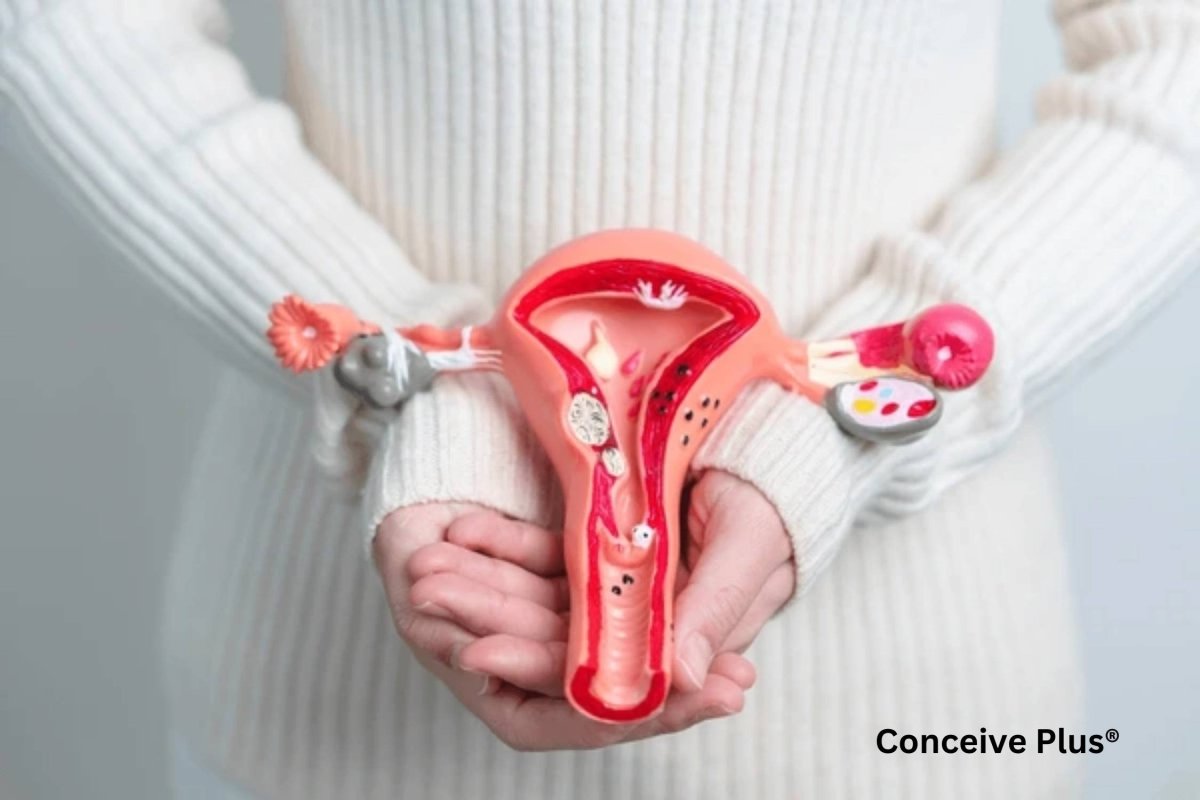

The size of the uterus is an important factor in a woman's reproductive health. While variations in uterine size are common, a smaller-than-average uterus can sometimes indicate underlying health conditions or developmental variations. Understanding what it means if the uterus is small, the potential causes, and how it is diagnosed and managed can offer clarity to individuals facing such a diagnosis.
What Defines Uterine Size?
The uterus is a pear-shaped organ located in the pelvis, measuring approximately 7.6 cm long, 4.5 cm wide, and 3 cm thick in adult women of reproductive age. These dimensions can vary due to factors such as age, hormonal status, and whether a woman has had children. A "small uterus" generally refers to a uterus that is significantly smaller than the average size expected for a woman of the same age and physiological status [1]. To gain a deeper understanding of how uterine dimensions evolve during pregnancy and their significance, it’s worth exploring the measurements of uterus during pregnancy, which can provide valuable insights into reproductive health.

Causes of a Smaller Uterus
Several conditions and factors can contribute to a smaller uterus:
-
Congenital Factors:
- Müllerian Agenesis: This condition involves the incomplete development of the Müllerian ducts during embryogenesis, leading to an underdeveloped or absent uterus.
- Hypoplastic Uterus: Sometimes, the uterus forms but remains underdeveloped, which is often detected during adolescence due to primary amenorrhea (absence of menstruation) [2].
-
Hormonal Deficiencies:
- A lack of estrogen during puberty can impair the growth of the uterus. This may be caused by conditions such as Turner syndrome, where chromosomal abnormalities affect hormone production.
-
Uterine Atrophy:
- In postmenopausal women, reduced estrogen levels can lead to uterine shrinkage. This is a natural part of aging but may also occur prematurely in women who undergo surgical removal of ovaries or those with certain endocrine disorders.
-
Chronic Illness:
- Conditions like malnutrition or severe chronic diseases can impact overall growth and development, potentially resulting in a uterus small than expected.
- Past Medical Treatments:
- Radiation therapy or chemotherapy during childhood or adolescence can affect the growth of reproductive organs, including the uterus.
Symptoms and Presentation
A small uterus may not always present noticeable symptoms. However, some individuals might experience:
- Delayed onset of puberty or absent menstruation.
- Irregular menstrual cycles or light bleeding.
- Difficulty conceiving or recurrent pregnancy loss.
- Pain during menstruation or intercourse.
These symptoms can vary depending on the underlying cause and the degree to which the uterus is small.


✨ Think You Might Be Pregnant?
Get fast, accurate results up to 6 days before your missed period with our early detection pregnancy test.
Shop Now — $9.80✓ Free shipping on orders over $40 | ✓ Trusted by millions of couples worldwide
Diagnosis and Evaluation
Accurate diagnosis of a smaller uterus involves a combination of medical history, physical examination, and imaging techniques:
-
Medical History:
- Physicians evaluate puberty progression, menstrual history, and any prior medical treatments that might have influenced uterine development.
-
Pelvic Examination:
- A gynecological exam can provide an initial indication of uterine size and shape.
-
Ultrasound:
- Transvaginal or abdominal ultrasounds are the most common imaging techniques used to assess uterine size and structure.
-
MRI:
- In complex cases, magnetic resonance imaging (MRI) may offer detailed insights into uterine anatomy.
-
Hormonal Testing:
- Blood tests to measure hormone levels, such as estrogen and FSH (follicle-stimulating hormone), can help identify potential endocrine disorders affecting uterine growth.
Impact on Fertility and Reproductive Health
For many women, a smaller uterus raises concerns about fertility. While it is possible to conceive with a uterus small, the chances may depend on its functional capacity and any associated conditions. Women at extremes of uterine length (<7.0 or >9.0 cm) are less likely to achieve live birth whereas women with uterine lengths <6.0 cm are more likely to experience spontaneous abortion [3].
- Conception Challenges: Some individuals with a uterus that is small may face difficulties due to insufficient endometrial lining or inadequate space for embryo implantation.
- Pregnancy Complications: Miscarriage, preterm labor, or restricted fetal growth can occur in pregnancies involving a small uterus.
- Treatment Options: Assisted reproductive technologies like in-vitro fertilization (IVF) and the use of gestational carriers can provide alternative paths to parenthood.
Management and Treatment Options
Treatment for a smaller uterus focuses on addressing the underlying cause and managing symptoms or complications. Options may include:
-
Hormone Therapy:
- Estrogen replacement therapy during adolescence can stimulate uterine growth in cases of hormonal deficiency.
-
Surgical Interventions:
- Procedures to reconstruct or modify the uterus might be considered in severe cases, particularly when structural abnormalities are present.
-
Lifestyle and Nutritional Support:
- Maintaining overall health and ensuring adequate nutrition can support reproductive function.
-
Fertility Treatments:
- For women attempting to conceive, fertility specialists can tailor interventions based on individual circumstances.
-
Psychological Support:
- Dealing with reproductive health challenges can be emotionally taxing. Counseling or support groups can provide emotional relief and coping strategies.
Addressing Myths and Misconceptions
It is crucial to separate fact from fiction regarding uterine size and health:
- Small Uterus and Infertility: While a small uterus can affect fertility, it is not always an insurmountable barrier. Many individuals with a smaller uterus go on to have healthy pregnancies.
- Blame or Stigma: Uterine size is not something one can control, and it often stems from genetic or medical factors beyond personal influence.

Concluding Thoughts
In conclusion, while discovering that the uterus is small can be concerning, advancements in medical science provide numerous pathways for management and support. Seeking expert guidance is key to navigating this aspect of reproductive health confidently. Understanding the implications of a smaller uterus involves recognizing the potential causes, symptoms, and treatment options available. Early diagnosis and appropriate medical care can significantly improve outcomes for those affected. Whether the issue arises due to congenital conditions, hormonal imbalances, or other factors, addressing it holistically ensures that women can make informed decisions about their health and fertility.
Resources:
- Gao H, Liu DE, Li Y, Tang J, Hu S, Wu X, Tian Z, Tan H. Uterine size and volume are associated with a higher clinical pregnancy rate in patients undergoing assisted reproduction technology: A longitudinal study (A STROBE-compliant article). Medicine (Baltimore). 2019 Feb;98(8):e14366. doi:10.1097/MD.0000000000014366. PMID: 30813136; PMCID: PMC6407969.
- Verguts, J., Ameye, L., Bourne, T. and Timmerman, D. (2013), Normative data for uterine size according to age and gravidity and possible role of the classical golden ratio. Ultrasound Obstet Gynecol, 42: 713-717. https://doi.org/10.1002/uog.12538
- Hawkins LK, Correia KF, Srouji SS, Hornstein MD, Missmer SA. Uterine length and fertility outcomes: a cohort study in the IVF population. Hum Reprod. 2013 Nov;28(11):3000-6. doi:10.1093/humrep/det344. Epub 2013 Sep 5. PMID: 24014604.
🌱 Get Answers Early
Millions of women trust Conceive Plus for their fertility journey. Clinically validated pregnancy tests delivered to your door.
Shop Pregnancy Tests →Frequently Asked Questions
Recommended by Fertility Experts
Conceive Plus Fertility Supplements
Science-backed vitamins and supplements expertly formulated to nourish your body and support reproductive health at every stage.
Shop Now →Q: Can you get pregnant with a small uterus?
A: Yes, many women with a smaller-than-average uterus can conceive and carry pregnancies to term successfully. However, a significantly undersized uterus (often called uterine hypoplasia) may reduce fertility rates and increase the risk of complications such as miscarriage, preterm labor, and intrauterine growth restriction. The American Society for Reproductive Medicine (ASRM) notes that uterine size alone does not determine fertility outcomes, and individual cases vary widely. Women with a small uterus who are trying to conceive should work with a reproductive endocrinologist to develop a personalized treatment plan and ensure optimal uterine health through proper nutrition and supplements like Conceive Plus.
Q: What causes a small uterus in adults?
A: A smaller uterus can result from several causes, including Müllerian duct abnormalities (developmental variations present from birth), hormone imbalances such as low estrogen, previous uterine procedures like dilation and curettage (D&C), or chronic conditions affecting reproductive health. In some cases, a small uterus reflects normal anatomical variation, as uterine size can differ significantly among women without affecting fertility. Hormonal factors, including insufficient estrogen production during puberty, may also contribute to underdevelopment. Identifying the underlying cause requires imaging studies like ultrasound or MRI, which help guide appropriate treatment options.
Q: How is a small uterus diagnosed?
A: A small uterus is typically diagnosed through transvaginal ultrasound, the gold standard imaging method used in US fertility clinics and gynecology practices. During this procedure, a probe is inserted into the vagina to obtain detailed measurements of the uterus, including length, width, and thickness, which are then compared to standard reference ranges. MRI may be used as a secondary imaging tool if Müllerian abnormalities are suspected or if ultrasound results are inconclusive. A normal uterus measures approximately 7.6 cm in length for reproductive-age women, so measurements significantly below this threshold warrant further evaluation and specialist consultation.
Q: Does a small uterus affect fertility treatment options?
A: A small uterus may impact certain fertility treatment options but does not necessarily eliminate them, as reproductive specialists can adjust protocols based on individual uterine capacity and health. In vitro fertilization (IVF) may still be viable depending on the severity of uterine size reduction, though pregnancy complications may be more common. Intrauterine insemination (IUI) may be less effective if uterine volume is significantly compromised. Working with a fertility specialist to optimize reproductive health through proper supplementation, lifestyle modifications, and hormone optimization can improve outcomes; Conceive Plus supports overall reproductive wellness during fertility treatment journeys.
Q: Can a small uterus be enlarged or treated?
A: While the uterus cannot be permanently enlarged through surgery or medication, hormone therapy and lifestyle interventions may help optimize uterine health and function in some cases. Estrogen therapy, under medical supervision, has been studied as a potential approach to support uterine development in certain conditions, though results vary. Proper nutrition, adequate vitamin supplementation, stress management, and improved blood flow to the reproductive organs through exercise can support overall uterine health. According to research published in fertility journals, comprehensive reproductive wellness approaches—including supplementation with key nutrients found in products like Conceive Plus—may help women with smaller uteri achieve better pregnancy outcomes when combined with appropriate medical care.
Trusted by Couples in Over 70 Countries
Nourish Your Fertility With Science-Backed Supplements
The right nutrients at the right time can make a meaningful difference. Conceive Plus fertility supplements are expertly formulated with vitamins, minerals, and botanicals to support reproductive health for both men and women.
Shop Fertility Supplements →