Test to Check Male Fertility: A Quick Guide


Fertility isn't just a woman’s issue. Men play an equal role in conception, and sometimes that means facing the fact that fertility might be lower than expected. The good news is, it's not as complicated as it seems to get a test to check male fertility and figure out what's going on. You don’t have to put it off forever. If you're wondering how to test male fertility or where to start, here’s a guide that breaks it down.

Why It’s Important to Test for Male Fertility
Most people think about female fertility first, but up to half of all fertility issues come from the male side [1]. Knowing how to check for male fertility is key if you’ve been trying to have a baby without success. Don’t wait for too long to take that step. Many men don’t realize how simple the tests can be, and that they might just need a few lifestyle changes or supplements to make a big difference [2].
What Happens During a Fertility Test?
So, what can you expect from a test to check male fertility? First up is usually a semen analysis, which looks at your sperm count and how well they move [3]. It’s not as bad as it sounds. You’ll just provide a sample, and then a lab will check the sperm under a microscope. This is how you’ll find out if you have a normal sperm count, how healthy they are, and whether they can swim properly. A doctor for sperm can explain more if needed.
But it doesn’t end there. There are other tests too. Sometimes, doctors recommend a blood test for male fertility to check hormone levels like testosterone. If you’re low on testosterone or other key hormones, it can affect your fertility [4]. So, it’s good to rule that out early on.
Common Tests for Male Fertility
Here’s a list of common tests you might go through if you're wondering how do you test male fertility:
- Semen Analysis – This is the first step for most men. It looks at sperm count, shape, cost for sperm test and how they move. If the results seem a little off, the doctor might ask for a second test just to confirm [5].
- Blood Test for Male Fertility – Like we mentioned, this looks at your hormone levels. Imbalances here can cause problems with sperm production [6].
- Ultrasound – Sometimes, a doctor will recommend an ultrasound to check for physical issues, like blockages or varicoceles (swollen veins) in the scrotum, which can impact fertility [7].
- Genetic Testing – If there’s a history of fertility problems in your family, or if the semen analysis shows very low sperm count, a genetic test might help figure out if there’s an inherited issue [8].
Finding the Right Doctor for Fertility Testing
Okay, so you know you need a test, but what doctor checks sperm count? The answer is usually a urologist, especially one who specializes in male fertility. These doctors are often referred to as sperm count doctor because they’re the experts in sperm health [9].
If you're unsure where does a man go to check his fertility, start by asking your primary doctor for a referral to a urologist. Fertility clinics also have specialists who can guide you through the process [10].

✨ Support Healthy Sperm
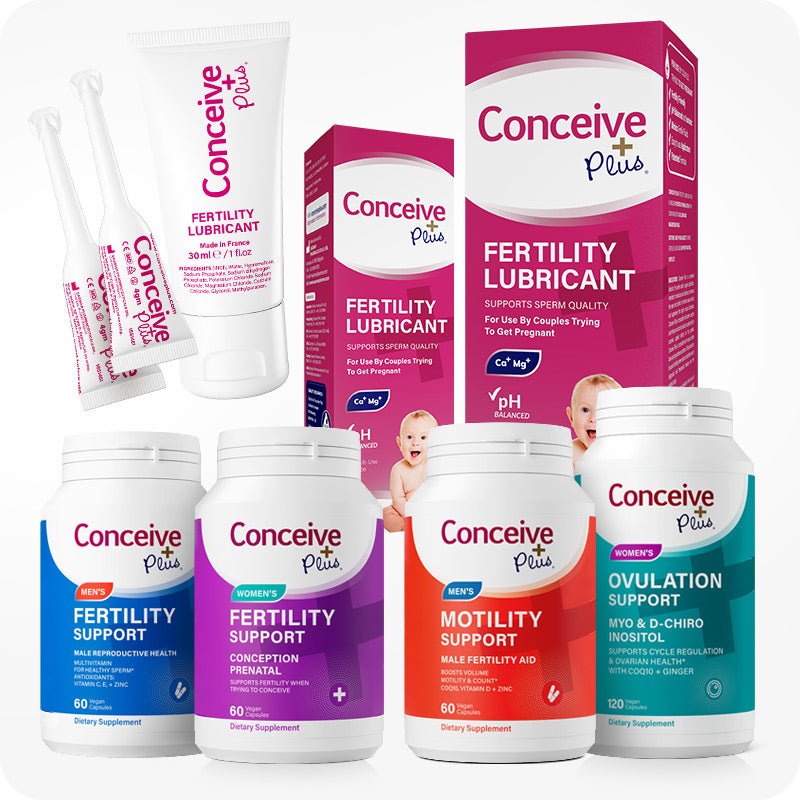
Our Motility Support supplement contains Zinc, CoQ10, and L-Carnitine — clinically studied nutrients for sperm health and motility.
Shop Now — $34.95✓ Free shipping on orders over $40 | ✓ Trusted by millions of couples worldwide

How to Check if Your Fertile Male
One of the most common questions guys ask is, “how to check if your fertile male?” The fastest way to find out is with a semen analysis [11]. But beyond that, a full fertility workup might include things like a hormone panel, genetic tests, or even a scrotal ultrasound. These can give a fuller picture of your reproductive health.
Top Tip: Don’t stress too much about the results. Many issues can be fixed with lifestyle changes, supplements, or medical treatments.
What to Expect from Your Results
Once the tests are done, the doctor for sperm will go over the results with you. If your sperm count is normal, that’s great! But if not, don’t panic. Sometimes, the issues are minor and can be addressed with medication or minor lifestyle changes [12]. Other times, you may need further treatment. Either way, knowing the results is the first step to finding a solution.
Top Tip: Make sure you’re open with your doctor about your lifestyle—smoking, alcohol, even diet—all these things can affect your sperm health.

The Bottom Line
Getting a test to check male fertility doesn’t have to be a daunting task. It’s a straightforward process that can give you valuable information about your reproductive health. Whether it’s a blood test for male fertility or a semen analysis, these tests help to point you in the right direction. And remember, you can start by consulting a sperm count doctor or a fertility clinic to take the first step.
FAQs
How do you test male fertility?
A semen analysis is the main way to test male fertility, along with hormone tests and sometimes genetic evaluations.
What is a lab test for male fertility?
A lab test for male fertility typically refers to semen analysis and hormone level tests to assess sperm health.
What doctor checks sperm count?
A urologist or fertility specialist typically checks sperm count through a semen analysis.
Where does a man go to check his fertility?
Men can go to a fertility clinic or see a urologist for fertility testing and semen analysis.
How to check if your fertile male?
The most reliable way to check if you are fertile is through a semen analysis and possibly hormone testing.
Citations
- Murugappan, Gayathree et al. Association between infertility and all-cause mortality: analysis of US claims data. American Journal of Obstetrics & Gynecology Available at: https://www.ajog.org/article/S0002-9378(21)00097-1/abstract
- Homan GF, Davies M, Norman R. The impact of lifestyle factors on reproductive performance in the general population and those undergoing infertility treatment: a review. Hum Reprod Update. Available at: https://pubmed.ncbi.nlm.nih.gov/17208948/
- Eisenberg ML, Esteves SC, Lamb DJ, Hotaling JM, Giwercman A, Hwang K, Cheng YS. Male infertility. Nat Rev Dis Primers. Available at: https://pubmed.ncbi.nlm.nih.gov/37709866/
- Zirkin BR, Papadopoulos V. Leydig cells: formation, function, and regulation. Biol Reprod. Available at: https://pubmed.ncbi.nlm.nih.gov/29566165/
- Agarwal A, Mulgund A, Hamada A, Chyatte MR. A unique view on male infertility around the globe. Reprod Biol Endocrinol. Available at: https://pubmed.ncbi.nlm.nih.gov/25928197/
- Tsujimura A. The Relationship between Testosterone Deficiency and Men's Health. World J Mens Health. Available at: https://www.ncbi.nlm.nih.gov/pmc/articles/PMC3770847/
- Hamada A, Esteves SC, Nizza M, Agarwal A. Unexplained male infertility: diagnosis and management. Int Braz J Urol. Available at: https://pubmed.ncbi.nlm.nih.gov/23131516/
- Krausz C, Riera-Escamilla A. Genetics of male infertility. Nat Rev Urol. Available at: https://pubmed.ncbi.nlm.nih.gov/29622783/
- Khatun A, Rahman MS, Pang MG. Clinical assessment of the male fertility. Obstet Gynecol Sci. Available at: https://www.ncbi.nlm.nih.gov/pmc/articles/PMC5854897/
- Caroppo E, Colpi GM. Male Infertility: A Review of Key Papers Appearing in the Reproductive Medicine and Andrology Section of the Journal of Clinical Medicine. J Clin Med. Available at: https://www.ncbi.nlm.nih.gov/pmc/articles/PMC10057583/
- Cooper TG, Noonan E, von Eckardstein S, Auger J, Baker HW, Behre HM, Haugen TB, Kruger T, Wang C, Mbizvo MT, Vogelsong KM. World Health Organization reference values for human semen characteristics. Hum Reprod Update. Available at: https://pubmed.ncbi.nlm.nih.gov/19934213/
- Ferramosca A, Zara V. Diet and Male Fertility: The Impact of Nutrients and Antioxidants on Sperm Energetic Metabolism. Int J Mol Sci. Available at: https://www.ncbi.nlm.nih.gov/pmc/articles/PMC8910394/
🌱 Boost Male Fertility Naturally
Conceive Plus Men's Motility Support is formulated with the nutrients that matter most for sperm quality, count, and motility.
Shop Men's Fertility →Frequently Asked Questions
Recommended by Fertility Experts
Conceive Plus Men's Fertility Support
Designed to support healthy sperm production, motility, and overall male reproductive health with clinically studied nutrients.
Shop Now →How much does a male fertility test cost in the US?
The cost of a semen analysis typically ranges from $200 to $1,000, depending on your location and whether your insurance covers it. Blood tests for hormone levels add another $100 to $500, while more specialized tests like ultrasounds or genetic testing can cost $500 to $2,000 or more. Many insurance plans do cover basic fertility testing if you've been trying to conceive for over a year, so it's worth checking with your provider first.
Do I need a doctor's referral to get a male fertility test?
You don't always need a referral, but it depends on your insurance plan and the clinic you're visiting. Most fertility clinics and urologists will accept self-referrals, though some insurance companies require a referral from your primary care doctor for coverage. It's best to contact your insurance provider and the clinic directly to confirm their requirements before scheduling.
How long does it take to get male fertility test results?
Semen analysis results are typically available within 3 to 7 business days, while blood work results usually come back in 5 to 10 days. More specialized tests like genetic testing can take 2 to 4 weeks depending on the laboratory. Your doctor will contact you once results are ready and can discuss next steps during a follow-up appointment.
Can I take a male fertility test at home?
While some at-home sperm count screening tests exist and are FDA-cleared, they provide limited information compared to a clinical semen analysis. These home tests can give you a preliminary indication of sperm count but cannot assess sperm motility, morphology, or hormone levels. For a complete fertility evaluation, clinical testing at a fertility clinic or urology office is recommended.
What should I do to prepare for a semen analysis test?
The American Society for Reproductive Medicine (ASRM) recommends abstaining from ejaculation for 2 to 5 days before providing a sample to ensure accurate results. Avoid smoking, excessive alcohol consumption, and extreme heat exposure (like hot tubs) for at least 2 weeks before testing, as these can affect sperm quality. Inform your doctor about any medications you're taking, as some can impact fertility.
What does a low sperm count mean for fertility?
A low sperm count (oligospermia) can make conception more difficult but doesn't necessarily mean you're infertile. Fertility specialists consider multiple factors including sperm motility and morphology, not just count. Depending on how low your count is and other test results, your doctor may recommend lifestyle changes, supplements, medication, or assisted reproductive techniques like IUI or IVF.
How often should men get fertility testing if trying to conceive?
If you're actively trying to conceive, one initial comprehensive fertility evaluation is typically recommended. If the first semen analysis shows abnormal results, your doctor may order a repeat test after 2 to 3 months to confirm findings, as sperm production can fluctuate. After that, follow your fertility specialist's recommendations based on your specific results and treatment plan.
Trusted by Couples in Over 70 Countries
Support Male Fertility From the Inside Out
Male fertility is just as important as female fertility in the conception journey. Conceive Plus Men's range delivers targeted nutritional support to promote healthy sperm and overall reproductive wellbeing.
Shop Men's Range →