Sexual Positions Names: Broadening Your Intimacy Repertoire


Variety and creativity are often lauded as key elements of a fulfilling intimate life. Many couples express interest in diversifying what they do in the bedroom, hoping to discover new sensations, deepen their emotional connection, and maintain a satisfying level of excitement. One approach to achieve this is to explore a range of sexual positions names and understand how they can enhance pleasure, comfort, and communication. Below is a thoughtful, research-backed overview aimed at clarifying different aspects of sexual positioning, the cultural contexts behind them, and practical tips for integrating more variety into one’s relationship.

Historical and Cultural Perspectives on Intimacy
Many ancient civilizations saw erotic exploration as an essential part of life. Texts like the Kama Sutra from ancient India were not just about listing positions but also about the broader emotional and spiritual dimensions of closeness. In many cultures, these writings served as instructional guides, offering insights into how partners could achieve not only physical satisfaction but also deeper harmony. Though numerous societies have historically placed taboos on open discourse about sexuality, there has always been a strand of curiosity dedicated to understanding the mechanics and emotional impact of different forms of intimacy.
Modern cultures continue this tradition in more open ways, thanks largely to the internet, expanding sex education programs, and widespread literature. People seeking clarity on a particular sex position name can now easily access explanations, diagrams, and even medical opinions. This growing openness helps dispel myths, encourages responsible experimentation, and fosters honest discussions [1].
Exploring Variety for Emotional and Physical Benefits
Couples who experiment with a diverse range of acts—whether that means trying new positions or incorporating innovative elements—often find that novelty can rejuvenate or sustain desire. Research in relationship psychology highlights that healthy levels of novelty can revitalize feelings of excitement. Several studies suggest that long-term relationships benefit from consciously exploring new activities, including physical intimacy. While some may assume that searching out a list of sex positions and their names is a frivolous endeavor, doing so can greatly enhance communication around desires and boundaries.
Variety does not necessarily imply complicated gymnastics. Simple modifications of existing positions—like adjusting angles or using pillows to support different parts of the body—can yield new sensations. Couples often discover that a single shift in leg or hip alignment can dramatically change comfort levels and pleasure. Furthermore, swapping the usual time or place for intimacy can also serve as a catalyst, making the experience feel fresh again [2].
Core Principles for Selecting a Position
- Comfort: Physical ease is vital. If a position strains your muscles or causes joint discomfort, it might reduce the overall pleasure. Positioning aids like cushions and wedges can make certain arrangements more accessible and enjoyable.
- Communication: Vocalizing preferences or discomfort ensures that both partners stay in sync. This may be as simple as saying, “Let’s try adjusting my hips” or “I’m feeling a slight strain; can we reposition?” [3]
- Health Conditions: Individuals managing chronic pain, injuries, or conditions like arthritis may need to explore gentler variations. Healthcare professionals or physical therapists sometimes offer suggestions on supportive stances that alleviate stress on problem areas.
- Mutual Pleasure: Positions should ideally serve both partners. In some arrangements, one person may experience more direct stimulation, so consider balancing the dynamic by regularly rotating roles or exploring new angles that could offer mutual gratification.
Naming Conventions and What They Mean
When it comes to sexual positions, the naming system can range from straightforward to fanciful. Traditional labels like “Missionary,” “Cowgirl,” and “Spooning” have endured for decades because they effectively convey a body arrangement. Then there are more creative or humorous labels that have been popularized online and in certain books. Identifying a particular sex position name can sometimes be more about memorability than exact descriptions.
Missionary remains one of the most recognized globally due to its simplicity: one partner lies on their back while the other is on top. By contrast, “Cowgirl” flips that arrangement, providing the partner on top with more control over depth and rhythm. Meanwhile, “Spooning” offers a side-lying orientation that can be especially comfortable for those seeking a gentle or nurturing approach.

An Overview of Popular Arrangements
Though people often categorize them in various ways, below is a general guide to some commonly mentioned top positions:
- Face-to-Face Reclining: This includes the Missionary-style posture, which can be ideal for maintaining eye contact and emotional intimacy. Variations can involve lifting the receiving partner’s legs or placing pillows under the hips.
- Straddle or “On Top”: Positions such as Cowgirl allow the person on top to control pacing and angle. This is particularly beneficial for clitoral or G-spot stimulation. Rotations on this theme include Reverse Cowgirl, where the partner on top faces away, providing a different visual and physical experience.
- From Behind: Often associated with “Doggy Style,” this arrangement can allow for deep penetration and ease of movement. Support from pillows or leaning against furniture can adjust angles for comfort.
- Seated or Chair-Based: These positions can be especially helpful for couples wanting closer body contact or for those with limited mobility. By sitting on a sturdy chair or edge of the bed, one partner can guide the other’s movements or provide support if balance is an issue.
- Side-Lying: Often referred to as Spooning, side-lying arrangements offer a comfortable, relaxed option. Because it reduces strain on hips, knees, and arms, it’s favored by those seeking a gentler approach.
Though these categories serve as a broad overview, exploring detailed variations within each can offer endless possibilities. Those curious about sex positions and their names often find entire compendiums dedicated to describing each posture down to the slightest angle. For couples exploring intimacy with conception in mind, some believe that specific techniques, including what sex position helps conceive a girl, may influence the likelihood of having a daughter based on theories surrounding sperm motility and positioning.
Importance of Mutual Consent and Safety
Amid the excitement of broadening one’s sexual repertoire, it is crucial never to lose sight of consent. Clear, ongoing communication is essential. Before attempting something unfamiliar, pause to ensure both partners are on board. If someone experiences discomfort or a loss of enthusiasm during intimacy, it is important to reassess the situation immediately.
Additionally, though trying advanced maneuvers can be exciting, couples need to consider safety. Some complex acts might strain muscles or require strong core stability. Stretching, gentle warm-ups, or beginning with simpler modifications can reduce the chance of injury. Using lubrication, especially when exploring new angles or types of contact, further adds to a safe and pleasurable experience. For those exploring different ways to enhance comfort and intimacy, some couples consider coconut oil as lube, appreciating its natural properties while also weighing its compatibility with certain materials and individual sensitivities.
Resources for Greater Exploration
Curiosity about lesser-known variations often leads couples toward educational materials. Books, online courses, and even smartphone applications exist to guide people through new ideas. Some of these resources offer more than just pictures; they provide health and safety tips, user forums, and even instructions on how to adapt positions for different body types or abilities.
Clinical sexologists and therapists can also be invaluable, especially for partners experiencing mismatched libidos or those with underlying anxieties related to intimacy. Expert advice can help navigate any emotional or psychological barriers, making it easier for both individuals to enjoy a broader range of experiences without added tension.
The Role of Mindfulness and Emotional Connection
While focusing on mechanics and novelty, it’s easy to forget the emotional and psychological aspects of a fulfilling sexual encounter. Mindfulness practices, such as paying deliberate attention to breath and body sensations, can enhance the pleasure derived from any position. Eye contact, gentle touch, and expressions of affection reinforce connection, transforming a purely physical act into a shared emotional experience.
Research has shown that couples who incorporate mindfulness into intimacy report higher satisfaction levels and stronger bonds. This can be as simple as setting aside devices and other distractions, lighting candles, or playing soft music. The key is to be fully present with your partner, whether in a classic arrangement or an experimental posture.

Handling Differences in Preferences
No two individuals are alike in their comfort zones and bodily responses. What is exhilarating for one might be intimidating or physically challenging for another. Rather than forcing agreement, it can help to create a “wish list” that includes positions or fantasies both partners would like to try. From there, a collaborative dialogue can identify the most mutually appealing options.
Respectful negotiation ensures that exploration remains a positive, unifying experience. If a certain posture or approach proves too uncomfortable or not as enjoyable as hoped, partners can reevaluate without blame. Striking a balance between trying new things and honoring each person’s boundaries fosters a trusting environment [4].
Bringing It All Together
Exploring different ways to connect intimately has long been part of human history. By experimenting with new and familiar setups, partners can reinvigorate their bond, discover shared pleasures, and cultivate deeper emotional ties. Whether one is seeking a single sex position name for a fresh experience or diving into a detailed manual of sexual positions names, the real value lies in the honest communication and mutual respect that accompany the process.
Ultimately, open-minded curiosity and mindful engagement can yield a variety of benefits, from heightening physical pleasure to strengthening emotional closeness. If partners approach the subject with clear communication, an appreciation for safety, and a willingness to learn from each other, the possibilities become abundant, making every shared moment a chance for deeper connection and excitement [5].
The Bottom Line
While different people will naturally gravitate toward distinct favorites, exploring a range of sexual positions names can invigorate intimacy, boost communication, and nurture emotional bonds. From the simplest shifts in angle to more adventurous postures, every couple has the capacity to learn, adapt, and discover what feels right for them, making each encounter a truly shared experience.
References
- van Lankveld J, Jacobs N, Thewissen V, Dewitte M, Verboon P. The associations of intimacy and sexuality in daily life: Temporal dynamics and gender effects within romantic relationships. J Soc Pers Relat. 2018 May;35(4):557-576. doi: 10.1177/0265407517743076. Epub 2018 Mar 23. PMID: 29899585; PMCID: PMC5987853.
- Baumeister, R. F., & Bratslavsky, E. (1999). Passion, Intimacy, and Time: Passionate Love as a Function of Change in Intimacy. Personality and Social Psychology Review, 3(1), 49-67. https://doi.org/10.1207/s15327957pspr0301_3
- Birnbaum, G. E., Reis, H. T., Mizrahi, M., Kanat-Maymon, Y., Sass, O., & Granovski-Milner, C. (2016). Intimately connected: The importance of partner responsiveness for experiencing sexual desire. Journal of Personality and Social Psychology, 111(4), 530–546. https://doi.org/10.1037/pspi0000069
- Oliva-Lozano JM, Alacid F, López-Miñarro PA, Muyor JM. What Are the Physical Demands of Sexual Intercourse? A Systematic Review of the Literature. Arch Sex Behav. 2022 Apr;51(3):1397-1417. doi: 10.1007/s10508-021-02246-8. Epub 2022 Feb 11. PMID: 35147835; PMCID: PMC8917001.
- Liu, H., Waite, L. J., Shen, S., & Wang, D. H. (2016). Is Sex Good for Your Health? A National Study on Partnered Sexuality and Cardiovascular Risk among Older Men and Women. Journal of Health and Social Behavior, 57(3), 276–296. https://doi.org/10.1177/0022146516661597
🌱 Explore Conceive Plus
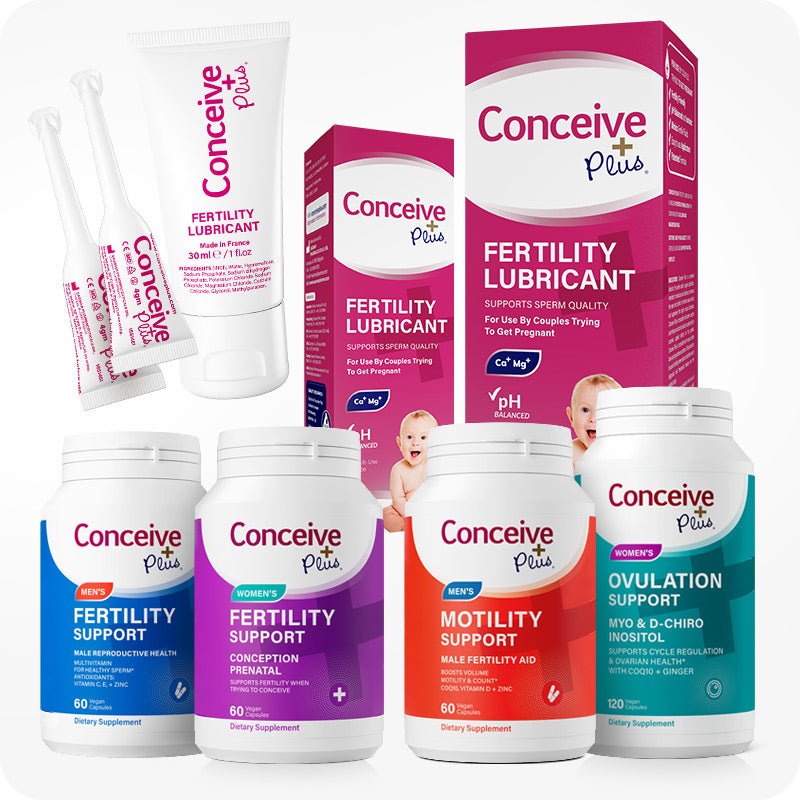
From fertility lubricants to supplements for him and her — discover clinically-tested products trusted by millions of couples worldwide.
Shop All Products →Frequently Asked Questions
Recommended by Fertility Experts
Conceive Plus Men's Fertility Support
Designed to support healthy sperm production, motility, and overall male reproductive health with clinically studied nutrients.
Shop Now →Q: How can different sexual positions improve fertility and conception chances?
A: While position alone doesn't dramatically increase fertility rates, research suggests that positions allowing deeper penetration may facilitate sperm deposit closer to the cervix, potentially supporting conception efforts. According to the American Society for Reproductive Medicine (ASRM), timing intercourse during the fertile window (5 days before and day of ovulation) matters more than position, though comfort and relaxation during intimacy can reduce stress hormones that may impact fertility. Couples trying to conceive benefit from positions that feel comfortable and allow for consistent timing rather than positions that cause tension or discomfort. Using a fertility-supporting lubricant like Conceive Plus, which is specifically formulated to be sperm-friendly and non-toxic, can enhance comfort during intimate moments while supporting your conception goals. Communication with your partner about preferred positions can also reduce anxiety and create a more relaxed environment conducive to conception.
Q: What are the most popular sex positions names used by American couples?
A: Common position names include Missionary, Cowgirl, Reverse Cowgirl, Spooning, Doggy Style, and Lotus, which represent the most frequently discussed positions in American sexual health literature and surveys. A 2017 survey by the American Association for Sexual Educators, Counselors and Therapists found that most couples regularly use 3-5 core positions and occasionally experiment with variations. Position naming often references the physical shape, animal movements, or cultural origins (like the Lotus position from Eastern traditions), making them easier to discuss with partners. Beyond basic positions, many couples explore variations by adjusting angles, depth, or partner involvement to discover what feels most pleasurable and intimate for them. Understanding position names helps couples communicate their preferences clearly, which research shows strengthens relationship satisfaction and sexual fulfillment.
Q: Are there any medical considerations when exploring different sexual positions?
A: Yes, individuals with certain health conditions—including back pain, arthritis, cardiovascular concerns, or pelvic floor issues—should consider positions that minimize strain and consult healthcare providers if needed. The American College of Obstetricians and Gynecologists (ACOG) recommends that pregnant individuals and those with specific reproductive health conditions discuss sexual activity and positioning with their healthcare team to ensure safety. Positions should never cause sharp pain, numbness, or discomfort; if they do, couples should adjust or try alternatives. For those actively trying to conceive, maintaining comfort during intercourse is important because stress and pain can elevate cortisol levels, which may impact reproductive hormones. Using supportive aids like pillows and ensuring adequate lubrication with products like Conceive Plus can reduce physical strain while making intimate experiences more enjoyable and sustainable.
Q: How does communication about sexual positions strengthen couple relationships?
A: Research from the Journal of Sex & Marital Therapy shows that couples who openly discuss sexual preferences, including position preferences, report higher relationship satisfaction and sexual fulfillment than those who avoid these conversations. Clear communication about comfort, boundaries, and desires around positioning reduces anxiety and helps partners feel more emotionally connected during intimate moments. According to a 2022 American survey, approximately 67% of couples who regularly discuss their intimate preferences report greater overall relationship satisfaction. Starting these conversations outside the bedroom—perhaps during a relaxed moment—can make discussions feel less pressured and more collaborative. When couples approach position exploration as a shared adventure with mutual respect and feedback, it often strengthens both physical intimacy and emotional bonding.
Q: What should couples know about safety when trying new sexual positions?
A: Safety in position exploration includes ensuring adequate lubrication to prevent tissue irritation or microtears, using proper protection if needed, and proceeding gradually with new positions rather than forcing uncomfortable angles. The American Sexual Health Association emphasizes that natural lubrication alone may be insufficient, especially during longer sessions, making supplemental lubricants like Conceive Plus an excellent choice for couples trying to conceive since it's formulated to support both comfort and sperm viability. Couples should establish clear signals or safe words to communicate discomfort and agree to stop or modify positions immediately if either partner experiences pain. Positions should never compromise circulation, create pressure on joints, or cause instability that risks falls or injuries. Taking time to learn proper technique, using supportive props like pillows, and checking in with your partner throughout ensures that position exploration enhances intimacy safely and enjoyably.
Trusted by Couples in Over 70 Countries
Support Male Fertility From the Inside Out
Male fertility is just as important as female fertility in the conception journey. Conceive Plus Men's range delivers targeted nutritional support to promote healthy sperm and overall reproductive wellbeing.
Shop Men's Range →