Top Home Remedies to Get Pregnant Immediately and How to Conceive Fast


Looking for remedies to get pregnant immediately? Well, you’re not alone. Many want to learn how to get pregnant fast because waiting can be so hard, right? When you're ready to start a family, it’s natural to feel impatient. So, let’s explore a bunch of at home tricks to get pregnant that can help boost your chances. Below, you’ll find a variety of tips, covering how to get pregnant quickly and effective natural remedies for conceiving that might just work for you [1].

How Pregnancy Works
Before you try to get pregnant fast, you need to know how the whole process works. The most crucial part is ovulation, when the egg gets released from the ovary. This usually happens midway through your cycle. The egg's only around for about 12-24 hours, so you need to time it right. Intercourse during this window is one of the surest ways to increase how to conceive fast. Tracking how to ovulate naturally is a smart move and can make all the difference in your efforts [2].
Track Your Cycle for Best Results
Wondering "How can I get pregnant fast?" Well, tracking your cycle is a great starting point. Use ovulation kits or try the basal body temperature method to figure out when you’re most fertile. It’s a handy way to ensure that you’re having sex at the right times. This can help you understand how to conceive easily and quickly. Ovulation tracking is among the top tips for getting pregnant because it allows you to take full advantage of your fertile window [3]. For those wanting ways to get pregnant fast, this is a solid approach.
Boosting Fertility with Supplements
Some conception tips are about what you put in your body. Supplements can play a big role in improving natural conception. For example, folic acid is essential for egg quality, vitamin D supports hormone production, and CoQ10 boosts egg maturation and energy [4]. Adding these nutrients to your routine is one of the most effective ways to improve fertility naturally. So, if you’re on the lookout for home remedies to get pregnant, this is a good place to start.
Healthy Lifestyle Changes for Easier Conception
If you’re serious about home remedies on how to get pregnant, making some lifestyle changes is key. A balanced diet, regular exercise, and stress management are foundational steps toward natural conception [5]. Here’s what to focus on:
Balanced Diet: Eat foods that are rich in vitamins, minerals, and antioxidants. Leafy greens, seeds, and fatty fish can support reproductive health [6].
Exercise: Keep it light to moderate—walking, light jogging, or yoga. These activities help maintain hormonal balance.
Reduce Stress: High stress can mess up your cycles. Try yoga, meditation, or just taking some downtime to support how to become pregnant quickly naturally [7].
These adjustments are essential tricks to get pregnant that make the journey to conception a bit easier.

Timing Intercourse for Fast Conception
If your goal is to make me pregnant, timing sex correctly is crucial. So, how can you get pregnant fast? Have intercourse one or two days before ovulation since sperm can live up to five days in the female reproductive tract. This greatly increases your chances of how to become pregnant fast [8]. Additionally, addressing issues related to unhealthy sperm can further improve the likelihood of conception. Use this fertile window to ensure you don't miss your chance to how to get pregnant fast naturally.
When it comes to ttc tips, regular sex during the fertile window is one of the best strategies. Aim for every other day during this time to maximize the chances of getting pregnant [9].

✨ Trying to Conceive?
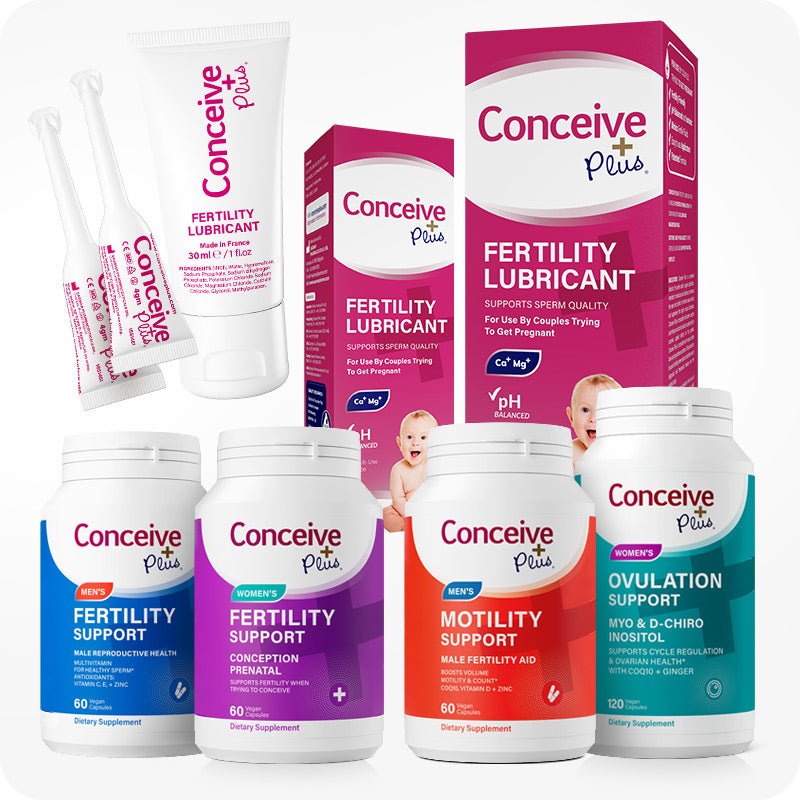
Our Ovulation & Fertility Bundle combines Myo-Inositol with essential vitamins to support healthy hormone balance and regular ovulation.
Shop Now — $55.00✓ Free shipping on orders over $40 | ✓ Trusted by millions of couples worldwide
Home Remedies to Enhance Reproductive Health
Looking for home remedies to become pregnant? These natural options might help:
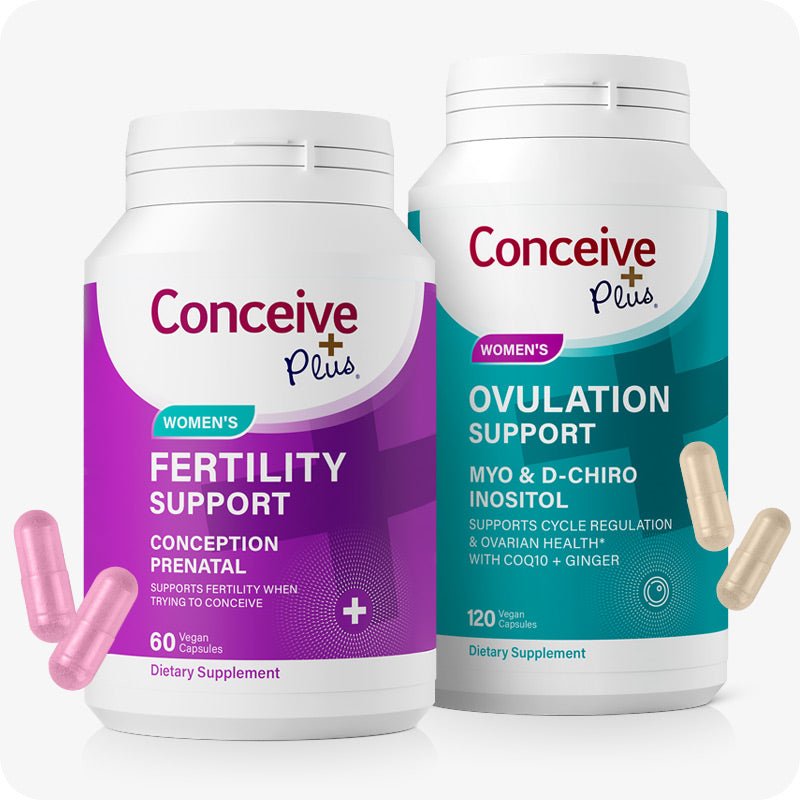
Myo-Inositol & D-Chiro Inositol: Especially good for women with PCOS. They help balance hormones, promoting regular cycles and making how to get pregnant easily [10].
Ginger: Has anti-inflammatory effects that benefit uterine health.
Maca Root: Known to enhance hormonal balance and boost libido, supporting home remedies to conceive [11].
These natural remedies for conceiving offer a more holistic approach, particularly useful for those figuring out how can I get pregnant quickly naturally.
Common Mistakes to Avoid
Even when using various tricks to get pregnant, some mistakes can hurt your chances:
Smoking: Reduces fertility for both men and women. If you’re serious about how to get pregnant quickly, quitting smoking is essential [12].
Excessive Alcohol: Affects hormonal balance and reproductive health, making it harder to get pregnant fast.
Poor Diet: Lack of essential nutrients can hurt fertility. Focus on foods that support natural conception.
These issues are among the most common mistakes people make, which is why addressing them is part of tips for ttc.

Intercourse Tips for Better Conception
How you have sex can affect how to conceive fast. Positions that allow deeper penetration can help sperm get closer to the cervix, increasing your chances of success. After sex, try lying down for 10-15 minutes to give sperm a better chance to move toward the egg. This simple step can help you achieve how to become pregnant quickly naturally.
When to Consider a Specialist
If you’ve been trying all sorts of home remedies on how to get pregnant without success, it might be time to see a fertility specialist. If you’re under 35 and have tried for a year, or over 35 and trying for six months, it’s wise to consult a doctor. This aligns with tips to become pregnant naturally, as sometimes medical support is needed.
The Bottom Line
If you’re searching for remedies to get pregnant immediately, the strategies shared here are practical and effective. From tracking ovulation to making lifestyle changes, each tip can bring you closer to the goal of how to get pregnant quickly naturally. Remember, persistence is key, and patience matters on this journey to parenthood.
FAQs
How soon can I get pregnant after trying these remedies?
It varies—some conceive within a few months, but it can take up to a year for others. Stay patient.
Do natural remedies really work for getting pregnant fast?
Yes, they help support reproductive health, which can improve your chances of conceiving faster.
Is timing really that important for conceiving quickly?
Absolutely, having sex during the fertile window significantly increases your chances.
What should I avoid when trying to conceive?
Smoking, high alcohol intake, and stress can all hinder fertility and make conception harder.
Can I take fertility supplements along with a healthy diet?
Yes, supplements like folic acid, vitamin D, and CoQ10 work well with a balanced diet to boost fertility.
Citations
- Baerwald, A. R., Adams, G. P., & Pierson, R. A. (2003). A new model for ovarian follicular development during the human menstrual cycle. Fertility and sterility. Available at: https://pubmed.ncbi.nlm.nih.gov/12849812/
- Macklon, N. S., Stouffer, R. L., Giudice, L. C., & Fauser, B. C. (2006). The science behind 25 years of ovarian stimulation for in vitro fertilization. Endocrine reviews. Available at: https://pubmed.ncbi.nlm.nih.gov/16434510/
- Steward K, Raja A. Physiology, Ovulation And Basal Body Temperature. [Updated 2023 Jul 17]. In: StatPearls [Internet]. Treasure Island (FL): StatPearls Publishing. Available at: https://www.ncbi.nlm.nih.gov/books/NBK546686/
- Bentov, Y., Hannam, T., Jurisicova, A., Esfandiari, N., & Casper, R. F. (2014). Coenzyme Q10 Supplementation and Oocyte Aneuploidy in Women Undergoing IVF-ICSI Treatment. Clinical medicine insights. Reproductive health. Available at: https://pubmed.ncbi.nlm.nih.gov/24987272/
- Fisher S. (2008). The fertility diet: Groundbreaking research reveals natural ways to boost ovulation & improve your chances of getting pregnant. The Journal of Clinical Investigation. Available at: https://pmc.ncbi.nlm.nih.gov/articles/PMC2276768/
- Chavarro, J. E., Rich-Edwards, J. W., Rosner, B. A., & Willett, W. C. (2007). Diet and lifestyle in the prevention of ovulatory disorder infertility. Obstetrics and gynecology. Available at: https://pubmed.ncbi.nlm.nih.gov/17978119/
- Domar, A. D., Seibel, M. M., & Benson, H. (1990). The mind/body program for infertility: a new behavioral treatment approach for women with infertility. Fertility and sterility. Available at: https://pubmed.ncbi.nlm.nih.gov/2078200/
- Wilcox, A. J., Weinberg, C. R., & Baird, D. D. (1995). Timing of sexual intercourse in relation to ovulation. Effects on the probability of conception, survival of the pregnancy, and sex of the baby. The New England journal of medicine. Available at: https://pubmed.ncbi.nlm.nih.gov/7477165/
- Dunson, D. B., Baird, D. D., Wilcox, A. J., & Weinberg, C. R. (1999). Day-specific probabilities of clinical pregnancy based on two studies with imperfect measures of ovulation. Human reproduction (Oxford, England). Available at: https://pubmed.ncbi.nlm.nih.gov/10402400/
- Nestler, J. E., & Jakubowicz, D. J. (1996). Decreases in ovarian cytochrome P450c17 alpha activity and serum free testosterone after reduction of insulin secretion in polycystic ovary syndrome. The New England journal of medicine. Available at: https://pubmed.ncbi.nlm.nih.gov/8687515/
- Gonzales, G. F., Miranda, S., Nieto, J., Fernández, G., Yucra, S., Rubio, J., Yi, P., & Gasco, M. (2005). Red maca (Lepidium meyenii) reduced prostate size in rats. Reproductive biology and endocrinology. Available at: https://pubmed.ncbi.nlm.nih.gov/15661081/
- Harlev, A., Agarwal, A., Gunes, S. O., Shetty, A., & du Plessis, S. S. (2015). Smoking and Male Infertility: An Evidence-Based Review. The world journal of men's health. Available at: https://pmc.ncbi.nlm.nih.gov/articles/PMC4709430/
Conceive Plus is the best place to buy myo-inositol online for the best myo-inositol supplements Conceive Plus Ovulation Support contains premium myo-inositol for sale. Order myo-inositol capsules online today to boost your ovulation and regulate hormones and menstrual cycles.
🌱 Support Your Fertility Journey
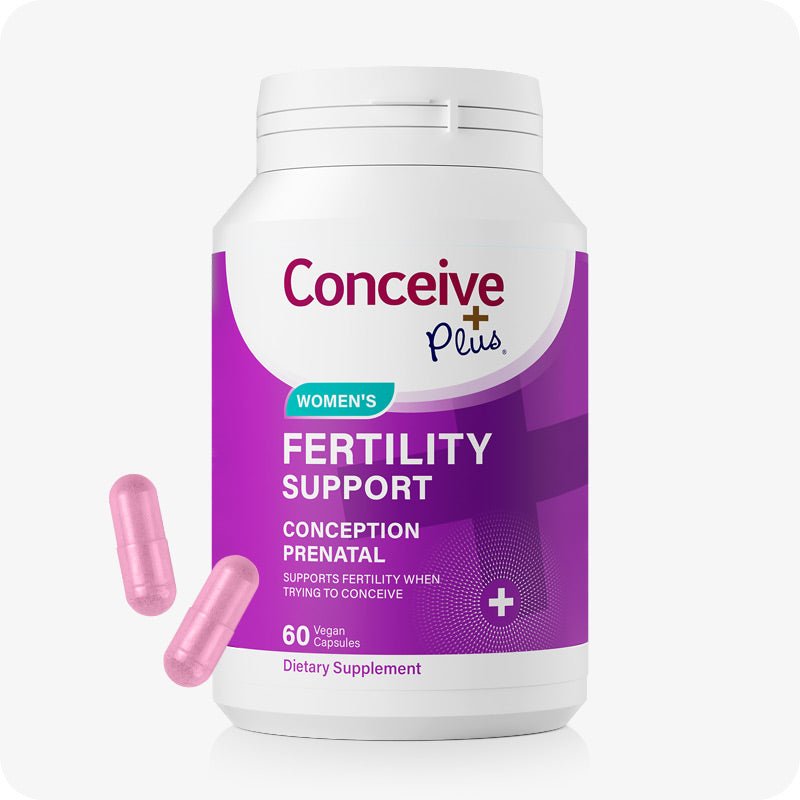
Conceive Plus fertility supplements are clinically formulated to help regulate your cycle and support egg quality.
Shop Fertility Support →Frequently Asked Questions
Recommended by Fertility Experts
Conceive Plus Men's Fertility Support
Designed to support healthy sperm production, motility, and overall male reproductive health with clinically studied nutrients.
Shop Now →How long does it typically take to get pregnant if I'm doing everything right?
According to the American Society for Reproductive Medicine (ASRM), about 85% of couples who have regular intercourse will conceive within one year, and 90% within two years. However, timing intercourse during your fertile window (the 5 days before and day of ovulation) can significantly improve your chances each cycle. If you're under 35 and haven't conceived after one year of trying, or over 35 and haven't conceived after 6 months, it's recommended to see a fertility specialist.
Are fertility supplements like CoQ10 and prenatal vitamins FDA-approved for conception?
While prenatal vitamins containing folic acid are recommended by the FDA and ASRM for women trying to conceive, supplements like CoQ10 are classified as dietary supplements and are not FDA-approved as fertility treatments. That said, some research suggests CoQ10 may support egg quality, but you should discuss any supplement regimen with your healthcare provider before starting, as quality and safety standards vary by manufacturer.
Does health insurance cover fertility testing and ovulation tracking methods?
Coverage varies significantly by insurance plan and state. Basic fertility tests like blood work and ultrasounds may be covered under diagnostic services, but specialized ovulation tracking devices and fertility clinics often require separate coverage or out-of-pocket costs. Contact your insurance provider directly, as some states have mandated fertility coverage laws that may apply to your plan.
What's the most accurate way to track ovulation at home?
The most reliable home methods are ovulation predictor kits (which detect the LH surge) and basal body temperature charting combined with cervical mucus observation. Ovulation typically occurs 12-16 days before your next period, and the fertile window is the 5 days before ovulation plus the day of ovulation itself. For the most accurate results, fertility apps that combine multiple tracking methods can help you identify your personal ovulation pattern.
Can stress actually prevent pregnancy, and how do I manage it?
While high stress doesn't directly prevent ovulation, chronic stress can disrupt hormone production and menstrual cycles, potentially affecting fertility. The ASRM recommends stress-reduction techniques such as yoga, meditation, therapy, and regular exercise as part of a comprehensive fertility approach. Managing stress is considered foundational to reproductive health and overall wellness during your conception journey.
Are there any foods I should avoid when trying to conceive?
Yes—when trying to conceive, you should limit high-mercury fish (like shark and swordfish), excess caffeine (over 200mg daily per ASRM guidelines), alcohol, and highly processed foods with added sugars and trans fats. Instead, focus on nutrient-dense foods like leafy greens, fatty fish rich in omega-3s, nuts, seeds, and whole grains that support reproductive hormone production and egg quality.
When should I see a fertility specialist instead of trying home remedies?
The ASRM recommends seeing a fertility specialist if you're under 35 and haven't conceived after one year of regular unprotected intercourse, or if you're over 35 and haven't conceived after 6 months. You should also seek specialist care if you have irregular periods, a history of pelvic inflammatory disease, endometriosis, or if your partner has known fertility issues. A fertility clinic can provide comprehensive testing and personalized treatment options beyond home remedies.
Trusted by Couples in Over 70 Countries
Support Male Fertility From the Inside Out
Male fertility is just as important as female fertility in the conception journey. Conceive Plus Men's range delivers targeted nutritional support to promote healthy sperm and overall reproductive wellbeing.
Shop Men's Range →