Best Fruits During Pregnancy: Nutrient-Rich Options for a Healthy Pregnancy
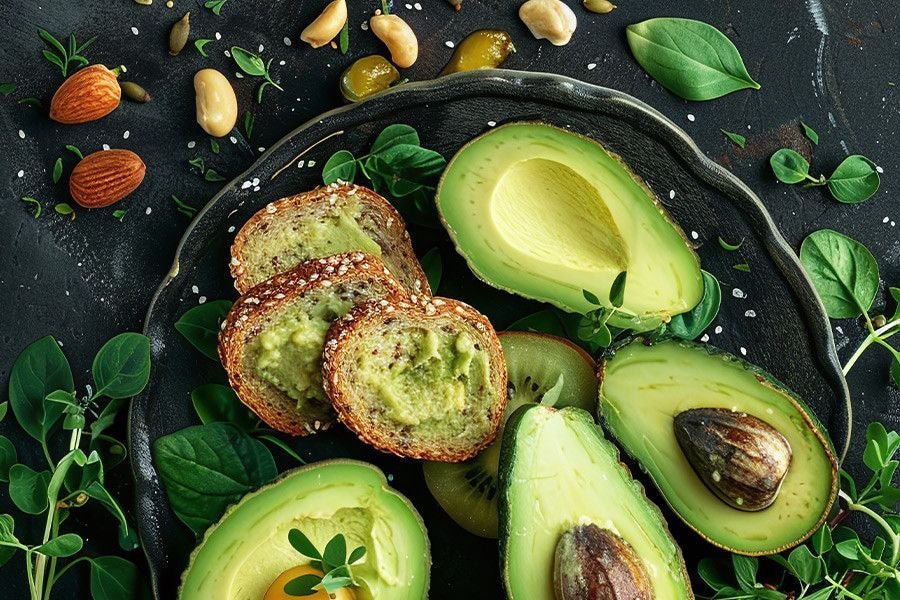

Eating a balanced and nutritious diet is crucial during pregnancy, as it supports both maternal health and the development of the growing baby. Fruits are a vital component of this diet, offering essential vitamins, minerals, and fiber. With so many options available, choosing the best fruits during pregnancy can make a significant difference in ensuring optimal nutrition. Many women also experience hunger in early pregnancy when does it start, as changes in appetite can vary by individual. In this article, we’ll explore some of the top fruits that should be included in a pregnant woman's diet and why they are particularly beneficial.

What Nutrients Need to Be Increased During Pregnancy?
Before diving into specific fruits, it’s important to understand what nutrients need to be increased during pregnancy. Pregnant women require additional nutrients, including:
- Folic acid (folate): This B-vitamin helps prevent neural tube defects and supports fetal brain and spine development.[1]
- Iron: Essential for preventing anemia and supporting increased blood volume during pregnancy.[2]
- Calcium: Vital for the baby’s developing bones and teeth.[3]
- Vitamin C: Supports immune function and improves iron absorption.[4]
- Fiber: Helps prevent constipation, a common pregnancy complaint.[5]
- Potassium: Helps maintain fluid balance and supports cardiovascular health.[6]
Many fruits are rich in these nutrients, making them a perfect addition to your pregnancy diet.
1. Cantaloupe During Pregnancy: A Nutrient-Packed Choice
One of the most nutritious and hydrating fruits you can enjoy is cantaloupe during pregnancy. This melon is rich in water, which helps maintain hydration, and offers an array of important nutrients.
- Vitamin C: Cantaloupe is an excellent source of vitamin C, which supports immune function and helps with the absorption of iron from plant-based foods. Pregnant women need higher amounts of this vitamin to reduce the risk of prenatal infections and support the development of the baby’s tissues.
- Folate: This fruit contains folate, essential for fetal brain development and reducing the risk of neural tube defects. Eating cantaloupe as part of a balanced diet can contribute to meeting the recommended folic acid intake during pregnancy.
- Potassium: Pregnancy cantaloupe also provides a healthy dose of potassium, which helps regulate fluid balance in the body and reduces the risk of pregnancy-related hypertension. Adequate potassium intake can help prevent leg cramps from pregnancy.
2. Berries: Antioxidant-Rich Superfoods
Berries, such as strawberries, blueberries, and raspberries, are among the best fruits during pregnancy due to their high content of antioxidants, fiber, and vitamins.

✨ Think You Might Be Pregnant?
Get fast, accurate results up to 6 days before your missed period with our early detection pregnancy test.
Shop Now — $9.80✓ Free shipping on orders over $40 | ✓ Trusted by millions of couples worldwide
- Vitamin C and fiber: These fruits are a great source of vitamin C, supporting the immune system and promoting healthy skin. The fiber content helps alleviate constipation and promotes digestive health.
- Antioxidants: The antioxidants in berries, particularly flavonoids, may help reduce inflammation and protect cells from damage. This is especially important during pregnancy when oxidative stress can increase.

3. Bananas: A Quick Energy Boost
Bananas are an ideal fruit for pregnant women because they provide a quick and natural source of energy. They are also easy to digest, making them a good choice for women dealing with morning sickness.
- Potassium: Bananas are particularly rich in potassium, which helps balance fluids in the body and reduces swelling and water retention.
- Vitamin B6: This vitamin is important for brain development and may help reduce nausea during early pregnancy.
4. Avocados: A Healthy Fat Source
Avocados are unique in that they provide healthy fats, which are crucial for the development of the baby’s brain and central nervous system. This makes them one of the best fruits during pregnancy for women who want to ensure they are getting enough healthy fats.
- Monounsaturated fats: These fats are beneficial for both maternal and fetal health, supporting heart function and reducing the risk of gestational diabetes.
- Folate: Like cantaloupe, avocados are rich in folate, supporting the baby’s development.
5. Oranges: A Hydrating Powerhouse
Oranges are another excellent choice for pregnant women, providing hydration and vital nutrients. They’re packed with vitamin C, folate, and fiber.
- Vitamin C: Like cantaloupe, oranges are a top source of vitamin C, aiding in iron absorption and supporting a healthy immune system.
- Hydration: With a high water content, oranges help keep you hydrated, especially during the hot summer months.
6. Apples: A Nutritious Snack
Apples are rich in fiber and vitamin C, making them a perfect on-the-go snack for pregnant women.
- Fiber: Eating apples can help maintain a healthy digestive system and prevent constipation, which is common during pregnancy.
- Low in calories: Apples provide essential nutrients while being low in calories, helping to maintain a healthy weight during pregnancy.
7. Grapes: Packed with Vitamins and Antioxidants
Grapes offer a good balance of hydration and nutrients, making them another one of the best fruits during pregnancy. They are rich in vitamins A, C, and B6, as well as antioxidants that help protect both mother and baby from harmful free radicals.
- Resveratrol: This powerful antioxidant in grapes may support cardiovascular health and reduce inflammation during pregnancy.

The Bottom Line
Including a variety of fruits in your pregnancy diet ensures that you’re getting the essential nutrients needed for both your health and the baby’s development. Cantaloupe during pregnancy, along with berries, bananas, avocados, and other fruits, provide a rich source of vitamins, minerals, and fiber that are vital during this time. These fruits help meet the increased nutritional demands of pregnancy, supporting both fetal development and maternal well-being. By choosing the best fruits during pregnancy, you can nourish your body and give your baby the best possible start in life.
Resources-
- Barua, S., Kuizon, S. & Junaid, M.A. Folic acid supplementation in pregnancy and implications in health and disease. J Biomed Sci 21, 77 (2014). https://doi.org/10.1186/s12929-014-0077-z
- Institute of Medicine (US) Committee on Nutritional Status During Pregnancy and Lactation. Nutrition During Pregnancy: Part I Weight Gain: Part II Nutrient Supplements. Washington (DC): National Academies Press (US); 1990. 14, Iron Nutrition During Pregnancy. Available from: https://www.ncbi.nlm.nih.gov/books/NBK235217/
- Hofmeyr GJ, Lawrie TA, Atallah ÁN, Torloni MR. Calcium supplementation during pregnancy for preventing hypertensive disorders and related problems. Cochrane Database Syst Rev. 2018 Oct 1;10(10):CD001059. doi:10.1002/14651858.CD001059.pub5. PMID: 30277579; PMCID: PMC6517256.
- Rumbold A, Ota E, Nagata C, Shahrook S, Crowther CA. Vitamin C supplementation in pregnancy. Cochrane Database Syst Rev. 2015 Sep 29;2015(9):CD004072. doi: 10.1002/14651858.CD004072.pub3. PMID: 26415762; PMCID: PMC9039972.
- JOUR. Effects of dietary fiber on maternal health in pregnant women with metabolic syndrome risk: a randomized controlled trial. Shen Hong, Chen Dan, Wang Shuying, Jin Yan, Cheng Weiwei. [2024]. 6597- 6609. Food & Function. VL - 15. PB - The Royal Society of Chemistry. SN - 2042-6496. DO - 10.1039/D3FO05120J. M3 - 10.1039/D3FO05120J. UR - http://dx.doi.org/10.1039/D3FO05120J
- Gluckman, Sir Peter, and others, 'Potassium in pregnancy and breastfeeding', Nutrition and Lifestyle for Pregnancy and Breastfeeding (Oxford, 2014; online edn, Oxford Academic, 1 Jan. 2015), https://doi.org/10.1093/med/9780198722700.003.0022, accessed 27 Oct. 2024.
🌱 Get Answers Early
Millions of women trust Conceive Plus for their fertility journey. Clinically validated pregnancy tests delivered to your door.
Shop Pregnancy Tests →Frequently Asked Questions
Recommended by Fertility Experts
Conceive Plus Fertility Lubricant
Specially formulated to be sperm-friendly and isotonic, supporting your natural conception journey without disrupting the reproductive environment.
Shop Now →Is it safe to eat all fruits during pregnancy, or are some fruits I should avoid?
Most fruits are safe during pregnancy and highly beneficial for fetal development. However, you should avoid unpasteurized fruit juices and unwashed produce due to listeria and other bacterial risks. The FDA recommends thoroughly washing all fresh fruits under running water before consumption, and choosing pasteurized versions of juices when possible to protect both you and your baby.
How much fruit should I eat daily during pregnancy?
The USDA recommends pregnant women consume 1.5 to 2 cups of fruit per day as part of a balanced diet. This can include fresh fruits, frozen options, or dried fruits, though fresh varieties typically offer the most fiber and nutrients. Spacing fruit intake throughout the day helps maintain steady blood sugar levels and provides consistent nutrient absorption.
Can eating too much fruit during pregnancy cause gestational diabetes?
While fruits contain natural sugars, eating whole fruits does not cause gestational diabetes; instead, the condition is related to insulin resistance and hormonal changes during pregnancy. However, pregnant women diagnosed with gestational diabetes should monitor portion sizes and choose lower glycemic fruits like berries and citrus. Your healthcare provider can offer specific dietary recommendations if you're screened for gestational diabetes, which typically occurs around 24-28 weeks of pregnancy.
Which fruits have the highest folate content for pregnancy?
Oranges, kiwis, raspberries, and avocados (botanically a fruit) are among the best natural sources of folate for pregnant women. Since folate is crucial for preventing neural tube defects, the CDC recommends pregnant women consume 400 micrograms of folic acid daily, which can come from fortified foods, supplements, or folate-rich fruits combined with other sources. Including a variety of these fruits throughout your pregnancy diet helps meet your increased folate requirements.
Are organic fruits safer during pregnancy than conventional fruits?
Both organic and conventional fruits are safe during pregnancy when properly washed; the most important factor is thorough cleaning under running water to remove bacteria and residue. The FDA does not require pregnancy-specific produce guidelines, as pesticide residues on conventional produce are within safe levels established for pregnant women. Choose whichever option fits your budget, and focus on consuming a variety of fruits to maximize nutrient intake during pregnancy.
Can dried fruits provide the same nutritional benefits as fresh fruits during pregnancy?
Dried fruits retain most vitamins and minerals from fresh fruits and provide concentrated sources of fiber, iron, and potassium, making them excellent pregnancy options. However, they contain higher natural sugar content per serving, so portion control is important, especially for those monitoring blood sugar during pregnancy. Combining dried and fresh fruits throughout your day ensures you receive diverse nutrients while managing overall sugar intake.
Should I be concerned about pesticide exposure from fruits during pregnancy?
The FDA establishes pesticide residue limits that are safe for pregnant women and developing fetuses, so both conventional and organic fruits are considered safe when following proper washing guidelines. Rinsing fruits thoroughly under running water removes most surface pesticides and bacteria, which is more important than choosing organic varieties for pregnancy safety. If you have specific concerns about pesticide exposure, discuss them with your healthcare provider or a registered dietitian specializing in prenatal nutrition.
Trusted by Couples in Over 70 Countries
Start Your Fertility Journey With the Right Support
Conceive Plus Fertility Lubricant is specially formulated to be compatible with sperm, eggs, and embryos. Whether you are just starting out or have been trying for a while, our products are designed to work with your body — not against it.
Explore Fertility Lubricant →