Prenatal Vitamin Iron Benefits and How Prenatal Pills with Iron Work
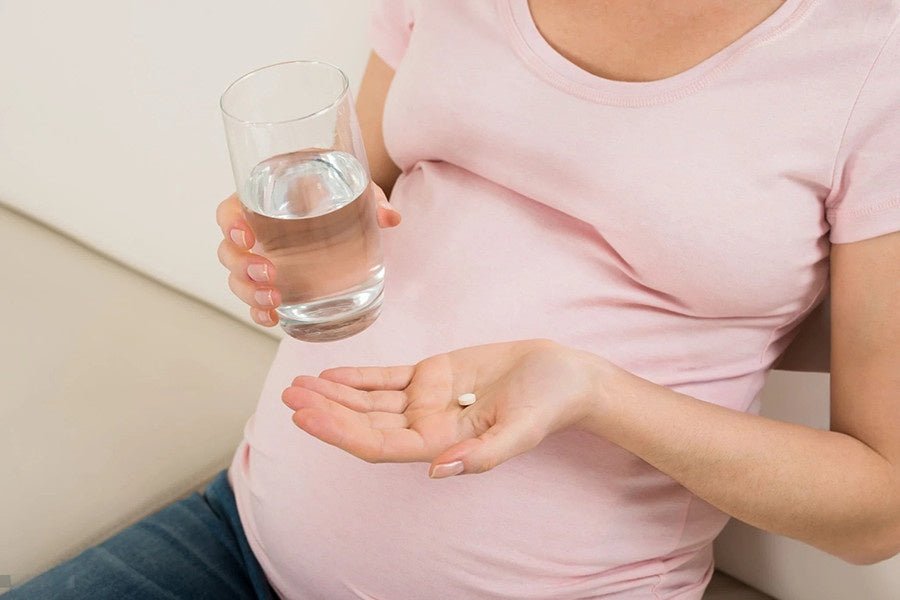

If you’re preparing to get pregnant or already expecting, you’ve probably heard about how important it is to take care of your health. Among all the vitamins and minerals you’ll need, prenatal vitamin iron is one of the most critical. Why? Because it supports so many essential processes during pregnancy. Iron doesn’t just help you stay healthy; it’s also key to your baby’s development. But why exactly do you need it, and how do prenatal pills with iron or prenatals with iron work? Let’s break it all down.

Why Is Iron So Important When You’re Pregnant?
Iron does a lot for your body, but its biggest job during pregnancy is helping make more blood. As your body works overtime to support a growing baby, your blood volume increases by nearly 50%. That’s a lot! You need iron to produce hemoglobin, the protein in red blood cells that carries oxygen to your baby and your organs.
Without enough iron, you could develop anemia, which can make you feel weak, tired, and even light-headed. Plus, it’s not just about you. Iron is vital for your baby, too. It helps with brain development and overall growth. If you don’t get enough iron, it can lead to complications like preterm delivery or low birth weight [1].
Does Prenatal Vitamins Have Iron?
One of the most common questions is, “does prenatal vitamins have iron?” Yes, most prenatal vitamins include iron because it’s essential during pregnancy. But not all vitamins have the same amount of iron, so it’s important to read the label or talk to your doctor about what’s best for you.
Iron in prenatal vitamins is there to help meet your body’s increased demand during pregnancy. For most women, diet alone isn’t enough to get the recommended daily amount of iron. While foods like spinach, beans, and red meat are great sources, they might not be enough. That’s why prenatal vitamins are so helpful.
If you’re wondering whether you need extra iron beyond what’s in your prenatal, it really depends on your situation. Women who are anemic or have had back-to-back pregnancies may need additional supplementation [2].
What Are Prenatal Pills with Iron?
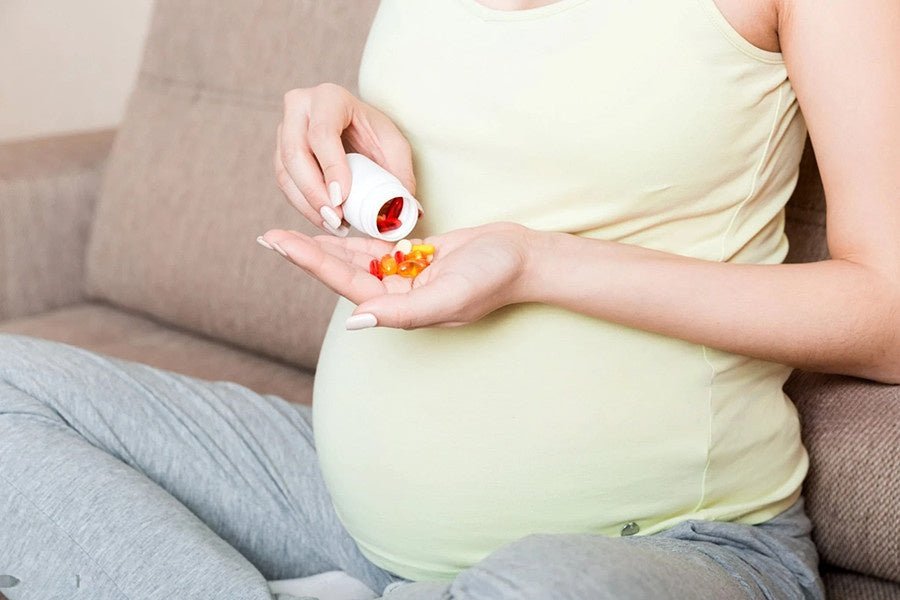
Prenatal pills with iron are basically supplements designed to give your body the extra nutrients it needs during pregnancy. They’re more than just iron, though. Most include other essential vitamins and minerals like folic acid, calcium, vitamin D, and more.
Iron in these pills works to prevent anemia, which is a common problem during pregnancy. Without enough iron, your body can’t make enough healthy red blood cells to keep up with the increased blood volume. And that can leave you feeling drained. Prenatal pills are formulated to give you just the right amount of iron to support your baby’s development while keeping your energy levels up.
It's important to take these pills consistently. Even if you're eating a healthy diet, the iron in food might not be enough, especially if you're experiencing morning sickness and struggling to eat as much as you usually would [3]. In such cases, vitamin B6 for morning sickness can be beneficial, as it has been found to effectively reduce nausea by regulating neurotransmitters like serotonin and dopamine. The typical dosage is 10–25 mg taken three to four times daily, amounting to 30–75 mg per day. It's advisable to consult a healthcare provider before starting any supplementation.
Why You Need Prenatals with Iron
Using prenatals with iron is one of the easiest ways to make sure your body is ready for the demands of pregnancy. When you’re pregnant, your blood volume increases a lot. Iron helps your body handle that. It also ensures your baby gets the oxygen they need to grow.
Iron deficiency can be a big issue during pregnancy, especially if you’ve had heavy periods, closely spaced pregnancies, or follow a diet low in iron-rich foods. Prenatals with iron can help fill the gap. They don’t just support your baby’s health—they also help you feel better and keep your energy up [4].

What Else Do Prenatal Vitamins Contain?
While iron is a star ingredient, prenatal vitamins are packed with other nutrients that support both mom and baby. One of the most important is folic acid, which helps prevent neural tube defects. These are serious issues that affect the baby’s brain and spinal cord.

✨ Start Your Prenatal Care Today
Our Prenatal Vitamins with DHA, Choline & Folate provide the essential nutrients you and your baby need for a healthy start.
Shop Now — $34.95✓ Free shipping on orders over $40 | ✓ Trusted by millions of couples worldwide
Calcium and vitamin D are also key players. They work together to help your baby develop strong bones and teeth. Plus, they help preserve your own bone health during pregnancy [5].
Vitamin C is often included too, and it’s there for a reason. It helps your body absorb the iron in your prenatal vitamins, making it even more effective. Other nutrients like zinc and omega-3 fatty acids, particularly DHA, support the baby’s immune system and brain development.
Some prenatals even include Myo-Inositol and D-Chiro Inositol. These are particularly helpful for women with PCOS because they regulate hormones and improve ovarian support vitamins function [6].
When Should You Start Taking Prenatal Vitamins?
You might think you only need prenatal vitamins after you’re pregnant, but it’s actually best to start taking them a few months before you try to conceive. Why? Because some of the most important developments, like the baby’s brain and spinal cord, happen in the very early weeks of pregnancy—sometimes before you even know you’re expecting.
Starting prenatal vitamins early gives your body time to build up essential nutrients like folic acid and iron. Even if you’re not actively trying to get pregnant, it’s a good idea to take them if there’s any chance you could conceive.
And if you’re already pregnant but haven’t started taking them yet, don’t worry—it’s never too late. Starting now can still provide plenty of benefits for you and your baby [7].
How to Handle Side Effects of Iron Supplements
Some women find that the iron in prenatal vitamins causes side effects like constipation, nausea, or upset stomach. It’s not uncommon, but it can be managed.
If constipation is an issue, drink lots of water and eat foods high in fiber, like fruits, vegetables, and whole grains. If nausea is bothering you, try taking your prenatal vitamin with a meal or right before bed.
If these adjustments don’t help, talk to your doctor. They might recommend a different type of iron supplement that’s easier on your stomach [8].
How Fertility-Friendly Ingredients Help with Conception
When trying to conceive, your body needs more than just iron. Nutrients like calcium and magnesium are critical for reproductive health. Calcium supports egg quality, while magnesium helps regulate hormones.
Folic acid is another must-have. It not only helps with early fetal development but also increases the chances of conception. Myo-Inositol and D-Chiro Inositol are especially helpful for women dealing with fertility challenges like PCOS. These nutrients improve hormone balance and promote regular ovulation [9].
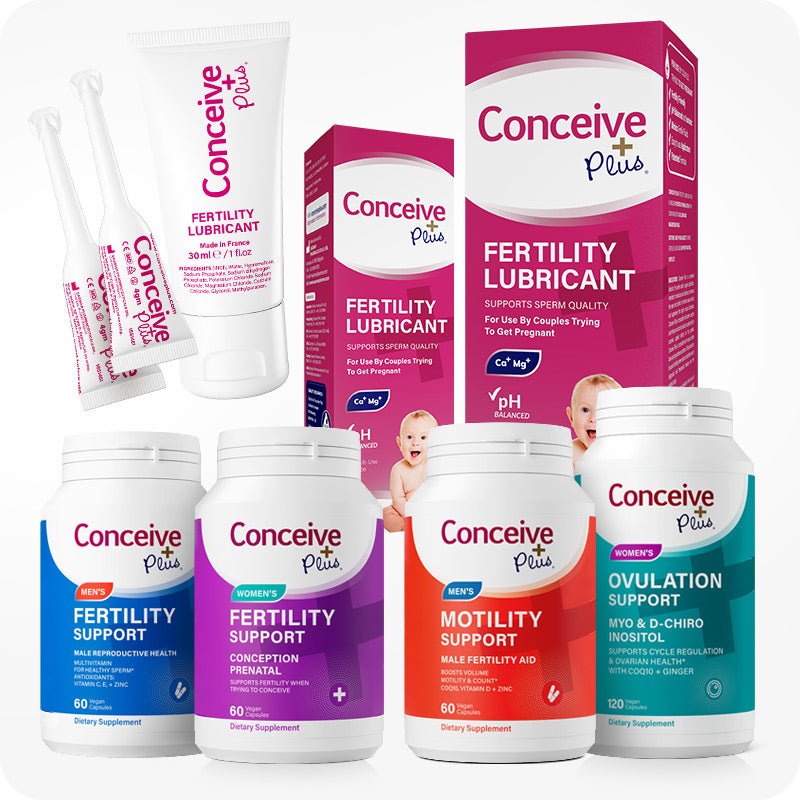
For men, ingredients like CoQ10 and zinc can enhance sperm quality and motility, making it easier to conceive naturally.

The Bottom Line
Getting the right nutrients during pregnancy is essential, and prenatal vitamin iron plays a huge role in making that happen. Whether you’re using prenatal pills with iron or prenatals with iron, these supplements are designed to support your body and help your baby grow.
Iron doesn’t just prevent anemia; it boosts your energy, supports your baby’s development, and helps ensure a healthy pregnancy. Combined with other nutrients like folic acid, calcium, and vitamin D, prenatal vitamins are an essential part of preparing for parenthood.
If you’re thinking about starting a family or already expecting, talk to your doctor about the best prenatal vitamins for you. The earlier you start, the better prepared your body will be to support a healthy pregnancy.
FAQs
Why is iron important during pregnancy?
Iron helps produce the extra blood your body needs during pregnancy and supports your baby’s growth and development.
Does prenatal vitamins have iron?
Yes, most prenatal vitamins include iron to help meet the increased nutritional demands of pregnancy.
When should I start taking prenatal vitamins with iron?
It’s best to start a few months before trying to conceive, but you can begin anytime during pregnancy.
Can prenatal vitamins cause side effects?
Yes, some women experience constipation or nausea due to the iron. These can usually be managed with dietary changes or by switching to a gentler supplement.
Are there other nutrients in prenatal vitamins?
Yes, prenatal vitamins often include folic acid, calcium, vitamin D, and more to support overall health for both mom and baby.
Citations
- Rasmussen, K. M., & Stoltzfus, R. J. (2003). New evidence that iron supplementation during pregnancy improves birth weight: new scientific questions. The American journal of clinical nutrition. Available at: https://pubmed.ncbi.nlm.nih.gov/14522723/
- Milman N. (2011). Iron in pregnancy: How do we secure an appropriate iron status in the mother and child?. Annals of nutrition & metabolism. Available at: https://pubmed.ncbi.nlm.nih.gov/22123639/
- Mishra, V., Thapa, S., Retherford, R. D., & Dai, X. (2005). Effect of iron supplementation during pregnancy on birthweight: evidence from Zimbabwe. Food and nutrition bulletin. Available at: https://pubmed.ncbi.nlm.nih.gov/16465980/
- Storr, T., Maher, J., & Swanepoel, E. (2017). Online nutrition information for pregnant women: a content analysis. Maternal & child nutrition. Available at: https://pmc.ncbi.nlm.nih.gov/articles/PMC6865949/
- Cormick, G., & Belizán, J. M. (2019). Calcium Intake and Health. Nutrients. Available at: https://pmc.ncbi.nlm.nih.gov/articles/PMC6683260/
- Gambioli, R., Forte, G., Buzzaccarini, G., Unfer, V., & Laganà, A. S. (2021). Myo-Inositol as a Key Supporter of Fertility and Physiological Gestation. Pharmaceuticals (Basel, Switzerland). Available at: https://pmc.ncbi.nlm.nih.gov/articles/PMC8227031/
- Scholl, T. O., & Johnson, W. G. (2000). Folic acid: influence on the outcome of pregnancy. The American journal of clinical nutrition. Available at: https://pubmed.ncbi.nlm.nih.gov/10799405/
- Hansen, R., Sejer, E. P. F., Holm, C., & Schroll, J. B. (2023). Iron supplements in pregnant women with normal iron status: A systematic review and meta-analysis. Acta obstetricia et gynecologica Scandinavica. Available at: https://pubmed.ncbi.nlm.nih.gov/37403900/
- Fitz, V., Graca, S., Mahalingaiah, S., Liu, J., Lai, L., Butt, A., Armour, M., Rao, V., Naidoo, D., Maunder, A., Yang, G., Vaddiparthi, V., Witchel, S. F., Pena, A., Spritzer, P. M., Li, R., Tay, C., Mousa, A., Teede, H., & Ee, C. (2024). Inositol for Polycystic Ovary Syndrome: A Systematic Review and Meta-analysis to Inform the 2023 Update of the International Evidence-based PCOS Guidelines. The Journal of clinical endocrinology and metabolism. Available at: https://pubmed.ncbi.nlm.nih.gov/38163998/
🌱 Everything You and Baby Need
Conceive Plus Prenatal Vitamins are formulated with DHA for brain development and Folate for neural tube protection.
Shop Prenatal Vitamins →Frequently Asked Questions
Recommended by Fertility Experts
Conceive Plus Men's Fertility Support
Designed to support healthy sperm production, motility, and overall male reproductive health with clinically studied nutrients.
Shop Now →Q: Do all prenatals have iron?
A: No, not all prenatal vitamins contain iron. While the American College of Obstetricians and Gynecologists (ACOG) recommends 27 mg of iron daily during pregnancy, some prenatal formulas are iron-free to accommodate women who already have adequate iron levels or experience side effects like constipation from iron supplementation. If you're considering an iron-free prenatal, it's essential to discuss your individual iron needs with your healthcare provider, as iron deficiency during pregnancy can affect fetal development and increase the risk of preterm birth. Conceive Plus offers prenatal options with iron to support those who need this critical mineral during their fertility journey and pregnancy.
Q: Do prenatal vitamins have iron?
A: Many prenatal vitamins do contain iron, though the amount and type vary by brand. Standard prenatal vitamins typically contain between 25-30 mg of iron, which aligns with the recommended dietary allowance for pregnant individuals set by the National Institutes of Health. Iron in prenatals is usually in the form of ferrous sulfate, ferrous fumarate, or ferrous gluconate, as these forms are better absorbed by the body than ferric iron. Before selecting a prenatal, check the supplement facts label to confirm the iron content and type, as this will help you determine if it meets your specific nutritional needs.
Q: Do you need iron in prenatal vitamins?
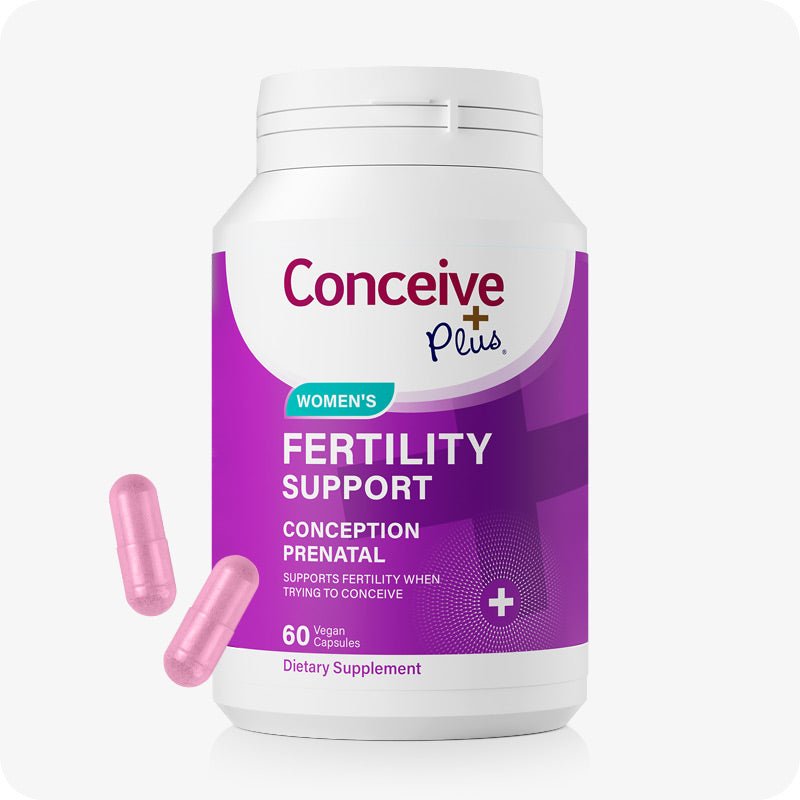
A: Iron is a critical nutrient during pregnancy, and most women benefit from supplementation, as iron requirements nearly double from 18 mg to 27 mg daily during pregnancy. Iron supports the production of hemoglobin, which carries oxygen to your baby and prevents maternal anemia—a condition affecting approximately 20-25% of pregnant women in the United States. However, not every woman needs additional iron, particularly if she already has adequate iron stores or experiences significant side effects; your healthcare provider can order a blood test to determine your individual iron status. If you're planning to conceive, products like Conceive Plus prenatal formulas with iron can help establish healthy iron levels before pregnancy begins.
Q: Do prenatal pills have iron in them?
A: Most prenatal vitamin pills formulated for general pregnancy support do include iron, though some specialty or gummy prenatal options may not contain it due to formulation challenges. The FDA does not regulate supplement potency the same way it regulates medications, so iron content can vary significantly between brands—ranging from iron-free to 45 mg per serving. When choosing a prenatal pill, always read the nutrition facts panel carefully to verify the iron content, and consult with your obstetrician or midwife to ensure the formula you select matches your nutritional needs during preconception and pregnancy.
Q: Do prenatals contain iron?
A: The majority of standard prenatal vitamins on the market do contain iron, as it's recognized as an essential mineral for healthy pregnancy outcomes by both ACOG and the American Society for Reproductive Medicine (ASRM). Prenatal formulas typically provide 25-30 mg of iron, which helps prevent maternal anemia and supports fetal brain development, growth, and oxygen transport throughout pregnancy. However, some specialty prenatals—particularly gummies or formulas designed for specific dietary needs—may be iron-free, making it important to verify the ingredients before purchasing. If you're looking for a comprehensive prenatal with iron to support your fertility and pregnancy goals, ensure the product you choose clearly lists iron among its key nutrients.
Trusted by Couples in Over 70 Countries
Support Male Fertility From the Inside Out
Male fertility is just as important as female fertility in the conception journey. Conceive Plus Men's range delivers targeted nutritional support to promote healthy sperm and overall reproductive wellbeing.
Shop Men's Range →