Is It Possible to Get a Period While Pregnant?

Pregnancy is a time filled with questions and curiosity, especially when it's the first time for a woman. Many changes occur in a female body during pregnancy, and women should be aware of those changes to avoid worries and stress.
One common question that women ask in the early days of pregnancy is, "Can you get a period while pregnant?" The short answer is no — periods cannot occur during pregnancy [1]. However, there are instances where women experience bleeding during pregnancy that they mistakenly consider a period [2].

In this article, we will discuss the female fertility cycle, which will help you understand the different changes that occur in the body during pregnancy and the types of possible bleeding or discharges that can occur during pregnancy.
Female Fertility Cycle
The female fertility cycle or menstrual cycle is a monthly process that prepares a woman's body for pregnancy. It consists of four phases:
-
Menstrual Phase
This phase marks the start of the menstrual cycle and involves the shedding of the uterine lining and menstrual bleeding. It typically lasts 3 to 7 days, depending on the average length of your cycle. Estrogen and progesterone levels are low during this phase and start to rise after menstrual bleeding is over.

-
Follicular Phase
The follicular phase doesn't start after the menstrual phase, but it starts on the first day of your period when menstrual bleeding starts to occur. This means that the follicular phase overlaps the menstrual phase.
The pituitary gland releases follicle-stimulating hormone (FSH), which promotes the growth of follicles in the ovaries [3]. More than one follicle grows during this phase, but only one of these follicles matures into an egg. Estrogen levels also start to rise, thickening the uterine lining to prepare for potential implantation.
-
Ovulation Phase
Ovulation, or the release of an egg from the ovaries, occurs around day 14 of a 28-day cycle. Ovulation is promoted by a sudden increase or surge in luteinizing hormone (LH) [4].
The egg travels down into the reproductive tract and stops in the fallopian tube, where it awaits sperm for fertilization. Ovulation is the duration when a woman is most fertile, and her chances of achieving pregnancy are maximum if sperm cells are available.

-
Luteal Phase
After ovulation, the follicle that ruptures and releases the egg is transformed into the corpus luteum [5]. This corpus luteum secretes the progesterone and prepares the uterus for implantation.
However, if fertilization doesn’t occur, the estrogen and progesterone levels start to drop, and the cycle restarts with menstruation.

Remember that the uterine lining only sheds, and periods start at the end of the cycle only if pregnancy doesn't occur. When pregnancy occurs, the body undergoes many different changes to support the pregnancy, one of which includes stopping the menstrual cycle. This answers the common questions like can you get your period when your pregnant or if pregnant can you have a period.
What Changes Occur During Pregnancy?
Here are some prominent changes that occur in a female body during pregnancy:
- Hormonal Shifts: Levels of estrogen and progesterone rise significantly to support the growing embryo. These hormones help maintain the inner uterine wall to which the baby is attached.
- No Ovulation: When implantation occurs, the body starts to release hCG hormone that stops the menstrual cycle entirely [6]. This means no more egg release occurs until the pregnancy term ends and the baby is delivered.
- Thickened Uterine Lining: The uterine lining doesn't shed, unlike what usually happens in the absence of a fertilized egg. Instead, the wall continues to grow and thicken to meet the requirements of the growing baby.
Why Can’t Periods Occur During Pregnancy?
Once you achieve pregnancy — when the fertilized egg implants into the uterus — your body produces human chorionic gonadotropin (hCG). This hormone signals the ovaries to stop releasing eggs [6].
This hormone also ensures the uterine lining stays intact. Without shedding the lining, a true period is impossible. However, you can experience other types of bleeding during pregnancy, such as pregnancy spottinh. But what is pregnancy spotting?
Pregnancy spotting refers to light bleeding that occurs during pregnancy and is not a menstrual period. It is also called implantation bleeding since it occurs when a fertilized egg implants into the uterus, usually 10 to 14 days after ovulation. Experiencing spotting after positive pregnancy test can be concerning, but it is often normal and linked to these early pregnancy changes. [7].


✨ Think You Might Be Pregnant?
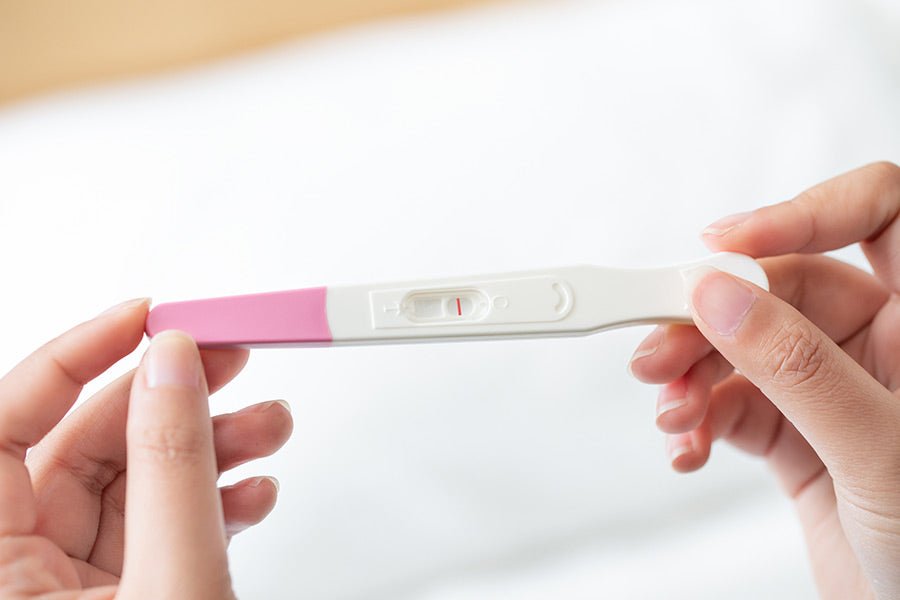
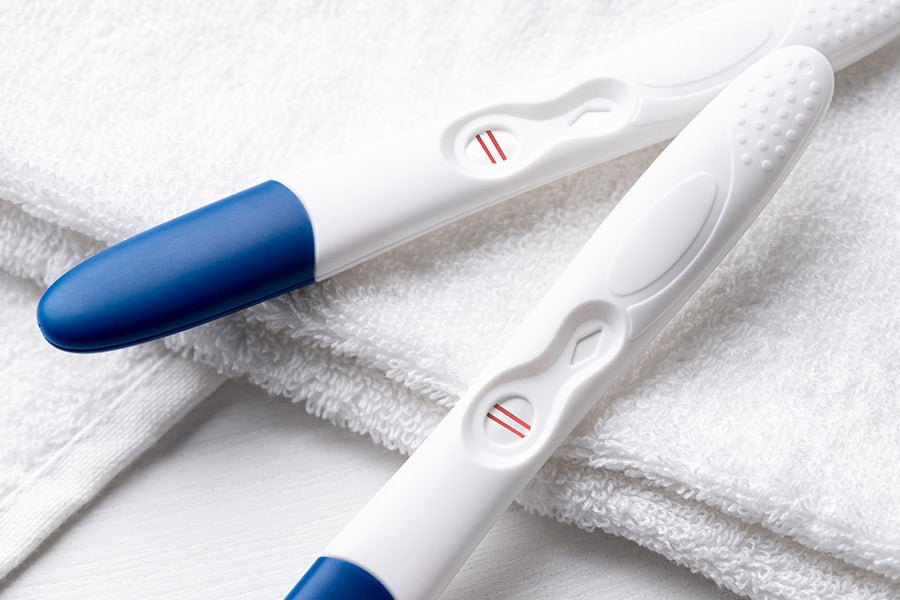
Get fast, accurate results up to 6 days before your missed period with our early detection pregnancy test.
Shop Now — $9.80✓ Free shipping on orders over $40 | ✓ Trusted by millions of couples worldwide
Types of Bleeding During Pregnancy
So, if you can't get periods during the pregnancy, then what are those bleeding spots that many women experience during pregnancy? This question is very common, and it does make sense because it can be tricky to differentiate between period blood and other discharges, especially when a woman isn't aware of other types of bleeding that can occur during pregnancy.
Following are the types of bleeding that can occur during pregnancy and may confuse you for periods:
-
Implantation Bleeding
Implantation bleeding happens about 10 to 14 days after ovulation. The bleeding is a sign that fertilization and implantation have occurred [7]. But how can one differentiate between implantation bleeding and period blood? This idea gives birth to questions like, what does spotting look like when pregnant, how long does spotting last in early pregnancy, or when do you start spotting in pregnancy?
Period spotting or implantation bleeding is typically much lighter in color compared to period blood. The color of period spotting is light pink or brown, unlike dark red during periods [8]. This bleeding lasts between 1 and 3 days, and not all women experience this spotting.

-
Hormonal Bleeding
Some women experience hormonal fluctuations during pregnancy, which results in light bleeding. While it is not a true period, the color of the blood can make it look like one. This is why this type of bleeding often confuses women into thinking they’re not pregnant.
-
Subchorionic Hematoma
It is a collection of blood between the uterine wall and the placenta [9]. It is a common cause of bleeding during early pregnancy, and women can mistakenly consider it as a period. Many women with subchorionic hematomas go on to have healthy pregnancies but this condition does increase the risk of pregnancy complications.
-
Cervicitis
It is the infection of the cervix, which is the opening of the vagina into the uterus [10]. It is majorly caused by sexually transmitted infections (STIs) and can lead to pain and bleeding from the vagina. This is why women can consider this bleeding as a period and mistakenly consider that they are not pregnant.
Addressing Common Questions
There is a lot of misinformation about the changes in a woman's body during pregnancy. This lack of true information ignites many questions in the minds of women who try to understand their pregnancy.
Here are some of those questions and their answers:
-
Do you still have periods when your pregnant?
If you are curious can you still have a period if pregnant or can you get your period when you pregnant, the answer is no. You can not get periods when you are pregnant since the body inhibits the shedding of the inner uterine wall, which normally occurs during periods. However, light bleeding and spotting can occur for other causes.
-
Can you have a period early pregnancy?
You can not get a period at any stage of pregnancy, either it is early stage or near the delivery. The menstrual cycle stops after the implantation of the fertilized egg into the uterus. Stopping of the menstrual cycle explains the answer to the question, can you still have a period while you are pregnant?
-
Can you have a small period and still be pregnant?
There is nothing like a small period during pregnancy. This question exists because women sometimes experience light bleeding during pregnancy, which is actually due to other reasons, such as the implantation of the fertilized egg into the uterus.
-
Do you spot when pregnant?
Spotting during pregnancy occurs in cases like implantation bleeding and hormonal changes. However, you can distinguish these blood spottings from period blood in terms of how pregnancy spotting look like.
-
Do you get a period while pregnant?
Questions like, if pregnant can you still have period, can u get your period when pregnant, or can you still get period if pregnant, exist because of light blood spottings women experience during pregnancy.
The answer is no, you do not get a period while pregnant. During pregnancy, the uterine wall doesn’t shed and it stays thickened to support the growing baby. This is why a pregnant period or period but pregnant is not possible.
When to Worry About Bleeding During Pregnancy?
While light spotting is usually harmless, heavy bleeding can lead to pregnancy complications. You must seek medical attention if you experience the following symptoms:
- Heavy bleeding with clots.
- Severe abdominal pain or cramping.
- Dizziness or fainting.
Possible causes of heavy bleeding include:
- Miscarriage: Heavy bleeding and cramping in early pregnancy can be due to miscarriage. In such cases, medical attention is essential to safeguard the mother from any adverse impact of pregnancy failure.
- Ectopic Pregnancy: It is a condition where a fertilized egg implants outside the uterus [11]. This can cause pain and heavy bleeding since the growing baby outside the uterus can damage other body tissues.
- Placental Issues: Conditions like placenta previa or placental abruption can also be the cause of bleeding during the late stage of pregnancy.
Visiting a healthcare professional can help you find out the exact cause of bleeding during pregnancy. In most cases, timely check-ups can prevent complications like miscarriages and help continue a healthy pregnancy.

Conclusion
Pregnancy is the time when a woman becomes very careful about even small changes in her body. In some cases, females do experience light vaginal bleeding during pregnancy which makes them ask questions like, can you get a period while pregnant?
This simple answer is no. It is not possible to get a period during pregnancy since the uterine wall doesn't shed after the implantation occurs. Instead, it continues to thicken to support the baby's growth.
It is possible that you experience pregnant spottings that many women mistake for period blood. Pregnancy spottings are differentiable to the period blood, and it is not something to worry about. But if you experience heaving bleeding, you must immediately seek medical attention to figure out the exact cause and get proper treatment.
FAQs
-
Can you have a light period and still be pregnant?
When females experience light blood spottings during pregnancy, they start to worry if I am bleeding can I still be pregnant or can you spot when pregnant. In most cases, light bleeding during pregnancy is just implantation bleeding which is a normal process.
-
When your pregnant do you have a period?
When you are pregnant, your body releases a hormone called hCG. This hormone is an indication that you have achieved pregnancy and you will not experience any menstrual period until the delivery of the baby.
Resources Used
- Cole, L. A. (2010). Biological functions of hCG and hCG-related molecules. Reproductive Biology and Endocrinology, 8(1), 102. https://doi.org/10.1186/1477-7827-8-102
- Bleeding during pregnancy Causes. (n.d.). Mayo Clinic. https://www.mayoclinic.org/symptoms/bleeding-during-pregnancy/basics/causes/sym-20050636
- Orlowski, M., & Sarao, M. S. (2023, May 1). Physiology, Follicle Stimulating Hormone. StatPearls - NCBI Bookshelf. https://www.ncbi.nlm.nih.gov/books/NBK535442/
- Holesh, J. E., Bass, A. N., & Lord, M. (2023). Physiology, ovulation. In StatPearls. StatPearls Publishing. https://www.ncbi.nlm.nih.gov/books/NBK441996/
- Duncan, W. C. (2021). The inadequate corpus luteum. Reproduction & Fertility, 2(1), C1. https://doi.org/10.1530/RAF-20-0044
- Cole, L. A. (2012). hCG, the wonder of today’s science. Reproductive Biology and Endocrinology, 10(1), 24. https://doi.org/10.1186/1477-7827-10-24
- Professional, C. C. M. (2024m, August 9). Implantation Bleeding. Cleveland Clinic. https://my.clevelandclinic.org/health/symptoms/24536-implantation-bleeding
- What is Implantation Bleeding? American Pregnancy Association. https://americanpregnancy.org/pregnancy-symptoms/what-is-implantation-bleeding/
- Xu, T., Lun, W., & He, Y. (2024). Subchorionic hematoma: Research status and pathogenesis (Review). Medicine International, 4(2). https://doi.org/10.3892/mi.2024.134
- Iqbal, U., & Wills, C. (2023, September 4). Cervicitis. StatPearls - NCBI Bookshelf. https://www.ncbi.nlm.nih.gov/books/NBK562193/
- Mullany, K., Minneci, M., Monjazeb, R., & Coiado, O. C. (2023). Overview of ectopic pregnancy diagnosis, management, and innovation. Women S Health, 19. https://doi.org/10.1177/17455057231160349
🌱 Get Answers Early
Millions of women trust Conceive Plus for their fertility journey. Clinically validated pregnancy tests delivered to your door.
Shop Pregnancy Tests →Frequently Asked Questions
Recommended by Fertility Experts
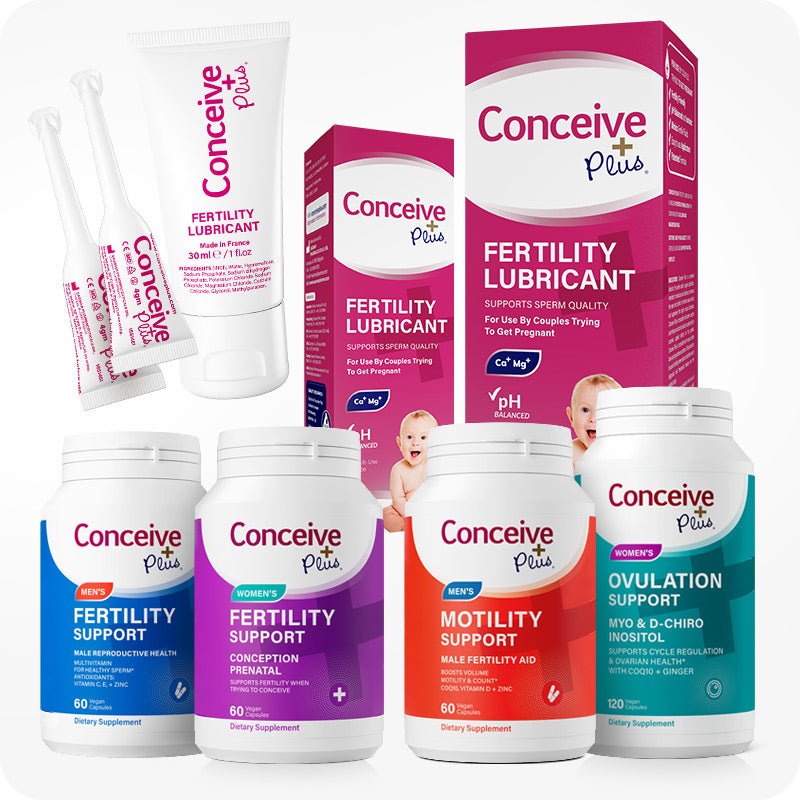
Conceive Plus Men's Fertility Support
Designed to support healthy sperm production, motility, and overall male reproductive health with clinically studied nutrients.
Shop Now →Q: Can you have a period while pregnant?
A: No, you cannot have a true menstrual period while pregnant. Once a pregnancy is established, hormonal changes prevent the uterine lining from shedding, which is what causes a period. However, according to the American College of Obstetricians and Gynecologists (ACOG), approximately 20-25% of pregnant women experience some form of vaginal bleeding during their first trimester, which is sometimes confused with a period. This bleeding can result from implantation, subchorionic hemorrhage, cervical changes, or other causes that require evaluation by a healthcare provider.
Q: What does implantation bleeding look like versus a period?
A: Implantation bleeding, which occurs when a fertilized egg attaches to the uterine lining about 6-12 days after conception, is typically much lighter than a regular period. Implantation bleeding usually appears as light spotting lasting only a few hours to 2-3 days, while a typical period lasts 3-7 days with heavier flow. The color is often described as pink or light brown rather than the bright red of a typical period, and cramping, if present, is usually minimal. If you experience heavy bleeding similar to your normal menstrual flow, contact your healthcare provider to rule out other conditions.
Q: When should I be concerned about bleeding during pregnancy?
A: You should contact your healthcare provider immediately if you experience heavy vaginal bleeding, severe abdominal pain, dizziness, or shoulder pain during pregnancy, as these may indicate serious conditions like ectopic pregnancy or miscarriage. According to the American Pregnancy Association, while light spotting can be normal, any bleeding warrants an evaluation to confirm the pregnancy is progressing properly. The US FDA recommends that pregnant women maintain regular contact with their healthcare providers to monitor any concerning symptoms. Seeking prompt medical attention helps ensure both maternal health and fetal well-being.
Q: How can I confirm I'm pregnant if I'm still bleeding?
A: The most reliable way to confirm pregnancy is through a blood test measuring human chorionic gonadotropin (hCG) levels, which can detect pregnancy as early as 6-8 days after ovulation—before a missed period. Home urine pregnancy tests are also effective after a missed period and have a 99% accuracy rate when used correctly, according to research supported by the American Society of Reproductive Medicine (ASRM). An ultrasound performed by a healthcare provider can definitively confirm pregnancy and help identify the cause of any bleeding. If you suspect you're pregnant despite bleeding, don't wait—schedule an appointment with your obstetrician or gynecologist for proper evaluation and peace of mind.
Q: Can supplements like prenatal vitamins or fertility products affect pregnancy bleeding?
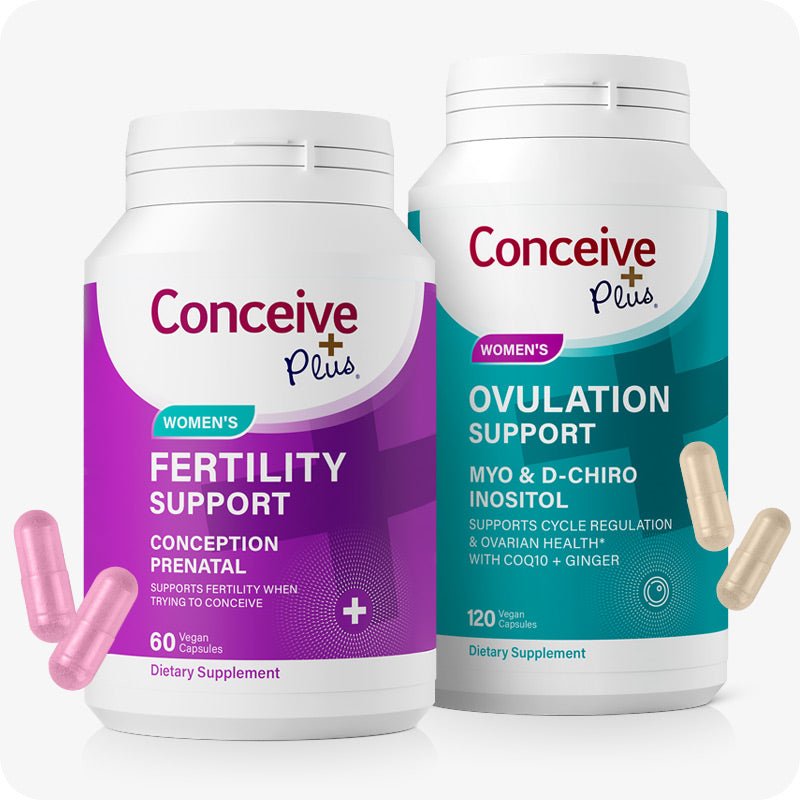
A: Prenatal vitamins and FDA-regulated fertility supplements like Conceive Plus do not cause pregnancy bleeding, though some women may notice their cycle changes as pregnancy hormones fluctuate. In fact, prenatal vitamins containing iron and folic acid support healthy pregnancy development and may help prevent certain complications. If you're taking any supplements and experience unusual bleeding during pregnancy, inform your healthcare provider so they can assess whether the bleeding is related to pregnancy itself rather than supplementation. Maintaining adequate nutrition through vitamins and a balanced diet supports optimal pregnancy health from conception onward.
Trusted by Couples in Over 70 Countries
Support Male Fertility From the Inside Out
Male fertility is just as important as female fertility in the conception journey. Conceive Plus Men's range delivers targeted nutritional support to promote healthy sperm and overall reproductive wellbeing.
Shop Men's Range →