Signs You Are Not Pregnant: When Pregnancy Isn’t Likely?

When you’re trying to conceive, or when you fear an unexpected pregnancy, understanding your body’s signals can bring clarity. While many articles focus on early pregnancy symptoms, it’s equally important to recognize signs that you are not pregnant. Identifying these indicators can help ease anxiety or manage expectations.
This guide breaks down key physical and emotional signs that suggest you’re not pregnant, backed by the latest medical knowledge.

Understanding the Menstrual Cycle and Pregnancy
To become pregnant, fertilization of an egg by sperm must occur during ovulation, typically around the middle of your cycle. If fertilization doesn’t happen, the body sheds the uterine lining, resulting in menstruation. Understanding your cycle can help you discern whether certain symptoms align with pregnancy or not [1].
Common Signs You Are Not Pregnant
Here are several signs that suggest pregnancy is unlikely:
-
A Regular Period
If you experience your usual period on time, this is one of the clearest signs youre not pregnant. A period means the uterine lining has shed, indicating no fertilized egg implanted. However, be mindful that light spotting or implantation bleeding can sometimes be mistaken for a period. - Negative Pregnancy Test
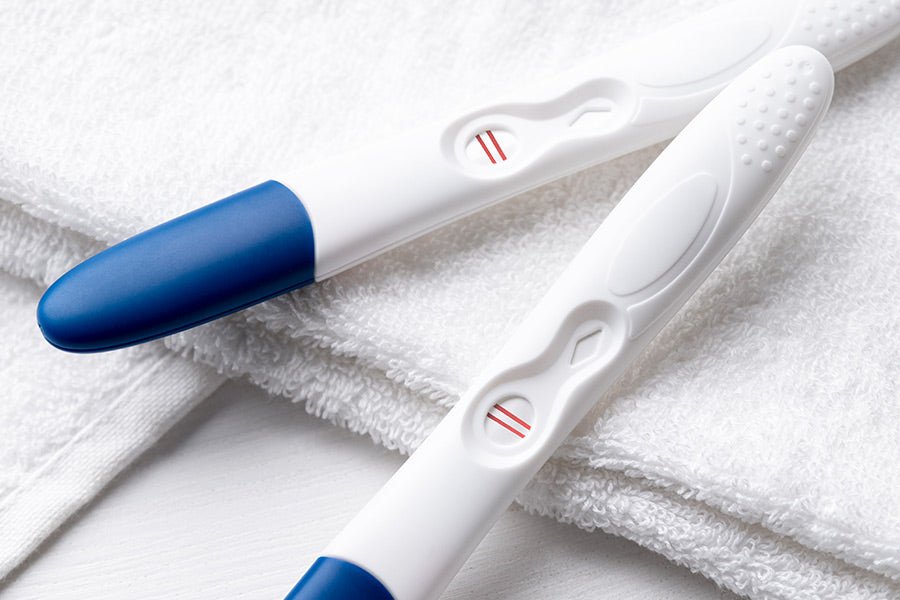
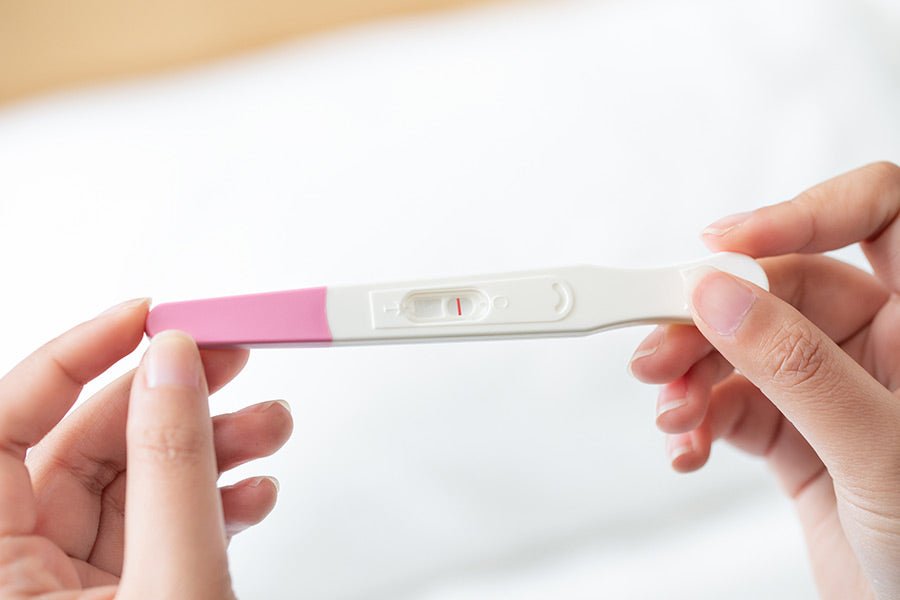
A home pregnancy test detects the hormone hCG (human chorionic gonadotropin), which is produced during pregnancy. A negative test, particularly when taken after a missed period, strongly suggests you are not pregnant. For the most accurate results, test with the first morning urine or consult a healthcare provider for a blood test. - No Breast Tenderness
Early pregnancy often causes breast tenderness due to hormonal changes. If your breasts feel normal or do not exhibit swelling, soreness, or sensitivity, it may be a sign that you are not pregnant [2]. - Absence of Nausea or Morning Sickness
Nausea, especially in the morning, is a hallmark early pregnancy symptom caused by rising hCG levels. If you feel no unusual nausea or vomiting, it may indicate you’re not pregnant. However, not all pregnant women experience this symptom, so it’s not definitive by itself [3]. - No Unexplained Fatigue
Hormonal surges in early pregnancy can cause extreme tiredness. If you’re experiencing your usual energy levels, this can be one of the signs that you are not pregnant. Routine fatigue from stress, work, or lack of sleep should not be confused with pregnancy-related exhaustion [4].

✨ Think You Might Be Pregnant?
Get fast, accurate results up to 6 days before your missed period with our early detection pregnancy test.
Shop Now — $9.80✓ Free shipping on orders over $40 | ✓ Trusted by millions of couples worldwide

Bodily Changes Unrelated to Pregnancy
Sometimes, symptoms that seem like pregnancy can be explained by other factors. Recognizing these differences can help you confirm that you’re not expecting.
- Premenstrual Symptoms (PMS): Bloating, mild cramping, mood swings, and breast tenderness are common PMS symptoms and often mimic early pregnancy signs. If these resolve after your period starts, it indicates you’re not pregnant.
- Hormonal Imbalances: Conditions such as thyroid disorders or polycystic ovary syndrome (PCOS) can cause irregular cycles and pregnancy-like symptoms. If you're unsure, consulting a healthcare professional can provide clarity.
- Stress and Anxiety: Emotional distress can delay periods or cause physical symptoms similar to pregnancy. Managing stress through relaxation techniques or counseling can help regulate your cycle.
When to See a Doctor
If you’re experiencing unusual symptoms or a delayed period but continue to receive negative pregnancy tests, consult a healthcare provider. Conditions such as ectopic pregnancy, hormonal imbalances, or ovarian cysts can affect your cycle and mimic pregnancy signs.
Additionally, if you have concerns about fertility or contraception, a doctor can provide guidance tailored to your situation.

Emotional Impact of Uncertainty
Waiting to know whether you’re pregnant can be emotionally challenging. For those trying to conceive, signs that you are not pregnant may bring disappointment. For others, these signs can bring relief. It’s normal to experience a range of emotions, and speaking with a counselor or support group can be helpful in managing your feelings.
Final Thoughts: Trust Your Body’s Signals
Understanding your body and recognizing key indicators can help you determine whether pregnancy is likely. If you notice consistent signs you are not pregnant—such as a regular period, negative tests, and the absence of typical pregnancy symptoms—you can feel more confident in the outcome. However, if uncertainty persists, seeking medical advice ensures you get the answers and support you need.
Recognizing the signs that you are not pregnant helps you stay informed, reduce anxiety, and take control of your reproductive health.
References:
- NHS. Periods and fertility in the menstrual cycle. [Accessed: 21/Dec/2024]. Available online: https://www.nhs.uk/conditions/periods/fertility-in-the-menstrual-cycle/
- Journal Article. Reena Vashi, Regina Hooley, Reni Butler, Jaime Geisel, Liane Philpotts. Breast Imaging of the Pregnant and Lactating Patient: Physiologic Changes and Common Benign Entities. [2013]. American Journal of Roentgenology. [Page:329-336]. 200. 2. 10.2214/AJR.12.9845. 23345354. https://www.ajronline.org/doi/abs/10.2214/AJR.12.9845
- Gadsby R, Barnie-Adshead AM, Jagger C. A prospective study of nausea and vomiting during pregnancy. Br J Gen Pract. 1993 Jun;43(371):245-8. Erratum in: Br J Gen Pract 1993 Aug;43(373):325. PMID: 8373648; PMCID: PMC1372422.
- Effati-Daryani F, Mohammad-Alizadeh-Charandabi S, Mohammadi A, Zarei S, Mirghafourvand M. Fatigue and sleep quality in different trimesters of pregnancy. Sleep Sci. 2021 Jan-Mar;14(Spec 1):69-74. doi:10.5935/1984-0063.20200091. PMID: 34917276; PMCID: PMC8663733.
🌱 Get Answers Early
Millions of women trust Conceive Plus for their fertility journey. Clinically validated pregnancy tests delivered to your door.
Shop Pregnancy Tests →Frequently Asked Questions
Recommended by Fertility Experts
Conceive Plus Men's Fertility Support
Designed to support healthy sperm production, motility, and overall male reproductive health with clinically studied nutrients.
Shop Now →Q: What are the most reliable signs you are not pregnant before a missed period?
A: Before a missed period, the most reliable indicator that you're not pregnant is the onset of your regular menstrual cycle, typically preceded by premenstrual symptoms like breast tenderness, bloating, or mood changes. According to the American College of Obstetricians and Gynecologists (ACOG), these cyclical symptoms occur due to hormonal fluctuations that differ significantly from early pregnancy hormones. If you experience your normal period flow and cramping pattern, pregnancy is extremely unlikely, though some light spotting can occasionally occur in early pregnancy. Tracking your cycle with an ovulation predictor can help you understand your baseline and recognize when you're not pregnant. Additionally, maintaining optimal reproductive health through proper nutrition and supplements like Conceive Plus can support cycle regularity and help you better understand your body's patterns.
Q: Can you have a negative pregnancy test and still be pregnant?
A: While extremely rare, false negatives can occur if you test too early—before human chorionic gonadotropin (hCG) levels are detectable, typically before 12-14 days after ovulation. The FDA-cleared home pregnancy tests available in the US are approximately 97-99% accurate when used correctly and taken after a missed period. Testing with first morning urine, when hCG concentration is highest, significantly reduces the chance of a false negative result. If you receive a negative result but still suspect pregnancy, the American Society for Reproductive Medicine (ASRM) recommends retesting after 3-5 days or requesting a quantitative blood hCG test from your healthcare provider for definitive results. Understanding your cycle length and ovulation timing, which can be supported by fertility supplements like Conceive Plus, helps you test at the optimal time for accurate results.
Q: How do you know if your period is coming instead of being pregnant?
A: The key distinction between premenstrual symptoms and early pregnancy signs lies in the pattern and timing of symptoms; premenstrual symptoms typically peak 1-2 days before menstruation and resolve once bleeding begins. Common signs your period is coming include menstrual cramps, lower back pain, food cravings, mood swings, and breast tenderness—all driven by declining progesterone levels after ovulation fails to sustain a pregnancy. In contrast, early pregnancy symptoms like nausea, food aversions, and breast changes tend to persist and worsen over time. According to ACOG data, approximately 70% of women experience recognizable premenstrual symptoms each cycle, making them reliable indicators that pregnancy hasn't occurred. Keeping a detailed symptom journal and understanding your personal cycle patterns—supported by proper nutrition and reproductive wellness supplements—can help you accurately distinguish between these two hormonal states.
Q: What does it mean if you get your period on time every month?
A: A regular, predictable menstrual cycle occurring every 21-35 days, as defined by the Mayo Clinic and ACOG, is a strong indicator that you are not pregnant and that your reproductive system is functioning normally. Regular periods suggest consistent ovulation and appropriate hormonal balance, which are essential markers of reproductive health; over 90% of women with regular cycles have no underlying fertility issues according to fertility research. If you're trying to conceive, regular cycles provide a reliable window for timing intercourse during your fertile window, typically 5 days before and the day of ovulation. Conversely, if you're not trying to conceive, regular periods offer reassurance that an unexpected pregnancy is unlikely (though not impossible without contraception). Optimizing your overall fertility health through proper supplementation with products like Conceive Plus, along with maintaining a healthy BMI and managing stress, supports continued cycle regularity and reproductive wellness.
Q: How many days late can your period be before you should worry about being pregnant?
A: According to ACOG, a missed period is typically defined as being 1 day or more late from your expected cycle date, making this the most significant indicator to test for pregnancy. However, cycle irregularity is common, with the American Society for Reproductive Medicine noting that up to 30% of women experience variations in cycle length due to stress, illness, diet changes, or hormonal fluctuations. If your period is 5-7 days late and you've had unprotected intercourse, taking a home pregnancy test is recommended, as hCG levels will be sufficiently elevated for accurate detection by this point. If you test negative and your period still hasn't arrived after 10+ days, consult your healthcare provider to rule out other medical conditions affecting your cycle. Maintaining stable hormone levels through consistent sleep, stress management, and reproductive health supplements can help minimize unexpected cycle delays and reduce pregnancy-related anxiety.
Trusted by Couples in Over 70 Countries
Support Male Fertility From the Inside Out
Male fertility is just as important as female fertility in the conception journey. Conceive Plus Men's range delivers targeted nutritional support to promote healthy sperm and overall reproductive wellbeing.
Shop Men's Range →