How an Ovulation Quiz Can Help You Track Fertility Naturally?
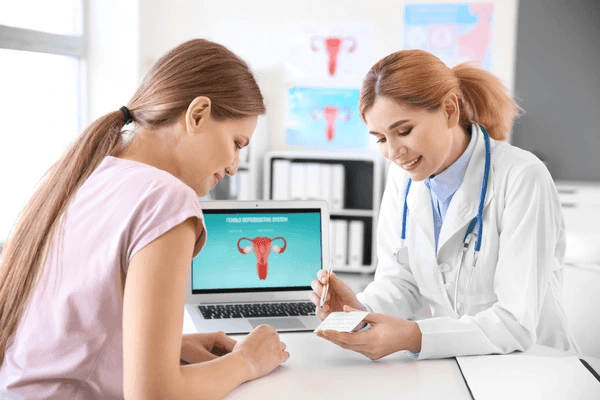

An ovulation quiz is an online tool designed to help you learn more about your menstrual cycle. The quiz comprises simple questions about your cycle, such as the length of your period, the regularity of your cycles, and any symptoms you notice.
The online tool then uses your answers to predict your fertile window. In simple words, it gives you a rough idea of when you're most likely to ovulate. The ovulation quiz helps you better understand your fertility cycle, which increases your chances if you are planning to conceive.

Importance of Ovulation Detection
Ovulation is the time when a female body releases an egg, and she is most fertile during this time [1]. For couples trying to conceive, knowing the exact time of egg release can increase the chances of fertilization.
The sperm can survive a few days in the body, and the egg can be fertilized for only 12 to 24 hours after it is released [2]. Therefore, knowing your fertile window can help you plan intercourse at the best moment.
Knowing about ovulation and the fertility window is also important for women who want to avoid unexpected pregnancies. By avoiding unprotected intercourses during the fertile window, a couple can significantly lower the risk of unwanted pregnancies.
How Does the Ovulation Quiz Help?
The ovulation quiz makes it simple for you to understand your fertility cycle without needing special equipment or medical tests. All you have to do is answer a few questions based on your understanding.
The quiz then compares your answers with common patterns in the menstrual cycle. This comparison can tell you if your cycle is regular and when your most fertile days are. Having information about your fertile days helps you plan your conception or stop unwanted pregnancies.
For more information on the duration of ovulation and how long the fertile window lasts, take a look at this article on how long does ovulation last, which covers the timeline and symptoms associated with ovulation.


✨ Trying to Conceive?
Our Ovulation & Fertility Bundle combines Myo-Inositol with essential vitamins to support healthy hormone balance and regular ovulation.
Shop Now — $55.00✓ Free shipping on orders over $40 | ✓ Trusted by millions of couples worldwide
Common Signs of Ovulation
In addition to taking an ovulation quiz, you can also detect your ovulation by closely observing certain changes in your body. Some common signs that your body shows during ovulation are:
- Changes in Cervical Mucus: Near the days of ovulation, the cervical mucus becomes clear and stretchy. It looks similar to raw egg whites during this time. These changes in cervical mucus allow sperm cells to easily enter the uterus and swim toward the egg for fertilization.
- Basal Body Temperature Rise: Studies show that basal body temperature, or resting body temperature, increases slightly after ovulation [3]. You can detect the change in your basal body temperature by testing your temperature every morning near the expected ovulation days.
- Mild Pelvic Pain: Some women feel a slight pain or cramp on one side of the lower abdomen, called mittelschmerz, in the middle of the cycle [4]. It happens when the ovary releases an egg during ovulation. The pain can last from a few minutes to a few hours and usually subsides on its own.
- Increased Libido: It is common to experience a boost in sexual desire when you are most fertile. Experts believe that it is a natural response of your body designed to increase the chances of conception.
For a deeper understanding of how you can track ovulation with more precision, check out this article on how do you track ovulation, which explores various methods to pinpoint the best time to conceive.
The Bottom Line
Different fertility related websites on the internet offer ovulation quizzes to help you understand your fertility cycle. These quizzes consist of questions related to changes in the body during ovulation.
Such a quiz helps you understand whether your cycle is regular and when you are most likely to ovulate. Accurately detecting ovulation can increase your chances of conception if you are trying to conceive. Even if you aren't trying to conceive, an ovulation quiz makes it easy to understand your fertility health and detect abnormalities early on.

FREE OVULATION CALCULATOR: Calculate Your Ovulation Days Here
FAQs
-
Who should take an ovulation quiz?
Anyone who wants to track their fertility, plan for pregnancy, or better understand their menstrual cycle can benefit from taking an ovulation quiz.
-
What are ovulation calculators?
Ovulation calculators, like ovulation calculator NHS or ovulation calculator by Conceive Plus, helps you precisely determine your ovulation day based on the information like the pattern of your menstrual cycle.
Resources Used
- Holesh, J. E., Bass, A. N., & Lord, M. (2023, May 1). Physiology, ovulation. In StatPearls [Internet]. StatPearls Publishing. https://www.ncbi.nlm.nih.gov/books/NBK441996/
- Pregnancy - identifying fertile days: MedlinePlus Medical Encyclopedia. (n.d.-b). https://medlineplus.gov/ency/article/007015.htm
- Steward, K., & Raja, A. (2023, July 17). Physiology, ovulation and basal body temperature. In StatPearls [Internet]. StatPearls Publishing. https://www.ncbi.nlm.nih.gov/books/NBK546686/
- Brott, N. R., & Le, J. K. (2023). Mittelschmerz. In StatPearls [Internet]. StatPearls Publishing. https://www.ncbi.nlm.nih.gov/books/NBK549822/
🌱 Support Your Fertility Journey
Conceive Plus fertility supplements are clinically formulated to help regulate your cycle and support egg quality.
Shop Fertility Support →Frequently Asked Questions
Recommended by Fertility Experts
Conceive Plus Men's Fertility Support
Designed to support healthy sperm production, motility, and overall male reproductive health with clinically studied nutrients.
Shop Now →Q: How fertile am I quiz—does it really work?
A: An ovulation quiz can provide helpful insights into your fertility by analyzing your menstrual cycle patterns, but it's not a diagnostic tool. These quizzes work by evaluating factors like cycle length, period duration, and ovulation symptoms to estimate your fertile window, which typically occurs 12-16 days before your next period. According to the American Society for Reproductive Medicine (ASRM), understanding your cycle increases conception chances, though quizzes offer estimates rather than medical diagnoses. For the most accurate tracking, combine quiz results with other methods like basal body temperature tracking or ovulation predictor kits. Pairing natural fertility awareness with proper nutrition and supplementation—like Conceive Plus fertility vitamins—creates a comprehensive approach to optimizing your reproductive health.
Q: How to track ovulation naturally without expensive tests?
A: Tracking ovulation naturally involves monitoring physical signs and cycle patterns without relying solely on expensive medical tests. You can observe cervical mucus changes (which become clear and stretchy near ovulation), track basal body temperature (which rises slightly after ovulation), and note symptoms like mild cramping or breast tenderness. Free tools like ovulation quizzes and calendars help predict your fertile window based on cycle length, while the rhythm method has a 76-88% effectiveness rate when used correctly, according to the CDC. Keeping a detailed cycle journal for 2-3 months helps identify your personal ovulation patterns. Combining these natural tracking methods with prenatal vitamins and fertility supplements like Conceive Plus can support overall reproductive wellness during your fertile window.
Q: What questions does an ovulation quiz ask about my cycle?
A: A typical ovulation quiz asks straightforward questions designed to map your menstrual cycle accurately, including your average cycle length (typically 21-35 days), how long your period lasts, and the date of your last menstrual period. Most quizzes also inquire about cycle regularity, whether you experience PMS symptoms, and any physical signs you notice like cramping, mood changes, or cervical mucus variations. Some advanced quizzes may ask about your age, sexual activity frequency, or any known fertility concerns to provide personalized insights. These questions help the quiz algorithm calculate when ovulation likely occurs so you can identify your most fertile days. Understanding these factors is crucial for conception planning, and maintaining overall reproductive health through proper supplementation with products like Conceive Plus supports your body's natural fertility processes.
Q: When is my fertile window if my cycle is irregular?
A: If you have an irregular cycle—defined as varying cycle lengths by more than 7-9 days—determining your fertile window is more challenging but still possible using ovulation quizzes and tracking methods. The fertile window typically occurs 12-16 days before the start of your next period, so tracking multiple cycles (ideally 6-12 months) helps identify patterns even if they're irregular. Research shows that approximately 14% of women of reproductive age experience irregular cycles, which may indicate conditions like polycystic ovary syndrome (PCOS) that benefit from medical evaluation. For irregular cycles, combining ovulation prediction tools with physical symptom tracking—such as cervical mucus observations and basal body temperature—provides more reliable data than calendar methods alone. Supporting irregular cycle regulation through balanced nutrition, stress management, and targeted fertility supplementation like Conceive Plus may help optimize your reproductive health while tracking occurs.
Q: How accurate are online ovulation calculators compared to medical tests?
A: Online ovulation calculators are reasonably accurate for estimating your fertile window when you have regular cycles, with accuracy rates between 70-90% depending on cycle consistency and the quality of data you input. However, medical tests like ovulation predictor kits (which detect luteinizing hormone surges) and blood progesterone tests offer greater precision, especially for women with irregular cycles or fertility concerns. The FDA-cleared ovulation predictor kits have accuracy rates exceeding 99% when used correctly, making them the gold standard for identifying your exact ovulation day. Ovulation calculators work best as screening tools to narrow down your fertile window, which you can then confirm with additional tracking methods or medical-grade tests if needed. Combining calculator results with consistent cycle monitoring and supporting your fertility with science-backed supplements like Conceive Plus creates a comprehensive natural approach to understanding your reproductive health and optimizing conception chances.
Trusted by Couples in Over 70 Countries
Support Male Fertility From the Inside Out
Male fertility is just as important as female fertility in the conception journey. Conceive Plus Men's range delivers targeted nutritional support to promote healthy sperm and overall reproductive wellbeing.
Shop Men's Range →