Ovulation Birth Control Methods: Maximizing Effectiveness

Birth control technology has advanced, offering multiple ways to prevent unintended pregnancies. Understanding how contraceptives target the release of a mature egg helps in making informed decisions. While products exist, most aim to disrupt egg maturation or fertilization, including those that focus on ovulation birth control. This overview explores the female reproductive cycle, available methods, ongoing research, and key considerations.

Evolving Landscape
Technology has advanced significantly, offering multiple ways to prevent unintended pregnancies. Understanding how contraceptives target the release of a mature egg helps in making informed decisions. While products exist, most aim to disrupt egg maturation or fertilization. This overview explores the female reproductive cycle, available methods, ongoing research, and key considerations [1].
The reproductive cycle typically spans 28 days, though variations occur due to genetics, stress, and health. Hormones like follicle-stimulating hormone and luteinizing hormone coordinate egg development. By suppressing these signals, contraceptives can halt egg maturation. Such interventions have become increasingly efficient, with modern medicine refining both hormone formulas and devices.
Hormonal contraceptives use hormones via pills, patches, or injections. They work by altering signals between the pituitary gland and ovaries, preventing egg maturity. Studies show effectiveness when used correctly. However, some users experience headaches, nausea, or spotting.
Hormonal Methods
Non-hormonal solutions rely on mechanisms. Barrier methods, such as condoms, block sperm, and copper intrauterine devices hinder fertilization by releasing ions that affect sperm viability. Though less focused on blocking egg release, options suit those wanting minimal hormonal impact. Proper usage is crucial, as inconsistent application can reduce efficacy.
An additional hormonal option is the vaginal ring, which users typically insert for three weeks at a time before taking a break. It releases low doses of estrogen and progestin, similar to combined oral contraceptives, thus preventing egg maturity. Because the ring remains in place for weeks, it can be more convenient than daily pills. However, individuals should be aware of potential side effects, such as vaginal irritation or increases in discharge [2].

Further Choices

✨ Trying to Conceive?
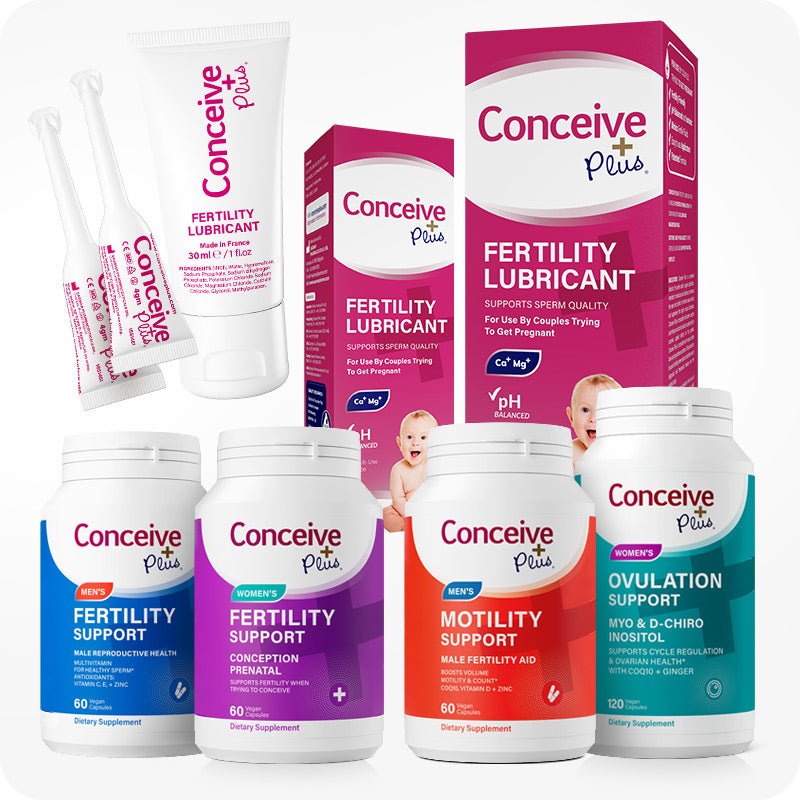
Our Ovulation & Fertility Bundle combines Myo-Inositol with essential vitamins to support healthy hormone balance and regular ovulation.
Shop Now — $55.00✓ Free shipping on orders over $40 | ✓ Trusted by millions of couples worldwide
The injectable contraceptive is another widely used choice. Administered every three months, it contains a progestin hormone that suppresses ovulation and can reduce bleeding over time. While many appreciate the convenience of quarterly dosing, this method may delay the return of fertility for several months after discontinuation. Such considerations highlight the importance of anticipating family-planning goals and personal timelines before selecting an injectable solution. Both the ring and injectable options have undergone extensive clinical testing, underscoring their effectiveness when used consistently according to guidelines.
Another approach places a small implant under the skin of the upper arm. This steadily releases synthetic hormones to prevent egg development. Those wondering how to stop ovulation without daily pills might find this option appealing. Users should monitor mood changes or altered bleeding patterns. Clinical data suggests implants reduce user error compared to methods needing daily adherence [3].
Scientists are exploring novel molecules to lower side effects, reduce dosages, and improve convenience. Some researchers have studied biodegradable implants that release agents slowly, eliminating the need for removals. These advances reflect a broader shift toward more personalized, efficient contraceptives.
Personal Factors
Selecting a contraceptive involves weighing medical history, lifestyle, and risk factors. Certain conditions may rule out specific methods. Individuals with clotting issues, hypertension, or certain migraines should consult providers. Factors like body mass index can also influence effectiveness, highlighting the importance of professional guidance.
Cost and accessibility play major roles in contraceptive choices. While insurance often covers many methods, some regions limit available options. Implants or intrauterine devices might require multiple visits, complicating access for those with restricted healthcare resources. Online searches or local clinics can reveal low-cost programs, helping people find affordable solutions [4].
For those looking to understand the best methods for how to plan a birth control, this article explores top strategies and considerations when choosing the most effective form of contraception.

Community Awareness
Increasing awareness of reproductive issues has led to more open discussion. Many advocate for comprehensive education on various contraceptive products, including practical training for barrier methods and objective information on longer-acting solutions. This focus aims to reduce unintended pregnancies by fostering informed decisions across different life stages.
Mental health considerations have also gained attention, as some users notice mood shifts with hormonal methods. Research continues to explore whether such changes are tied to medication or external factors. Medical professionals encourage open dialogue between patients and providers to identify the most suitable path.
For individuals wondering about early signs of pregnancy on birth control, this article dives into the common symptoms and answers important questions related to conception while using contraceptives.
The Bottom Line
Ultimately, whatever choice prevails, ovulation birth control exemplifies modern healthcare’s progress in promoting reproductive autonomy and accommodating diverse preferences.
In conclusion, careful understanding of egg release and potential risks can guide individuals to the method best fitting their needs. Options differ in benefits and drawbacks, and personal circumstances may shift over time.
References
- Petitti DB, Sidney S. Four decades of research on hormonal contraception. Perm J. 2005 Winter;9(1):29-34. doi: 10.7812/TPP/04-129. PMID: 21687478; PMCID: PMC3108408.
- Feldblum PJ, Morrison CS, Roddy RE, Cates W Jr. The effectiveness of barrier methods of contraception in preventing the spread of HIV. AIDS. 1995;9 Suppl A:S85-93. PMID: 8819574.
- National Research Council (US) Committee on Population. Contraception and Reproduction: Health Consequences for Women and Children in the Developing World. Washington (DC): National Academies Press (US); 1989. 4, Contraceptive Benefits and Risks. Available from: https://www.ncbi.nlm.nih.gov/books/NBK235069/
- Mercuri ND, Cox BJ. The need for more research into reproductive health and disease. Elife. 2022 Dec 13;11:e75061. doi: 10.7554/eLife.75061. PMID: 36511240; PMCID: PMC9771341.
🌱 Support Your Fertility Journey
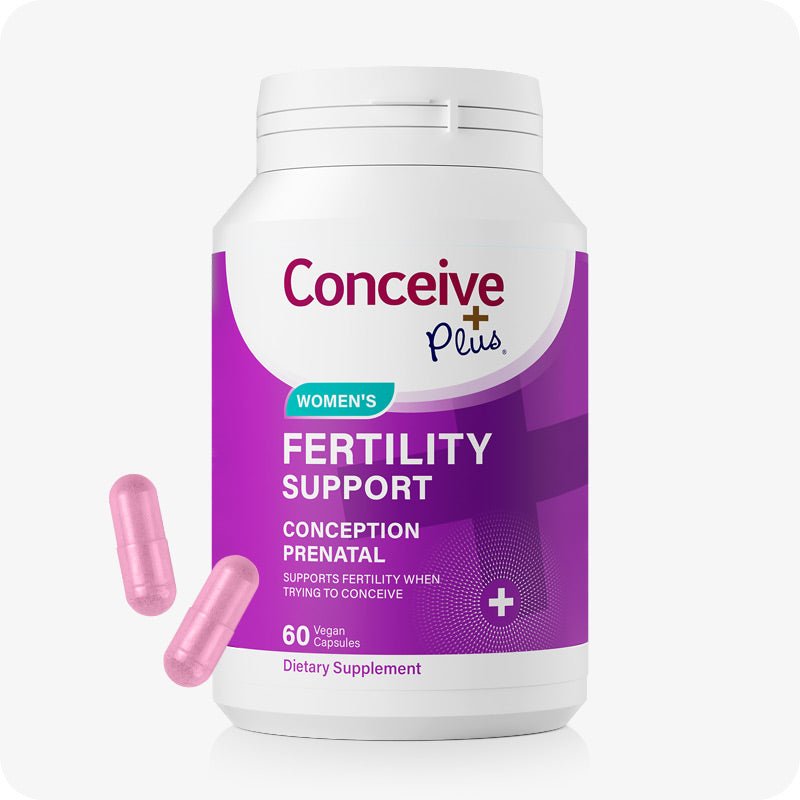
Conceive Plus fertility supplements are clinically formulated to help regulate your cycle and support egg quality.
Shop Fertility Support →Frequently Asked Questions
Recommended by Fertility Experts
Conceive Plus Men's Fertility Support
Designed to support healthy sperm production, motility, and overall male reproductive health with clinically studied nutrients.
Shop Now →Q: How effective is ovulation tracking as a birth control method?
A: Ovulation tracking, also known as the fertility awareness method (FAM), has a typical use effectiveness of 76-88% according to the American College of Obstetricians and Gynecologists (ACOG), meaning 12-24 out of 100 users experience unintended pregnancy in a year. Perfect use effectiveness reaches 99.4%, but this requires careful daily monitoring of basal body temperature, cervical mucus, and cycle length. The method's success depends heavily on user consistency and education, making it most effective for those with regular cycles and high commitment. For couples seeking maximum effectiveness, combining fertility awareness with other contraceptive methods is recommended by US fertility specialists.
Q: What is the difference between ovulation suppression and ovulation prediction birth control?
A: Ovulation suppression methods, primarily hormonal contraceptives like birth control pills and patches, actively prevent the release of eggs by inhibiting luteinizing hormone (LH) surges through FDA-approved hormone combinations. In contrast, ovulation prediction methods like the rhythm method or apps predict when ovulation will occur so users can avoid intercourse during fertile windows—these methods don't prevent ovulation but rather help users work around it. According to ASRM (American Society for Reproductive Medicine), suppression methods are significantly more effective, with 91% typical use effectiveness for combined oral contraceptives compared to 76-88% for fertility awareness methods. Understanding this distinction helps US consumers choose methods aligned with their health needs and lifestyle preferences.
Q: Can you get pregnant on ovulation day while using birth control?
A: The likelihood of pregnancy on ovulation day depends entirely on the type of birth control being used; hormonal contraceptives like pills and patches typically prevent ovulation from occurring at all, with a 99.7% effectiveness rate with perfect use according to the FDA. Non-hormonal methods such as fertility awareness or barrier methods used on ovulation day have significantly higher failure rates, with condom-only use showing 82% typical use effectiveness. Sperm can survive up to five days in the reproductive tract, making the fertile window extend from five days before ovulation through one day after, as noted by major US medical institutions. If pregnancy prevention is the primary goal, individuals should discuss with their healthcare provider which FDA-approved method offers the confidence level they need.
Q: What percentage of women use ovulation-based birth control in the United States?
A: Approximately 12% of US contraceptive users rely on fertility awareness and natural family planning methods according to recent CDC data, while hormonal contraceptives remain the most popular choice at 37% of contraceptive users. Among women seeking alternatives to hormonal methods due to side effects or personal preference, ovulation tracking has gained popularity through smartphone apps and wearable devices that improve accuracy. The American College of Obstetricians and Gynecologists acknowledges the growing interest in cycle-tracking methods, though they continue recommending highly effective options like IUDs and implants for those prioritizing pregnancy prevention. For women interested in understanding their cycles for family planning purposes—whether for avoiding or achieving pregnancy—accurate ovulation tracking paired with supplemental reproductive health support may provide additional insights.
Q: How accurate are ovulation prediction apps and fertility trackers?
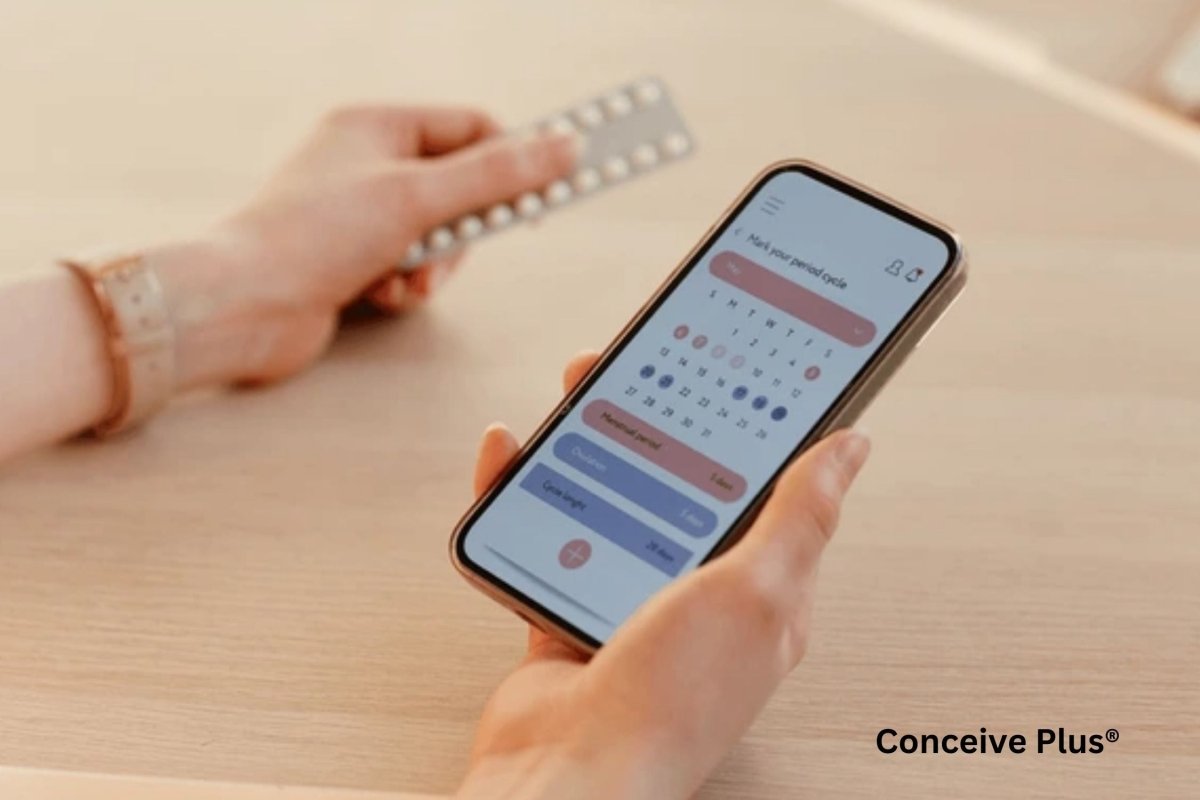
A: Ovulation prediction apps vary significantly in accuracy, with peer-reviewed studies showing that most fertility-tracking apps have a 10-20% error margin in identifying the actual ovulation date, according to research published in reproductive health journals. Apps using algorithmic predictions based on cycle history are generally more accurate than those relying solely on user input, though no app provides perfect predictions due to natural cycle variations. The FDA does not regulate most consumer fertility apps for contraceptive accuracy, making it crucial for users to understand that these tools are most reliable for women with consistent 24-35 day cycles. For those using ovulation tracking as birth control, healthcare providers recommend consulting with a fertility specialist to understand personal cycle patterns, and combining apps with secondary methods like barrier contraception significantly improves effectiveness.
Trusted by Couples in Over 70 Countries
Support Male Fertility From the Inside Out
Male fertility is just as important as female fertility in the conception journey. Conceive Plus Men's range delivers targeted nutritional support to promote healthy sperm and overall reproductive wellbeing.
Shop Men's Range →