Old Wives Tales to Get Pregnant: Exploring Fertility Myths and Traditional Tips for Conception


For centuries, women have turned to age-old wisdom in their quest to conceive. These so-called "old wives tales to get pregnant" have been passed down through generations, blending tradition, hope, and creativity. While many of these tips lack scientific backing, others find surprising support in modern research or align with practices that promote overall health. Whether you're curious about folklore or looking for ideas to complement your fertility journey, here's an exploration of popular old wives’ tales to conceive, along with insights into their plausibility.
Traditional Beliefs: Fertility Foods and Diet
One of the most common old wives tales to get pregnant revolves around eating specific foods believed to enhance fertility. Pineapple core, for example, is a popular suggestion, with bromelain (an enzyme found in pineapple) thought to promote implantation. While there’s limited scientific evidence to support this claim, bromelain does possess anti-inflammatory properties, which could theoretically aid in reproductive health.

Similarly, consuming yams has been associated with an increased likelihood of conceiving twins. This tale originates from regions like Nigeria, where yam consumption is high, and twin births are more common. However, it’s unclear if there’s a direct link or if other genetic or environmental factors play a more significant role.
Foods rich in folate, omega-3 fatty acids, and antioxidants—such as leafy greens, salmon, and nuts—are universally recommended for supporting reproductive health. While they may not guarantee pregnancy, these nutrient-dense foods provide the foundation for a healthy body, which is essential for conception [1].
Timing and Positions: Do They Matter?
Traditional advice often suggests timing intercourse around specific phases of the moon or after certain rituals. While the moon’s phases have no proven influence on fertility, timing intercourse based on ovulation is rooted in science. Ovulation typically occurs mid-cycle, and understanding one’s fertile window through tools like basal body temperature tracking or ovulation predictor kits can significantly increase the chances of conception.
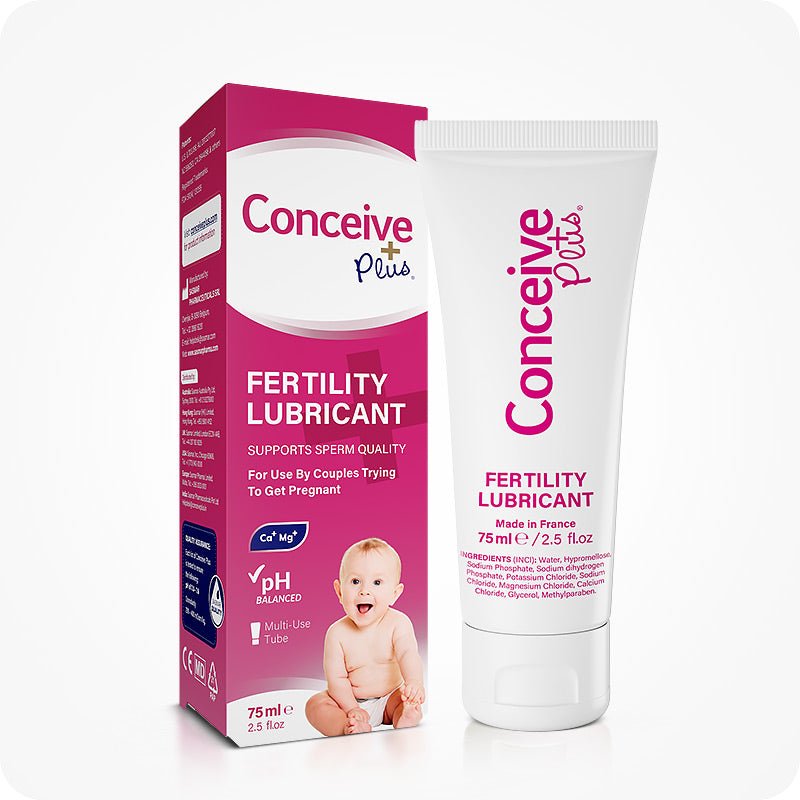
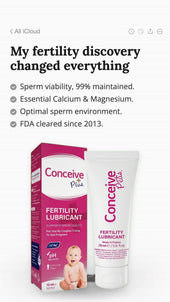
Using a fertility-friendly lubricant like Conceive Plus Fertility Lubricant can also enhance your chances of conception by creating a sperm-friendly environment, especially when combined with other evidence-based strategies.
Another popular belief is that certain sexual positions can improve the likelihood of conception by helping sperm travel more effectively toward the egg. Positions that allow for deeper penetration, such as missionary, are often recommended in this context. While there’s no scientific proof that one position is superior to another, it’s worth noting that sperm can reach the cervix regardless of the position, provided that the couple’s reproductive health is optimal.
Household Remedies: A Mix of Curiosity and Creativity
Various household items and remedies have made their way into the world of fertility folklore. For instance, some women swear by the practice of placing a pillow under their hips after intercourse to help sperm travel toward the egg. While this practice doesn’t guarantee conception, staying in a horizontal position for a short time post-intercourse may slightly increase the chances by reducing gravity’s pull on sperm.

✨ Trying to Conceive?
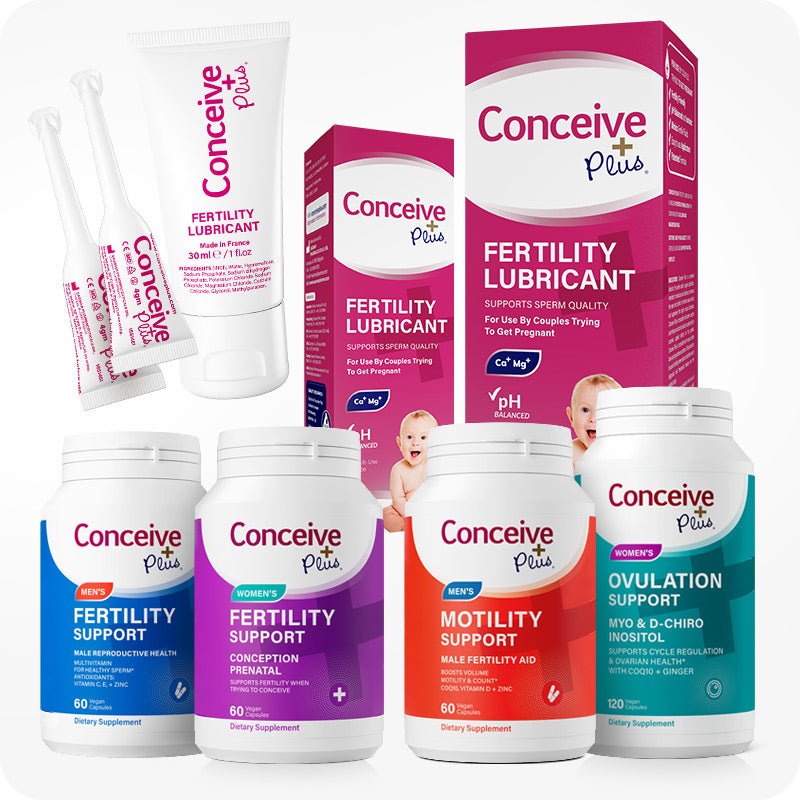
Our Ovulation & Fertility Bundle combines Myo-Inositol with essential vitamins to support healthy hormone balance and regular ovulation.
Shop Now — $55.00✓ Free shipping on orders over $40 | ✓ Trusted by millions of couples worldwide
Another interesting tale involves the use of cough syrup containing guaifenesin, an ingredient that thins mucus. Some believe it can improve cervical mucus, making it easier for sperm to travel. While the scientific evidence on this is limited, guaifenesin’s properties do suggest a possible benefit. However, this remedy should be used cautiously and in consultation with a healthcare provider [2].

Myths with a Psychological Twist
The mind-body connection often appears in discussions about fertility. One recurring piece of advice is to "just relax" or "stop trying so hard." While this might sound dismissive to those actively trying to conceive, there is some truth to the idea that high stress levels can interfere with ovulation and hormone balance. Practices like yoga, meditation, and mindfulness are commonly recommended not because they directly boost fertility but because they can help manage stress, creating a more supportive environment for conception [3].
Another psychological myth involves surrounding oneself with symbols of fertility, such as baby shoes or figurines of deities associated with motherhood. While there’s no scientific basis for this, the placebo effect and positive visualization can foster optimism, which may indirectly benefit mental health and reduce stress.
Fertility Rituals and Traditions Across Cultures
In many cultures, fertility rituals and superstitions play a significant role in conception efforts. For example, in some African communities, women may wear specific beads or partake in rituals to invoke fertility gods. In Asian traditions, feng shui principles are applied to enhance the energy flow in the bedroom, with recommendations like placing the bed in a “power position” or adding elements symbolizing abundance.
Even in modern Western societies, some couples turn to symbolic gestures, such as burying a statue of St. Gerard (the patron saint of motherhood) or drinking herbal teas like raspberry leaf or nettle. While these practices lack empirical evidence, they can provide emotional comfort and a sense of proactive involvement in the journey.
What Science Says About Traditional Advice
While many old wives tales to conceive have limited or no scientific validation, they often align with practices that promote general well-being. For example, staying hydrated, consuming nutrient-rich foods, and maintaining a healthy lifestyle are consistent with both traditional advice and modern medical recommendations for optimizing fertility.
Understanding the better age to get pregnant can also play a crucial role in optimizing fertility, as age significantly impacts egg quality and conception chances.
It’s essential, however, to distinguish between harmless traditions and potentially harmful ones. For instance, some older remedies involve the use of herbs or substances that might interfere with medication or have adverse effects. Consulting a healthcare provider before trying any unconventional methods is always advisable.
Balancing Hope and Evidence
The charm of old wives tales to get pregnant lies in their ability to offer hope and creativity in an often challenging and emotional journey. While these tales shouldn’t replace evidence-based medical advice, they can serve as complementary practices that add an element of positivity and engagement. By combining traditional wisdom with modern science, couples can approach conception with both a sense of history and a practical mindset.

The Bottom Line
The world of "old wives tales to get pregnant" is a fascinating blend of folklore and curiosity, reflecting the universal desire to nurture life. While many of these tales lack scientific proof, they often emphasize practices that support overall health and well-being. For couples navigating the complexities of conception, integrating traditional tips with evidence-based strategies can create a balanced and hopeful approach. Whether you’re intrigued by these tales or actively exploring them, they highlight the timeless human connection to the miracle of life.
References:
- Qin Y, Xie L. Nutrition and Supplements during Pregnancy: A Vital Component in Building the Health and Well-Being of Both the Mother and the Developing Baby. Nutrients. 2023 Jul 31;15(15):3395. doi: 10.3390/nu15153395. PMID: 37571332; PMCID: PMC10420914.
- Mother To Baby | Fact Sheets [Internet]. Brentwood (TN): Organization of Teratology Information Specialists (OTIS); 1994-. Guaifenesin. 2023 Feb. Available from: https://www.ncbi.nlm.nih.gov/books/NBK582733/
- Kundarti FI, Titisari I, Rahayu DE, Kiswati, Jamhariyah. Mindfulness improves the mental health of infertile women: A systematic review. J Public Health Res. 2023 Sep 12;12(3):22799036231196693. doi: 10.1177/22799036231196693. PMID: 37711728; PMCID: PMC10498716.
🌱 Support Your Fertility Journey
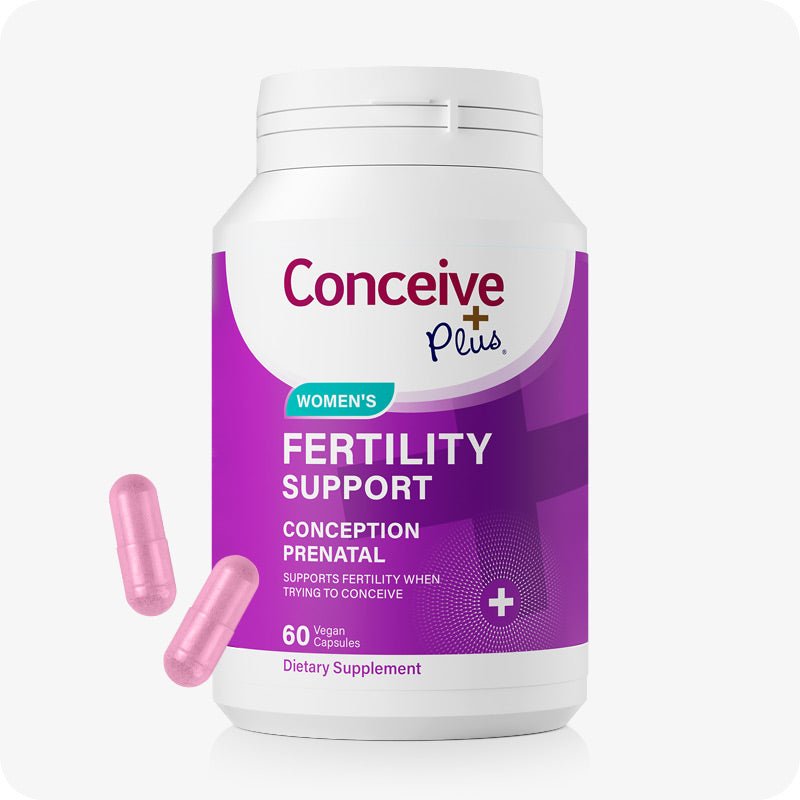
Conceive Plus fertility supplements are clinically formulated to help regulate your cycle and support egg quality.
Shop Fertility Support →Frequently Asked Questions
Recommended by Fertility Experts
Conceive Plus Men's Fertility Support
Designed to support healthy sperm production, motility, and overall male reproductive health with clinically studied nutrients.
Shop Now →Q: Do old wives tales about getting pregnant actually work?
A: Most traditional fertility tales lack scientific evidence, though some align with practices that support overall reproductive health. According to the American Society for Reproductive Medicine (ASRM), fertility success depends primarily on factors like ovulation timing, egg quality, and sperm health rather than folkloric remedies. However, certain old wives' tales—such as maintaining a healthy weight, reducing stress, and avoiding smoking—do have research backing and can improve conception odds. The key is distinguishing between harmless traditions and evidence-based fertility strategies that actually impact your chances of conceiving. Combining healthy lifestyle practices with proven fertility supplements like Conceive Plus can provide a more comprehensive approach to optimizing your fertility journey.
Q: What is the most effective old wives tale for getting pregnant?
A: The most evidence-supported traditional advice is timing intercourse around ovulation, which remains the gold standard for conception across all fertility guidance, including ASRM recommendations. Research consistently shows that having intercourse during the five days before and day of ovulation significantly increases pregnancy likelihood, with peak fertility occurring 24-48 hours before ovulation. Other traditional practices with scientific merit include maintaining a balanced diet rich in antioxidants, managing stress levels, and avoiding excessive heat near the testicles. While these aren't "old wives tales" in the mythical sense, they represent the intersection of traditional wisdom and modern fertility science. Using ovulation predictor kits alongside these practices—and incorporating a fertility-supporting supplement like Conceive Plus—creates an informed, strategic approach to conception.
Q: Is there any truth to the saying that you get pregnant easier when you're relaxed?
A: Stress can negatively impact fertility by disrupting hormonal balance and reducing ovulation regularity, making the relaxation advice somewhat grounded in biology. Studies published in fertility journals indicate that chronic stress elevates cortisol levels, which can suppress reproductive hormones and affect egg quality, particularly in women over 35. However, stress alone is rarely the sole cause of infertility—conception involves multiple physiological factors that stress management alone cannot address. The American College of Obstetricians and Gynecologists recommends stress reduction as part of a holistic fertility approach, alongside nutrition, exercise, and medical evaluation. While relaxation techniques like yoga and meditation support overall reproductive health, they work best when combined with proven strategies such as proper supplementation with fertility-optimized products like Conceive Plus and regular medical monitoring.
Q: Can diet really help you get pregnant faster based on old fertility wisdom?
A: Nutritional choices do meaningfully impact fertility, validating the traditional emphasis on "eating well" for conception. Research from the Harvard School of Public Health found that women following a fertility diet pattern—emphasizing whole grains, plant-based proteins, full-fat dairy, and healthy fats—had significantly better ovulation and fertility outcomes than those eating highly processed foods. Traditional wisdom about consuming nutrient-dense foods supports modern understanding that antioxidants, folate, iron, and omega-3 fatty acids are critical for egg health and reproductive function. The FDA recommends that women of childbearing age consume adequate folic acid (400-800 mcg daily) to prevent neural tube defects and support conception. A nutrient-rich diet works synergistically with fertility supplements containing key vitamins and amino acids like those found in Conceive Plus to optimize your body's reproductive readiness.
Q: Do fertility old wives tales work better than seeing a fertility doctor?
A: Old wives' tales should complement, not replace, professional medical evaluation, as approximately 12% of U.S. couples experience infertility according to CDC data, often due to diagnosable conditions. A fertility specialist can identify issues like ovulation disorders, blocked fallopian tubes, endometriosis, or male factor infertility that traditional remedies cannot address. The American Society for Reproductive Medicine recommends women over 35 seek evaluation after six months of trying, while younger women should consult a doctor after one year of unprotected intercourse. Traditional practices and lifestyle modifications enhance fertility but lack the diagnostic capability to uncover underlying medical problems requiring treatment. The most effective approach combines professional medical guidance, evidence-based fertility practices, supportive lifestyle changes, and scientifically formulated supplements like Conceive Plus designed to optimize your natural fertility potential.
Trusted by Couples in Over 70 Countries
Support Male Fertility From the Inside Out
Male fertility is just as important as female fertility in the conception journey. Conceive Plus Men's range delivers targeted nutritional support to promote healthy sperm and overall reproductive wellbeing.
Shop Men's Range →