Exploring IVF Male Fertility and Success Rates with Low Sperm Count Issues

Let’s talk about something a lot of couples deal with but don’t talk about enough: IVF male fertility issues. When you’re trying to conceive, male infertility can be a frustrating hurdle, especially when low sperm count or poor sperm quality is involved. But, thanks to treatments like IVF, there’s hope. And the good news? It’s not as complicated as you might think. This blog explores how IVF works for men, particularly for those dealing with IVF low sperm count, and what the success rates look like when male infertility is a factor.

So, How Does IVF Work for a Man?
You might be wondering, how does IVF work for a man with fertility problems? Well, IVF is designed to bypass a lot of the obstacles that make natural conception tough. The process for a man begins with a semen sample. Doctors then pick out the best sperm, and if necessary, they’ll use a technique called ICSI (Intracytoplasmic Sperm Injection) where a single healthy sperm is directly injected into the egg [1]. This is particularly useful for guys with IVF low sperm count or sperm that aren’t swimming like they should.
Top Tip: If you’re facing male infertility, ask your doctor about ICSI. It’s a game-changer for those with low sperm count or poor sperm motility.
Dealing with Low Sperm Count and IVF
Low sperm count is one of the most common issues when it comes to male infertility. So, if you’re dealing with this, you’re not alone. But how does IVF low sperm count work exactly? In IVF, even if sperm count is low, the healthiest sperm can be manually introduced to the egg in a lab. This takes out a lot of the guesswork that natural conception relies on. So, if your sperm count is below the normal range (15 million sperm per milliliter), IVF can really help [2].
To improve sperm health before starting IVF, it’s a good idea to take fertility supplements. Zinc and CoQ10 are often recommended because they boost sperm quality. Zinc helps with sperm production, and CoQ10 is a powerful antioxidant that protects the sperm from damage [3].
Top Tip: If you have a low sperm count, look into supplements rich in Zinc and CoQ10 to help improve your sperm quality before starting IVF.
Male Factor IVF Success Rates: What to Expect
Now let’s talk about the male factor IVF success rates. The truth is, the success rates depend on a bunch of factors like how severe the sperm issue is and the age of your partner. IVF has opened up the possibility for many men with low sperm count or poor sperm quality to conceive. When you add ICSI into the mix, it gives a real boost to the chances of success [4]. It’s especially effective when dealing with IVF for male factor infertility.
Success rates improve even further when men use fertility supplements that contain L-Carnitine, which enhances sperm motility. And this is key because good sperm motility is crucial for fertilization to happen [5].
Top Tip: Adding L-Carnitine supplements can help increase your sperm’s movement, making it more likely for IVF to succeed.

Success Rates of IVF with Male Factor Infertility
For couples dealing with IVF for male factor infertility, it’s important to understand what the success rates of IVF with male factor infertility really are. On average, the success rate can vary based on how severe the fertility issue is, how old both partners are, and overall health. But here’s the good news: IVF has a decent success rate when male infertility is involved, especially when you follow medical advice and take steps to boost sperm health [6].

✨ Support Healthy Sperm
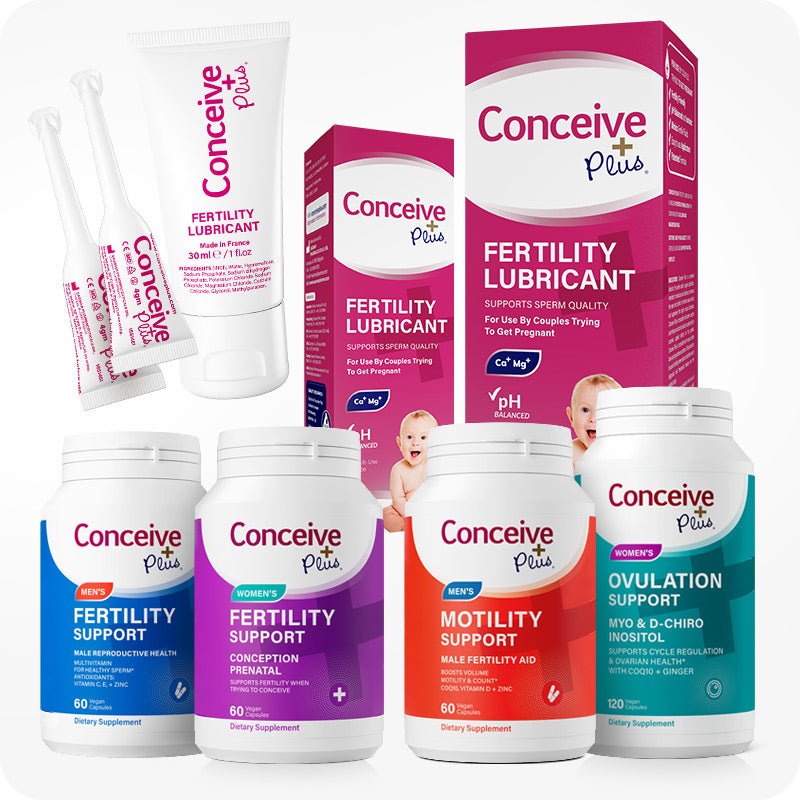
Our Motility Support supplement contains Zinc, CoQ10, and L-Carnitine — clinically studied nutrients for sperm health and motility.
Shop Now — $34.95✓ Free shipping on orders over $40 | ✓ Trusted by millions of couples worldwide
Taking fertility supplements that include Myo-Inositol and Vitamin D can make a significant difference. These nutrients help balance hormones and improve sperm quality, making fertilization more likely during IVF [7].
Top Tip: Consider adding Myo-Inositol and Vitamin D to your diet—they can improve sperm quality and increase your chances of a successful IVF cycle.
Boosting IVF Success for Male Infertility
For men diagnosed with infertility, IVF offers a strong chance of success. But what about the specific male factor infertility IVF success rates? It can vary, sure, but many men see positive outcomes with IVF, especially when they take action to improve sperm health before starting the process. A combination of lifestyle changes (like better diet, more exercise) and fertility supplements can make all the difference [8].
Supplements that include nutrients like Selenium and L-Arginine are particularly helpful in supporting sperm production and improving overall sperm health. And for many men, these simple changes lead to better IVF outcomes [9].
Top Tip: Improving your diet and adding Selenium and L-Arginine supplements to your routine could increase the success of IVF when male infertility is a factor.

The Bottom Line
For couples struggling with IVF male fertility challenges, including IVF low sperm count, IVF is a promising route to conception. Advances in techniques like ICSI and fertility-focused supplements have made it possible for many couples to overcome male infertility and successfully conceive. While the exact IVF success rate male infertility may depend on individual factors, improving sperm health and staying committed to the process can lead to a happy outcome [10].
With the right support—both medically and nutritionally—couples can increase their chances of a successful pregnancy through IVF, even when dealing with male fertility issues.
FAQs
Can IVF help with male infertility?
Yes, IVF can help men with low sperm count or poor sperm quality by using techniques like ICSI to ensure fertilization occurs.
What are the success rates of IVF for male infertility?
The success rates vary, but IVF combined with ICSI tends to have higher success rates for couples dealing with male infertility, especially low sperm count.
How does IVF work for a man with low sperm count?
In IVF, sperm is collected and then the healthiest sperm are selected for fertilization. If needed, ICSI can be used to directly inject the sperm into the egg.
Can lifestyle changes improve IVF success for male infertility?
Yes, making healthy lifestyle changes and taking fertility supplements can improve sperm quality and increase IVF success.
What supplements can help with male infertility before IVF?
Supplements with ingredients like Zinc, L-Carnitine, Selenium, and CoQ10 are commonly recommended to boost sperm health and improve IVF outcomes.
Citations
- Palermo, G., Joris, H., Devroey, P., & Van Steirteghem, A. C. (1992). Pregnancies after intracytoplasmic injection of single spermatozoon into an oocyte. Lancet (London, England). Available at: https://pubmed.ncbi.nlm.nih.gov/1351601/
- O'Flynn O'Brien, K. L., Varghese, A. C., & Agarwal, A. (2010). The genetic causes of male factor infertility: a review. Fertility and sterility. Available at: https://pubmed.ncbi.nlm.nih.gov/20103481/
- Balercia, G., Mosca, F., Mantero, F., Boscaro, M., Mancini, A., Ricciardo-Lamonica, G., & Littarru, G. (2004). Coenzyme Q(10) supplementation in infertile men with idiopathic asthenozoospermia: an open, uncontrolled pilot study. Fertility and sterility. Available at: https://pubmed.ncbi.nlm.nih.gov/14711549/
- Nagy, Z. P., Liu, J., Joris, H., Verheyen, G., Tournaye, H., Camus, M., Derde, M. C., Devroey, P., & Van Steirteghem, A. C. (1995). The result of intracytoplasmic sperm injection is not related to any of the three basic sperm parameters. Human reproduction (Oxford, England). Available at: https://pubmed.ncbi.nlm.nih.gov/7657751/
- Cavallini G. (2006). Male idiopathic oligoasthenoteratozoospermia. Asian journal of andrology. Available at: https://pubmed.ncbi.nlm.nih.gov/16491265/
- Esteves, S. C., Roque, M., Bedoschi, G., Haahr, T., & Humaidan, P. (2018). Intracytoplasmic sperm injection for male infertility and consequences for offspring. Nature reviews. Urology. Available at: https://pubmed.ncbi.nlm.nih.gov/29967387/
- Condorelli, R. A., La Vignera, S., Mongioì, L. M., Vitale, S. G., Laganà, A. S., Cimino, L., & Calogero, A. E. (2017). Myo-inositol as a male fertility molecule: speed them up!. European review for medical and pharmacological sciences. Available at: https://pubmed.ncbi.nlm.nih.gov/28724176/
- Wang, X., Sharma, R. K., Sikka, S. C., Thomas, A. J., Jr, Falcone, T., & Agarwal, A. (2003). Oxidative stress is associated with increased apoptosis leading to spermatozoa DNA damage in patients with male factor infertility. Fertility and sterility. Available at: https://pubmed.ncbi.nlm.nih.gov/12969693/
- Kessopoulou, E., Powers, H. J., Sharma, K. K., Pearson, M. J., Russell, J. M., Cooke, I. D., & Barratt, C. L. (1995). A double-blind randomized placebo cross-over controlled trial using the antioxidant vitamin E to treat reactive oxygen species associated male infertility. Fertility and sterility. Available at: https://pubmed.ncbi.nlm.nih.gov/7672157/
- Practice Committee of American Society for Reproductive Medicine (2012). Diagnostic evaluation of the infertile male: a committee opinion. Fertility and sterility. Available at: https://pubmed.ncbi.nlm.nih.gov/22698639/
🌱 Boost Male Fertility Naturally
Conceive Plus Men's Motility Support is formulated with the nutrients that matter most for sperm quality, count, and motility.
Shop Men's Fertility →Frequently Asked Questions
Recommended by Fertility Experts
Conceive Plus Men's Fertility Support
Designed to support healthy sperm production, motility, and overall male reproductive health with clinically studied nutrients.
Shop Now →What is ICSI and how does it help with low sperm count?
ICSI (Intracytoplasmic Sperm Injection) is a specialized IVF technique where a single healthy sperm is directly injected into an egg, bypassing the need for sperm to swim or penetrate the egg naturally. This procedure is particularly effective for men with low sperm count, poor motility, or abnormal morphology, as it eliminates many of the barriers that prevent natural conception. The American Society for Reproductive Medicine (ASRM) recommends ICSI for male factor infertility cases where conventional IVF may have lower success rates.
Can IVF work if my sperm count is extremely low or zero?
Yes, IVF can work even with very low sperm counts through ICSI, and in cases of zero sperm count in ejaculate, doctors may retrieve sperm directly from the testicles using procedures like TESE (Testicular Sperm Extraction) or MESA (Microsurgical Epididymal Sperm Aspiration). These retrieval methods combined with ICSI have helped many men with severe male factor infertility achieve pregnancy. However, success rates and options depend on whether sperm production is occurring at all, so consultation with a fertility specialist is essential.
Does my partner's age affect IVF success rates when male factor infertility is involved?
Yes, the female partner's age is one of the most significant factors affecting IVF success rates, regardless of male factor issues, because egg quality declines with age. While male age has less impact on IVF success compared to female age, men over 40 may have slightly lower sperm quality and motility. The ASRM reports that women under 35 have the highest success rates per IVF cycle, while success rates decline notably after age 40.
Are fertility supplements like zinc and CoQ10 FDA-approved for improving sperm quality?
While zinc and CoQ10 are available as over-the-counter dietary supplements and are regulated by the FDA, they are not FDA-approved drugs for treating male infertility. However, research published in fertility journals supports that zinc supplementation can improve sperm production and CoQ10 may enhance sperm quality through its antioxidant properties. It's important to discuss any supplements with your fertility specialist before starting, as they can advise on appropriate dosages and whether they're suitable for your specific situation.
Will insurance cover IVF treatment for male factor infertility?
Insurance coverage for IVF varies significantly depending on your state, employer plan, and specific policy, as there is no federal mandate requiring coverage in the United States. Some states like New York, Massachusetts, and Illinois have fertility insurance mandates that may cover IVF, while others offer no coverage at all. It's essential to contact your insurance provider directly or work with your fertility clinic's insurance coordinator to understand your coverage, as treatment costs can range from $12,000 to $15,000 per cycle without insurance.
How long does the male factor IVF process take from start to finish?
The typical IVF cycle takes about 2-3 weeks from the start of hormone stimulation through embryo transfer, though this timeline can vary based on individual circumstances. The male partner's involvement is relatively minimal—typically providing a semen sample on the day of egg retrieval, with ICSI procedures performed in the laboratory the same day. From initial consultation to pregnancy confirmation, the entire process usually takes 4-6 weeks, though some fertility clinics may require additional testing or preparation time beforehand.
What are realistic success rates for IVF when only male factor infertility is present?
When male factor infertility is the only issue and the female partner is under 35 with normal egg quality, IVF success rates are comparable to the general population, typically ranging from 40-50% per cycle according to ASRM data. Success rates decline with female partner age, regardless of how well the male factor is addressed—women over 40 may see success rates drop to 10-20% per cycle. Factors such as sperm count severity, motility, morphology, and whether ICSI is used all influence individual outcomes, making it important to discuss realistic expectations with your fertility specialist.
Trusted by Couples in Over 70 Countries
Support Male Fertility From the Inside Out
Male fertility is just as important as female fertility in the conception journey. Conceive Plus Men's range delivers targeted nutritional support to promote healthy sperm and overall reproductive wellbeing.
Shop Men's Range →