How to Increase Chances of Having a Boy with the Right Foods

Wondering how to increase chances of having a boy? Many parents hope for a baby boy, and some believe that making specific changes in diet, timing, and lifestyle can help. While there’s no guaranteed way to control a baby’s gender, certain approaches might increase chances of having a boy. In this article, we'll explore what to eat to conceive a boy and discuss how these methods can support your efforts.

Can Diet Affect Baby Gender?
It’s often believed that diet can impact the body's pH level, potentially influencing the sex of the baby. Male sex cell, which carry the Y chromosome, are faster swimmers but have a shorter lifespan than female-producing sperm. An alkaline environment might favor Y-chromosome sperm, giving them a better chance to reach the egg first. To support this environment, you should focus on foods to eat to conceive a boy that are rich in potassium, sodium, and magnesium. [1].
Foods to Eat to Conceive a Boy
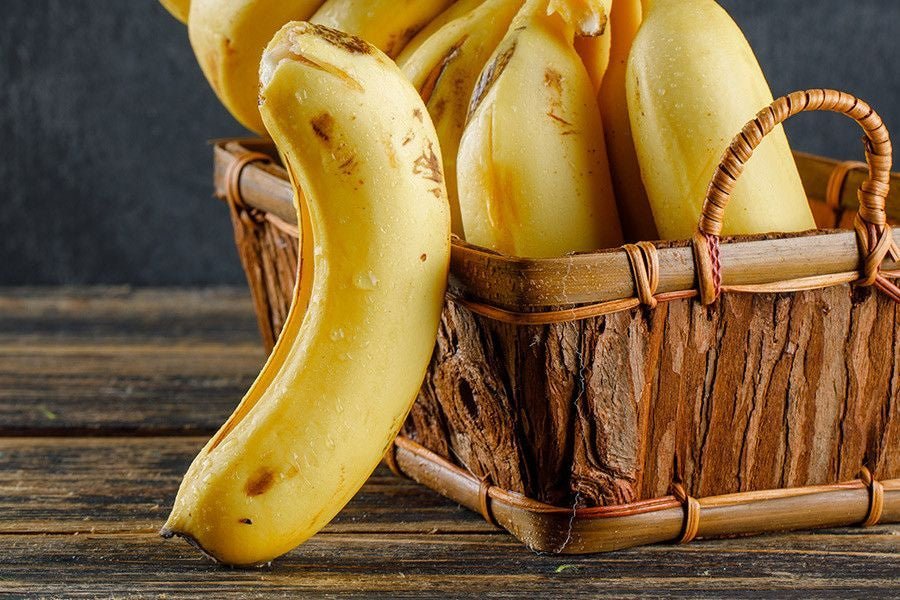
So, what to eat to have a boy? Bananas, avocados, and leafy greens like spinach are among the best foods to eat to have a boy. Bananas are rich in potassium, which is linked to a more alkaline body environment, possibly favoring male sperm [2]. Similarly, avocados are high in healthy fats and magnesium, which also contribute to a favorable reproductive environment for male sperm [3].
How to Conceive a Baby Boy 100 Percent?
Let's be clear: it’s impossible to conceive a baby boy 100 percent through natural methods alone. But that doesn't mean you can’t try strategies that may improve your chances. In addition to diet, other factors like timing intercourse around ovulation and maintaining a healthy lifestyle can be helpful [4].
The Role of Calories and Breakfast
A study has suggested that women who consume more calories before conception might be more likely to conceive a boy [5]. Foods like whole grains, eggs, and lean meats can help increase daily calorie intake. It’s also been found that women who regularly eat breakfast cereals may be more likely to have boys [6]. This approach aligns with the theory of how to increase odds of having a boy, though it’s not a guaranteed outcome.
Baby Boy Diet for Father
A baby boy diet for the father can also influence the chances of conceiving a boy. Men’s diet and health affect sperm quality, which can, in turn, influence the sex of the baby. Foods like oysters, lean meats, Brazil nuts, and eggs are high in zinc, selenium, and vitamin D, which can improve male sperm motility and health. Zinc and selenium, in particular, support overall sperm function, which may contribute to how to increase your chances of having a boy. Additionally, knowing when is sperm the strongest can further enhance the likelihood of conception and potentially impact the baby’s sex [8].

✨ Trying to Conceive?
Our Ovulation & Fertility Bundle combines Myo-Inositol with essential vitamins to support healthy hormone balance and regular ovulation.
Shop Now — $55.00✓ Free shipping on orders over $40 | ✓ Trusted by millions of couples worldwide

Timing Intercourse to Increase Chances
Timing intercourse close to ovulation is another strategy for those trying to increase the chances of having a boy. Male sperm are faster but shorter-lived, so having intercourse within 24 hours of ovulation might improve the odds of male sperm reaching the egg first [9]. Tracking ovulation using basal body temperature or ovulation kits can help pinpoint the most fertile days.
Supplements for Better Fertility
Supplements that include folic acid, vitamin D, CoQ10, and L-arginine can enhance overall reproductive health. While supplements cannot guarantee the baby’s sex, they can support fertility and create a healthier reproductive environment, which can indirectly support efforts to increase chances of having a boy [10].

Lifestyle Adjustments
Besides diet, certain lifestyle changes can support conception efforts. Maintaining a healthy weight, reducing stress, and staying well-hydrated are all essential. For men, wearing loose-fitting underwear is suggested, as it can improve sperm quality, which might indirectly help in the goal of having a boy.
The Bottom Line
While there’s no guaranteed way to conceive a baby boy 100 percent, combining dietary adjustments, timing intercourse around ovulation, and adopting healthier lifestyle habits may help increase chances of having a boy. Focusing on potassium-rich foods, boosting calorie intake, and maintaining good overall health can support your efforts. Ultimately, the goal should always be a healthy baby, regardless of gender, but understanding how to increase the chances of having a boy can be part of your journey.
FAQs
Can changing diet guarantee a boy?
No, but certain diets can help increase odds of having a boy by creating a more favorable environment for male sperm.
What foods are recommended to conceive a boy?
Some of the recommended foods to conceive a boy include bananas, avocados, and leafy greens, which help create an alkaline environment.
Does the father’s diet impact the baby’s sex?
Yes, a baby boy diet for father that includes zinc, selenium, and vitamin D can improve sperm quality, potentially impacting the baby's gender.
How does timing affect chances of having a boy?
Timing intercourse close to ovulation may help increase your chances of having a boy, as male sperm swim faster.
Are supplements useful for conceiving a boy?
Supplements like folic acid, vitamin D, and CoQ10 can improve overall fertility, potentially supporting efforts to increase the chances of having a boy.
Citations
- Wilcox, A. J., Weinberg, C. R., & Baird, D. D. (1995). Timing of sexual intercourse in relation to ovulation. Effects on the probability of conception, survival of the pregnancy, and sex of the baby. The New England journal of medicine. Available at: https://pubmed.ncbi.nlm.nih.gov/7477165/
- Chandraju, Siddegowda & Beirami, A. & C. S., Chidan Kumar. (2011). Role of sodium and potassium ions in identification of baby gender in high- sugar mammals. International Journal of Pharmacy and Pharmaceutical Sciences. Available at: https://www.researchgate.net/publication/286744506_Role_of_sodium_and_potassium_ions_in_identification_of_baby_gender_in_high-_sugar_mammals
- Fiorentini, D., Cappadone, C., Farruggia, G., & Prata, C. (2021). Magnesium: Biochemistry, Nutrition, Detection, and Social Impact of Diseases Linked to Its Deficiency. Nutrients. Available at: https://pubmed.ncbi.nlm.nih.gov/33808247/
- Gaskins, A. J., & Chavarro, J. E. (2018). Diet and fertility: a review. American journal of obstetrics and gynecology. Available at: https://pubmed.ncbi.nlm.nih.gov/28844822/
- Mathews, F., Johnson, P. J., & Neil, A. (2008). You are what your mother eats: evidence for maternal preconception diet influencing foetal sex in humans. Proceedings. Biological sciences. Available at: https://pmc.ncbi.nlm.nih.gov/articles/PMC2602810/
- Williams P. G. (2014). The benefits of breakfast cereal consumption: a systematic review of the evidence base. Advances in nutrition (Bethesda, Md.). Available at: https://pmc.ncbi.nlm.nih.gov/articles/PMC4188247/
- Skoracka, K., Eder, P., Łykowska-Szuber, L., Dobrowolska, A., & Krela-Kaźmierczak, I. (2020). Diet and Nutritional Factors in Male (In)fertility-Underestimated Factors. Journal of clinical medicine. Available at: https://pmc.ncbi.nlm.nih.gov/articles/PMC7291266/
- Ferramosca, A., & Zara, V. (2022). Diet and Male Fertility: The Impact of Nutrients and Antioxidants on Sperm Energetic Metabolism. International journal of molecular sciences. Available at: https://pmc.ncbi.nlm.nih.gov/articles/PMC8910394/
- Wilcox, A. J., Weinberg, C. R., & Baird, D. D. (1995). Timing of sexual intercourse in relation to ovulation. Effects on the probability of conception, survival of the pregnancy, and sex of the baby. The New England journal of medicine. Available at: https://pubmed.ncbi.nlm.nih.gov/7477165/
- Tamura, T., & Picciano, M. F. (2006). Folate and human reproduction. The American journal of clinical nutrition. Available at: https://pubmed.ncbi.nlm.nih.gov/16685040/
🌱 Support Your Fertility Journey
Conceive Plus fertility supplements are clinically formulated to help regulate your cycle and support egg quality.
Shop Fertility Support →Frequently Asked Questions
Recommended by Fertility Experts
Conceive Plus Men's Fertility Support
Designed to support healthy sperm production, motility, and overall male reproductive health with clinically studied nutrients.
Shop Now →Is there scientific evidence that diet can influence baby gender?
While some studies suggest diet may slightly influence the likelihood of conceiving a boy through pH levels and nutrient composition, the American Society for Reproductive Medicine (ASRM) emphasizes that no dietary approach can guarantee or significantly control baby gender. The scientific evidence remains limited, and baby gender is ultimately determined by whether sperm carrying an X or Y chromosome reaches the egg first. Any dietary changes should focus on overall reproductive health rather than gender selection.
What foods are recommended to increase potassium and support conception of a boy?
Bananas, avocados, leafy greens like spinach, sweet potatoes, and dried apricots are excellent sources of potassium and other minerals like magnesium. These nutrient-dense foods support overall reproductive health and may contribute to a more alkaline body environment. However, remember that eating these foods alone cannot guarantee a boy—they're best incorporated as part of a balanced, healthy diet for conception.
Does eating breakfast affect the chances of having a boy?
Some research has suggested that women who consume breakfast regularly, particularly those who eat breakfast cereals, may have slightly higher rates of conceiving boys, possibly related to overall calorie and nutrient intake. However, this association is not definitive, and the FDA and fertility experts caution against relying on breakfast alone as a gender selection method. Focusing on consistent, balanced nutrition throughout the day is more important for reproductive health.
Can my partner's diet affect whether we conceive a boy?
Yes, paternal nutrition can influence sperm quality and motility, which may indirectly affect conception odds. Foods rich in zinc, selenium, vitamin D, and antioxidants—such as oysters, lean meats, Brazil nuts, and eggs—may support healthy sperm function. However, like maternal diet, paternal nutrition cannot determine baby gender but rather supports overall fertility and sperm health.
What is the most effective scientifically-proven method to conceive a boy?
The only scientifically reliable method for gender selection is preimplantation genetic testing (PGT) used with in vitro fertilization (IVF), which allows fertility clinics to identify and select embryos by sex before implantation. This method is regulated by the FDA and offered at many US fertility clinics, though it may not be covered by insurance and is significantly more expensive than natural conception methods. For couples seeking natural conception, timing intercourse around ovulation combined with a healthy lifestyle offers the best evidence-based approach.
Are there any FDA-approved supplements or medications to influence baby gender?
There are no FDA-approved supplements or medications specifically designed to influence baby gender through natural conception methods. While various products are marketed for this purpose, they lack rigorous clinical evidence and regulatory approval. Before taking any supplements or making significant dietary changes, consult with your healthcare provider or a reproductive endocrinologist to ensure safety and appropriate guidance.
Should I increase my calorie intake if I want to conceive a boy?
While some research suggests higher overall calorie intake before conception may correlate with slightly higher rates of male births, dramatically increasing calories is not recommended and could negatively impact fertility and health. Instead, focus on consuming nutrient-dense, whole foods that support reproductive health, including adequate protein, healthy fats, and micronutrients. A registered dietitian or your fertility specialist can help you develop a balanced nutrition plan appropriate for your individual needs.
Trusted by Couples in Over 70 Countries
Support Male Fertility From the Inside Out
Male fertility is just as important as female fertility in the conception journey. Conceive Plus Men's range delivers targeted nutritional support to promote healthy sperm and overall reproductive wellbeing.
Shop Men's Range →