Center for Reproductive Medicine: Infertility Treatment


The challenges of infertility can leave anyone distressed and curious about what to do next. This is when couples turn to specialized clinics for guidance and treatment. The center for reproductive medicine plays a crucial role in helping individuals and couples overcome reproductive health issues and achieve pregnancy. This article will explore how these centers are helping people conceive and what technologies they utilize. It will help you decide why modern reproductive healthcare is right for you.

Infertility Issues Faced by Women
Infertility in women can arise from a variety of causes, most commonly involving hormonal imbalances or structural issues in the reproductive system. One of the leading causes is ovulatory disorders, such as Polycystic Ovary Syndrome (PCOS), which affects the ability of the ovaries to release eggs regularly. PCOS is associated with hormonal imbalances and can lead to irregular periods or the absence of ovulation altogether.
Age plays a significant role in fertility as well. As women age, both the number and quality of eggs decline. By the mid-30s, fertility starts to decrease sharply, and by the late 30s, a substantial percentage of eggs may have genetic abnormalities, leading to difficulties in conception or maintaining a pregnancy.
Other common causes include blocked fallopian tubes, often due to pelvic inflammatory disease or scarring from conditions like endometriosis. Uterine fibroids, while typically benign, can also interfere with the implantation of an embryo, and, in some cases, cause recurrent miscarriages.
While these issues can be complex, treatments such as hormone therapy, surgery, and assisted reproductive technologies like in vitro fertilization (IVF) have helped many women overcome infertility [1].
What is a Center for Reproductive Medicine?
A center for reproductive medicine is a facility that specializes in diagnosing and treating infertility in both men and women. These centers provide comprehensive care, including advanced fertility treatments like in vitro fertilization (IVF), intrauterine insemination (IUI), fertility preservation, and genetic testing. Their goal is to identify the root causes of infertility and offer personalized treatments to help patients conceive.
Many leading centers are affiliated with prestigious medical institutions and are staffed by board-certified reproductive endocrinologists, andrology specialists, and embryologists. These professionals collaborate to provide cutting-edge treatments tailored to each patient’s specific needs.

Services Offered by the Center of Reproductive Medicine
Centers for reproductive medicine offer a wide range of fertility services designed to address both male and female infertility. These services include:
In Vitro Fertilization (IVF)
One of the most common procedures, IVF has become the new normal for pregnancy. It involves retrieving eggs from a woman’s ovaries and fertilizing them with sperm in a lab. The resulting embryos are then implanted into the woman’s uterus, increasing the chances of pregnancy [2].
Intrauterine Insemination (IUI)
In this procedure, sperm is placed directly into the uterus around the time of ovulation to improve the likelihood of conception. IUI is often recommended for couples with mild male infertility or unexplained infertility.
Fertility Preservation
Some individuals may want to preserve their fertility for future use, especially if they are undergoing treatments that could affect reproductive health, like chemotherapy. Cryopreservation of eggs, sperm, or embryos is a service offered by most reproductive centers.

✨ Trying to Conceive?
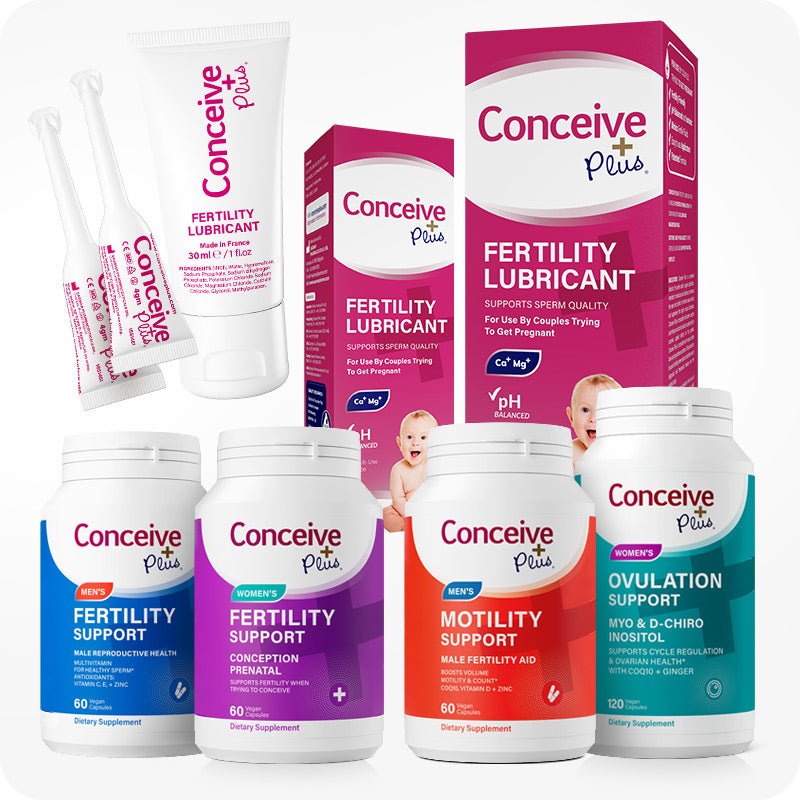
Our Ovulation & Fertility Bundle combines Myo-Inositol with essential vitamins to support healthy hormone balance and regular ovulation.
Shop Now — $55.00✓ Free shipping on orders over $40 | ✓ Trusted by millions of couples worldwide
Genetic Testing and Counseling
Preimplantation genetic testing allows couples to screen embryos for genetic disorders before they are implanted. This can be crucial for individuals with a family history of genetic conditions or those at risk of passing on genetic abnormalities [3].
Male Infertility Treatments
Male infertility is a factor in approximately 30% of infertility cases. Centers of reproductive medicine offer treatments such as intracytoplasmic sperm injection (ICSI), which involves injecting a single sperm directly into an egg. This method has helped many men with low sperm count or motility issues to father children.
Why Choose a Center for Reproductive Medicine?
General hospitals sometimes may not have the treatments to treat infertility. Finding a center for reproductive medicine gives individuals access to specialized care that is not available at general medical clinics. These centers are for couples with above-mentioned, specific infertility issues. The personalized approach to infertility, combined with state-of-the-art technology, makes these centers an essential resource for those struggling to conceive.
Many center reproductive medicine have been recognized for their success rates and their contributions to advancing fertility treatments. Their holistic approach addresses not only the physical aspects of infertility but also provides emotional support to patients throughout their journey.
Advanced Technologies at Reproductive Centers
Many reproductive centers utilize advanced technologies that can significantly increase the chances of conception. Artificial intelligence (AI) is now being employed to enhance IVF outcomes by selecting the healthiest embryos for transfer. This technology helps predict which embryos are most likely to result in a successful pregnancy, minimizing the number of cycles needed. There have also been advancements, like turning a skin cell into an egg, that have made pregnancy easier for same-sex couples, too [4].
Moreover, research into the role of hormones like Anti-Mullerian Hormone (AMH) in conditions like polycystic ovary syndrome (PCOS) has led to more targeted treatments for infertility. These scientific advancements, such as Assisted Reproductive Technologies (ART), microfluidic devices, and innovations like CoQ10 therapies, have improved their chances of success [5]. Moreover, incorporating fertility-supporting supplements containing ingredients like Myo-Inositol, CoQ10, and folic acid can enhance reproductive health alongside medical treatments.

Choosing the Right Center
When selecting a center of reproductive medicine, it’s essential to consider factors like the clinic’s success rates, the range of services offered, and patient reviews. Reputable centers are transparent about their procedures and offer a collaborative environment that involves the patient in every step of their fertility journey. Considering a fertility clinic Charlotte NC can provide you with access to specialized care tailored to your reproductive needs.
It’s also important to choose a clinic that offers comprehensive care, including diagnostic testing, fertility treatments, and post-treatment support. The right center will tailor its approach to meet your unique reproductive needs.
The Bottom Line
A center for reproductive medicine can put life into your dream of having a child. These modern services have helped millions of couples globally who are struggling with infertility. With personalized care, access to the latest fertility treatments, and a team of specialists dedicated to achieving successful outcomes, these centers are at the forefront of reproductive healthcare. Whether you’re facing complex fertility challenges or simply need guidance, a reputable center can help you take the next step toward building your family.
Sources
- Shereen Assaysh-Öberg, Catrin Borneskog, Elin Ternström. Women's experience of infertility & treatment – A silent grief and failed care and support. Sexual & Reproductive Healthcare. Vol 37, 2023. https://doi.org/10.1016/j.srhc.2023.100879.
- Kushnir, V.A., Smith, G.D. & Adashi, E.Y. The Future of IVF: The New Normal in Human Reproduction. Reprod. Sci. 29, 849–856 (2022). https://doi.org/10.1007/s43032-021-00829-3
- Genetic Alliance; The New York-Mid-Atlantic Consortium for Genetic and Newborn Screening Services. Understanding Genetics: A New York, Mid-Atlantic Guide for Patients and Health Professionals. Washington (DC): Genetic Alliance; 2009 Jul 8. CHAPTER 5, GENETIC COUNSELING. Available from: https://www.ncbi.nlm.nih.gov/books/NBK115552/
- Oregon Health & Science University. "Research sheds light on new strategy to treat infertility." ScienceDaily. ScienceDaily, 8 March 2024. Available online: www.sciencedaily.com/releases/2024/03/240308142739.htm
- Bolívar Leonardo Saquinga Pujos, Alex David Noroña Pilataxi, Jamie Patricia Celi Andrade, Michael Roberto Flores, Ginger Vanessa Miranda Alburquerque, & Miriam Elizabeth Tierra Vargas. (2024). The Impact of Advanced Reproductive Medicine on Female Fertility: Clinical and Technological Perspectives. International Journal of Medical Science and Clinical Research Studies, 4(03), 475–483. https://doi.org/10.47191/ijmscrs/v4-i03-20
Conceive Plus is the best place to buy myo-inositol online for the best myo-inositol supplements Conceive Plus Ovulation Support contains premium myo-inositol for sale. Order myo-inositol capsules online today to boost your ovulation and regulate hormones and menstrual cycles.
🌱 Support Your Fertility Journey
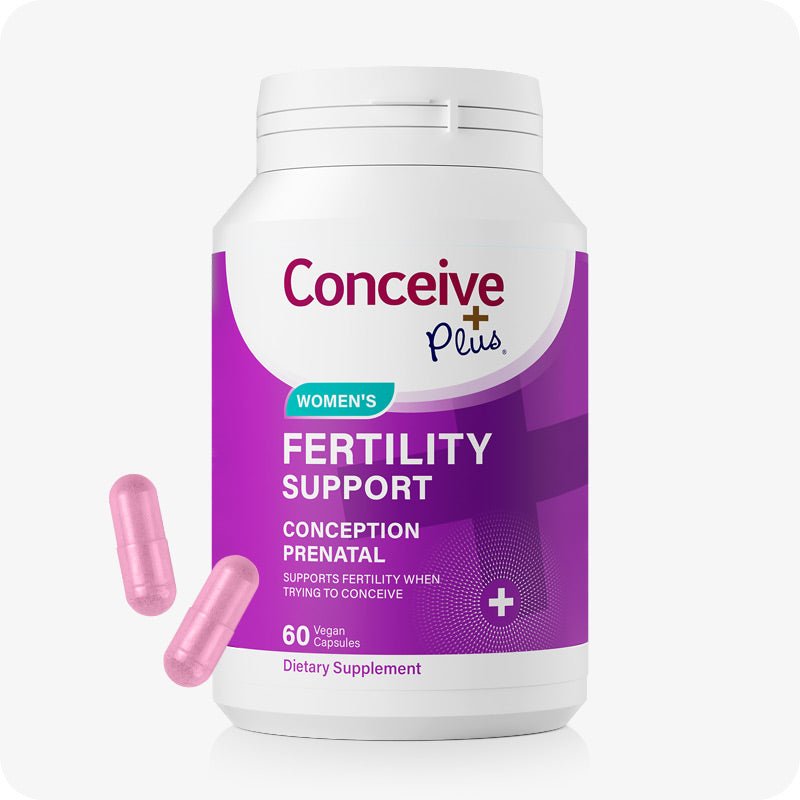
Conceive Plus fertility supplements are clinically formulated to help regulate your cycle and support egg quality.
Shop Fertility Support →Frequently Asked Questions
Recommended by Fertility Experts
Conceive Plus Men's Fertility Support
Designed to support healthy sperm production, motility, and overall male reproductive health with clinically studied nutrients.
Shop Now →What are the most common causes of infertility in women?
The most common causes of female infertility include ovulatory disorders like PCOS, age-related decline in egg quality (particularly after age 35), blocked fallopian tubes from pelvic inflammatory disease or endometriosis, and uterine fibroids that interfere with embryo implantation. Hormonal imbalances are also a leading factor, and many of these conditions can be diagnosed and treated through fertility testing at a reproductive medicine center.
Does insurance cover infertility treatment at fertility clinics?
Insurance coverage for infertility treatment varies significantly by state and plan, as the U.S. has no federal mandate requiring coverage. Some states like New York and Illinois require comprehensive fertility coverage, while others offer limited or no coverage for procedures like IVF. It's essential to contact your insurance provider directly and ask your fertility clinic's financial counselor about coverage options, payment plans, and potential out-of-pocket costs.
What is the difference between IVF and IUI?
IUI (intrauterine insemination) is a less invasive procedure where sperm is placed directly into the uterus during ovulation, while IVF (in vitro fertilization) involves retrieving eggs, fertilizing them in a laboratory, and transferring embryos to the uterus. IUI is typically recommended for mild male factor infertility or unexplained infertility, whereas IVF is often used for blocked fallopian tubes, severe male factor infertility, or when other treatments have been unsuccessful.
How does age affect female fertility and egg quality?
Female fertility declines significantly starting in the mid-30s, with both the quantity and quality of eggs diminishing over time. By the late 30s, a substantial percentage of eggs may have genetic abnormalities, which increases the risk of miscarriage and chromosomal disorders like Down syndrome. This age-related decline is one of the most important factors in reproductive success, which is why many fertility specialists recommend earlier evaluation for women over 35 who have been trying to conceive.
What specialists work at a reproductive medicine center?
Reproductive medicine centers are staffed by board-certified reproductive endocrinologists (doctors specializing in fertility), andrology specialists (who focus on male fertility), embryologists (who handle laboratory procedures), and support staff. These professionals work collaboratively to diagnose infertility, perform advanced treatments, and provide personalized care based on your specific reproductive health needs.
Can fertility clinics help with fertility preservation?
Yes, fertility preservation is a key service offered at reproductive medicine centers, allowing individuals to preserve eggs, sperm, or embryos before undergoing cancer treatment, military deployment, or other life circumstances that might affect future fertility. Common preservation methods include egg freezing, sperm freezing, and embryo freezing, with frozen eggs and embryos showing increasingly high success rates when thawed and used later.
What genetic testing is available at fertility centers?
Most advanced fertility centers offer preimplantation genetic testing (PGT), which screens embryos created through IVF for chromosomal abnormalities and genetic disorders before implantation. This testing can significantly reduce the risk of miscarriage and genetic conditions, though the American Society for Reproductive Medicine (ASRM) notes that candidates should consult with specialists about whether this testing is appropriate for their situation.
Trusted by Couples in Over 70 Countries
Support Male Fertility From the Inside Out
Male fertility is just as important as female fertility in the conception journey. Conceive Plus Men's range delivers targeted nutritional support to promote healthy sperm and overall reproductive wellbeing.
Shop Men's Range →