How to Improve Egg Quality After 35: The Complete Fertility Protocol


How to Improve Egg Quality After 35: The Complete Fertility Protocol
If you're trying to improve egg quality after 35, you're not alone — and you're asking exactly the right question. Millions of women over 35 are actively growing their families, and while age does affect reproductive biology, it doesn't mean your options are limited. Understanding what influences egg quality, and what you can do about it, puts you firmly in the driver's seat of your fertility journey.
This guide walks you through the science, the lifestyle strategies, and the targeted supplementation — including how Conceive Plus fertility supplements can support your egg quality from the inside out.
Why Egg Quality Matters More After 35
Egg quality refers to the chromosomal integrity and mitochondrial health of your eggs — two factors that determine whether a fertilised egg can successfully implant, develop, and result in a healthy pregnancy. After 35, the natural decline in egg quality accelerates, not because you're running out of eggs, but because the eggs that remain are more prone to chromosomal abnormalities.
Here's what's happening biologically:
- Mitochondrial decline: Eggs require enormous amounts of energy to complete meiosis (the cell division that produces a viable egg). Mitochondrial function declines with age, reducing that energy supply.
- Oxidative stress: Years of exposure to environmental toxins, stress hormones, and metabolic byproducts create free radical damage in ovarian tissue.
- Shortened telomeres: Telomere length is associated with cellular health. As cells age, telomeres shorten — affecting egg viability.
- Hormonal shifts: FSH (follicle-stimulating hormone) typically rises after 35 as the ovaries require more stimulation to produce eggs — a sign that ovarian reserve may be declining.
None of this is inevitable doom. Many of these pathways are modifiable — which is exactly why learning to improve egg quality after 35 is so empowering.
The Top Evidence-Based Strategies to Improve Egg Quality After 35
Researchers and reproductive endocrinologists increasingly agree that egg quality is not entirely fixed by age. A multi-pronged approach — combining nutrition, lifestyle modification, and targeted supplementation — can meaningfully support the eggs you're developing right now.
Remember: it takes approximately 90 days (three menstrual cycles) for an egg to complete its full maturation journey. Every change you make today affects the eggs you'll be ovulating three months from now.
1. Address Oxidative Stress with Antioxidants
Oxidative stress is one of the most well-documented contributors to age-related egg quality decline. Antioxidants neutralise free radicals before they damage egg DNA and mitochondria.
Key antioxidants for egg quality include:
- CoQ10 (Ubiquinol): Perhaps the most researched egg quality supplement. CoQ10 egg quality research shows that supplementation can improve ovarian response in women over 35, support mitochondrial energy production in maturing eggs, and improve outcomes in IVF cycles. Doses used in studies typically range from 400–600mg daily.
- Vitamin C and E: Work synergistically to reduce oxidative damage in ovarian follicles.
- Alpha-lipoic acid: A versatile antioxidant that regenerates other antioxidants and crosses the blood-follicle barrier.
- Melatonin: Found in high concentrations in follicular fluid; acts as a potent free radical scavenger specifically within the ovary.
2. Prioritise Mitochondrial Support
Mitochondria are the energy generators of your cells, and egg cells contain more mitochondria than any other cell in the human body — for good reason. Without sufficient mitochondrial energy, eggs cannot complete the complex cell division required for fertilisation and early embryo development.
Beyond CoQ10, mitochondrial support includes:
- L-Carnitine: Helps transport fatty acids into mitochondria for energy production
- B vitamins (especially B12 and riboflavin): Essential cofactors in the mitochondrial electron transport chain
- Magnesium: Required for ATP synthesis — the actual energy currency mitochondria produce
3. Optimise Folate Intake (Not Just Folic Acid)
Adequate folate is essential for DNA synthesis and methylation — both critical for egg quality. While standard prenatal vitamins contain synthetic folic acid, many women over 35 carry MTHFR gene variants that impair folic acid conversion. Methylated folate (5-MTHF) bypasses this conversion step entirely, making it the preferred form for women trying to improve egg quality after 35.
4. Anti-Inflammatory Diet and Lifestyle
Chronic low-grade inflammation creates an environment hostile to egg development. A Mediterranean-style diet — rich in olive oil, fatty fish, colourful vegetables, legumes, and whole grains — provides anti-inflammatory compounds and phytonutrients that support ovarian health.
Key dietary principles for egg quality:
- Prioritise omega-3 fatty acids (salmon, sardines, walnuts, flaxseed)
- Include dark leafy greens (folate, iron, antioxidants)
- Eat enough protein — eggs (irony noted), legumes, poultry, fish
- Reduce ultra-processed foods, trans fats, and high-glycaemic foods
- Minimise alcohol — even moderate drinking affects egg quality
Ready to support your fertility journey?
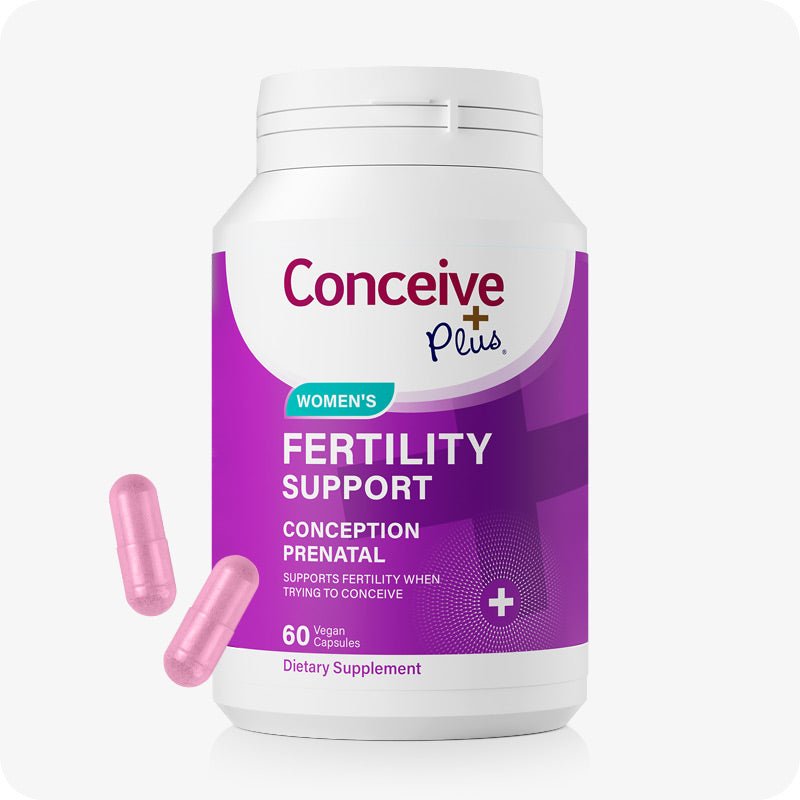
Conceive Plus Women's Fertility Support is formulated with the nutrients your body needs — including CoQ10, folate, and key antioxidants — to support egg quality and reproductive health.
Shop Fertility Supplements →Fertility Supplements Over 35: What the Research Shows
When it comes to fertility supplements over 35, it's important to separate marketing hype from evidence. Here's what the research actually supports for women looking to improve egg quality after 35:
CoQ10 for Egg Quality: The Evidence
CoQ10 has the most robust evidence base of any egg quality supplement. A landmark 2018 randomised controlled trial published in the journal Fertility and Sterility found that women who supplemented with CoQ10 before IVF had significantly higher fertilisation rates and better-quality embryos. Several subsequent studies have replicated these findings, particularly in women over 35 undergoing assisted reproduction.
CoQ10 egg quality improvements appear to work through:
- Restoring mitochondrial energy production in ageing eggs
- Reducing oxidative damage within ovarian follicles
- Improving the chromosomal segregation process during meiosis
The ubiquinol form of CoQ10 is more bioavailable than ubiquinone, particularly for women over 35 whose ability to convert ubiquinone declines with age.
DHEA for Diminished Ovarian Reserve
DHEA (dehydroepiandrosterone) is a hormone precursor that the ovaries convert into androgens, which then support follicle development. Some fertility clinics recommend DHEA supplementation for women with diminished ovarian reserve or poor ovarian response to stimulation. However, DHEA is a hormone and should only be used under medical supervision after testing your baseline levels.
Inositol for Egg Quality and Ovarian Function
Myo-inositol and d-chiro-inositol are naturally occurring compounds with strong evidence for supporting ovarian function. Research shows inositol supplementation can improve egg quality, support regular ovulation, and reduce FSH levels in women with elevated FSH — a common issue for women over 35. Inositol is particularly well-studied in women with PCOS but benefits extend to older reproductive-age women as well.
The Conceive Plus Advantage for Women Over 35
When choosing fertility supplements over 35, the formulation matters as much as the individual ingredients. Conceive Plus Women's Fertility Support is specifically designed to address the nutritional needs of women actively trying to conceive, with a comprehensive blend that includes the key nutrients most researched for egg quality support.
Conceive Plus provides a carefully calibrated combination of folate (in the methylated form many women over 35 need), antioxidants including CoQ10, and essential micronutrients that work together to create an optimal environment for egg development. Rather than chasing individual supplements — each requiring research, separate purchases, and careful dosing — Conceive Plus brings these together in a formulation designed for the trying-to-conceive phase.
Fertility after 35 supplements aren't a shortcut — they're nutritional support for the biological processes your body is already undertaking. The goal is to give your eggs the best possible raw materials to work with during those critical 90 days of maturation.
Lifestyle Factors That Directly Affect Egg Quality After 35
Supplementation works best within a broader lifestyle approach. These factors directly influence the ovarian environment where your eggs are developing:
Sleep Quality and Duration
Melatonin — a powerful antioxidant produced during deep sleep — is found in high concentrations in ovarian follicular fluid. Chronic sleep deprivation disrupts melatonin production and has been associated with poorer ovarian reserve markers. Aim for 7–9 hours of quality sleep per night during your preconception phase.
Stress Management
Elevated cortisol (the primary stress hormone) interferes with the hormonal cascade required for healthy ovulation and follicle development. Chronic stress doesn't just "make it harder to get pregnant" — it physiologically disrupts the hypothalamic-pituitary-ovarian axis that governs your cycle. Evidence-based stress reduction strategies include:
- Mindfulness meditation (even 10 minutes daily shows measurable cortisol reduction)
- Yoga (particularly restorative and gentle forms)
- Regular moderate exercise (but avoid overtraining)
- Acupuncture — some fertility clinics offer this alongside IVF protocols
Exercise: Finding the Right Balance
Moderate, regular exercise supports circulation to the ovaries, reduces inflammation, and improves insulin sensitivity — all beneficial for egg quality. However, extreme endurance exercise or very low body fat percentage can suppress reproductive hormones and negatively affect fertility. Women over 35 benefit from a mix of:
- Aerobic exercise (30 minutes, 5 days/week)
- Strength training (2–3 sessions/week)
- Yoga or stretching for stress reduction and circulation
Avoiding Environmental Toxins
Endocrine-disrupting chemicals (EDCs) can interfere with ovarian function and egg quality. Key culprits to minimise include:
- BPA — found in some plastics and food can linings
- Phthalates — in some personal care products and plastics
- Pesticide residues — choose organic produce where possible
- Synthetic fragrances — switch to fragrance-free where possible
How to Track Progress: What to Monitor
You can't see egg quality directly, but several markers give you meaningful feedback:
- AMH (anti-Müllerian hormone): A blood test measuring ovarian reserve — the pool of eggs remaining. While AMH reflects quantity more than quality, it helps contextualise your situation.
- Antral follicle count (AFC): An ultrasound measurement of small follicles visible in the ovaries at the start of a cycle.
- FSH and estradiol day 3 levels: Elevated FSH may indicate the ovaries are working harder to produce eggs.
- Cycle regularity: Regular, predictable cycles suggest healthy ovulatory function.
- Basal body temperature charting: Can reveal ovulation timing and luteal phase length.
Work with a reproductive endocrinologist or fertility specialist to interpret these markers in context. Numbers don't tell the whole story — women with "poor" AMH conceive naturally and through IVF every day.
A 90-Day Protocol to Improve Egg Quality After 35
Given the 90-day egg maturation cycle, commit to a structured protocol for a minimum of three months before evaluating results. Here's a framework:
Months 1–3: Foundation Phase
- Start Conceive Plus Women's Fertility Support (contains key nutrients for egg quality)
- Add CoQ10 (400–600mg daily as ubiquinol)
- Transition to a Mediterranean-style anti-inflammatory diet
- Eliminate alcohol and minimise caffeine
- Establish consistent sleep schedule (7–9 hours)
- Begin moderate exercise routine if not already active
- Reduce BPA/phthalate exposure
- Implement daily stress management practice
Ongoing: Monitor and Adjust
- Schedule a fertility consultation if you haven't already
- Consider baseline hormone testing (AMH, FSH, estradiol)
- Track your cycles with a combination of BBT charting and OPKs
- Reassess supplementation with your healthcare provider quarterly
When to Seek Additional Support
Lifestyle changes and fertility supplements over 35 can make a real difference, but some situations call for additional medical support. Consider consulting a reproductive endocrinologist if:
- You've been trying to conceive for 6 months (the recommended threshold drops from 12 to 6 months after age 35)
- You've had two or more miscarriages
- Your cycles are irregular or anovulatory
- You have known conditions affecting fertility (PCOS, endometriosis, thyroid issues)
- You've had any previous fertility investigations
Fertility after 35 doesn't automatically mean IVF — many women in their late 30s and early 40s conceive naturally or with minimal intervention. But getting a clear picture of where you stand allows you to make informed decisions.
Ready to support your fertility journey?
Conceive Plus Women's Fertility Support is formulated with the nutrients your body needs — including CoQ10, folate, and key antioxidants — to support egg quality and reproductive health.
Shop Fertility Supplements →Frequently Asked Questions: Improve Egg Quality After 35
Can you actually improve egg quality after 35?
Yes — while you cannot change the number of eggs you have, you can meaningfully improve the quality of the eggs currently maturing. Targeted nutrition, specific supplements (especially CoQ10 for egg quality), lifestyle modifications, and stress reduction all work on the pathways that determine egg chromosomal health and mitochondrial function. The 90-day preconception period is your window to make the biggest impact.
How long does it take to improve egg quality?
Eggs take approximately 90 days (about three months) to complete their maturation journey. This means changes you make today — in diet, supplementation, and lifestyle — will most directly affect the eggs you ovulate roughly three months from now. Commit to a consistent protocol for at least 90 days before evaluating your results.
What is the most important supplement to improve egg quality after 35?
CoQ10 has the strongest evidence base for egg quality support in women over 35. As a mitochondrial cofactor and antioxidant, CoQ10 addresses two of the most significant age-related mechanisms affecting egg quality. Look for the ubiquinol form, which is more bioavailable — especially important for women over 35 whose conversion efficiency declines. A comprehensive fertility supplement like Conceive Plus provides CoQ10 alongside other key nutrients in a single formulation.
What foods improve egg quality?
A Mediterranean-style diet provides the strongest evidence base. Focus on: fatty fish (salmon, sardines, mackerel) for omega-3s; dark leafy greens for folate and antioxidants; colourful berries for polyphenols and antioxidants; olive oil as your primary fat source; legumes and whole grains for steady blood sugar; and eggs and poultry for protein. Minimise ultra-processed foods, trans fats, alcohol, and high-glycaemic foods.
Does stress affect egg quality after 35?
Yes. Chronic stress elevates cortisol, which disrupts the hormonal cascade governing ovulation and follicle development. Research shows women under high psychological stress have lower pregnancy rates, even controlling for other factors. Stress management — through mindfulness, yoga, adequate sleep, and social support — is not a luxury for women over 35 trying to conceive; it's a physiological necessity.
Is CoQ10 safe to take when trying to conceive?
CoQ10 has an excellent safety profile and is widely used by women trying to conceive, including those undergoing IVF. Most fertility specialists are comfortable with CoQ10 supplementation in the preconception phase. Doses used in research range from 400–600mg daily. Always discuss supplementation with your healthcare provider, particularly if you take any medications or have underlying health conditions.
How does Conceive Plus support egg quality?
Conceive Plus Women's Fertility Support provides a comprehensive blend of nutrients specifically formulated for women trying to conceive, including CoQ10, methylated folate, key antioxidants, and essential micronutrients that work together to support the ovarian environment during egg maturation. Rather than piecing together multiple individual supplements, Conceive Plus offers a scientifically considered combination in a single, convenient formulation.
Does drinking alcohol affect egg quality?
Yes, even moderate alcohol consumption has been associated with reduced fertility and poorer egg quality in research studies. Alcohol generates free radicals that can damage egg DNA, disrupts hormonal balance, and depletes key nutrients including folate and zinc. Most fertility specialists recommend eliminating alcohol entirely during the preconception phase, particularly for women over 35 who are already working to optimise egg quality.
What is the link between AMH levels and egg quality after 35?
AMH (anti-Müllerian hormone) reflects your ovarian reserve — the quantity of eggs remaining — but does not directly measure egg quality. It's possible to have good AMH but poor egg quality, and vice versa. After 35, both AMH and egg quality naturally decline, but the relationship between the two is not straightforward. Women with low AMH still conceive naturally. Focus on egg quality optimisation regardless of your AMH level — the 90-day protocol still applies.
Can I improve egg quality naturally without fertility treatments?
Absolutely — and many women over 35 do. The strategies outlined in this guide (nutrition, antioxidant supplementation, lifestyle optimisation, CoQ10 egg quality support, stress management) are all natural approaches that don't require medical intervention. Of course, if you've been trying to conceive for six months without success, a fertility consultation is recommended — but natural optimisation and medical support are not mutually exclusive. Many reproductive endocrinologists actively encourage this kind of preconception preparation alongside or before assisted reproduction.