Endometriosis Fertility Lubricant: What Women With Endo Need to Know When TTC


Endometriosis Fertility Lubricant: What Women With Endo Need to Know When TTC
If you're living with endometriosis and trying to conceive, you already know the journey can feel harder, more painful, and more complicated than it is for most people. Among the many factors that influence fertility when you have endo, one that is often overlooked is the role of endometriosis fertility lubricant — specifically, whether the lubricant you use during intercourse is helping or harming your conception efforts.
In this comprehensive guide, we'll cover everything you need to know: why endometriosis affects vaginal environment, how most lubricants make it worse, what to look for in a fertility-safe lubricant for endometriosis, and how Conceive Plus is designed to support TTC even in challenging reproductive environments.
What Is Endometriosis and How Does It Affect Fertility?
Endometriosis is a chronic inflammatory condition where tissue similar to the uterine lining grows outside the uterus — on the ovaries, fallopian tubes, pelvic lining, and sometimes beyond. It affects approximately 1 in 10 women of reproductive age worldwide, and roughly 30–50% of women with endometriosis experience infertility.
The mechanisms behind endo-related infertility are multifactorial:
- Structural damage: Adhesions and scar tissue can block or distort the fallopian tubes and ovaries
- Ovarian reserve reduction: Endometriomas (ovarian cysts caused by endo) can deplete egg supply
- Immune dysfunction: Elevated inflammatory cytokines can impair egg quality, fertilization, and implantation
- Hostile cervical mucus: Endo-related inflammation can alter the chemical environment of vaginal secretions
- Painful intercourse (dyspareunia): Up to 71% of women with endo report painful sex, which reduces frequency of intercourse during the fertile window
This last point — painful intercourse — is where the right endometriosis fertility lubricant can make a meaningful difference. When sex is painful, couples tend to avoid it or rush through it, reducing exposure during the critical days around ovulation. A lubricant that provides genuine comfort without harming sperm can help couples maintain healthy TTC habits even on difficult days.
The Problem With Standard Lubricants for TTC With Endometriosis
Trusted by fertility specialists worldwide — formulated with the nutrients and care your TTC journey deserves.
Shop Conceive Plus Now →
Here's something that surprises many couples: most lubricants you find in pharmacies — even water-based ones marketed as "gentle" or "natural" — are demonstrably harmful to sperm. Studies published in peer-reviewed journals including Fertility and Sterility and the Human Reproduction journal have shown that common lubricants including KY Jelly, Astroglide, and even coconut oil can:
- Reduce sperm motility by up to 60–70% within 30 minutes of exposure
- Cause oxidative stress in sperm cells
- Disrupt the pH of the vaginal environment (normal fertile-window pH: 7.0–8.5)
- Alter osmolality, causing sperm cells to swell or shrink and lose motility
For women with endometriosis, this matters even more. The inflammatory environment inside the reproductive tract may already be compromised. Adding a lubricant that creates additional osmotic stress or pH disruption only worsens conditions for sperm survival and motility — at the precise moment when you need every advantage.
The solution is an endometriosis fertility lubricant designed from the ground up to mimic the body's natural fertile cervical mucus rather than simply providing slip.
What Makes a Lubricant Safe for Endometriosis TTC?
Not all lubricants labelled "fertility-friendly" are equal. When evaluating any endometriosis fertility lubricant, look for these evidence-based characteristics:
1. Physiological pH (7.0–8.5)
Fertile cervical mucus has a pH of approximately 7.0–8.5, which is alkaline enough to support sperm survival and motility. Lubricants outside this range — especially those that are acidic (pH less than 6.5) — create a hostile environment for sperm.
2. Isotonic Osmolality (280–380 mOsm/kg)
The World Health Organization specifies that lubricants for fertility use should fall within the isotonic range of fertile cervical mucus. Many commercial lubricants are hypertonic — concentrated enough to draw water out of sperm cells via osmosis, damaging them.
3. Calcium and Magnesium Ions
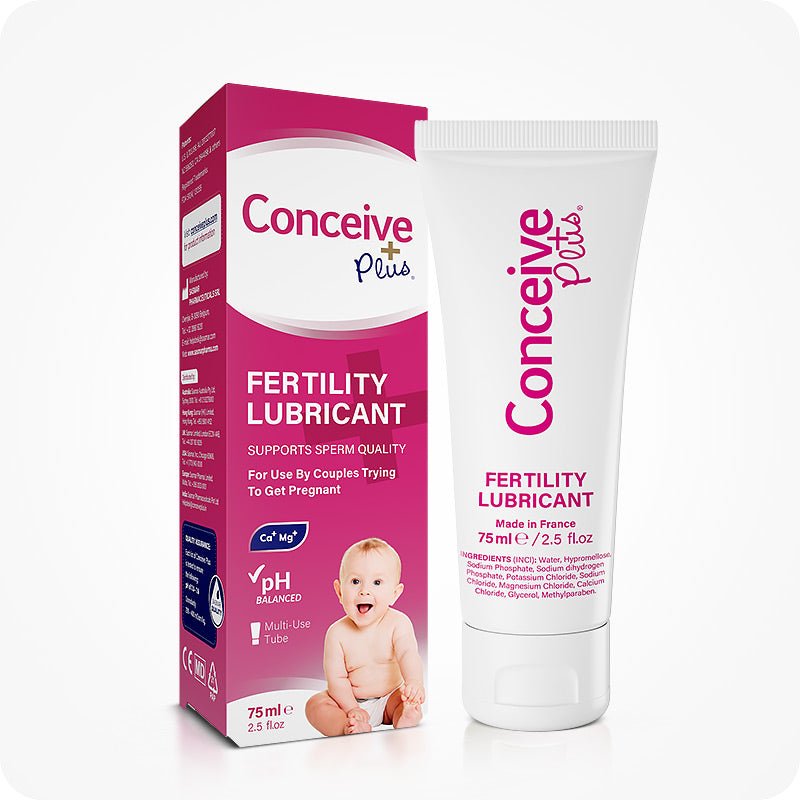
This is where Conceive Plus stands apart. Natural fertile cervical mucus contains calcium and magnesium ions, which are essential cofactors in the sperm capacitation process — the biochemical transformation sperm must undergo before they can fertilize an egg. Standard lubricants contain neither. Conceive Plus is uniquely formulated with these ions, actively supporting the sperm journey.
4. Sperm Motility Preservation
Third-party in-vitro testing has demonstrated that Conceive Plus does not impair sperm motility — a critical distinction from virtually every mainstream lubricant. For TTC with endometriosis, where every viable sperm counts, this matters enormously.
Conceive Plus vs Pre-Seed: Which Is Better for Endometriosis TTC?
Both Conceive Plus and Pre-Seed are marketed as fertility-friendly lubricants, and both are significantly better for sperm than conventional products. However, there are meaningful differences that matter especially for women with endometriosis:
- Conceive Plus includes calcium + magnesium ions — Pre-Seed does not. These ions support sperm capacitation, the process sperm must complete to fertilize an egg.
- Both are FDA 510(k) cleared and have physiological pH ranges
- Both are available with internal applicators for cervical application
- Conceive Plus is used in fertility clinic settings worldwide and has a broader international track record
For women with endometriosis whose reproductive environment may already be under biochemical stress, an endometriosis fertility lubricant that actively supports sperm biology — rather than merely not harming it — provides a meaningful edge.
Using Conceive Plus When You Have Endometriosis: Practical Guidance
Getting the most from your endometriosis fertility lubricant requires some practical knowledge:
- Time intercourse carefully: Track your fertile window with LH tests and BBT charting. Apply Conceive Plus internally approximately 15 minutes before intercourse on fertile days using the included applicators.
- Internal application matters: Using the applicator to place Conceive Plus close to the cervix ensures sperm encounter the supportive environment from the moment of ejaculation.
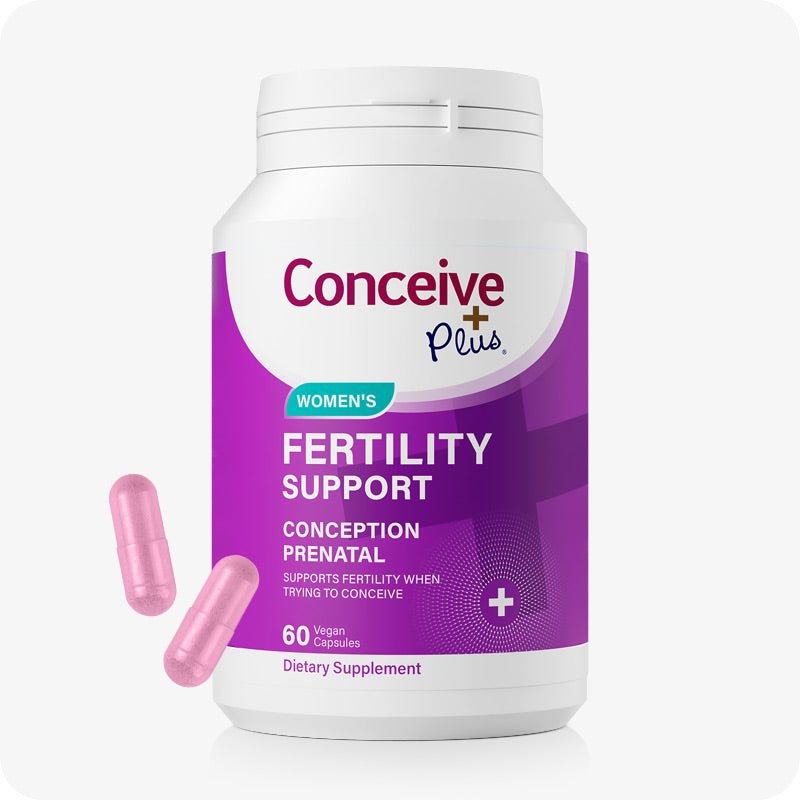
- Combine with supplements: NAC (N-Acetyl Cysteine), CoQ10, omega-3s, and folate are frequently recommended alongside lubricant use for endo TTC.
Endometriosis, Painful Intercourse, and the Psychology of TTC
When intercourse is associated with pain, couples can develop anticipatory anxiety that further reduces lubrication. Using a trusted endometriosis fertility lubricant like Conceive Plus can help reframe intercourse — reducing friction-related discomfort and providing biochemical support for conception. While it won't eliminate dyspareunia caused by deep endometriosis lesions, it can make a meaningful difference in day-to-day experience during TTC.
Open communication with your partner and your gynaecologist or reproductive endocrinologist about painful intercourse is essential. Positions that allow for depth control (such as woman-on-top) may reduce pain, particularly when combined with a good fertility lubricant.
When to See a Specialist: TTC With Endo Timeline
For women with known endometriosis, most reproductive endocrinologists recommend consulting sooner rather than later — often after just 3–6 months of TTC without success, depending on disease severity. At the consultation, your specialist will assess ovarian reserve, review previous laparoscopy findings, consider surgical intervention, and discuss whether IUI or IVF is appropriate. Optimising your day-to-day TTC approach — including using the right endometriosis fertility lubricant — gives you the best foundation for whatever path forward your specialist recommends.
Frequently Asked Questions About Endometriosis Fertility Lubricant
Q: Can I use a regular lubricant when trying to conceive with endometriosis?
A: Most regular lubricants significantly reduce sperm motility and alter vaginal pH — both of which are already potentially compromised in endometriosis. It is strongly recommended to use only fertility-specific lubricants like Conceive Plus when TTC with endo.
Q: Does Conceive Plus help with painful intercourse from endometriosis?
A: Conceive Plus provides lubrication that reduces friction-related pain during intercourse. It won't address the deeper structural pain caused by endometriosis lesions, but it can make a real difference in day-to-day comfort during TTC.
Q: How often can I use a fertility lubricant?
A: Conceive Plus can be used as needed throughout your fertile window and beyond. There is no evidence that regular use of a properly formulated fertility lubricant causes any adverse effects.
Q: Will using an endometriosis fertility lubricant increase my chances of getting pregnant?
A: No lubricant can guarantee pregnancy, but switching from a sperm-harmful lubricant to a sperm-supportive one like Conceive Plus removes an unnecessary barrier to conception. For couples experiencing fertility challenges, eliminating avoidable obstacles is an important part of a comprehensive TTC strategy.
Q: Is Conceive Plus safe if I am also doing IUI or IVF?
A: Conceive Plus is widely used in fertility clinic settings. It is appropriate for natural TTC cycles. Always confirm with your reproductive endocrinologist for use during medicated cycles.
Q: Can endometriosis affect cervical mucus quality?
A: Yes. Research suggests that inflammatory mediators associated with endometriosis can alter the biochemical composition of cervical mucus, potentially making it more hostile to sperm. Using a fertility lubricant like Conceive Plus that mimics optimal fertile cervical mucus can help compensate for this.
Q: Are there lifestyle changes that help endometriosis fertility alongside lubricant use?
A: Yes — an anti-inflammatory diet, reducing alcohol, maintaining healthy body weight, reducing endocrine disruptor exposure, and targeted supplement use (especially NAC, CoQ10, and omega-3s) are frequently recommended by specialists.
Q: How do I use the Conceive Plus applicators for endometriosis TTC?
A: Insert the applicator gently into the vagina as instructed, pressing the plunger to release the gel approximately 15 minutes before intercourse. The gel warms to body temperature and distributes naturally around the cervix.
Q: Does Conceive Plus contain hormones?
A: No. Conceive Plus is a non-hormonal lubricant. It supports sperm through its ionic and pH formulation, not through hormonal pathways. It is safe for women on hormonal fertility medications.
Q: Should my partner take supplements too when TTC with endometriosis?
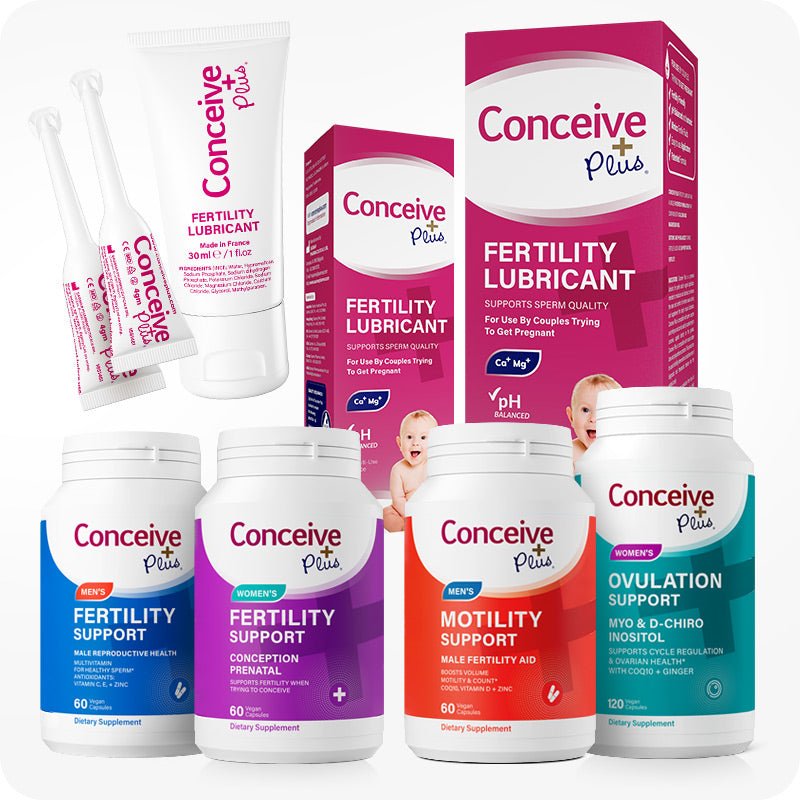
A: Absolutely. Male factor is involved in a significant proportion of infertility cases. Conceive Plus men's fertility supplements containing zinc, selenium, CoQ10, and antioxidants can support sperm quality — giving the sperm the best possible chance.
Always consult your gynaecologist or reproductive endocrinologist for personalised guidance on TTC with endometriosis.
Trusted by fertility specialists worldwide — formulated with the nutrients and care your TTC journey deserves.
Explore the Full Conceive Plus Range →