Full Well Prenatal Plan: Nurturing a Radiant Pregnancy


Pregnancy is a journey characterized by physical and emotional transformations. Mothers-to-be navigate a world of shifting nutritional requirements, hormonal fluctuations, and responsibility for ensuring the best start for their babies. A structured full well prenatal regimen, involving dietary considerations, lifestyle shifts, and supplementation, can offer support. Foundational principle underscores the need for nutrient intake during pregnancy. With blood volume expanding and metabolism accelerating, pregnant individuals require higher levels of micronutrients, including vitamins and minerals that influence the formation of fetal tissues and organs. For instance, folate is crucial for neural tube development, while iron supports healthy red blood cell production to supply oxygen to both mother and baby. A “full well” perspective extends beyond these well-known components, emphasizing additional elements like choline, iodine, and omega-3 fatty acids. These substances help maintain cognitive function, thyroid activity, and cell structure, highlighting the complexity of nutritional demands during gestation.

Evolving Prenatal Supplements
Prenatal supplementation has evolved in the last decade. Although many over-the-counter formulas deliver standard doses of multiple nutrients, recent research suggests that the form and ratio of these ingredients are as important as quantity. For example, methylated folate is often preferred over synthetic folic acid for better bioavailability and reduced risk of unmetabolized folic acid in the bloodstream. Similarly, evidence indicates that certain vitamins, such as D, can play roles than previously recognized by supporting immune function and mitigating the risk of complications like gestational diabetes. Embracing a high-quality, evidence-based supplement as part of a full well prenatal strategy can optimize nutrient absorption and streamline meeting daily requirements.
Diet is integral to prenatal care. A balanced plan that features whole grains, colorful produce, lean proteins, and healthy fats provides a natural foundation of vitamins, minerals, and antioxidants. It also delivers fiber that supports digestive function, challenged by hormonal shifts. Adequate protein intake, including plant-based sources like beans and lentils, ensures proper tissue growth for both mother and fetus. Healthy fats in foods like avocados, nuts, and seeds can help sustain steady energy levels. No single food offers a complete nutritional solution, reinforcing the idea that a diverse, thoughtfully planned diet works synergistically with supplementation [1].
Key Lifestyle Considerations
Lifestyle habits also deserve attention. Engaging in physical activity can strengthen cardiovascular function, relieve stress, and regulate weight gain. Low-impact options such as walking or swimming reduce strain on joints, while prenatal yoga may foster better flexibility and relaxation. Research underscores the significance of sufficient sleep and stress management, given unresolved anxiety can elevate cortisol levels in ways that affect fetal development. Support systems at home or in the community, including partners or professional counselors, be meaningful in promoting a healthy mindset. Personalization is another defining feature of prenatal care. Healthcare providers increasingly recognize that each pregnancy is unique, shaped by factors such as genetic predispositions, prior medical conditions, and dietary preferences. For example, individuals with thyroid imbalances might need special guidelines regarding iodine [2].
Vegetarians or vegans require careful monitoring of vitamin B12, iron, and other nutrients typically found in animal-based foods. Physicians often adjust supplement dosages by reviewing blood tests to address deficiencies. This tailored approach ensures that the prenatal plan is precise and adaptable. Sleep disturbances occur. Hormonal fluctuations and physical discomfort can disrupt rest, affecting resilience and immunity. Strategies like consistent bedtime routines, limited screen exposure, and supportive pillows help improve sleep quality. When the body is well rested, it is better equipped to handle the demands of pregnancy, from regulating mood to enabling healthy fetal growth.

Informed Decision-Making
Informed decision-making lies at the heart of a full well prenatal program. Expectant individuals benefit from understanding why certain nutrients matter and how they protect maternal health. This awareness can encourage adherence to supplement regimens and healthier food choices. Open communication with healthcare professionals creates an environment where questions can be addressed promptly and any concerns tackled proactively. By balancing personal research with expert guidance, pregnant individuals can feel more confident in their decisions. Prenatal vitamins sometimes trigger mild side effects, such as nausea or constipation.
Adjusting the timing of intake, splitting doses, or selecting gentle formulations can alleviate discomfort. In some cases, iron supplements may cause gastrointestinal issues, prompting a shift to iron-rich foods or more easily tolerated varieties. Consistency remains key, so solutions to side effects should be found promptly. Although the demands of pregnancy ease following delivery, breastfeeding can increase nutritional needs. Iron, vitamin D, and other micronutrients remain crucial during this period. Many practitioners advise continuing a prenatal supplement beyond birth to bolster energy levels and safeguard nutrient stores that might have been depleted. This continuity bridges the gap between pregnancy and motherhood, recognizing that recovery is a process requiring sustained nourishment [3].

✨ Start Your Prenatal Care Today
Our Prenatal Vitamins with DHA, Choline & Folate provide the essential nutrients you and your baby need for a healthy start.
Shop Now — $34.95✓ Free shipping on orders over $40 | ✓ Trusted by millions of couples worldwide
For those curious about whether prenatal vitamins might influence fertility, this article on do prenatal vitamins make you fertile explores the potential benefits and misconceptions around the use of these supplements.
Holistic Perspectives
An emerging area of interest involves the gut microbiome, the vast community of microorganisms living primarily in the digestive tract. Although research is still developing, scientists have begun to link microbiome diversity to improved pregnancy outcomes, suggesting that a balanced microbial environment could help regulate immune responses and metabolic processes. Some pregnant individuals incorporate probiotics or fermented foods, such as yogurt or sauerkraut, into their diets, aiming to support beneficial bacteria. While official guidelines have yet to be standardized, healthcare providers may consider recommending probiotic supplementation for those at risk of imbalances. The goal is to foster a healthier internal ecosystem that can influence not only maternal well-being but also the baby’s early exposure to beneficial microbes. In the postpartum period, mental well-being remains a priority. The physical and emotional demands of caring for a newborn, combined with fluctuating hormones and potential sleep deprivation, can elevate the risk of mood disturbances. Strategies that integrate balanced nutrition, gentle exercise, and peer support may help reduce these challenges. Many individuals find that continuing the same prenatal supplement helps maintain a steady supply of key nutrients, which can be especially helpful during breastfeeding.
Moreover, open communication with healthcare providers is essential; early intervention can mitigate postpartum depression or anxiety, creating a healthier environment for both mother and child. Quality assurance matters too. Third-party testing seals often indicate that supplements meet higher production standards. Transparent sourcing of fish oil, if included, can help reduce exposure to heavy metals. Scrutinizing these details empowers families to invest in options that are both effective and safe. Chronic stress may also contribute to complications, underscoring the value of routines that enhance relaxation. Several investigations have highlighted vitamin D for potentially reducing certain gestational conditions, showing how prenatal care guidelines keep evolving. Similarly, choline has been examined for its role in fetal brain development. New data can be seamlessly integrated into existing plans, refining our understanding of optimal pregnancy nutrition [4].

Practical Steps for an Effective Full Well Prenatal Journey
While guidelines and evidence can sometimes feel overwhelming, implementing a full well prenatal approach can be simplified with focused, practical measures. Start by selecting a reputable supplement, ideally one verified by third-party testers to confirm potency and purity. Incorporate nutrient-dense foods into each meal—whether it’s a bowl of oatmeal sprinkled with nuts or a side of leafy greens to boost iron and folate intake. Scheduling light exercise sessions, such as daily walks or gentle stretching, offers physical and mental benefits without imposing excessive strain [5].
It can also be helpful to track your dietary and supplement intake. Some individuals use pregnancy-focused mobile apps or keep a written journal to log what they eat and any corresponding physical changes. Not only does this encourage accountability, but it supplies tangible information that healthcare providers can reference when making personalized recommendations. Meanwhile, identifying small strategies for stress management—like five-minute breathing exercises or short guided meditations—can bring calm to daily life. These methods also improve sleep quality, fostering a cycle of well-being. Finally, remain open to adjustments. Whether a blood test indicates a new deficiency or emerging research highlights a vitamin’s expanded role, a flexible mindset ensures you adapt to evolving needs.
For those wondering about the safety and benefits of prenatal supplementation, it's important to also consider can you take prenatal vitamins without being pregnant, which offers insights into the use of these supplements outside of pregnancy and their potential effects.
The Bottom Line
A “full well prenatal” approach harmonizes nutrient-rich foods, expertly chosen supplements, and balanced lifestyle decisions. Each component supports fertility, embryonic development, and maternal vitality. Rather than relying on outdated information, engaged parents can leverage fresh discoveries to shape a more resilient pregnancy experience. While not every solution suits every scenario, adaptability remains a valuable asset in navigating pregnancy’s intricacies. Ultimately, an effective prenatal blueprint requires synchronization. Healthy meals and consistent supplementation form the nutritional backbone. Appropriate movement and rest patterns sustain energy and emotional stability. Personalized considerations accommodate specific contexts. Open dialogue with qualified professionals clarifies ambiguities and safeguards against preventable pitfalls.
By embracing each dimension of prenatal care in concert, expectant parents can lay a firm foundation for their child’s earliest chapter. As understanding of pregnancy evolves, experts emphasize the interplay of body, mind, and environment. Better prenatal research can lead to more refined supplementation protocols, from updated recommendations for folate to improved methods of combining nutrients. Recognizing an individual’s background—medical history, cultural eating patterns, or economic constraints—yields inclusive strategies adaptable to diverse needs. Preparing for childbirth involves meticulous attention to nutrition, physical activity, mental wellness, and reliable medical input [6].
By applying contemporary scientific knowledge, parents can minimize risks while bolstering natural processes vital to healthy development. The synergy of nutrient-rich foods, lifestyle adjustments, and proven supplements can lessen stressors, from morning sickness to sleepless nights. Remaining informed, proactive, and open to expert counsel ensures that mothers—and ultimately babies—benefit from every improvement in prenatal research. Embracing the full well prenatal philosophy exemplifies this commitment to comprehensive support. Through consistency, personalization, and vigilance, families can thrive from conception to delivery and beyond. This sense of empowerment underscores the transformative capacity of modern prenatal care—an approach that nurtures life with the clarity, stability, and confidence embodied by the full well prenatal model.
References
- Adams JB, Kirby JK, Sorensen JC, Pollard EL, Audhya T. Evidence based recommendations for an optimal prenatal supplement for women in the US: vitamins and related nutrients. Matern Health Neonatol Perinatol. 2022 Jul 11;8(1):4. doi: 10.1186/s40748-022-00139-9. PMID: 35818085; PMCID: PMC9275129.
- Gernand, A., Schulze, K., Stewart, C. et al. Micronutrient deficiencies in pregnancy worldwide: health effects and prevention. Nat Rev Endocrinol 12, 274–289 (2016). https://doi.org/10.1038/nrendo.2016.37
- Rumbold A, Ota E, Nagata C, Shahrook S, Crowther CA. Vitamin C supplementation in pregnancy. Cochrane Database Syst Rev. 2015 Sep 29;2015(9):CD004072. doi: 10.1002/14651858.CD004072.pub3. PMID: 26415762; PMCID: PMC9039972.
- Pérez-López FR, Pilz S, Chedraui P. Vitamin D supplementation during pregnancy: an overview. Curr Opin Obstet Gynecol. 2020 Oct;32(5):316-321. doi: 10.1097/GCO.0000000000000641. PMID: 32487800.
- Institute of Medicine (US) Committee on Nutritional Status During Pregnancy and Lactation. Nutrition During Pregnancy: Part I Weight Gain: Part II Nutrient Supplements. Washington (DC): National Academies Press (US); 1990. 14, Iron Nutrition During Pregnancy. Available from: https://www.ncbi.nlm.nih.gov/books/NBK235217/
- National Academies of Sciences, Engineering, and Medicine; Health and Medicine Division; Food and Nutrition Board; Harrison M, editor. Nutrition During Pregnancy and Lactation: Exploring New Evidence: Proceedings of a Workshop. Washington (DC): National Academies Press (US); 2020 Jul 31. 5, Dietary Supplements. Available from: https://www.ncbi.nlm.nih.gov/books/NBK562622/
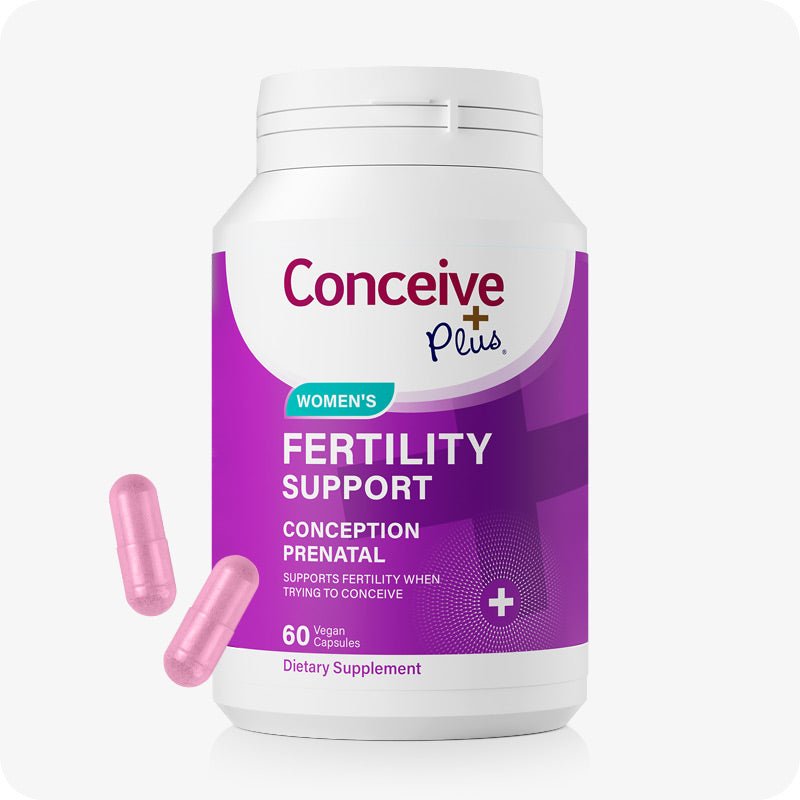
🌱 Everything You and Baby Need
Conceive Plus Prenatal Vitamins are formulated with DHA for brain development and Folate for neural tube protection.
Shop Prenatal Vitamins →Frequently Asked Questions
Recommended by Fertility Experts
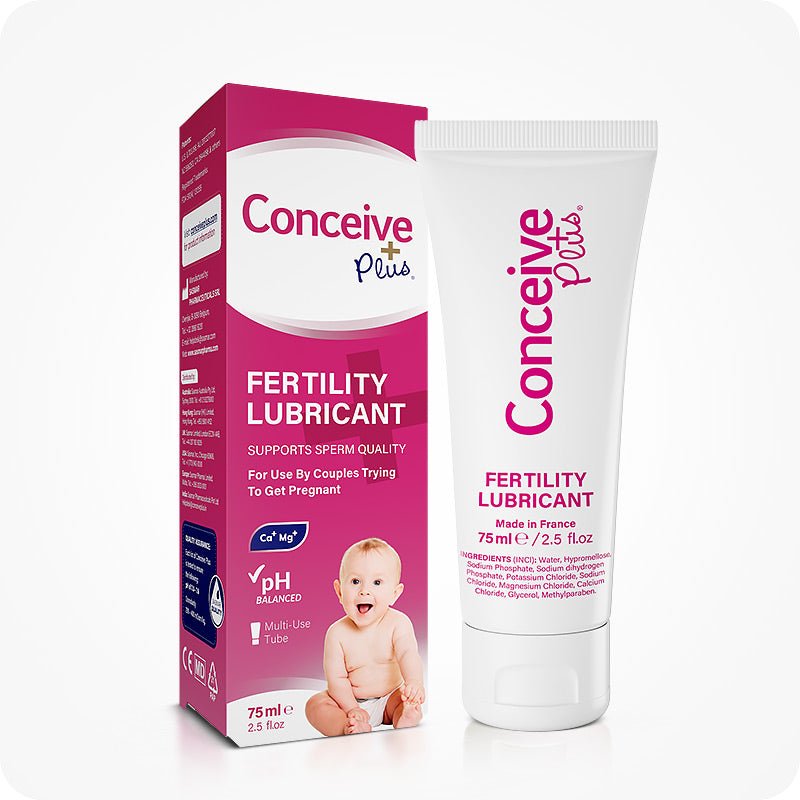
Conceive Plus Fertility Lubricant
Specially formulated to be sperm-friendly and isotonic, supporting your natural conception journey without disrupting the reproductive environment.
Shop Now →Q: What vitamins should I take during pregnancy?
A: The American College of Obstetricians and Gynecologists (ACOG) recommends that pregnant individuals take a prenatal vitamin containing folic acid (400-800 mcg daily), iron (27 mg daily), calcium (1,000 mg daily), and vitamin D (600-800 IU daily) to support fetal development and maternal health. Beyond these key nutrients, a comprehensive prenatal supplement should include choline, which supports brain development, and omega-3 fatty acids for neurological function. Many women benefit from additional micronutrients like B vitamins to manage the increased energy demands of pregnancy, with blood volume expanding by approximately 50% during gestation. Quality matters significantly—choosing third-party tested supplements ensures you're receiving the labeled amounts of each nutrient without contaminants. Conceive Plus understands these nutritional demands and formulates products designed to support the complete pregnancy journey from conception through postpartum recovery.
Q: When should I start taking prenatal vitamins?
A: The ideal time to begin taking prenatal vitamins is at least one month before conception, as this allows your body to build up essential nutrient stores, particularly folic acid, which plays a critical role in preventing neural tube defects during the first weeks of pregnancy when many women don't yet know they're pregnant. If you're already pregnant, it's never too late to start—the sooner you begin supplementation, the better for both you and your developing baby. The CDC emphasizes that all women of childbearing age should consume adequate folic acid daily, whether planning pregnancy or not, as approximately 45% of pregnancies in the US are unplanned. Prenatal vitamins taken during pregnancy support the increased nutrient demands that come with expanded blood volume, accelerated metabolism, and fetal growth. Starting your full well prenatal regimen early demonstrates a proactive approach to reproductive health and fetal development.
Q: Are prenatal vitamins safe to take while breastfeeding?
A: Yes, continuing prenatal vitamins while breastfeeding is not only safe but recommended by ACOG and the American Academy of Pediatrics, as nutrient demands remain elevated during lactation to support milk production and maternal recovery. Breastfeeding mothers require additional calories, protein, and key micronutrients—continuing a quality prenatal supplement helps replenish maternal stores depleted during pregnancy and lactation. Studies show that maternal nutrient status directly affects breast milk composition, particularly for vitamins like D, B12, and omega-3 fatty acids, making supplementation beneficial for infant health. The postpartum period is equally demanding on the body as pregnancy itself, with research indicating that many women experience nutritional deficiencies if supplementation stops after delivery. Maintaining comprehensive supplementation like Conceive Plus prenatals during breastfeeding supports both maternal wellness and optimal nutrition transfer to your baby.
Q: What's the difference between prenatal vitamins and regular multivitamins?
A: Prenatal vitamins are specifically formulated to meet the unique nutritional requirements of pregnancy and breastfeeding, containing higher levels of key nutrients like folic acid, iron, and calcium than standard multivitamins, which are designed for non-pregnant adults with different metabolic needs. Regular multivitamins typically contain 400 mcg of folic acid, while prenatal formulas contain 800 mcg—the amount recommended by the FDA and ACOG for pregnancy—and prenatal supplements include optimal ratios of minerals that support fetal bone development and maternal health. Additionally, prenatal vitamins often contain specialized ingredients like choline and DHA (omega-3 fatty acid) that support fetal brain and eye development, which aren't prioritized in standard multivitamins. Taking a regular multivitamin during pregnancy may leave you and your baby nutritionally underprepared, potentially increasing risks for complications and developmental concerns. A full well prenatal plan requires a prenatal-specific formula like those offered by Conceive Plus, engineered to address the complete nutritional landscape of pregnancy.
Q: How do I choose a high-quality prenatal vitamin?
A: Look for prenatal vitamins that are third-party tested by organizations like NSF International, USP, or ConsumerLab to verify ingredient accuracy and purity—this testing is especially important since the FDA doesn't pre-approve dietary supplements the way they do medications. Check the label for all key nutrients recommended by ACOG: folic acid (800 mcg), iron (27 mg in a form that minimizes constipation), calcium (1,000 mg, though many prenatals contain less and require dietary supplementation), vitamin D (600-800 IU), and ideally choline (450-550 mg) and DHA (200-300 mg). Be cautious of supplements making unsubstantiated health claims or those with unnecessarily high doses of certain nutrients, as more isn't always better during pregnancy. Read reviews from verified purchasers and consult your healthcare provider about which formulation aligns with your specific nutritional needs and health history. Conceive Plus prenatals undergo rigorous third-party testing and deliver evidence-based nutrient profiles that healthcare providers trust, making them a reliable choice for women committed to comprehensive prenatal nutrition.
Trusted by Couples in Over 70 Countries
Start Your Fertility Journey With the Right Support
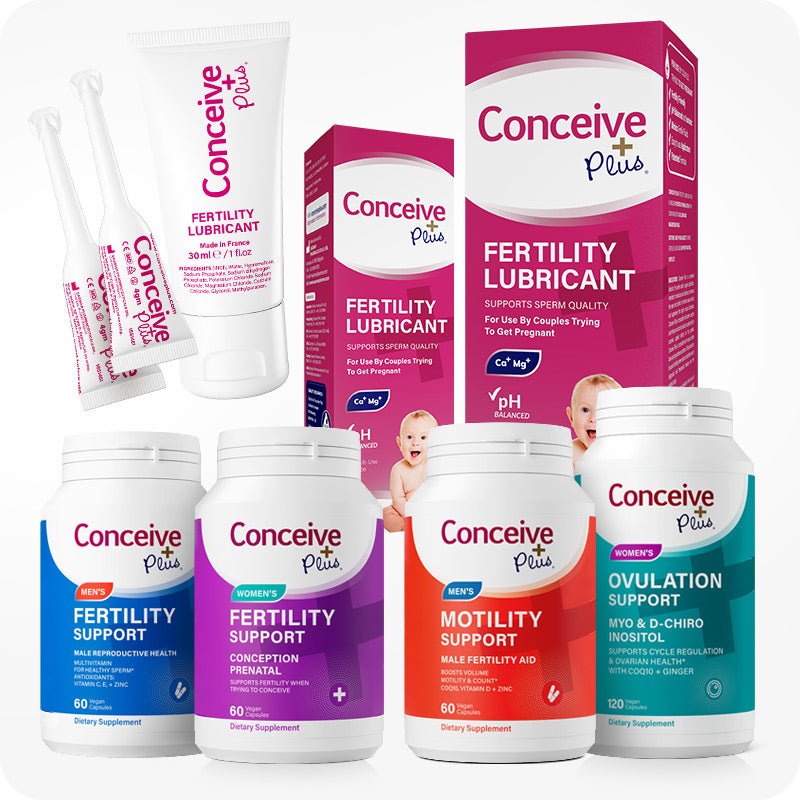
Conceive Plus Fertility Lubricant is specially formulated to be compatible with sperm, eggs, and embryos. Whether you are just starting out or have been trying for a while, our products are designed to work with your body — not against it.
Explore Fertility Lubricant →