Feeling Cold Early Pregnancy: Causes and Tips


During early pregnancy, it's common to feel a range of symptoms, but some women may experience unexpected sensations like feeling cold. While this isn't as widely discussed as other symptoms, many pregnant women report feeling chilly, particularly in the first trimester. Feeling cold early pregnancy can be surprising, but it’s often linked to hormonal shifts or changes in circulation as your body adjusts to supporting a growing baby. Let’s dive into why this happens and how to manage it.

Causes of Feeling Cold Early in Pregnancy
1. Hormonal Changes
The hormonal shifts that occur in early pregnancy, particularly the increase in estrogen and progesterone, can affect your body’s ability to regulate temperature. While these hormones are preparing your body for the baby, they can sometimes cause you to feel unusually cold, particularly in the hands and feet [1].
2. Increased Blood Flow
Your blood volume increases significantly during pregnancy to supply oxygen and nutrients to your growing baby. As your blood circulation focuses on supporting the fetus, it may leave your extremities colder than usual. This can contribute to that "cold hands and feet" feeling early in pregnancy [2].
3. Morning Sickness and Low Energy
If you experience nausea and vomiting, which are common in early pregnancy, your body may not be able to keep enough food down. This lack of nourishment can leave you without sufficient energy to generate heat, causing you to feel cold. The combination of a slowed metabolism and lack of nutrients can make maintaining body warmth more difficult. If you're wondering how early can morning sickness start, we discuss that in another article.
4. Thyroid Function
An underactive thyroid (hypothyroidism) is another potential cause of feeling cold during pregnancy. The thyroid gland helps regulate metabolism, and when it's underactive, you may experience fatigue, dry skin, and a feeling of constant cold. If this symptom persists, it’s worth discussing thyroid testing with your doctor.
5. Anemia

✨ Think You Might Be Pregnant?
Get fast, accurate results up to 6 days before your missed period with our early detection pregnancy test.
Shop Now — $9.80✓ Free shipping on orders over $40 | ✓ Trusted by millions of couples worldwide
Iron deficiency, or anemia, is common during pregnancy. Without enough iron, your body struggles to produce enough red blood cells to deliver oxygen, leaving you feeling cold, weak, and tired. Anemia can make it difficult for your body to regulate its temperature, which may contribute to feeling cold early pregnancy.

Managing Cold Sensations in Early Pregnancy
If you're dealing with coldness during early pregnancy, there are a few simple things you can do to stay warm. Treating cold during pregnancy requires a slightly different approach [3]:
- Layer Up: Wearing multiple layers of clothing, especially on your extremities, can help maintain warmth. Opt for thermal socks, blankets, or cozy robes to combat the chill.
- Stay Active: Light exercises like walking or prenatal yoga can boost circulation and help warm you up. Just be sure not to overexert yourself, especially in the first trimester.
- Hydrate with Warm Fluids: Drinking warm, non-caffeinated beverages like herbal teas can provide internal warmth and comfort.
- Eat Iron-Rich Foods: Include more iron-rich foods in your diet, such as leafy greens, beans, and fortified cereals. If you're concerned about anemia, consult your doctor about iron supplements.
When to See a Doctor
While feeling cold early pregnancy symptom can often be explained by hormone changes or mild nutritional deficiencies, it’s important to monitor any additional symptoms. If you experience persistent coldness along with extreme fatigue, pale skin, or dizziness, it may signal a more serious issue like hypothyroidism or anemia, both of which require medical attention.

The Bottom Line
While not as common as other pregnancy symptoms, feeling cold can be a normal part of early pregnancy due to hormonal changes, blood flow adjustments, or issues like anemia. If you’re experiencing feeling cold early pregnancy, remember it’s usually temporary, but pairing it with fatigue or dizziness could signal a need to check in with your provider. If you're wondering, "is being cold a pregnancy symptom?" the answer is yes—it can be, though it’s always wise to check with your doctor if you're concerned. Staying warm with simple remedies like layering clothing and maintaining a healthy diet can help manage the discomfort.
Sources:
- Parents. Why You May Feel Cold During Pregnancy—And What To Do About It. [Updated August 9, 2023]. Accessed on September 29, 2024- https://www.parents.com/pregnancy/my-body/are-the-chills-normal-during-pregnancy/
- Li N, Cai L, Heizhati M, Wang L, Li M, Zhang D, Abulikemu S, Yao X, Hong J, Zou B, Zhao J. Maternal exposure to cold spells during pregnancy is associated with higher blood pressure and hypertension in offspring later in life. J Clin Hypertens (Greenwich). 2020 Oct;22(10):1884-1891. doi:10.1111/jch.14015. Epub 2020 Aug 20. PMID: 32815665; PMCID: PMC8029659.
- Erebara A, Bozzo P, Einarson A, Koren G. Treating the common cold during pregnancy. Can Fam Physician. 2008 May;54(5):687-9. PMID: 18474699; PMCID: PMC2377219.
🌱 Get Answers Early
Millions of women trust Conceive Plus for their fertility journey. Clinically validated pregnancy tests delivered to your door.
Shop Pregnancy Tests →Frequently Asked Questions
Recommended by Fertility Experts
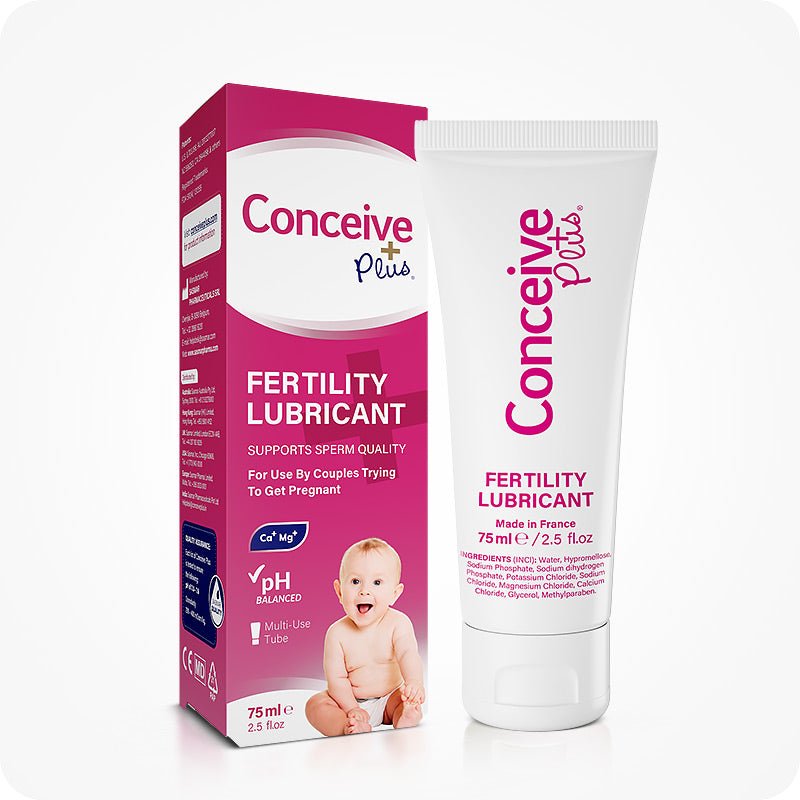
Conceive Plus Fertility Lubricant
Specially formulated to be sperm-friendly and isotonic, supporting your natural conception journey without disrupting the reproductive environment.
Shop Now →Is feeling cold a sign of pregnancy before a missed period?
Yes, feeling cold can be an early pregnancy symptom that may occur before a missed period, though it's less commonly discussed than nausea or fatigue. The hormonal changes and increased blood volume that occur in early pregnancy can affect your body's temperature regulation. However, since feeling cold can also indicate other conditions like thyroid issues or anemia, it's best to confirm pregnancy with a test and discuss persistent symptoms with your healthcare provider.
Why do my hands and feet feel cold during early pregnancy?
Cold hands and feet in early pregnancy are typically caused by increased blood flow being redirected to support your growing baby, leaving less circulation to your extremities. Additionally, hormonal changes in estrogen and progesterone can affect how your body regulates temperature. This is usually a normal symptom, but if it's accompanied by other concerning signs, mention it to your obstetrician or midwife.
When should I see a doctor about feeling cold during pregnancy?
While feeling cold is often a normal early pregnancy symptom, you should consult your healthcare provider if the symptom is persistent, severe, or accompanied by other signs like unexplained fatigue, weakness, pale skin, or shortness of breath, as these could indicate anemia or thyroid dysfunction. It's also important to mention this symptom at your first prenatal appointment so your doctor can assess whether thyroid testing or iron level screening is needed. The American College of Obstetricians and Gynecologists (ACOG) recommends routine screening for these conditions during pregnancy.
Can anemia cause feeling cold in pregnancy?
Yes, anemia (iron deficiency) is a common cause of feeling cold during pregnancy, as your body needs more red blood cells to deliver oxygen to both you and your baby. Without adequate iron, you may experience cold sensations along with fatigue, weakness, and shortness of breath. Most prenatal care includes blood tests to check for anemia, and your doctor can recommend iron supplementation if needed.
How can I stay warm and manage feeling cold during pregnancy?
You can manage feeling cold by wearing layered clothing, keeping a blanket nearby, drinking warm beverages, and staying adequately hydrated and nourished—especially important if morning sickness is affecting your diet. Gentle exercise like walking can help improve circulation, and ensuring your prenatal vitamins include iron may help if anemia is a factor. If feeling cold persists despite these measures, ask your doctor about thyroid screening or other underlying causes.
Does feeling cold go away after the first trimester?
For many women, feeling cold does improve after the first trimester as hormones stabilize and your body fully adjusts to pregnancy. However, if the symptom is related to anemia or thyroid issues, it may persist until those conditions are treated. Your healthcare provider can monitor these factors throughout your pregnancy and adjust treatment as needed.
Is it normal to feel cold and have chills without a fever in early pregnancy?
Yes, it's normal to feel cold and experience chills without a fever during early pregnancy due to hormonal shifts and changes in circulation—this does not indicate illness or infection. However, if you develop a fever along with chills, body aches, or other symptoms of illness, contact your healthcare provider promptly, as infections during pregnancy require medical attention. Always report new or concerning symptoms at your prenatal visits.
Trusted by Couples in Over 70 Countries
Start Your Fertility Journey With the Right Support
Conceive Plus Fertility Lubricant is specially formulated to be compatible with sperm, eggs, and embryos. Whether you are just starting out or have been trying for a while, our products are designed to work with your body — not against it.
Explore Fertility Lubricant →