Does Water Increase Sperm? Hydration and Male Fertility


It is a well-known fact that hydration can benefit you against a number of conditions and improve your overall health [1].
But is there any relation between hydration and fertility? Does water increase sperm count?

Sperm count can increase due to several factors, including a healthy lifestyle and proper nutrition. Drinking enough water is one important factor that can influence sperm parameters and overall reproductive health.
Hydration for Sperm Health
Water is essential for nearly every body system, including the reproductive system. Proper hydration plays a vital role in the production of healthy sperm and maintains reproductive health.
Sperm is mostly water, which means that if sufficient water is not available, it can cause poor sperm volume and quality [2]. Adequate water intake helps ensure a healthy sperm count and maintains the fluid needed for sperm motility.
Hydration also directly impacts sperm motility — the ability of sperm to move effectively. If a sperm is motile, it can swim within the female reproductive tract and reach the egg to fertilize it. This makes hydration a key factor for achieving conception.
How Dehydration Affects Sperm Count?
Dehydration is not healthy for any bodily function, including sperm production. When you are dehydrated, the body can’t fulfill the water requirements essential for the optimal sperm production process. This can also impact the other secretions in the semen and result in overall low semen.
If there is a lower production of sperm than normal, it reduces the chances of successful conception.
Dehydration can also affect sperm motility. If a sperm is poorly hydrated, it may struggle to reach the egg. This reduces the chances of successful fertilization.

Does Drinking Water Increase Sperm Count?
Now that you know water has a significant role in the production of healthy sperm, sperm count, and overall reproductive health, you probably think of drinking plenty of water to avoid these complications.
But does drinking water increase sperm count?
The short answer to “does water increase sperm count” is, “It may.” Drinking water may help increase semen volume because semen is primarily composed of water.
However, even if you are drinking plenty of water, it doesn’t mean that your sperm count will be normal. This is because water intake is not the only factor that affects sperm count. Other factors such as diet, exercise, and lifestyle habits also play a significant role in sperm count.
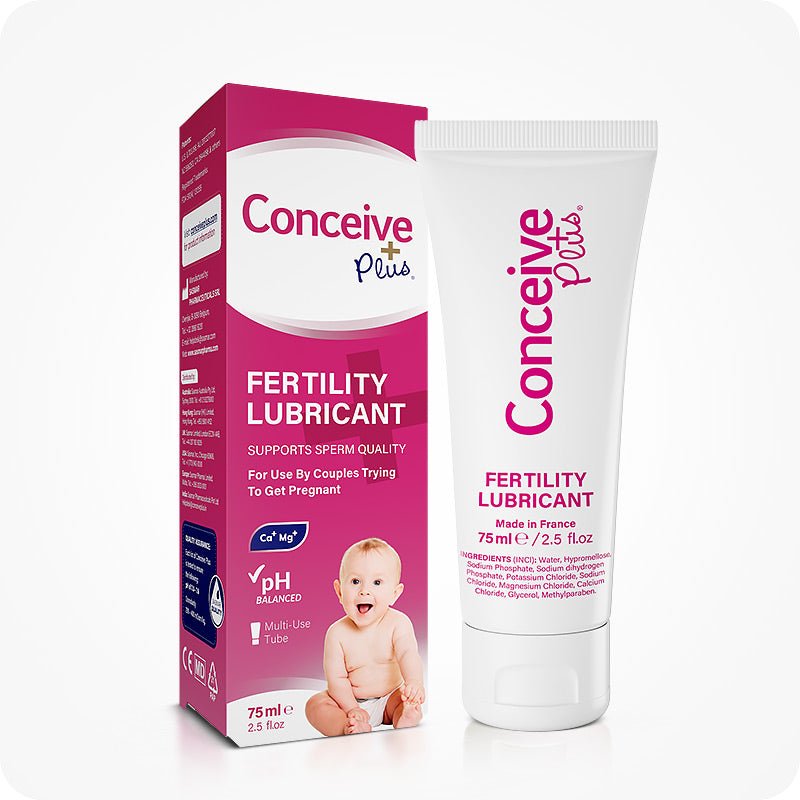
Conceive Plus Fertility Lubricant contains calcium and magnesium ions, which help create a fertility-friendly environment and may support sperm motility, making it a great addition for couples trying to conceive.
Tips to Increase Water Uptake
Whether you want increased fertility or boost your overall health, increasing water and fluid intake can greatly help your achieve your goals.
Here are some tips to increase your water uptake:
- Carry a Water Bottle: Keeping a reusable water bottle is a best way to remind yourself that you need to drink water.
- Set Daily Goals: Set a daily target of drinking a certain amount of water, such as a certain number of glasses or liters.
- Eat Water-Rich Foods: Staying hydrated doesn't only mean drinking plenty of water. You can also get water from water-rich vegetables and fruits such as cucumbers, watermelon, and oranges, which have high water content.
- Drink Water Before Meals: Make it a habit to drink a glass of water before starting a meal. Soon, it will become a part of your unconscious memory and help you reach your daily water intake goals.
- Use Reminders: To remind yourself that you need to drink water, you can use reminder apps or alarms.

✨ Support Healthy Sperm
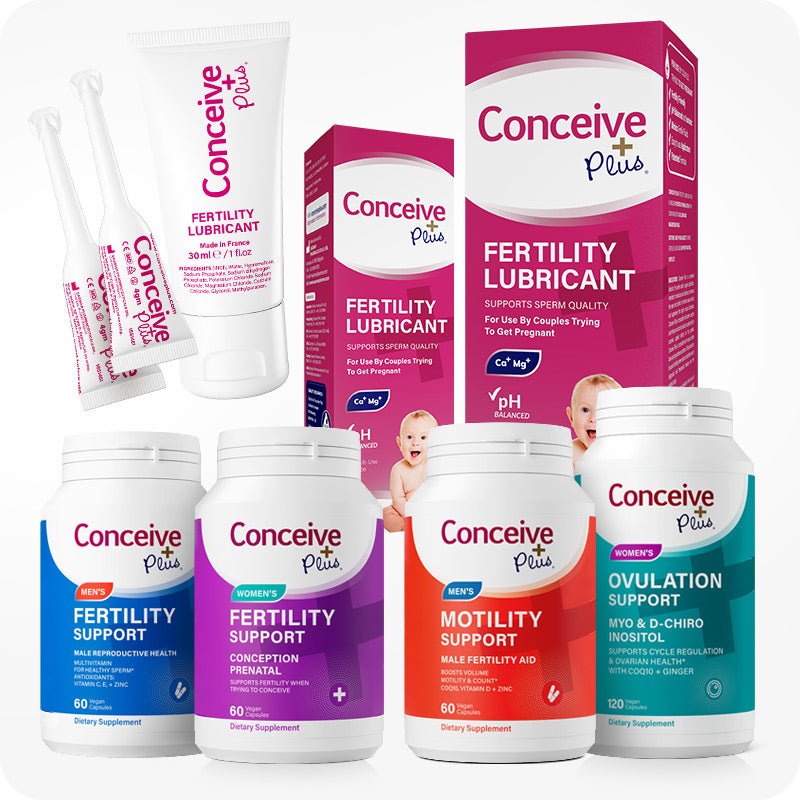
Our Motility Support supplement contains Zinc, CoQ10, and L-Carnitine — clinically studied nutrients for sperm health and motility.
Shop Now — $34.95✓ Free shipping on orders over $40 | ✓ Trusted by millions of couples worldwide

Other Factors Influencing Sperm Count
If your water intake is normal and you still find low sperm count in semen analysis, you must go for a detailed evaluation of your reproductive health. If you have some underlying condition responsible for low sperm count, immediately proceed with the treatment.
However, in addition to medical management, you can consider the following factors to improve sperm count:
- Diet and Nutrition: A healthy diet with fruits, vegetables, and whole grains provides essential nutrients for sperm production.
Studies show that a diet rich in vitamins, minerals, and omega-3 fatty acids can increase sperm count and improve sperm motility [3]. Similarly, deficiency of such vitamins and minerals can lead to decreased sperm quality and sperm count.
- Sleep Quality: Getting quality sleep is important for hormone regulation, including testosterone [4]. Proper testosterone levels promote the optimal production of sperm cells and enhance the volume of ejaculation. On the other hand, poor sleep can reduce sperm production and negatively affect fertility.
- Exercise: Regular exercise result in improved blood flow and enhanced testosterone levels, which can significantly increase sperm count [5]. However, it is important to practice moderation when doing exercise for a fertility boost, as very intense exercise can have negative effects on sexual organs.
- Stress Levels: Chronic stress increases the risk of damage to the sperm cells through oxidative stress [6]. Stress also negatively impacts testosterone levels, which can disturb normal sperm count. Managing stress through relaxation techniques can help maintain a healthy sperm count.
- Smoking and Alcohol: Reports show that smoking damages sperm cells and reduces their quality [7]. Chronic alcohol consumption can also lower testosterone levels, negatively impacting sperm count [8].
If you're curious about how certain medications like Viagra might affect sperm production or ejaculation, you can find more details in the article "Does Viagra Make You Cum More?".
Key Takeaways on Hydration and Sperm Count
If you are a person who is curious about how to increase the amount of sperm or how to increase seamen quantity, there are many options for you. One excellent way to improve sperm count and boost fertility is maintaining your hydration levels.
Follow tips to increase your water intake and maintain a healthy diet and lifestyle for enhanced fertility. If you are still failing to conceive, talk to your doctor and share your condition to rule out underlying causes.

Resources Used
- Popkin, B. M., & Rosenberg, I. H. (2010). Water, Hydration and Health. Nutrition Reviews, 68(8), 439. https://doi.org/10.1111/j.1753-4887.2010.00304.x
- Seed, S. (2024, May 18). Semen: Is It Healthy to Swallow? WebMD. https://www.webmd.com/sex-relationships/how-many-nutrients-are-in-semen
- Bashir, S. (2024c, August 25). Boost Your Performance with Volumn Pills For Bigger Loads. Conceive Plus®. https://conceiveplus.com/blogs/blog/boost-your-performance-with-volumn-pills-for-bigger-loads
- Liu, P. Y., & Reddy, R. T. (2022b). Sleep, testosterone and cortisol balance, and ageing men. Reviews in Endocrine and Metabolic Disorders, 23(6), 1323–1339. https://doi.org/10.1007/s11154-022-09755-4
- Riachy, R., McKinney, K., & Tuvdendorj, D. R. (2020). Various Factors May Modulate the Effect of Exercise on Testosterone Levels in Men. Journal of Functional Morphology and Kinesiology, 5(4). https://doi.org/10.3390/jfmk5040081
- Ilacqua, A., Izzo, G., Emerenziani, G. P., Baldari, C., & Aversa, A. (2018). Lifestyle and fertility: The influence of stress and quality of life on male fertility. Reproductive Biology and Endocrinology : RB&E, 16. https://doi.org/10.1186/s12958-018-0436-9
- Kovac, J. R., Khanna, A., & Lipshultz, L. I. (2015). The Effects of Cigarette Smoking on Male Fertility. Postgraduate Medicine, 127(3), 338. https://doi.org/10.1080/00325481.2015.1015928
- Koh, K., Kim, S. S., Kim, S., Jung, G., Yoon, J., Suh, W. Y., Kim, H. G., & Kim, N. (2022). Relationship between Alcohol Consumption and Testosterone Deficiency according to Facial Flushes among Middle-Aged and Older Korean Men. Korean Journal of Family Medicine, 43(6), 381-387. https://doi.org/10.4082/kjfm.21.0173
🌱 Boost Male Fertility Naturally
Conceive Plus Men's Motility Support is formulated with the nutrients that matter most for sperm quality, count, and motility.
Shop Men's Fertility →Frequently Asked Questions
Recommended by Fertility Experts
Conceive Plus Men's Fertility Support
Designed to support healthy sperm production, motility, and overall male reproductive health with clinically studied nutrients.
Shop Now →Q: Does drinking more water increase sperm count?
A: Yes, proper hydration can positively impact sperm count and overall semen quality. Water makes up approximately 96% of seminal fluid, so adequate hydration directly supports sperm production and motility. Studies show that men who maintain optimal hydration levels tend to have higher sperm concentrations and better sperm morphology compared to dehydrated men. The American Society for Reproductive Medicine (ASRM) recognizes hydration as one component of lifestyle modifications that can improve male fertility parameters. Combined with other healthy habits and fertility supplements like Conceive Plus, proper water intake supports reproductive health.
Q: How much water should a man drink daily for fertility?
A: The standard recommendation is approximately 15.5 cups (3.7 liters) of fluids daily for adult men, according to the National Academies of Sciences, Engineering, and Medicine. However, individual needs vary based on activity level, climate, and overall health status. For men focused on optimizing fertility, maintaining consistent daily hydration—enough to keep urine pale yellow—is a practical goal that supports semen production and sperm health. Excessive water intake is generally not necessary and won't dramatically boost fertility on its own; consistency matters more than quantity. Pairing adequate hydration with a balanced diet rich in antioxidants and zinc creates an optimal environment for sperm development.
Q: Can dehydration affect sperm quality?
A: Yes, dehydration can negatively affect sperm quality by reducing semen volume and increasing sperm concentration, which may paradoxically lower motility and overall fertility potential. When the body is dehydrated, it prioritizes vital organs over reproductive functions, which can impair the production of seminal fluid necessary for healthy sperm transport. Research indicates that men with poor hydration status show decreased sperm motility and increased DNA fragmentation compared to well-hydrated men. Even mild chronic dehydration can impact hormone balance and testicular function over time. Maintaining proper hydration is therefore a simple, evidence-based strategy that US fertility specialists recommend as part of a comprehensive approach to male reproductive health.
Q: What's the fastest way to improve sperm health besides drinking water?
A: While hydration is foundational, multiple lifestyle factors work synergistically to improve sperm health within 2-3 months (the typical sperm production cycle). Key strategies include regular moderate exercise, maintaining a healthy BMI, reducing stress, avoiding smoking and excessive alcohol, and consuming antioxidant-rich foods including zinc, selenium, and vitamins C and E. According to fertility research published by ASRM, men who combine lifestyle modifications with targeted supplementation see the most significant improvements in sperm parameters. Many men find that adding a comprehensive male fertility supplement like Conceive Plus—which contains key micronutrients and amino acids—accelerates improvements when combined with these lifestyle changes. Consulting with a fertility specialist or urologist can help identify individual factors affecting sperm quality and create a personalized optimization plan.
Q: Does hydration help with erectile dysfunction and fertility?
A: Yes, proper hydration supports both erectile function and fertility, as adequate fluid intake is essential for cardiovascular health and blood flow to reproductive organs. Dehydration can cause blood vessels to constrict and reduce blood volume, which directly impacts erectile function and sexual performance—both important factors in achieving conception. The Journal of Sexual Medicine has documented that men who maintain optimal hydration status experience better erectile responses and sexual satisfaction. Beyond sexual function, hydration supports the hormonal balance and oxygen delivery necessary for healthy sperm production. A comprehensive approach that includes consistent water intake, regular exercise, stress management, and proper nutrition—potentially supported by supplements designed for male reproductive health—addresses both erectile and fertility concerns holistically.
Trusted by Couples in Over 70 Countries
Support Male Fertility From the Inside Out
Male fertility is just as important as female fertility in the conception journey. Conceive Plus Men's range delivers targeted nutritional support to promote healthy sperm and overall reproductive wellbeing.
Shop Men's Range →