Does Male Uterus Exist? An Overview of Male And Female Anatomy
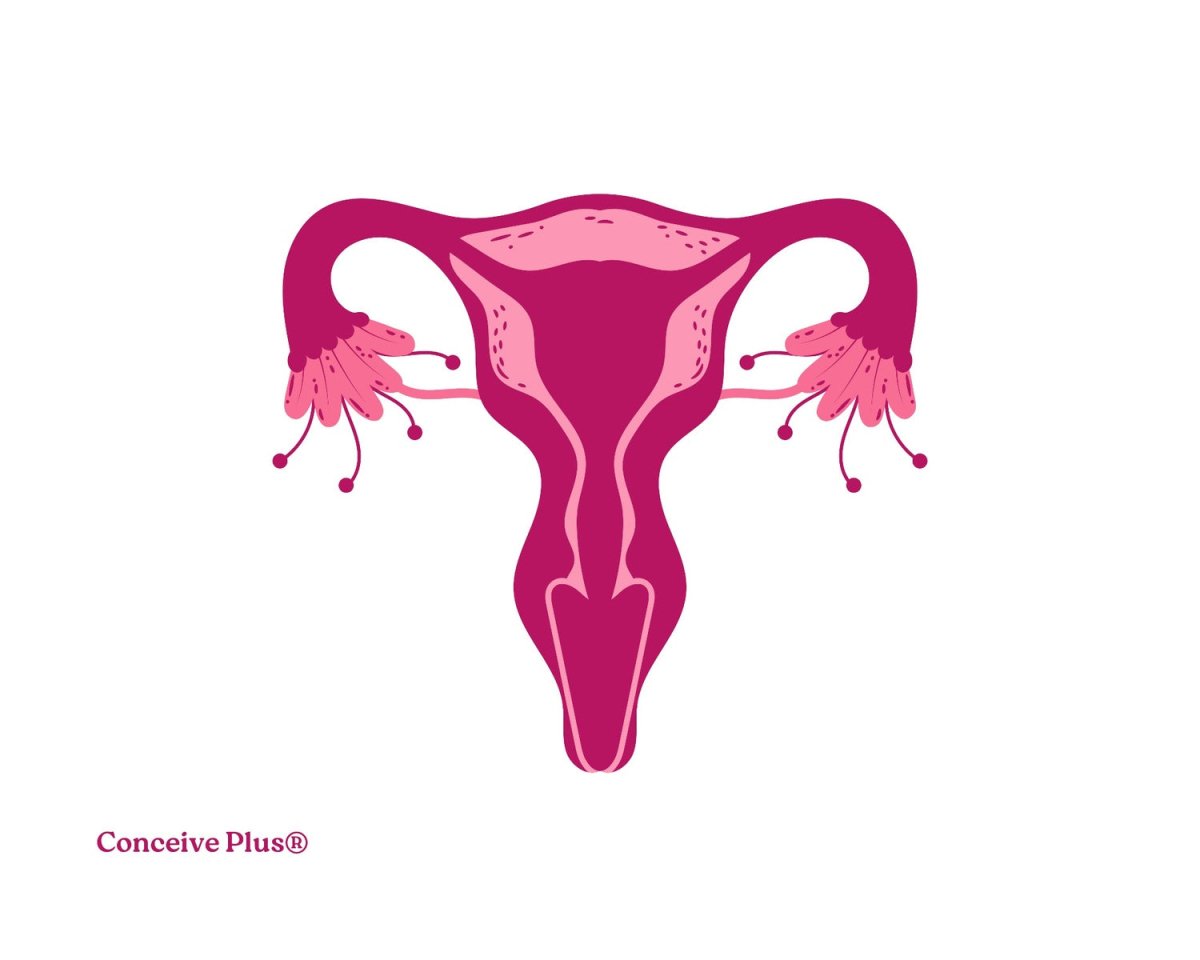

he structure and function of a male reproductive system distinguish it from the female anatomy. The structures in the female reproductive system are designed to produce eggs and nourish the baby during pregnancy in the uterus [1].
People who are unaware of the basic human anatomy can ask, does the male uterus exist? What do men have in the place of a uterus?
Unlike women, men do not have a uterus, as they don't have to nurture the fetus. Instead, male reproductive organs are responsible for producing and delivering sperm cells [2].

Male Reproductive System
Different organs in the male reproductive system work collectively for the reproductive role. Men's role in reproduction is the production of healthy sperm and the delivery of sperm cells into the female vagina.
- Testes: Testes produce sperm cells and testosterone hormones [3]. Sperm are male reproductive cells, while testosterone is the primary male sex hormone. The scrotum is a skin pouch that holds the testes and protects them against temperature changes.
- Penis: Penis is the male genitalia that functions for the delivery of sperm. Penis erects in response to sexual stimuli. It releases the sperm cells into the female vagina during intercourse. Penis is also a part of the urinary system, as urine comes out from the body through the penis.
- Vas Deferens: Vas deferens is the tube that carries sperm from the testes to the penis. These are two coiled-shaped tubes present at the back of each testicle.
- Prostate: Prostate gland secretes the majority of the semen fluid. The fluid by the prostate gland provides nutrients to the sperm cells so they swim well inside the female reproductive tract.
- Seminal Vesicle: It is another male reproductive gland, like the prostate gland. The role of the seminal vesicle is to secrete fluid that combines with semen. Such fluid makes sperm movement easier.

✨ Support Healthy Sperm
Our Motility Support supplement contains Zinc, CoQ10, and L-Carnitine — clinically studied nutrients for sperm health and motility.
Shop Now — $34.95✓ Free shipping on orders over $40 | ✓ Trusted by millions of couples worldwide

Female Reproductive System
The female reproductive system is made up of several key organs that work together to support fertility and pregnancy.
- Ovaries: These are two small glands present on either side of the uterus. The ovaries produce eggs (ova) and hormones like estrogen and progesterone [4]. Each month, during ovulation, an ovary releases an egg for potential fertilization.
- Fallopian Tubes: These are thin tubes that connect the ovaries to the uterus. After ovulation, the released egg travels through the fallopian tube. It is the place where fertilization typically occurs, when sperm meets the egg.
- Uterus: The uterus is a pear-shaped organ that receives a fertilized egg and matures it into a fetus. Uterus function is to nourish and protect the growing fetus during pregnancy. The uterus has a characterisitic muscular wall which grows as the fetus grow.
- Vagina: The vagina is a muscular canal that connects the lower part of the uterus to the outside of the body. It serves as the passage for menstrual flow, intercourse, and childbirth.
Can Men Surgically Implant a Uterus?
Surgically, implantation of the uterus is a complex procedure only specific for women with certain health conditions. Men's body neither produces the key hormones, nor they have the structure for supporting pregnancy.
So a man who is interested in fathering a child can explore options like surrogacy or adoption. Complex and impractical options like uterus implantation are not a solution, at least with today's technology.
The Bottom Line
Male reproductive anatomy comprises of the penis, testes, prostate, and other supportive sex organs. Male reproductive anatomy serves the purpose of production and delivery of sperm. On the other hand, female reproductive anatomy includes ovaries, fallopian tube, uterus, and vagina, all important for egg production and pregnancy.
These reproductive organs are gender specific; thus, a male uterus or female penis doesn’t exist naturally. Even the surgical implantation of reproductive organs in the opposite gender is also not practical with today’s advancements and technology.

Resources Used
- Rosner J, Samardzic T, Sarao MS. Physiology, Female Reproduction. [Updated 2024 Mar 20]. In: StatPearls [Internet]. Treasure Island (FL): StatPearls Publishing; 2024 Jan-. Available from: https://www.ncbi.nlm.nih.gov/books/NBK537132/
- Gurung, P., Yetiskul, E., & Jialal, I. (2023c, May 1). Physiology, Male Reproductive System. StatPearls - NCBI Bookshelf. https://www.ncbi.nlm.nih.gov/books/NBK538429/
- Shalet, S. M. (2009). Normal testicular function and spermatogenesis. Pediatric Blood & Cancer, 53(2), 285–288. https://doi.org/10.1002/pbc.22000
- Gibson, E., & Mahdy, H. (2023, July 24). Anatomy, Abdomen and Pelvis, Ovary. StatPearls - NCBI Bookshelf. https://www.ncbi.nlm.nih.gov/books/NBK545187/
🌱 Boost Male Fertility Naturally
Conceive Plus Men's Motility Support is formulated with the nutrients that matter most for sperm quality, count, and motility.
Shop Men's Fertility →Frequently Asked Questions
What is the male equivalent of the uterus in reproductive function?
Men do not have a direct anatomical equivalent to the uterus because they don't need to nurture a developing fetus. Instead, the male reproductive system focuses on producing and delivering healthy sperm through organs like the testes, prostate, and seminal vesicles. While these structures serve different functions than the uterus, they are equally essential for male fertility and reproduction.
Can low testosterone affect male fertility and sperm production?
Yes, testosterone is critical for sperm production in the testes, and low levels can significantly impact male fertility. If you suspect low testosterone, the American Society for Reproductive Medicine (ASRM) recommends consulting with a fertility specialist or urologist for hormone testing and evaluation. Treatment options may include hormone replacement therapy or other interventions depending on the underlying cause.
What nutrients and supplements support male sperm health?
Clinical research has identified several nutrients that support sperm motility and health, including Zinc, CoQ10, and L-Carnitine. Before starting any supplement regimen, it's advisable to consult with your healthcare provider or a fertility specialist to ensure safety and appropriateness for your individual situation. Many fertility clinics across the US now discuss nutritional support as part of comprehensive male fertility treatment plans.
How does the prostate gland contribute to male fertility?
The prostate gland produces the majority of seminal fluid that nourishes and protects sperm cells, enabling them to survive and swim effectively through the female reproductive tract. Prostate health is essential for fertility, and conditions like prostatitis or benign prostatic hyperplasia can affect sperm quality and delivery. A urologist or fertility specialist can evaluate prostate function if you're experiencing fertility concerns.
What role do the seminal vesicles play in male reproduction?
The seminal vesicles secrete fluid that combines with semen to facilitate sperm movement and improve the chances of fertilization. These glands work in coordination with the prostate and other reproductive organs to create an optimal environment for sperm survival. Dysfunction of the seminal vesicles can impact semen quality and male fertility.
When should a man seek fertility testing if he suspects a problem?
The ASRM recommends that couples unable to conceive after one year of unprotected intercourse (or six months if the woman is over 35) should seek evaluation from a fertility specialist. For men, initial testing typically includes a semen analysis to assess sperm count, motility, and morphology. Many US insurance plans cover fertility diagnostics, though coverage varies by state and plan type.
How does temperature affect sperm production in the testes?
The scrotum maintains a temperature 2-3 degrees lower than core body temperature, which is essential for healthy sperm production. Prolonged heat exposure from tight clothing, hot baths, or occupational hazards can impair sperm production and quality. If you work in a hot environment or have concerns about heat exposure affecting fertility, discuss preventive measures with a fertility specialist.