Does Drugs Reduce Sperm Count?


Many people who take drugs regularly for different health conditions often worry about the side effects of those drugs. One major concern of many people is whether drugs can reduce sperm count or can drugs cause infertility in males.
It is a valid concern because different drugs can negatively impact reproductive health, including causing low sperm count. If you are trying to conceive, it is important for you to understand the side effects of different drugs on your fertility status.
But, does drugs reduce sperm count? What medication causes low sperm count? What are the drugs that affect sperm quality?
This article will guide you about the importance of sperm count for fertility and explain the side effects of different drugs for sperm count.
Sperm Count for Male Fertility
You can define sperm count as the number of sperm cells present in a specific volume of semen. Normal sperm count is 15 million sperm per milliliter of semen [1].
Normal sperm count is a vital aspect of male fertility, and low sperm count can greatly reduce the chances of conception. Different factors can cause low sperm count and affect men's fertility, such as environmental factors, diet, lifestyle, and different health conditions.
However, one major factor that can have a significant impact on sperm count and the chances of conception is drugs. Evidence shows that different prescription and recreational drugs can affect sperm count.
Recreational Drugs and Sperm Count
Drugs that cause infertility in males are usually recreational drugs, such as marijuana, cocaine, and anabolic steroids, as they can negatively affect sperm count. These drugs influence sperm count and sperm quality by disturbing hormonal levels in the body.
Let’s discuss different recreational drugs and their effect on sperm count in detail:
-
Marijuana
A 2021 study by Cureus Journal shows that marijuana has adverse effects on different parameters of sperm [2]. The study shows that this substance can negatively impact sperm count, motility, and morphology.
Studies show that marijuana decreases testosterone levels [3]. This is one of the mechanisms that explain the negative effects of marijuana on sperm count and overall sperm health. This substance can also impact sexual drive and contribute to sexual dysfunction.
-
Methamphetamines
Doctors typically prescribe methamphetamines to treat attention-deficit hyperactivity disorder or ADHD. However, many people misuse this drug for its stimulating effects which can lead to male infertility.
Studies show that methamphetamines can cause a decrease in sperm count [4]. It can also affect sperm motility and sperm morphology [5].
-
Cocaine
Studies show that cocaine abuse negatively impacts the process of sperm formation and can decrease sperm concentration in the semen [6].
Another report on the effect of cocaine on male fertility shows that cocaine can reduce libido and lead to erectile dysfunction [7].
-
Alcohol
Alcohol is one of the most commonly used recreational drugs around the world. Alcohol can impact male fertility in multiple ways.
A 2021 study on the effects of alcohol consumption on male fertility shows that chronic alcohol use can reduce sperm production [8]. Another study shows that chronic alcohol consumption reduces testosterone levels [9]. A low testosterone results in decreased sperm production and poor sperm health in alcohol abusers.
-
Anabolic Steroids
Anabolic steroid is a class of drugs that people commonly use for muscle building and fat burn. These drugs mimic testosterone in the body, which reduces the body’s ability to produce testosterone [10].
By reducing testosterone levels in the long term, anabolic steroids negatively impact sperm parameters such as sperm count and sperm morphology.

Prescription Medications and Sperm Count
This might surprise many but prescription drugs that people commonly use for different health conditions can also reduce sperm count. But what medication lowers sperm count? Medication that lowers sperm count include:
-
Chemotherapy Drugs
Chemotherapy drugs are commonly used for treating cancer. These drugs target rapidly dividing cells, including sperm-producing cells in the testes [11].

✨ Support Healthy Sperm
Our Motility Support supplement contains Zinc, CoQ10, and L-Carnitine — clinically studied nutrients for sperm health and motility.
Shop Now — $34.95✓ Free shipping on orders over $40 | ✓ Trusted by millions of couples worldwide
Inhibition of cell division and formation of new cells by chemotherapy drugs can cause temporary or permanent low sperm count.
-
Antidepressants
Antidepressant drugs or selective serotonin reuptake inhibitors (SSRIs) can affect male fertility by reducing sexual arousal. A study on the effects of SSRIs on semen quality shows that these drugs can affect sperm count, sperm morphology, and sperm motility [12].
The study further explains that SSRIs can also influence DNA integrity and make it hard for a male to conceive.
-
Opioids
Opioids, a common prescription drug for pain relief, can disrupt testosterone production [13]. This disruption can lead to low sperm count.
Opioids can also decrease libido and sexual function because of their impact on hormonal signals. This can reduce the chances of conception in males who take opioids regularly.
-
Blood Pressure Medications
Medications that lower sperm count also include blood pressure medicines. Blood pressure medication can reduce sperm count by limiting the blood flow to the testicles. Low blood supply to the sperm-producing cells decreases their ability to produce sperm.
Blood pressure medications can also impact sperm motility, making it hard for the sperm to reach the egg and fertilize it. Low blood supply to the penis can also interfere with the erection and sexual arousal.
Supplement to Improve Sperm Health
While many recreational and prescription drugs negatively impact sperm health, there are supplements that you can take to improve sperm health and overall fertility.
Some of the best fertility supplements for men are:
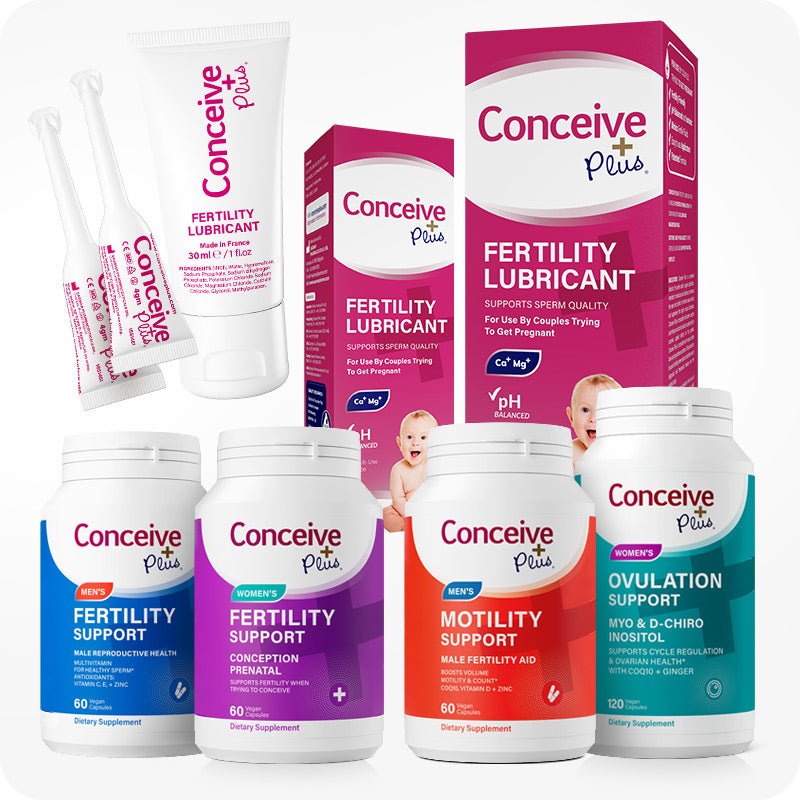
Conceive Plus Fertility Support
If you are trying to conceive but have a low sperm count because of drugs, Conceive Plus Fertility Support supplements can help you. These supplements contain essential vitamins and minerals that your body needs for healthy sperm production.
Ingredients in fertility supplements such as vitamin D, E, Zinc, and L-carnitine are scientifically proven to improve sperm count and enhance overall male reproductive health.

Conceive Plus Motility Support
Conceive Plus Motility Support supplements are specifically designed to improve sperm motility. Sperm motility is essential for the sperm to swim in the female reproductive tract and reach the egg.
In addition to sperm motility, the ingredients in motility supplements can also improve sperm count and improve overall reproductive health.

The Bottom Line
We always get to know about the negative effects of some drugs on overall health and well-being. However, one major side effect of certain drugs that many people don’t know is low sperm count. But does drugs reduce sperm count? Or more specifically, what medication reduces sperm count? Or what medications lower sperm count?
Evidence shows that different recreational drugs such as marijuana, cocaine, and alcohol can reduce sperm count and negatively impact sperm health. These negative impacts of recreational drugs are mostly due to their tendency to interfere with the production of testosterone.
Not only recreational drugs, but some prescription medicines can also reduce sperm count and make it hard for you to conceive. We recommend you consult a healthcare professional before taking any drugs that can influence your fertility.
Resources Used
Recommended by Fertility Experts
Conceive Plus Men's Fertility Support
Designed to support healthy sperm production, motility, and overall male reproductive health with clinically studied nutrients.
Shop Now →- Low sperm count - Diagnosis and treatment - Mayo Clinic. (2022, December 17). https://www.mayoclinic.org/diseases-conditions/low-sperm-count/diagnosis-treatment/drc-20374591
- Srinivasan, M., Hamouda, R. K., Ambedkar, B., Arzoun, H. I., Sahib, I., Fondeur, J., Mendez, L. E., & Mohammed, L. (2021). The Effect of Marijuana on the Incidence and Evolution of Male Infertility: A Systematic Review. Cureus. Available at: https://pmc.ncbi.nlm.nih.gov/articles/PMC8720305/
- Barnett, G., Chiang, C. N., & Licko, V. (1983). Effects of marijuana on testosterone in male subjects. Journal of Theoretical Biology, 104(4), 685-692. https://doi.org/10.1016/0022-5193(83)90255-2
- Nudmamud-Thanoi, S., & Thanoi, S. (2011). Methamphetamine induces abnormal sperm morphology, low sperm concentration and apoptosis in the testis of male rats. Andrologia. Available at: https://onlinelibrary.wiley.com/doi/10.1111/j.1439-0272.2010.01071.x
- Understanding Sperm Morphology and Fertility. Conceive Plus®. https://conceiveplus.com/blogs/blog/sperm-morphology-and-fertility
- Samplaski, M. K., Bachir, B. G., Lo, K. C., Grober, E. D., Lau, S., & Jarvi, K. A. (2015). Cocaine Use in the Infertile Male Population: A Marker for Conditions Resulting in Subfertility. Current Urology. Available at: https://pmc.ncbi.nlm.nih.gov/articles/PMC4483290/
- Evidence of Hypothalamic-Pituitary-Adrenal and -Gonadal Dysfunction in Cocaine-Addicted Men. European Addiction Research. Available at: https://karger.com/ear/article/30/2/114/894138/Evidence-of-Hypothalamic-Pituitary-Adrenal-and
- Finelli, R., Mottola, F., & Agarwal, A. (2021). Impact of Alcohol Consumption on Male Fertility Potential: A Narrative Review. International Journal of Environmental Research and Public Health. Available at: https://pmc.ncbi.nlm.nih.gov/articles/PMC8751073/
- Koh, K., Kim, S. S., Kim, S., Jung, G., Yoon, J., Suh, W. Y., Kim, H. G., & Kim, N. (2022). Relationship between Alcohol Consumption and Testosterone Deficiency according to Facial Flushes among Middle-Aged and Older Korean Men. Korean Journal of Family Medicine. Available at: https://pmc.ncbi.nlm.nih.gov/articles/PMC9708857/
- Rasmussen, J. J., Selmer, C., Østergren, P. B., Pedersen, K. B., Schou, M., Gustafsson, F., Faber, J., Juul, A., & Kistorp, C. (2016). Former Abusers of Anabolic Androgenic Steroids Exhibit Decreased Testosterone Levels and Hypogonadal Symptoms Years after Cessation: A Case-Control Study. PLoS ONE. Available at: https://journals.plos.org/plosone/article?id=10.1371/journal.pone.0161208
- Meistrich, M. L. (2013). The Effects of Chemotherapy and Radiotherapy on Spermatogenesis in Humans. Fertility and Sterility. Available at: https://www.fertstert.org/article/S0015-0282(13)02955-5/fulltext
- Xu, J., He, K., Zhou, Y., Zhao, L., Lin, Y., Huang, Z., Xie, N., Yue, J., & Tang, Y. (2022). The effect of SSRIs on Semen quality: A systematic review and meta-analysis. Frontiers in Pharmacology. Available at: https://www.frontiersin.org/journals/pharmacology/articles/10.3389/fphar.2022.911489/full
- Safarinejad, M. R., Asgari, S. A., Farshi, A., Ghaedi, G., Kolahi, A. A., Iravani, S., & Khoshdel, A. R. (2013). The effects of opiate consumption on serum reproductive hormone levels, sperm parameters, seminal plasma antioxidant capacity and sperm DNA integrity. Reproductive Toxicology, 36, 18-23. https://doi.org/10.1016/j.reprotox.2012.11.010
🌱 Boost Male Fertility Naturally
Conceive Plus Men's Motility Support is formulated with the nutrients that matter most for sperm quality, count, and motility.
Shop Men's Fertility →Frequently Asked Questions
Q: Can drugs affect sperm quality?
A: Yes, many drugs can negatively impact sperm quality by affecting sperm count, motility, and morphology. According to the American Society for Reproductive Medicine (ASRM), medications including anabolic steroids, some antidepressants, antihistamines, and recreational drugs can reduce sperm production or damage developing sperm cells. The impact may be temporary or permanent depending on the drug type and duration of use. If you're taking medications and concerned about fertility, consult your healthcare provider about potential alternatives before attempting to conceive. Supporting your reproductive health during this time with proper nutrition and supplements like Conceive Plus may help optimize overall fertility.
Q: Can cocaine lower sperm count?
A: Yes, cocaine use can significantly lower sperm count and impair sperm quality. Research shows that cocaine reduces testosterone production, decreases sperm concentration, and increases abnormal sperm morphology in regular users. The drug can damage the testicular tissue responsible for sperm production, potentially causing lasting fertility problems even after discontinuing use. Studies indicate that men who use cocaine have substantially lower fertility rates compared to non-users. If you're struggling with substance use and fertility concerns, reaching out to a healthcare provider or addiction specialist can help address both issues simultaneously.
Q: Can medication affect sperm count?
A: Prescription medications can affect sperm count and fertility in several ways, depending on the drug class and individual factors. Common medications that may reduce sperm count include certain antihypertensives, antifungals, antibiotics like sulfasalazine, hormonal treatments, and chemotherapy drugs. The FDA requires many medications to include fertility warnings in their prescribing information, and the ASRM recommends discussing reproductive side effects with your doctor before starting new medications. Many medication-related fertility issues are reversible once you stop taking the drug, though some may require several months to resolve. Maintaining overall health through proper nutrition, exercise, and supplements formulated for male fertility like Conceive Plus can support sperm health during treatment.
Q: Can meth affect sperm?
A: Methamphetamine use can severely damage sperm production and male fertility. Regular meth use causes significant reductions in sperm count, motility, and morphology while also lowering testosterone levels and damaging testicular tissue. Studies have shown that chronic methamphetamine users have substantially impaired fertility that may persist even after stopping the drug, as the damage to sperm-producing cells can be long-lasting. Beyond fertility concerns, methamphetamine use poses serious risks to overall health and can affect the health of future offspring if conception occurs. Anyone struggling with meth addiction should seek professional help from addiction medicine specialists and discuss fertility preservation or recovery options with a fertility specialist.
Q: Can drugs cause infertility in males?
A: Yes, both recreational and prescription drugs can cause male infertility through various mechanisms including reduced sperm production, hormonal imbalances, and testicular damage. According to fertility research, approximately 12-15% of male infertility cases involve drug-related factors, ranging from cannabis and cocaine to prescribed medications like anabolic steroids and certain antipsychotics. Some drug-induced infertility is reversible after discontinuing use, while other cases result in permanent damage to sperm-producing cells. Men concerned about drug effects on fertility should discuss their complete medication and substance use history with both their primary care physician and a reproductive endocrinologist. Taking a proactive approach to male fertility health—including optimizing nutrition and considering evidence-based supplements like Conceive Plus—can help support reproductive function while addressing underlying medical concerns.
Trusted by Couples in Over 70 Countries
Support Male Fertility From the Inside Out
Male fertility is just as important as female fertility in the conception journey. Conceive Plus Men's range delivers targeted nutritional support to promote healthy sperm and overall reproductive wellbeing.
Shop Men's Range →