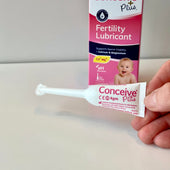
Calcium and Magnesium for Fertility: Why Conceive Plus Contains These Essential Ions


Calcium and Magnesium for Fertility: Why Conceive Plus Contains These Essential Ions
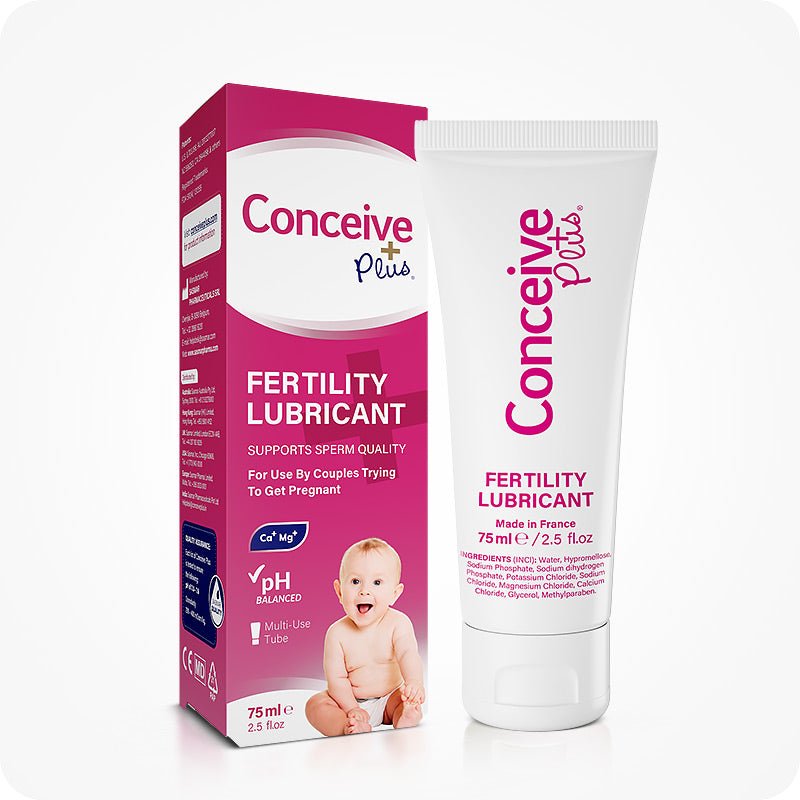
When couples begin their fertility journey, conversations often revolve around timing intercourse, tracking ovulation, and choosing the right supplements. Yet one of the most overlooked — and scientifically fascinating — factors in conception success is the ionic environment inside the female reproductive tract. Specifically, calcium magnesium fertility science reveals that these two minerals play a critical role in sperm function, capacitation, and ultimately fertilisation. And uniquely among fertility lubricants, Conceive Plus is the only product formulated to include calcium (Ca²⁺) and magnesium (Mg²⁺) ions to support this delicate biochemical environment.
In this comprehensive guide, we'll explore the science of calcium and magnesium for fertility, what sperm capacitation really means, why your choice of lubricant matters more than you think, and why Conceive Plus stands alone in addressing this crucial aspect of conception.
What Are Calcium and Magnesium Ions, and Why Do They Matter for Fertility?
Calcium and magnesium are among the most abundant minerals in the human body, but their roles in reproduction go far beyond bone health. In the context of calcium magnesium fertility, we're talking about free ions — electrically charged mineral particles — that exist in the reproductive fluids and directly influence cellular processes.
Inside the female reproductive tract, calcium (Ca²⁺) and magnesium (Mg²⁺) ions are naturally present at specific concentrations. These concentrations are not random; they are tightly regulated because they directly govern several stages of sperm function:
- Sperm capacitation: The biochemical maturation process sperm must undergo after ejaculation to be capable of fertilising an egg.
- Hyperactivation: The high-energy, whip-like swimming pattern sperm adopt to penetrate the egg's outer layer.
- Acrosome reaction: The release of enzymes that allow sperm to breach the zona pellucida (the egg's protective shell).
Research published in peer-reviewed reproductive biology journals confirms that calcium ions act as second messengers during sperm capacitation, triggering intracellular signalling cascades. Magnesium plays an equally critical role by stabilising ATP (the cellular energy currency) that powers sperm motility and the enzymatic reactions required for fertilisation.
Sperm Capacitation: The Science Behind Why Calcium Magnesium Fertility Matters
Start your fertility journey with Conceive Plus.
Trusted by thousands of couples worldwide, Conceive Plus is clinically tested and used in fertility clinics globally.
Shop Conceive Plus →
To understand why calcium magnesium fertility is so important, you need to understand sperm capacitation — a process that has fascinated reproductive biologists for decades.
When sperm are ejaculated, they are not yet capable of fertilising an egg. They must undergo a series of biochemical changes collectively called capacitation, which typically occurs over the 5–7 hours sperm travel through the female reproductive tract. During capacitation:
- The sperm membrane becomes hyperpolarised, then rapidly depolarised — a voltage change that triggers calcium influx.
- Rising intracellular calcium concentrations activate cAMP signalling pathways.
- These pathways in turn activate protein kinases that phosphorylate sperm proteins, enabling hyperactivation and the acrosome reaction.
- The sperm's swimming pattern shifts from the progressive forward motion of uncapacitated sperm to the powerful, asymmetric thrashing of capacitated sperm — necessary to navigate the egg's cumulus-oophorus complex.
Without adequate calcium ion availability in the surrounding fluid, this cascade is impaired. Studies have shown that calcium channel blockers (drugs that block calcium entry into cells) effectively halt sperm capacitation — a finding that underscores just how central Ca²⁺ is to this process.
Magnesium complements calcium's role by maintaining the pH stability of the reproductive environment and by serving as a cofactor in over 300 enzymatic reactions. In sperm specifically, Mg²⁺ is required for the ATPase enzyme that drives the flagellar beating — the literal mechanical propulsion of sperm through fluid.
How Most Lubricants Disrupt the Ionic Environment
This is where the story takes a critical turn for couples trying to conceive. Most over-the-counter personal lubricants — even those marketed as "natural" or "gentle" — have been shown in studies to impair sperm function. The mechanisms include:
- Osmotic stress: Many lubricants have osmolality (salt concentration) dramatically different from cervical mucus and seminal fluid, causing sperm to shrink or swell and lose motility.
- pH disruption: The vagina's naturally acidic environment is modified during ovulation to become more hospitable to sperm. Lubricants with incorrect pH can reimpose hostility.
- Ionic imbalance: Standard lubricants contain no calcium or magnesium ions — and some actually bind or chelate these minerals, removing them from the reproductive environment.
- Cytotoxicity: Ingredients like parabens, propylene glycol at high concentrations, and certain preservatives have direct cytotoxic effects on sperm.
A landmark study published in Fertility and Sterility tested eight popular lubricants against control (no lubricant) and found that all reduced sperm motility significantly. This research catalysed regulatory attention and the eventual development of fertility-optimised lubricants — a category that Conceive Plus pioneered.
Why Conceive Plus Contains Calcium and Magnesium Ions
Conceive Plus was developed in collaboration with reproductive specialists specifically to address the ionic deficit created by conventional lubricants. Unlike any competing product, Conceive Plus is formulated to contain physiological concentrations of calcium (Ca²⁺) and magnesium (Mg²⁺) ions — replicating the natural ionic environment of fertile cervical mucus.
Here's what this means in practice:
- Sperm capacitation support: With Ca²⁺ and Mg²⁺ ions present, sperm in contact with Conceive Plus have access to the ionic environment they need to complete capacitation successfully.
- Physiological osmolality: Conceive Plus is formulated to match the osmolality of natural reproductive fluids (~300 mOsm/kg), preventing osmotic damage to sperm membranes.
- Optimal pH range: The lubricant is pH-balanced to 7.2–8.0, matching the alkaline shift of fertile cervical mucus.
- Sperm motility preservation: Clinical testing has demonstrated that sperm motility and viability are maintained in Conceive Plus, unlike in standard lubricants.
This formulation philosophy — actively supporting sperm rather than merely being "less harmful" — is what distinguishes Conceive Plus from every other lubricant on the market. When we talk about calcium magnesium fertility support, Conceive Plus is the only lubricant that translates this science into a ready-to-use product.
Conceive Plus vs Pre-Seed: A Head-to-Head Comparison on Ionic Support
When couples research fertility lubricants, the comparison inevitably comes down to Conceive Plus vs Pre-Seed. Both are marketed as sperm-friendly and fertility-safe, but there is one crucial biochemical difference that many buyers miss entirely: only Conceive Plus contains calcium and magnesium ions.
Pre-Seed is a legitimate improvement over conventional lubricants. It is pH-matched and osmolality-matched to seminal fluid. Studies have shown it is compatible with sperm motility at physiological concentrations. However, Pre-Seed does not contain Ca²⁺ or Mg²⁺ ions, meaning sperm in contact with Pre-Seed are not actively supported through the capacitation process — they're simply not harmed by the lubricant's chemical environment.
The distinction matters:
| Feature | Conceive Plus | Pre-Seed |
|---|---|---|
| Calcium (Ca²⁺) ions | ✅ Yes | ❌ No |
| Magnesium (Mg²⁺) ions | ✅ Yes | ❌ No |
| Physiological osmolality | ✅ Yes | ✅ Yes |
| Fertility-safe pH | ✅ Yes | ✅ Yes |
| Used in fertility clinics | ✅ Yes | ✅ Yes |
| Active sperm capacitation support | ✅ Yes (via ions) | ❌ No |
For couples who are serious about optimising every aspect of their conception environment, this difference is meaningful. Conceive Plus doesn't just step aside — it actively participates in supporting the ionic environment that sperm need to succeed.
Ready to support your fertility with the science of calcium and magnesium?
Conceive Plus fertility lubricants contain Ca²⁺ and Mg²⁺ ions to create the optimal environment for conception. Shop Conceive Plus Fertility Lubricants →
Dietary Calcium and Magnesium for Fertility: Does What You Eat Matter?
Beyond lubricants, many people want to know whether increasing dietary calcium and magnesium can boost fertility. The answer is nuanced, and the science is genuinely interesting.
Calcium for Female Fertility
Adequate calcium intake is important for several aspects of female reproductive health:
- Ovulation: Some research suggests that calcium plays a role in follicular fluid and the ovulatory process.
- Implantation: The uterine environment during the implantation window involves calcium signalling.
- Preventing complications: Low calcium is associated with increased risk of preeclampsia in pregnancy.
The recommended daily intake of calcium for women of reproductive age is 1,000 mg/day. Good sources include dairy products, fortified plant milks, tofu, sardines, kale, and broccoli.
Magnesium for Male and Female Fertility
Magnesium is one of the most commonly deficient minerals in Western diets, and its role in fertility is multifaceted:
- Male fertility: Magnesium deficiency has been associated with reduced testosterone levels and impaired sperm motility in animal studies.
- Female fertility: Magnesium helps regulate the hypothalamic-pituitary-ovarian axis — the hormonal cascade that controls menstrual cycles and ovulation.
- Insulin sensitivity: Magnesium improves insulin sensitivity, which is particularly relevant for women with PCOS, where insulin resistance disrupts ovulation.
- Inflammation: Adequate magnesium has anti-inflammatory effects that may benefit the uterine environment.
The recommended daily intake of magnesium for women is 310–320 mg/day; for men, 400–420 mg/day. Foods rich in magnesium include dark chocolate, avocado, nuts (especially almonds and cashews), legumes, leafy greens, and whole grains.
Calcium and Magnesium for Sperm: What the Research Shows
The research on calcium magnesium for sperm function is remarkably specific and increasingly robust. Key findings include:
Calcium and sperm motility: Studies using calcium chelators (chemicals that bind and remove calcium ions) consistently show that depletion of extracellular Ca²⁺ reduces sperm motility, sometimes to near-zero. Restoring calcium concentration restores motility. This is as close to a definitive causal relationship as reproductive biology gets.
Calcium and the acrosome reaction: The acrosome reaction — sperm's ability to release digestive enzymes to penetrate the egg — is entirely calcium-dependent. The calcium ionophore A23187, which floods cells with calcium, reliably triggers the acrosome reaction in the laboratory, confirming Ca²⁺'s essential role.
Magnesium and flagellar function: The dynein motor proteins that drive flagellar beating in sperm require magnesium-bound ATP (Mg-ATP) as their fuel source. Without adequate Mg²⁺, these motors stall, and sperm motility degrades even when the sperm cells themselves are otherwise healthy.
Magnesium and mitochondrial function: Sperm mitochondria — concentrated in the midpiece of the flagellum — are the powerhouses of sperm motility. Magnesium is critical for mitochondrial enzyme function. Magnesium deficiency has been shown to impair mitochondrial respiration in sperm, reducing the ATP output needed for sustained motility.
What's particularly compelling is that these effects are observed at physiological concentrations — the same concentrations found in healthy cervical mucus and seminal plasma. This is exactly why Conceive Plus was designed to include Ca²⁺ and Mg²⁺ at these concentrations.
Practical Tips: Combining Dietary and Topical Calcium Magnesium for Fertility
While using Conceive Plus addresses the ionic environment at the point of conception, supporting systemic calcium and magnesium levels through diet and supplementation creates a comprehensive fertility-support approach.
For Women
- Eat calcium-rich foods daily: Aim for 3 servings of calcium-rich foods. If dairy-free, fortified alternatives and leafy greens are excellent sources.
- Supplement magnesium thoughtfully: If you're under stress, exercise intensively, or have PCOS, magnesium glycinate (highly bioavailable, gentle on digestion) at 200–400 mg/day may be beneficial. Discuss with your doctor.
- Avoid calcium-magnesium antagonists: Excessive alcohol, high doses of supplemental zinc (competes with magnesium absorption), and very high-fibre diets (phytates can bind minerals) may reduce absorption.
- Use Conceive Plus during the fertile window: Even with optimal dietary mineral intake, using Conceive Plus ensures the immediate cellular environment at the time of insemination has the right ionic profile.
For Men
- Prioritise magnesium-rich foods: Nuts, seeds, legumes, and whole grains provide the magnesium needed for sperm mitochondrial function and flagellar motility.
- Avoid prolonged heat exposure: Elevated scrotal temperature increases oxidative stress in sperm and may deplete antioxidant minerals including magnesium.
- Reduce alcohol consumption: Alcohol depletes both magnesium and zinc, two minerals critical for sperm quality.
Frequently Asked Questions About Calcium, Magnesium, and Fertility
Q: Does Conceive Plus actually contain calcium and magnesium ions?
A: Yes. Conceive Plus is formulated with calcium (Ca²⁺) and magnesium (Mg²⁺) ions at physiological concentrations that match natural cervical mucus. This is one of the key scientific differentiators of Conceive Plus and is prominently described in its formulation data.
Q: Why doesn't Pre-Seed contain calcium and magnesium ions?
A: Pre-Seed was formulated to match seminal fluid properties (pH and osmolality) but was not designed to mimic the ionic composition of cervical mucus specifically. Conceive Plus went further by incorporating the mineral ions necessary to support sperm capacitation in the female reproductive environment.
Q: Can I take calcium and magnesium supplements to improve fertility?
A: Supplementation may be beneficial if you have documented deficiencies. However, indiscriminate high-dose supplementation can cause problems (e.g., excess calcium can impair magnesium absorption and vice versa). A balanced diet should be the primary approach, with supplementation tailored to individual needs based on blood testing and medical advice.
Q: How do calcium ions trigger sperm capacitation?
A: When sperm encounter the calcium-rich environment of the fallopian tubes, calcium channels (including the sperm-specific CatSper channel) open, allowing Ca²⁺ to flood into the cell. This triggers a cascade of intracellular signalling events — phosphorylation of proteins, activation of cAMP pathways, and ultimately the hyperactivation and acrosome reaction needed for fertilisation.
Q: What form of magnesium is best for fertility supplementation?
A: Magnesium glycinate is widely regarded as one of the most bioavailable and well-tolerated forms. Magnesium citrate is also well absorbed and commonly used. Magnesium oxide, while cheap, has poor bioavailability. For targeted fertility support, discuss with your healthcare provider before starting supplementation.
Q: How quickly can dietary changes affect sperm quality?
A: Sperm take approximately 74 days to mature (a process called spermatogenesis). This means dietary improvements made today will affect sperm quality roughly 2–3 months from now. However, the ionic environment at the time of insemination — which Conceive Plus addresses immediately — can be optimised with every cycle.
Q: Can magnesium deficiency cause failed IVF cycles?
A: There is emerging research suggesting that magnesium deficiency may impair embryo quality and endometrial receptivity. While this is not yet definitive, many reproductive endocrinologists include magnesium levels in the nutritional assessment of patients undergoing IVF. Ask your clinic about baseline mineral testing before an IVF cycle.
Q: Is Conceive Plus safe to use with IUI or IVF?
A: Yes. Conceive Plus is used by fertility clinics worldwide for insemination procedures. Its ionic formulation and biocompatibility make it appropriate for assisted reproduction contexts. Always confirm with your specific clinic's protocols.
Q: Does being vegan or lactose-intolerant affect calcium levels for fertility?
A: Plant-based eaters can absolutely meet calcium needs through fortified plant milks (many contain as much calcium as dairy), tofu (set with calcium sulfate), kale, bok choy, and broccoli. The bioavailability of calcium from some plant sources is lower than dairy due to oxalates and phytates, so slightly higher intake targets may apply. A registered dietitian can help optimise your approach.
Q: What role does vitamin D play alongside calcium and magnesium for fertility?
A: Vitamin D is essential for calcium absorption and metabolism. Without adequate vitamin D, even excellent calcium intake may not translate to optimal serum calcium levels. Vitamin D also has direct effects on reproductive function — receptors for vitamin D exist on granulosa cells, sperm, and the endometrium. Many fertility specialists now test and optimise vitamin D as part of pre-conception care.
Conclusion: The Case for Calcium and Magnesium in Your Fertility Plan
The science of calcium magnesium fertility is not speculative — it is grounded in decades of reproductive biology research confirming the indispensable roles of these ions in sperm capacitation, motility, and fertilisation. What makes this knowledge particularly actionable is that you can address both the systemic (dietary/supplement) and local (reproductive tract ionic environment) dimensions of this equation.
For the systemic dimension: eat a mineral-rich diet, consider targeted supplementation if indicated, and optimise vitamin D levels.
For the local dimension: use Conceive Plus — the only fertility lubricant that contains Ca²⁺ and Mg²⁺ ions at physiological concentrations, actively supporting sperm capacitation at the moment it matters most.
No other lubricant on the market combines the pH optimisation, osmolality matching, and ionic supplementation that Conceive Plus provides. When you're doing everything right — tracking ovulation, timing intercourse, eating well, managing stress — your lubricant should be doing everything right too.
Support your fertility journey with the science of Ca²⁺ and Mg²⁺ ions.
Conceive Plus is the only fertility lubricant formulated with calcium and magnesium ions to support sperm capacitation and create the optimal conception environment.
Explore Conceive Plus Fertility Lubricants — Shop Now →