Being in a developed country will not develop your sperm


Being in a developed country will not develop your sperm.
In recent years, scientists mention more and more about the effects caused by chemical substances (natural or anthropogenic origin) disrupting the reproductive functions in wildlife.
This finding is illustrating the growing concern of the society, that exposure to toxic substances in the environment could have negative effects on human fertility with more and more people are having issues to conceive.
As the famous journalist Michael Pollan Said “We are what we eat”.

✨ Trying to Conceive?
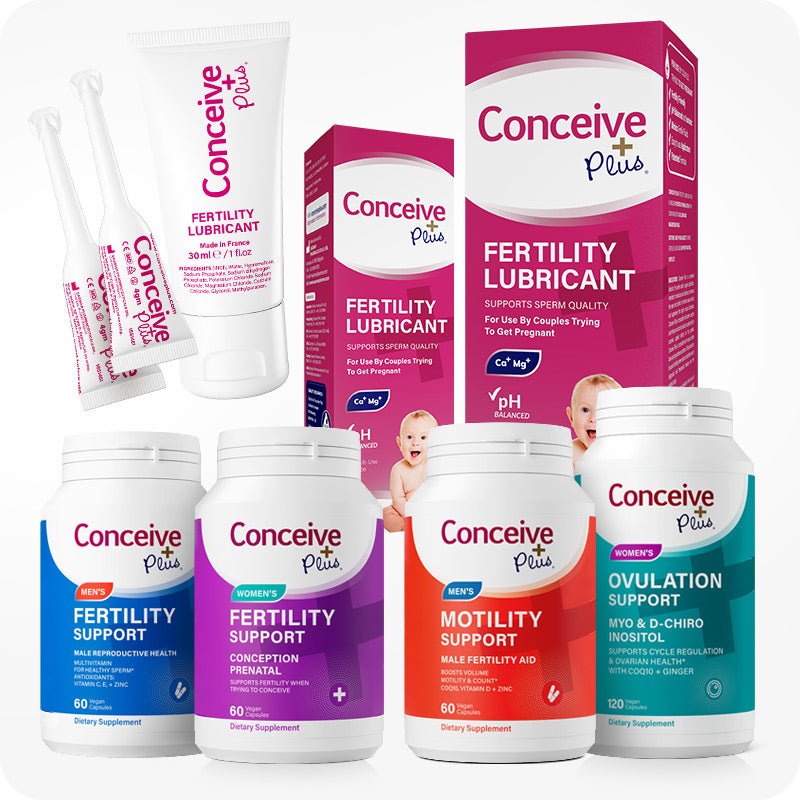
Our Ovulation & Fertility Bundle combines Myo-Inositol with essential vitamins to support healthy hormone balance and regular ovulation.
Shop Now — $55.00✓ Free shipping on orders over $40 | ✓ Trusted by millions of couples worldwide
Daily we absorb toxins. We are exposed to contaminate air and consume contaminate food, without being aware of it. We believe that the doses are too small to affect us since we do not realised direct effects on our bodies. But studies are now clearly showing the impact on our biological welfare.
Many studies since the 80’s are showing that the quality of sperm has fallen and keeps on falling. For example, the sperm count of the average Frenchman, say the researchers, fell by 32.2% between 1989 and 2005.
Even worse, studies from 1992 showed that the proportion of deformed sperm has increased by 8%.The result of chemical pollution as clearly affecting our fertility. Not only the quantity but also the quality of the sperm is dropping.
Conceive Plus is available in more than 60 countries globally, to find the closest retailer to you, visit our where to buy page
🌱 Support Your Fertility Journey
Conceive Plus fertility supplements are clinically formulated to help regulate your cycle and support egg quality.
Shop Fertility Support →Frequently Asked Questions
Recommended by Fertility Experts
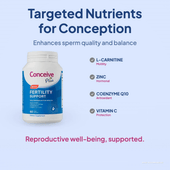
Conceive Plus Men's Fertility Support
Designed to support healthy sperm production, motility, and overall male reproductive health with clinically studied nutrients.
Shop Now →What environmental toxins are most damaging to male fertility in the US?
Common environmental toxins affecting sperm quality include pesticides, heavy metals like lead and mercury, phthalates found in plastics, and endocrine-disrupting chemicals (EDCs) present in processed foods and personal care products. In the United States, the EPA regulates many of these substances, but exposure through contaminated food, water, and air remains a concern. Studies suggest reducing exposure through dietary choices, using filtered water, and avoiding plastics marked with BPA can help protect reproductive health.
How much has sperm quality declined in American men?
Research published in major fertility journals shows that sperm counts have declined significantly in Western countries over the past 40 years, with some studies reporting decreases of 1-2% annually in developed nations. While the exact percentage varies by region and study methodology, the trend is consistent enough that the American Society for Reproductive Medicine (ASRM) acknowledges environmental and lifestyle factors as contributing causes. These declines correlate with increased chemical exposure and modern lifestyle changes.
Can dietary changes improve sperm quality for men trying to conceive?
Yes, research supports that diet significantly impacts sperm quality, as nutrients like antioxidants, zinc, selenium, and folate are essential for healthy sperm production. The ASRM recommends that men trying to conceive maintain a balanced diet rich in fruits, vegetables, whole grains, and lean proteins while limiting processed foods that may contain harmful chemicals. Most fertility specialists suggest dietary improvements as a first-line intervention before pursuing more invasive treatments.
Are fertility supplements regulated by the FDA and do they really help?
Dietary supplements, including fertility supplements, are regulated by the FDA but with less stringency than pharmaceutical drugs—they don't require pre-market approval. While some ingredients like myo-inositol, CoQ10, and vitamin D have clinical evidence supporting their role in reproductive health, it's important to choose products from reputable manufacturers and discuss supplements with your fertility doctor. The ASRM suggests that supplements may be beneficial as part of a comprehensive approach to fertility, but they're not a replacement for medical treatment when needed.
What lifestyle changes can American men make to protect sperm health?
Men can improve sperm quality by reducing exposure to heat (avoiding tight underwear and hot baths), limiting alcohol and tobacco use, maintaining a healthy weig
When should men see a fertility specialist about sperm quality concerns?
The ASRM recommends that men whose partners have been unable to conceive after one year of unprotected intercourse (or six months if the woman is over 35) should undergo semen analysis and evaluation by a reproductive urologist or fertility specialist. If initial semen analysis shows abnormalities in count, motility, or morphology, further testing and treatment options can be discussed. Many fertility clinics in the US offer comprehensive male factor evaluation and personalized treatment plans based on test results.
Is fertility treatment for low sperm quality covered by insurance in the US?
Insurance coverage for male fertility treatments varies significantly by state and individual policy, as the US lacks a federal fertility coverage mandate. Some states require insurers to cover diagnostic testing and certain treatments, while others offer no coverage for fertility-related care. It's essential to review your specific policy or contact your insurance provider directly, and many fertility clinics can help you understand coverage options and may offer payment plans for out-of-pocket expenses.
Trusted by Couples in Over 70 Countries
Support Male Fertility From the Inside Out
Male fertility is just as important as female fertility in the conception journey. Conceive Plus Men's range delivers targeted nutritional support to promote healthy sperm and overall reproductive wellbeing.
Shop Men's Range →