10 DPO Pregnancy Test: Early Signs and What to Expect
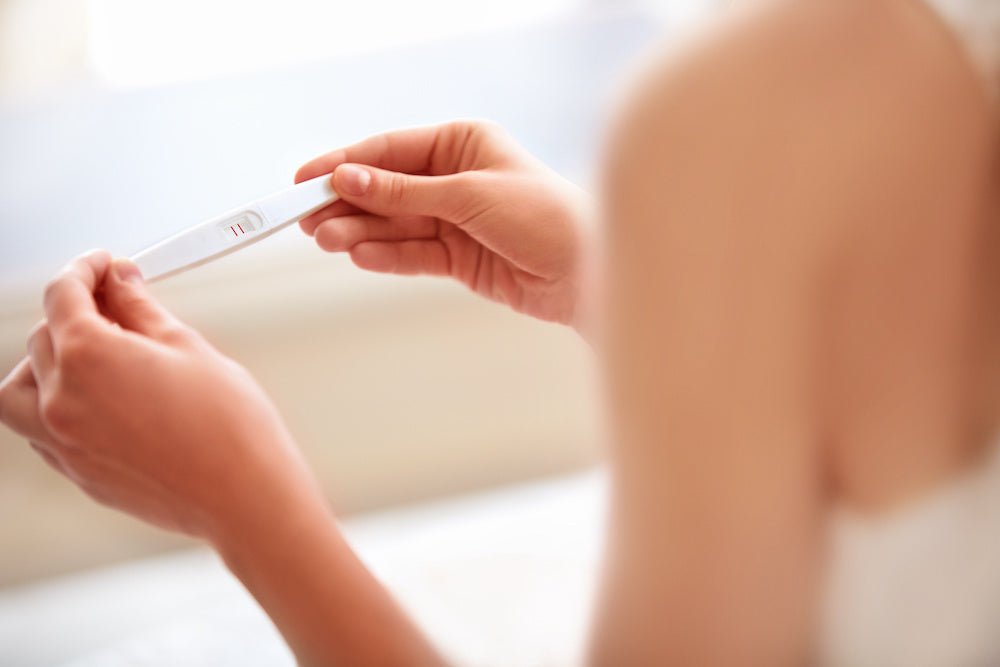

If you’ve been trying to conceive, there’s hope, anticipation, and often, anxiety of what’s going to happen. For many women, the two-week wait between ovulation and the potential confirmation of pregnancy can feel like an eternity. Most of you prefer urine pregnancy tests at home that are 99% accurate.[1] However, the 10 Days Past Ovulation (DPO) mark is particularly significant as it's one of the earliest points at which a pregnancy test might show a positive result. In this article, we will shed some light on the common symptoms at 10 DPO. Read on to know the likelihood of getting an accurate result from a pregnancy test, and what it means if you’re experiencing cramps at this stage.
What is 10 DPO?
Ten days past ovulation, or 10 DPO, is a critical point in the luteal phase of your menstrual cycle. During ovulation, an egg is released from the ovary and travels down the fallopian tube, where it can be fertilized by sperm. If fertilization occurs, the egg becomes a zygote, which then implants itself into the lining of the uterus. This implantation typically happens between 6 and 12 days past ovulation. Therefore, by 10 DPO, some women may begin to experience early pregnancy symptoms, while others might notice signs indicating the approach of their period.

Common 10 DPO Symptoms
Recommended by Fertility Experts
Conceive Plus Men's Fertility Support
Designed to support healthy sperm production, motility, and overall male reproductive health with clinically studied nutrients.
Shop Now →The body is in a state of flux during early stages of pregnancy, and it's common to experience a range of 10DPO symptoms.[2] However, it's important to remember that these symptoms can vary widely between women and even between different pregnancies.
- Cramps at 10 DPO: Many women report experiencing cramping at 10 DPO. These cramps can be similar to premenstrual cramps, making it difficult to distinguish between early pregnancy signs and an impending period. The cramps may be due to the uterus preparing for the potential implantation of a fertilized egg or the early stages of pregnancy.
- Slight Bleeding: Studies suggest that 25% of women experience slight bleeding or spotting in 6 to 12 days after conception.[3] This is lighter in color than usual menstrual blood and happens due to implantation of the fertilized egg.
- Fatigue: Hormonal changes, particularly the increase in progesterone, can cause fatigue and a general sense of tiredness. If you find yourself needing more rest than usual or struggling with energy levels, it could be a sign of early pregnancy.
- Breast Tenderness: Many women experience breast tenderness as a common 10dpo symptom. The breasts may feel fuller or more sensitive due to the hormonal changes associated with pregnancy.
- Mood Swings: Emotional fluctuations are common during the luteal phase due to hormonal shifts. You might find yourself more emotional or irritable than usual.
- Increased Basal Body Temperature (BBT): If you’re monitoring your BBT, you may notice that it remains elevated at 10 DPO.[4] A sustained increase in BBT after ovulation is often an early indicator of pregnancy.

✨ Think You Might Be Pregnant?
Get fast, accurate results up to 6 days before your missed period with our early detection pregnancy test.
Shop Now — $9.80✓ Free shipping on orders over $40 | ✓ Trusted by millions of couples worldwide
Taking a Pregnancy Test at 10 DPO
One of the most pressing questions for women trying to conceive is whether they can take a pregnancy test at 10 DPO and get an accurate result. The short answer is yes, but with some conditions.
At 10 DPO, it’s possible to get a positive pregnancy test at 10 DPO. However, it’s important to understand that this result might not be definitive. The body only begins to produce human chorionic gonadotropin (hCG)[5], the hormone detected by pregnancy tests, after implantation occurs. For some women, implantation might happen as early as 6-7 DPO, which could make a 10 DPO pregnancy test positive. However, for others, implantation might not occur until closer to 12 DPO, making it too early for a pregnancy test to detect hCG.
If you choose to take a pregnancy test at 10 DPO, it’s recommended to use a sensitive test designed to detect lower levels of hCG. Even so, it’s crucial to follow the instructions carefully and be prepared for the possibility of a false negative. A negative result at this stage doesn’t necessarily mean you’re not pregnant; it might simply be too early to detect the hormone.

Cramping at 10 DPO: What Does It Mean?
Experiencing cramping at 10DPO can be confusing and stressful, especially if you're hoping for a positive pregnancy result. The cramps can be caused by several factors, and understanding them can help ease your mind.
Implantation Cramps
One possibility is that the cramps are due to implantation. When the fertilized egg attaches itself to the uterine lining, it can cause mild cramping. This type of cramping is usually short-lived and less intense than menstrual cramps.
Early Pregnancy Cramps
Even after implantation, some women experience mild cramping as the uterus begins to change and grow. This is a normal part of early pregnancy and isn’t usually a cause for concern.
Pre-Menstrual Cramps
It’s also possible that the cramps are a sign of an impending period. Pre-menstrual cramps can be similar to early pregnancy cramps, which is why it can be so difficult to tell the difference at 10 DPO.
If you’re experiencing cramps at 10 DPO, it’s essential to listen to your body and pay attention to other symptoms. If the cramps are severe or accompanied by bleeding, it’s advisable to contact your healthcare provider.
Dealing with Uncertainty
The 10 DPO mark is a challenging time because it sits in the middle of the two-week wait when hope and anxiety are at their peak. Whether you're experiencing symptoms or waiting for a 10 DPO pregnancy test positive, it’s natural to feel a range of emotions. Here are some tips to help manage the uncertainty:
- Stay Informed: Educating yourself about the process can help you feel more in control. Understanding what’s happening in your body at 10 DPO can provide some comfort and reduce anxiety.
- Practice Self-Care: Engage in activities that help you relax and stay grounded. Whether it’s taking a walk, practicing yoga, or reading a book, find ways to nurture your well-being during this waiting period.
- Talk About It: Sharing your thoughts and feelings with a trusted friend, partner, or online community can be incredibly helpful. You’re not alone in this., Connecting with others who are going through the same experience can provide support and encouragement.

Conclusion
A 10 DPO pregnancy test can offer the first glimpse into whether you’re pregnant, but it’s essential to approach it with patience and understanding. The symptoms you experience, such as 10 DPO cramps, can provide clues, but they’re not definitive. If you receive a positive result, it’s a reason to celebrate, but if it’s negative, remember that it might still be too early. Regardless of the outcome, being kind to yourself and staying hopeful are key during this emotional time.
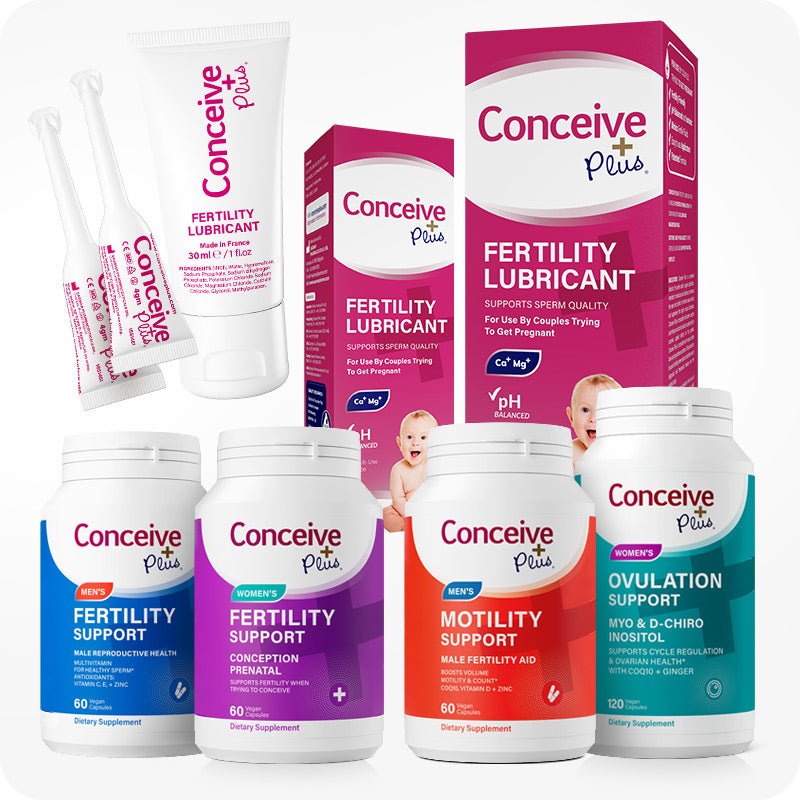
For more informative posts on female and male fertility, keep following Conceive Plus. Also check out our range of fertility products here.
References-
- https://www.webmd.com/baby/pregnancy-tests
- https://www.womenshealth.gov/pregnancy/youre-pregnant-now-what/stages-pregnancy
- https://www.nichd.nih.gov/health/topics/pregnancy/conditioninfo/signs#f2
- https://www.mayoclinic.org/tests-procedures/basal-body-temperature/about/pac-20393026
- https://americanpregnancy.org/getting-pregnant/hcg-levels/
🌱 Get Answers Early
Millions of women trust Conceive Plus for their fertility journey. Clinically validated pregnancy tests delivered to your door.
Shop Pregnancy Tests →Frequently Asked Questions
Can I get an accurate pregnancy test result at 10 DPO?
Yes, 10 DPO is generally early enough to detect pregnancy with a sensitive home urine test, though accuracy varies depending on the test's sensitivity and individual hCG levels. Most FDA-approved home pregnancy tests are 99% accurate when used correctly, but testing a few days after a missed period typically provides more reliable results. If you test at 10 DPO and get a negative result, consider retesting after your missed period for confirmation.
Are cramps at 10 DPO a sign of pregnancy or my period coming?
Cramping at 10 DPO can be caused by either implantation of a fertilized egg or the onset of menstruation, making it difficult to distinguish between the two. Implantation cramps are typically milder and more localized than menstrual cramps, though this varies by individual. The only definitive way to determine the cause is through a positive pregnancy test or confirmation of a missed period.
What is implantation bleeding and how common is it at 10 DPO?
Implantation bleeding occurs when a fertilized egg attaches to the uterine lining, typically between 6 and 12 days after conception, which can coincide with 10 DPO. Studies show approximately 25% of pregnant women experience light spotting or bleeding during implantation, which is usually lighter in color and lighter in flow than a regular period. Not all pregnancies involve implantation bleeding, so its absence does not indicate a problem.
Should I contact my doctor or fertility clinic if I'm experiencing symptoms at 10 DPO?
Most fertility clinics and healthcare providers recommend waiting until you've missed your period before scheduling an appointment or blood test, as hCG levels may not be detectable enough at 10 DPO for reliable confirmation. However, if you're under the care of a fertility specialist, they may request an early blood test based on your specific treatment protocol. Contact your healthcare provider if you experience severe cramping, heavy bleeding, or other concerning symptoms.
Is fatigue and breast tenderness at 10 DPO definitely a sign of pregnancy?
Fatigue and breast tenderness are common early pregnancy symptoms caused by hormonal changes, particularly increased progesterone, but they can also occur before menstruation due to similar hormonal fluctuations. These symptoms alone cannot confirm pregnancy and are experienced by many women during their regular cycle. A positive pregnancy test is the only reliable way to confirm whether these symptoms are pregnancy-related.
What is the difference between a blood test and urine test for detecting pregnancy at 10 DPO?
Blood tests (quantitative hCG) can detect pregnancy hormones slightly earlier and more precisely than urine tests, making them potentially more reliable at 10 DPO, though timing still varies based on individual hCG production. Urine tests are more convenient and readily available over-the-counter, but may show false negatives at very early stages if hCG levels are still low. The American Society for Reproductive Medicine typically recommends blood tests through fertility clinics for early detection, while home urine tests are best used after a missed period.
Does insurance cover early pregnancy testing or fertility monitoring at 10 DPO?
Insurance coverage for early pregnancy testing and fertility monitoring varies significantly by plan and provider; many plans cover blood tests ordered by a physician but not over-the-counter home tests. If you're working with a fertility clinic or your OB-GYN, ask about coverage for hCG blood tests, as these are more likely to be covered than home urine tests. Contact your insurance provider directly to understand your specific coverage for reproductive health testing.
Trusted by Couples in Over 70 Countries
Support Male Fertility From the Inside Out
Male fertility is just as important as female fertility in the conception journey. Conceive Plus Men's range delivers targeted nutritional support to promote healthy sperm and overall reproductive wellbeing.
Shop Men's Range →