PCOS and Fertility: A Comprehensive Science-Backed Guide to Conceiving with Polycystic Ovary Syndrome


Polycystic Ovary Syndrome (PCOS) is one of the most common hormonal disorders affecting women of reproductive age, yet it remains widely misunderstood. For the approximately 1 in 10 women living with PCOS, the condition can feel like a formidable barrier to conception. However, with the right knowledge, medical support, and lifestyle strategies, achieving a healthy pregnancy is not only possible—it is happening every day.
This comprehensive guide explores the intricate connection between PCOS and fertility, offering evidence-based insights into how PCOS affects ovulation, what medical treatments are available, which lifestyle changes make a real difference, and how you can take proactive steps to optimise your reproductive health.
Understanding PCOS and Its Impact on Fertility
PCOS is a complex endocrine disorder characterised by hormonal imbalances that interfere with the normal function of the ovaries. The condition gets its name from the multiple small follicles (often described as "cysts") that appear on the ovaries on ultrasound, though not all women with PCOS will have these visible follicles.
The primary hormonal disruptions in PCOS involve elevated levels of androgens (male hormones such as testosterone) and insulin resistance. These imbalances create a cascade of effects throughout the body, with perhaps the most significant being their impact on ovulation—the monthly release of a mature egg from the ovary.
Research published in the journal Human Reproduction Update estimates that PCOS accounts for approximately 80% of anovulatory infertility cases. This means that for many women with PCOS, the primary fertility challenge is not having a regular, predictable ovulation cycle. The good news is that this is a treatable problem, and most women with PCOS can ovulate and conceive with the right interventions.
Diagnosis: Are You One of the 1 in 10?
PCOS is typically diagnosed using the Rotterdam criteria, which require the presence of at least two of the following three features: oligo-ovulation or anovulation manifesting as irregular menstrual cycles, clinical or biochemical hyperandrogenism (excess hair growth, acne, elevated testosterone), and polycystic ovaries on ultrasound.
Blood tests commonly used include measurements of FSH, LH, testosterone, sex hormone-binding globulin (SHBG), anti-Müllerian hormone (AMH), fasting glucose and insulin, and a lipid panel. The LH-to-FSH ratio is often elevated in PCOS, typically greater than 2:1. A thorough diagnostic workup is essential before concluding PCOS is the cause of fertility challenges.
The Hormonal Cascade: How PCOS Disrupts Ovulation
In PCOS, several hormonal disruptions interfere with the normal ovulatory process. Women with PCOS often have chronically elevated LH levels that prevent the precise LH surge needed to trigger ovulation. Elevated androgens, particularly testosterone, directly impair follicle development and egg maturation. An estimated 50-70% of women with PCOS have some degree of insulin resistance, driving further androgen production. Sex hormone-binding globulin levels are typically low, meaning more free, active testosterone circulates in the body.
The net effect is that follicles begin to develop but stall before reaching maturity. They accumulate in the ovary as the characteristic "string of pearls" seen on ultrasound, and ovulation does not occur. Without ovulation, there is no egg to fertilise, which is why PCOS is such a common cause of infertility.
Medical Treatments: Evidence-Based Fertility Options for PCOS
Lifestyle Modification First: Even modest weight loss of 5-10% of body weight can restore ovulation in many women with PCOS. A 2015 Cochrane Review found that lifestyle interventions improved ovulation rates, pregnancy rates, and metabolic health.
Letrozole (Femara): An aromatase inhibitor that has become the preferred first-line treatment. The landmark PPCOS II trial in the New England Journal of Medicine showed letrozole results in higher live birth rates than clomiphene in women with PCOS (27.5% vs 19.1%).
Clomiphene Citrate (Clomid): A selective oestrogen receptor modulator achieving ovulation in approximately 70-80% of women with PCOS, with pregnancy rates of approximately 30-40% over six cycles.
Metformin: An insulin-sensitising medication beneficial for women with insulin resistance or impaired glucose tolerance.
IVF: Offers high success rates for those who do not respond to ovulation induction, though careful management is needed to reduce OHSS risk.
Nutrition and Lifestyle: The Foundation of PCOS Fertility Management
Lifestyle modifications form the foundation of PCOS management. A PCOS-friendly diet focuses on improving insulin sensitivity and reducing inflammation. The Low Glycaemic Index diet emphasises whole grains, legumes, vegetables, and fruits while limiting refined carbohydrates. The Mediterranean diet has been shown to improve insulin sensitivity and support hormonal balance.
Both aerobic exercise and resistance training improve insulin sensitivity and can help restore ovulation. The American College of Obstetricians and Gynecologists recommends at least 150 minutes of moderate-intensity aerobic activity per week. Prioritising 7-9 hours of quality sleep and incorporating stress-reduction practices such as yoga, meditation, or deep breathing can make a meaningful difference.
Nutritional Supplements That Support PCOS Fertility
Choosing the right fertility supplements for women with PCOS can meaningfully improve ovulation regularity and reproductive outcomes. The following nutrients have the strongest clinical evidence for PCOS-related infertility:
- Inositol: Perhaps the most researched of all trying to conceive supplements for PCOS. A 40:1 ratio of myo-inositol to D-chiro-inositol improves ovulation rates, hormone profiles, and metabolic parameters.
- Vitamin D: Supplementation can improve insulin sensitivity, reduce androgen levels, and support overall reproductive health — a cornerstone of any ovulation support protocol.
- Omega-3 Fatty Acids: Anti-inflammatory effects that help reduce androgen levels and support metabolic health.
- Coenzyme Q10 (CoQ10): Supports cellular energy production and may improve egg quality, particularly important for older women with PCOS.
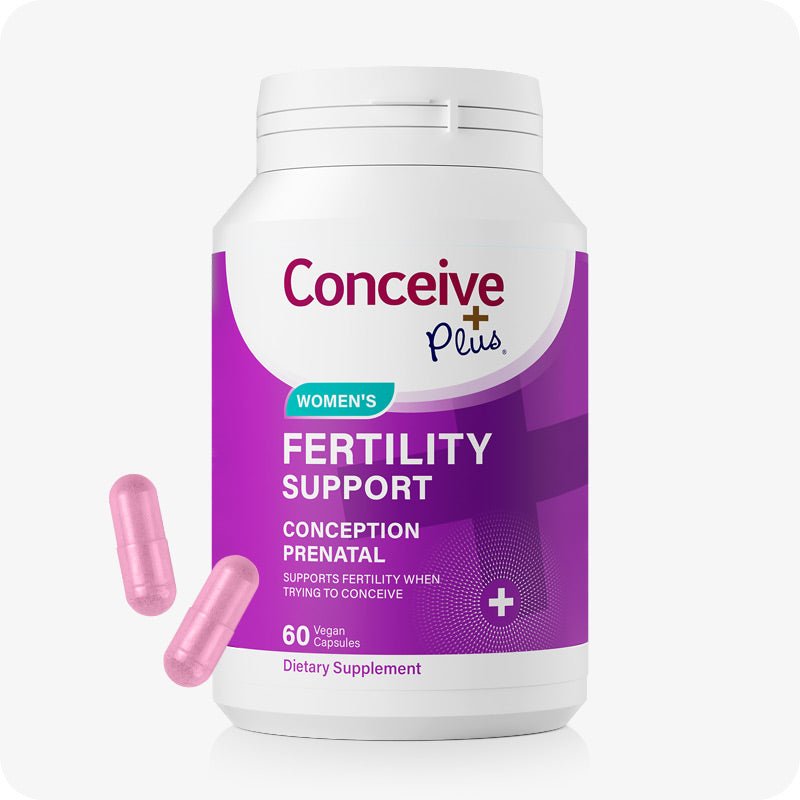
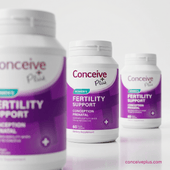
Conceive Plus offers a complete ovulation support supplement and Women's Fertility Support — best-in-class prenatal vitamins that include many of these evidence-based nutrients in their most bioavailable forms. Browse Conceive Plus fertility supplements for women →
✨ Support Your PCOS Fertility Journey with Conceive Plus
Every step of your fertility journey deserves the best possible support. Conceive Plus ovulation support supplements are formulated with evidence-backed ingredients at clinically studied doses — including the 40:1 myo-inositol ratio specifically validated for PCOS — to help you take control of your reproductive health with confidence.
Whether you are actively trying to conceive or preparing your body for the journey ahead, Conceive Plus fertility supplements for women are developed alongside fertility specialists to complement your natural cycle and support optimal reproductive function.
Shop Fertility Supplements for Women →Tracking Ovulation with PCOS: Tips for Success
Irregular cycles make predicting ovulation more challenging. Ovulation Predictor Kits (OPKs) may give false-positive results due to persistently elevated LH. Digital OPKs that track both oestrogen and LH can be more reliable.
Basal Body Temperature (BBT) charting reliably confirms ovulation after it occurs. Cervical mucus monitoring is free and immediate. For women undergoing fertility treatment, serial ultrasounds provide the most accurate picture.
Emotional Well-Being: Navigating the PCOS Fertility Journey
Women with PCOS report higher rates of anxiety and depression. Building a support system—partner, friends, therapist, support groups—is essential. Mindfulness and stress reduction techniques can help manage the emotional ups and downs.
Frequently Asked Questions About PCOS and Fertility
Can I get pregnant naturally with PCOS?
Yes, many women with PCOS conceive naturally, especially with lifestyle modifications such as dietary changes, exercise, and weight management. Ovulation induction treatments further increase the chances.
Does PCOS cause permanent infertility?
No, PCOS does not cause permanent infertility. It is a treatable cause of infertility, and most women with PCOS can achieve pregnancy with appropriate treatment.
What is the best treatment for PCOS infertility?
Letrozole is currently considered the most effective first-line medication for ovulation induction in women with PCOS, with significantly higher live birth rates than clomiphene.
Does inositol help with PCOS fertility?
Yes, extensive research supports the use of myo-inositol and D-chiro-inositol in improving ovulation, metabolic parameters, and fertility outcomes in women with PCOS.
Can losing weight help me get pregnant with PCOS?
Absolutely. Even a modest weight loss of 5-10% of total body weight can restore ovulation, improve insulin sensitivity, and enhance fertility outcomes.
Is IVF more successful for women with PCOS?
IVF success rates in women with PCOS are generally good, as they tend to produce more eggs per cycle, though careful management is required to reduce the risk of OHSS.
What foods should I avoid with PCOS?
Limit high-glycaemic foods (white bread, sugary snacks, refined carbohydrates) that spike blood sugar and worsen insulin resistance.
Does stress make PCOS worse?
Yes, chronic stress elevates cortisol levels, which can worsen insulin resistance and hormonal imbalances.
Can I take fertility supplements while on PCOS medication?
Many women take supplements alongside prescribed medication, but consult your healthcare provider first. Some supplements like inositol can complement letrozole or clomiphene treatment.
How long does it typically take to conceive with PCOS?
This varies. With treatment, most women with PCOS conceive within 6-12 months of starting ovulation induction.
PCOS may present unique challenges on your fertility journey, but with the right combination of medical support, lifestyle changes, nutritional supplementation, and emotional care, achieving a healthy pregnancy is within reach. Every cycle is an opportunity, and every step you take brings you closer to your goal.
🌟 Take the Next Step with Confidence
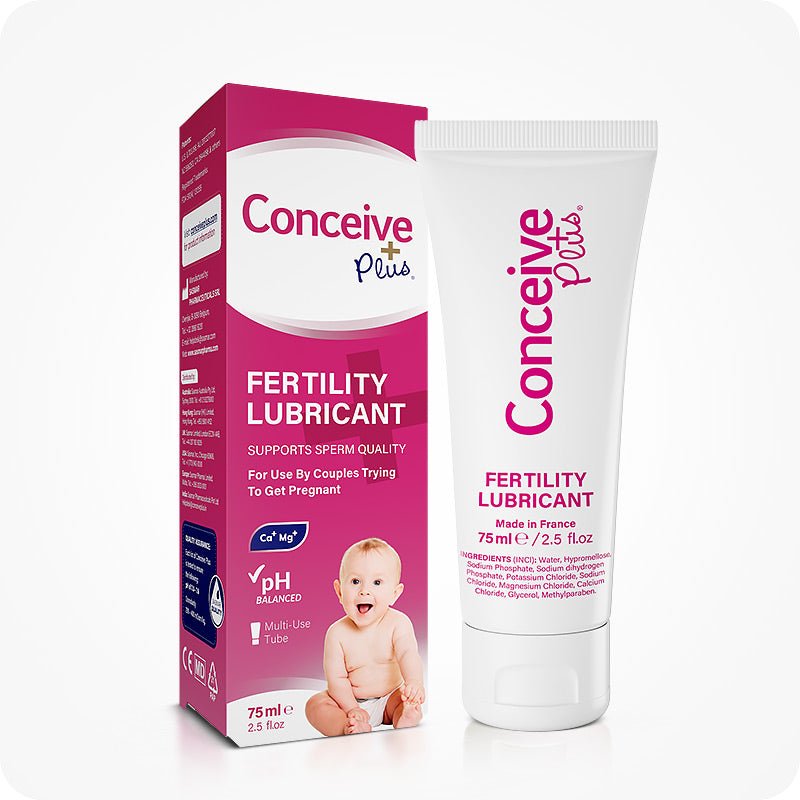
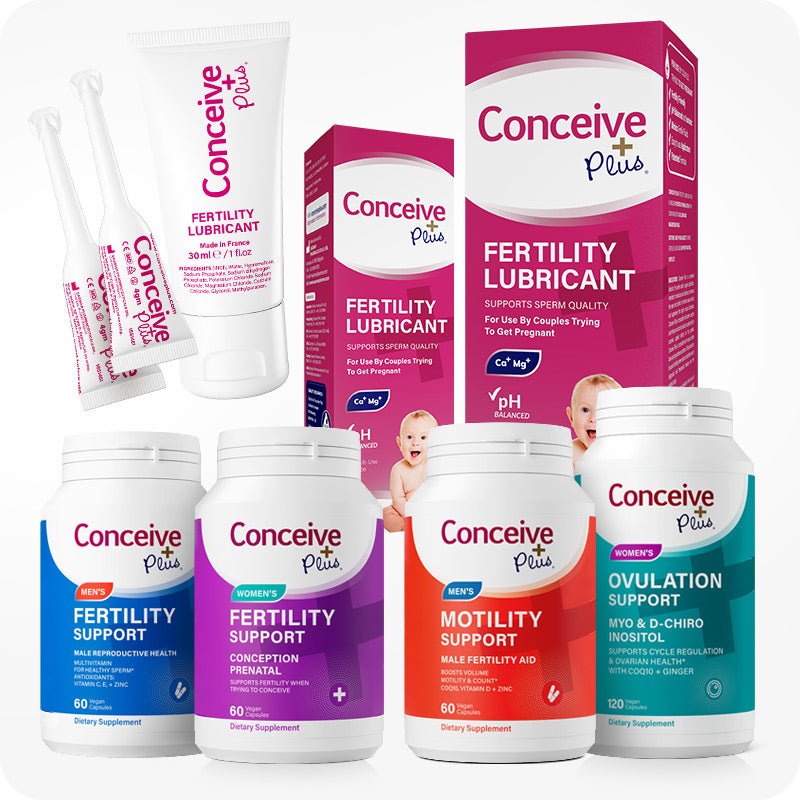
You have taken an important step by educating yourself about your fertility. Now pair that knowledge with products you can trust. Conceive Plus offers a complete range of fertility-supporting supplements and lubricants, all developed with scientific rigour and a deep understanding of what your body needs to conceive.
From ovulation support to male fertility and specialised fertility-friendly lubricants, every product is designed to give you the best possible foundation for conception.
Shop Conceive Plus Fertility Supplements →