Ovulation Support Supplements: What Helps You Ovulate Regularly


Ovulation Support Supplement Guide: What Actually Helps You Ovulate Regularly
When you're trying to conceive, understanding and supporting your ovulation cycle is one of the most powerful steps you can take. An ovulation support supplement can be a valuable part of your fertility toolkit — but not all supplements are created equal. This comprehensive guide covers the science behind ovulation support supplements, the key ingredients to look for, and how Conceive Plus is formulated to help women ovulate more regularly.
Whether you're dealing with irregular cycles, PCOS, or simply want to optimise your fertility health naturally, understanding ovulation support supplements can help you make informed decisions on your conception journey.
What Is an Ovulation Support Supplement?
An ovulation support supplement is a dietary supplement designed to promote healthy, regular ovulation in women. Ovulation — the release of a mature egg from the ovary — is essential for conception. Without ovulation, pregnancy is not possible. Yet many women experience irregular or absent ovulation due to hormonal imbalances, nutrient deficiencies, stress, or conditions like PCOS (polycystic ovary syndrome).
Ovulation vitamins and supplements to help ovulation work by targeting the hormonal pathways and nutritional foundations that underpin a healthy menstrual cycle. The best formulations combine multiple evidence-based ingredients that work synergistically to restore hormonal balance, support follicle development, and encourage regular egg release.
Studies show that up to 25% of female infertility cases are related to ovulation disorders, making ovulation support one of the most critical areas of fertility supplementation. With the right ovulation support supplement, many women can experience improved cycle regularity within just a few months.
Inositol for Ovulation: The Gold-Standard Ingredient
Inositol for ovulation has become one of the most researched fertility nutrients over the past decade, with an impressive body of clinical evidence supporting its effectiveness — particularly for women with PCOS and insulin resistance.
Inositol exists in several forms, but myo-inositol and D-chiro-inositol are the two most studied in fertility research. Myo-inositol plays a crucial role in insulin signalling — when insulin sensitivity is compromised, it disrupts ovarian function and leads to irregular or absent ovulation. By improving insulin sensitivity, myo-inositol helps restore normal ovulatory cycles.
A landmark study published in the European Review for Medical and Pharmacological Sciences found that women with PCOS who supplemented with myo-inositol experienced a 72% rate of spontaneous ovulation compared to just 52% in the placebo group. Additionally, a 2019 meta-analysis in Reproductive Biomedicine Online confirmed that myo-inositol supplementation significantly improves ovulation frequency, menstrual regularity, and hormonal profiles in women with PCOS.
The physiological ratio of myo-inositol to D-chiro-inositol in healthy ovaries is approximately 40:1. Many leading ovulation support supplement formulations, including Conceive Plus, incorporate this evidence-based ratio to maximise ovarian support while minimising side effects.
Even for women without PCOS, inositol for ovulation can support egg quality, reduce oxidative stress in follicles, and promote more predictable ovulation timing — all factors that increase the likelihood of successful conception.
Ready to Support Your Ovulation Naturally?
Conceive Plus Ovulation Support is formulated with clinically studied ingredients to promote regular ovulation and hormone balance.
Shop Conceive Plus Supplements →Key Ingredients in an Effective Ovulation Support Supplement
Beyond inositol for ovulation, a high-quality ovulation support supplement should contain a carefully curated blend of nutrients that address multiple aspects of ovulatory health. Here's what the science says about the most important ingredients to look for:
Folate (Methylfolate or Folinic Acid)
Folate — specifically in its bioactive methylfolate form — is essential for DNA synthesis and cell division, both critical processes during follicle development and early embryo growth. Unlike synthetic folic acid, methylfolate is immediately usable by the body regardless of MTHFR gene variants, which affect up to 40% of the population. Research consistently shows that adequate folate status improves egg quality and reduces the risk of chromosomal abnormalities in developing embryos. Conceive Plus fertility supplements for women use methylfolate to ensure maximum bioavailability.
Vitamin D3
Vitamin D deficiency is significantly associated with ovulatory dysfunction and reduced fertility. The ovaries have vitamin D receptors, and this nutrient plays a direct role in regulating the hormones that control ovulation, including FSH (follicle-stimulating hormone) and AMH (anti-Müllerian hormone). A study in the Journal of Clinical Endocrinology & Metabolism found that women with adequate vitamin D levels had a 34% higher chance of successful conception compared to those who were deficient. As an ovulation vitamin, D3 is non-negotiable.
CoQ10 (Coenzyme Q10)
CoQ10 is a potent antioxidant that powers cellular energy production. In the ovaries, CoQ10 supports mitochondrial function within egg cells — a process that becomes increasingly important as women age. By reducing oxidative damage in follicles, CoQ10 helps protect egg quality and may extend a woman's ovarian reserve. Studies show that CoQ10 supplementation can improve ovarian response to stimulation and increase the number of mature follicles in both IVF patients and women trying to conceive naturally.
Vitex (Chasteberry)
Vitex agnus-castus has centuries of traditional use as a hormone-balancing herb, and modern research is beginning to confirm why. Vitex acts on the pituitary gland to increase luteinising hormone (LH) production, which triggers ovulation. It also helps balance the ratio of progesterone to oestrogen in the luteal phase, supporting successful implantation. For women with luteal phase defects or mild hyperprolactinaemia, vitex has shown particular promise as an ingredient in supplements to help ovulation.
Magnesium
Magnesium is involved in over 300 enzymatic processes in the body, including those that regulate sex hormone production and insulin sensitivity. Low magnesium levels are associated with higher rates of anovulation (absence of ovulation) and irregular periods. As a component of an ovulation support supplement, magnesium helps create the physiological environment needed for healthy follicle development and hormone regulation.
Zinc
Zinc is critical for ovarian follicle development, oocyte maturation, and the LH surge that triggers ovulation. Research published in Reproductive Biology and Endocrinology shows that zinc deficiency impairs follicular development and reduces egg quality. Adequate zinc is therefore an essential part of any ovulation vitamin formulation.
N-Acetyl Cysteine (NAC)
NAC is a precursor to glutathione — the body's master antioxidant. For women with PCOS, NAC has shown impressive results in clinical trials, improving ovulation rates and insulin sensitivity. A 2020 Cochrane review found NAC comparable to metformin in improving ovulation in women with PCOS, without the gastrointestinal side effects.
How Conceive Plus Supports Ovulation
Conceive Plus has been a trusted name in fertility health for over a decade, with products formulated in consultation with reproductive health specialists and backed by clinical research. The Conceive Plus women's ovulation support supplement range is designed to address the most common root causes of ovulatory dysfunction — from insulin resistance and nutrient deficiency to oxidative stress and hormonal imbalance.
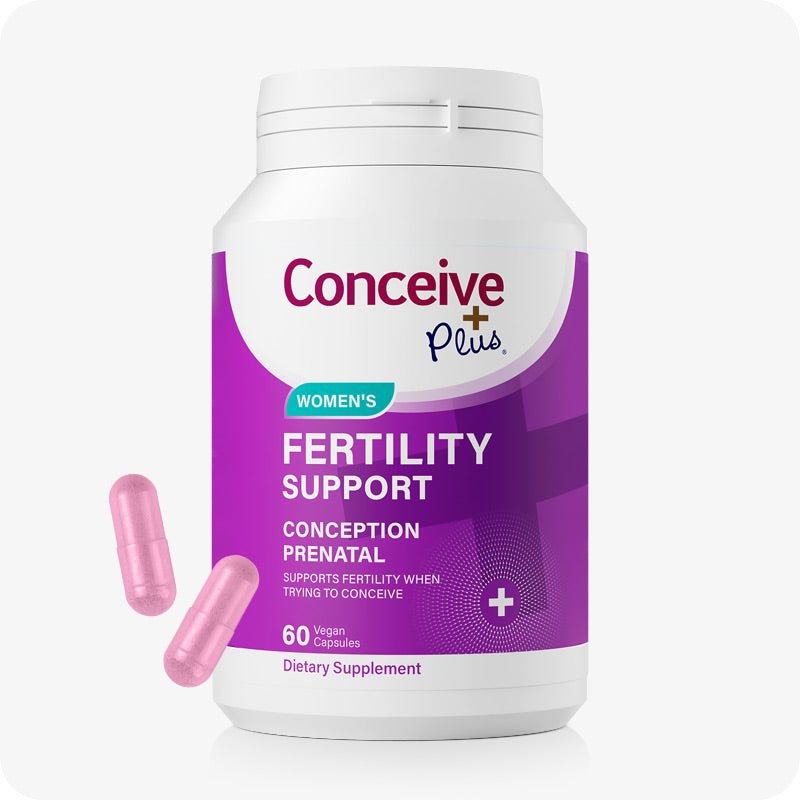
Conceive Plus fertility supplements for women combine the full evidence-based stack of ovulation-supporting nutrients:
- Myo-inositol and D-chiro-inositol at the physiological 40:1 ratio for inositol for ovulation support
- Methylfolate (5-MTHF) for bioavailable folate without MTHFR concerns
- Vitamin D3 at therapeutic doses for hormonal regulation
- CoQ10 (ubiquinol form) for maximum antioxidant bioavailability
- Vitex standardised extract for progesterone and LH support
- Chelated magnesium and zinc for superior absorption
- NAC for glutathione synthesis and insulin sensitivity
Women who use Conceive Plus report more regular cycles, better-quality cervical mucus, and more predictable ovulation within 2-3 months of consistent supplementation. Conceive Plus is manufactured in GMP-certified facilities and is free from artificial additives, making it one of the most trusted ovulation vitamins on the market today.
Ovulation Vitamins vs Prenatal Vitamins: What's the Difference?
Many women trying to conceive wonder whether ovulation vitamins are different from prenatal vitamins — and the answer is yes, in important ways. While prenatal vitamins focus on supporting a healthy pregnancy (particularly adequate folate and iron to prevent neural tube defects and anaemia), ovulation support supplement formulations are specifically designed for the pre-conception phase.
Prenatal vitamins typically contain a broad spectrum of nutrients at pregnancy-maintenance doses. Ovulation supplements, by contrast, are formulated with higher concentrations of key ovulation-supporting nutrients — particularly inositol, CoQ10, vitex, and antioxidants — that are relevant during the follicular phase and don't need to continue at the same doses during pregnancy.
The ideal approach for most women trying to conceive is to take an ovulation-specific supplement during the TTC phase, then transition to a comprehensive prenatal vitamin once pregnancy is confirmed. Some women also overlap both — using the ovulation supplement alongside a basic prenatal — particularly during assisted reproduction cycles.
Conceive Plus offers targeted formulations for each phase of the fertility and pregnancy journey, allowing women to optimise their nutritional support precisely when it matters most.
Who Benefits Most from Ovulation Support Supplements?
While any woman trying to conceive can benefit from optimising her nutritional status, certain groups may see the most significant improvements from a targeted ovulation support supplement:
Women with PCOS
PCOS is one of the most common causes of ovulatory dysfunction, affecting up to 10-15% of women of reproductive age. The insulin resistance that underlies most PCOS cases directly disrupts the hormonal cascade that governs ovulation. Inositol-based supplements to help ovulation have shown the strongest evidence in this population, with multiple randomised controlled trials demonstrating improvements in ovulation rate, cycle regularity, and metabolic markers.
Women with Irregular Cycles
Irregular menstrual cycles — defined as cycles consistently shorter than 21 days or longer than 35 days — often indicate underlying hormonal imbalance. An ovulation-specific supplement can help re-establish hormonal rhythm, particularly when it includes vitex, inositol, and vitamin D.
Women Over 35
As women age, egg quality and ovarian reserve naturally decline. While no supplement can reverse age-related fertility decline, CoQ10 and antioxidant-rich ovulation support supplement formulations can help mitigate oxidative damage to remaining follicles, potentially improving the quality of eggs that are still being produced.
Women After Hormonal Contraception
Hormonal contraceptives — particularly the pill — can deplete key nutrients including B vitamins, zinc, and magnesium. After stopping contraception, some women experience post-pill amenorrhea (absence of periods) or irregular cycles while their hormonal axis re-establishes itself. Supplementing with targeted ovulation vitamins during this transition period can help speed recovery of regular ovulation.
Women Preparing for IVF
Even for women using assisted reproductive technology, natural ovulation support can improve the quality of eggs retrieved. Many fertility clinics now recommend CoQ10 and folate supplementation in the months prior to IVF stimulation, and inositol supplementation has been shown to improve IVF outcomes in several clinical studies.
Give Your Fertility Journey the Best Start
Thousands of women trust Conceive Plus supplements to support healthy ovulation cycles and hormone balance when trying to conceive.
Explore All Conceive Plus Supplements →How Long Until an Ovulation Support Supplement Works?
This is one of the most common questions women have when starting an ovulation support supplement. The honest answer is that it depends on the underlying cause of the ovulation irregularity and the individual's physiological response. However, here's a general framework based on clinical evidence:
- 1-2 months: Nutritional deficiencies begin to correct. Blood levels of folate, vitamin D, and other micronutrients improve. Some women notice improved energy and reduced PMS symptoms.
- 2-3 months: Most women begin to see improvements in cycle regularity. Inositol for ovulation studies typically show significant effects by the 12-week mark. Ovulation may become more predictable and luteal phase symptoms may improve.
- 3-6 months: Maximum benefit for most women, particularly regarding egg quality improvements from CoQ10. This aligns with the 90-day maturation cycle of egg follicles (folliculogenesis), meaning supplements started today affect egg quality in roughly 3 months.
Consistency is key. Taking an ovulation support supplement occasionally or inconsistently significantly reduces its effectiveness. Set a daily reminder and treat it like any other health habit.
Conceive Plus vs Pre-Seed: Supporting Conception at Every Step
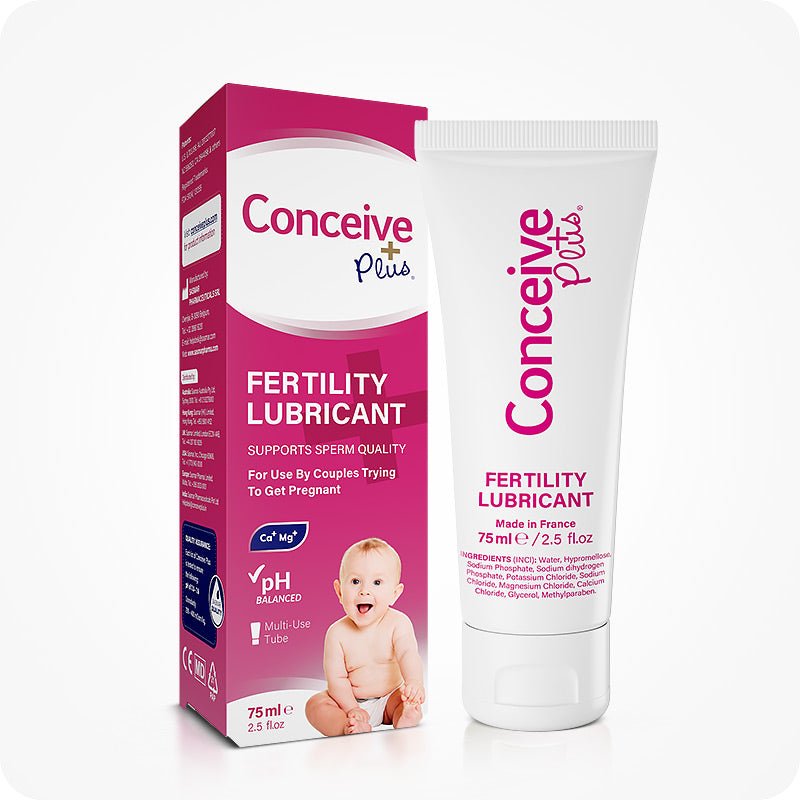
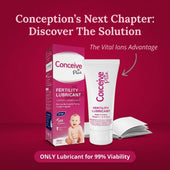
Many women trying to conceive use both internal supplements and external fertility support. While Conceive Plus Ovulation Support works from within to promote regular ovulation, Conceive Plus fertility lubricant provides sperm-safe, pH-balanced support in the bedroom. Unlike Pre-Seed and many standard lubricants, Conceive Plus lubricant is formulated with calcium and magnesium ions that actively support sperm function — going beyond simply being "sperm-safe" to actively optimising the environment for fertilisation.
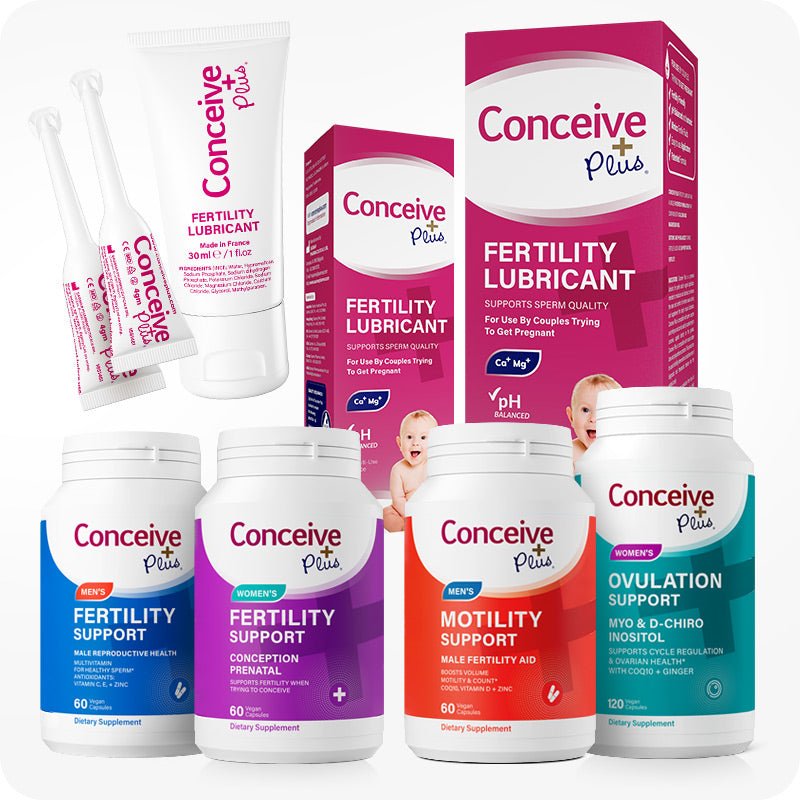
For couples trying to conceive, combining Conceive Plus fertility supplements for women (and men's supplements for the male partner) with Conceive Plus lubricant provides comprehensive support across all aspects of the conception process. Thousands of couples worldwide have made Conceive Plus a cornerstone of their TTC journey.
Frequently Asked Questions About Ovulation Support Supplements
What is the best ovulation support supplement?
The best ovulation support supplement is one that combines evidence-based ingredients in clinically relevant doses, including myo-inositol, methylfolate, vitamin D3, CoQ10, and vitex. Conceive Plus is formulated to include all of these key nutrients and is specifically designed for women trying to conceive, making it one of the most comprehensive options available.
How much inositol should I take for ovulation support?
Clinical research most commonly uses doses of 2,000-4,000mg of myo-inositol per day for inositol for ovulation support. The physiological ratio of myo-inositol to D-chiro-inositol is 40:1. Conceive Plus incorporates this research-backed ratio in its formulation. Always follow the product's recommended dosage or consult with your healthcare provider.
Can ovulation vitamins help with PCOS?
Yes — particularly those containing inositol. Multiple randomised controlled trials have demonstrated that ovulation vitamins containing myo-inositol can significantly improve ovulation rates, cycle regularity, and hormonal profiles in women with PCOS. NAC (N-acetyl cysteine) has also shown promising results as a supplement to help ovulation in PCOS patients.
Are ovulation supplements safe to take alongside fertility treatments?
Many women take ovulation support supplement formulations alongside fertility medications and IVF preparation. However, you should always inform your fertility specialist or reproductive endocrinologist about all supplements you're taking, as some ingredients (such as vitex) may interact with certain hormonal medications. Your doctor can advise on what's appropriate for your specific treatment protocol.
How do I know if my ovulation support supplement is working?
Signs that your ovulation support supplement is working include more regular menstrual cycles, improved cervical mucus quality around ovulation, more consistent positive readings on LH ovulation test strips, and reduced PMS symptoms. Using an ovulation predictor kit or tracking your basal body temperature can help you detect improvements in ovulatory patterns over time.
Can I take an ovulation supplement if I'm not sure I have an ovulation problem?
Absolutely. Even women with regular cycles can benefit from supplements to help ovulation, as these formulations support overall reproductive health, egg quality, and hormonal balance. Think of it as optimising your fertility health, not just treating a problem.
Should my partner also take fertility supplements?
Yes — male fertility contributes to roughly 40-50% of conception challenges. While you support your ovulation with an ovulation support supplement, your partner can optimise sperm health with a targeted male fertility supplement. Conceive Plus men's supplements are designed to improve sperm count, motility, and morphology — the three key parameters of semen quality.
When should I start taking ovulation support supplements?
Ideally, start taking an ovulation support supplement at least 2-3 months before you begin actively trying to conceive, as this allows time for nutritional status to optimise and for the supplement's effects on follicle development to take hold. However, it's never too late to start — benefits can be observed even when supplementation begins at the same time as TTC efforts.
Are there any side effects from ovulation support supplements?
High-quality ovulation vitamins are generally well tolerated. The most commonly reported side effect from inositol is mild digestive discomfort at the start, which typically resolves within a few days. Taking supplements with food can help minimise this. If you experience any concerning symptoms, discontinue use and consult your healthcare provider.
Can ovulation supplements guarantee pregnancy?
No supplement can guarantee pregnancy. An ovulation support supplement works to optimise the conditions for ovulation and conception, but many factors influence fertility. However, by addressing nutritional deficiencies, supporting hormonal balance, and improving egg quality, these supplements can meaningfully increase your chances of natural conception over time.