Male Fertility Test at Home: What Results Mean and What to Do Next


Male Fertility Test at Home: What Your Results Mean and What to Do Next
If you're trying to conceive and wondering whether a male fertility test at home is worth doing, the answer is almost always yes. Home sperm tests have become remarkably accurate, affordable, and easy to use — and they give couples critical information that can change the trajectory of their fertility journey. This comprehensive guide covers everything you need to know about at-home sperm testing, how to interpret your results, and the evidence-based steps you can take if something looks off.
Why a Male Fertility Test at Home Makes Sense for TTC Couples
Male factor infertility contributes to roughly 40–50% of all infertility cases, yet men are significantly less likely than women to seek fertility testing early. Historically, this was partly because getting a sperm analysis required visiting a clinic, providing a sample in a somewhat clinical environment, and waiting days for results. Male fertility tests at home have changed that dynamic entirely.
Modern home sperm tests measure the same core parameters that laboratories assess: sperm count (concentration), motility (movement), and in some cases morphology (shape). Leading FDA-cleared devices like YO, Trak, and Legacy's at-home kit provide smartphone-readable results within minutes. Some even capture video of sperm movement, giving a visual sense of what's happening at a microscopic level.
Beyond convenience, there's a psychological benefit. Knowing your baseline — whether reassuring or concerning — is always more useful than guessing. If results are normal, couples can continue trying with confidence. If results flag a potential issue, that knowledge unlocks a pathway to targeted intervention, including nutritional support, lifestyle changes, and medical evaluation.
What Does a Home Sperm Test Actually Measure?
Ready to boost your fertility journey? Explore Conceive Plus — trusted by thousands of couples worldwide.
Understanding what your male fertility test at home measures helps you interpret results accurately. Here are the key parameters:
Sperm Concentration (Count)
This measures how many sperm are present per millilitre of semen. The World Health Organisation (WHO) defines normal as 16 million sperm/mL or more (updated 2021 reference values). Most home tests report this as "normal" or "low" rather than an exact figure, though advanced devices (like Trak) provide a more precise readout.
Sperm Motility
Motility refers to the percentage of sperm that are moving. WHO defines normal as at least 42% of sperm showing any movement, and at least 30% showing progressive motility (swimming forward). A home sperm test that measures motility — not all do — will tell you whether your sperm are swimmers or sluggish.
Total Motile Sperm Count (TMSC)
Some advanced home devices calculate TMSC, which combines concentration and motility into a single fertility-relevant number. A TMSC above 20 million is generally considered reassuring for natural conception.
Sperm Morphology
Shape matters more than many people realise. Sperm with normal morphology (at least 4% by strict Kruger criteria) are more likely to fertilise an egg successfully. Most home tests don't measure morphology due to the technical requirements — this typically requires a clinical lab.
How to Take a Home Sperm Test: Step-by-Step
Getting an accurate result from your male fertility check at home requires careful preparation. Small variables in collection can significantly skew results.
- Abstain for 2–5 days beforehand. This is the optimal window. Abstaining too long (7+ days) actually reduces motility and increases DNA fragmentation; too short (under 48 hours) may reduce volume and count.
- Collect the sample correctly. Use the sterile collection cup provided. Avoid lubricants, which can interfere with results. Collect the full ejaculate, as the first fraction is richest in sperm.
- Test at room temperature. Sperm are sensitive to temperature changes. Most kits require the sample to reach room temperature (20–25°C / 68–77°F) before testing.
- Follow timing instructions exactly. Liquefaction (the semen becoming less viscous) takes 15–30 minutes. Testing too early will give inaccurate concentration readings.
- Read results as directed. App-based devices will walk you through the analysis. Manual test strips typically show line patterns similar to a pregnancy test.
Ready to support sperm health proactively? Whether your results were reassuring or flagged a concern, Conceive Plus Men's Fertility Support provides clinically studied nutrients — CoQ10, zinc, selenium, L-carnitine — to optimise sperm count, motility, and DNA integrity.
Interpreting Your Male Fertility Test at Home Results
Getting a result is only half the battle — interpreting it correctly is what drives action. Here's a breakdown of what different outcomes mean:
If Results Are Normal
A normal home sperm test result is genuinely reassuring, but it doesn't rule out every possible male factor issue. Morphology, DNA fragmentation, and antibody presence aren't measured by most home tests. If you've been trying for 12+ months (6 months if the female partner is over 35) without success despite normal home results, it's worth getting a full clinical semen analysis.
If Results Show Low Count
Low sperm count (oligospermia) is one of the most common fertility challenges in men. Causes range from lifestyle factors (heat exposure, tight clothing, smoking, alcohol) to varicocele (enlarged testicular veins), hormonal imbalances, or genetic conditions. The good news: sperm regenerates roughly every 74 days, so lifestyle and supplement interventions can yield measurable improvements within 2–3 months.
If Results Show Low Motility
Poor sperm motility (asthenospermia) means sperm can't swim effectively to reach the egg. This is where motility supplements after sperm test become especially relevant. Nutrients like CoQ10, L-carnitine, and selenium have the strongest clinical evidence for improving motility.
If Results Show Both Low Count and Low Motility
This combination (oligoasthenospermia) warrants prompt medical evaluation alongside lifestyle intervention. It doesn't mean conception is impossible — especially with IVF or ICSI — but it means acting quickly gives you the best chance.
What to Do Next: Evidence-Based Steps After a Low Result
If your male fertility test at home returns a concerning result, here is a prioritised action plan backed by clinical evidence.
Step 1: See a Urologist or Reproductive Endocrinologist
A clinical semen analysis provides morphology data and precise measurements that home tests can't match. A urologist can also check for varicocele, hormonal issues (FSH, LH, testosterone, prolactin), and perform genetic testing if appropriate.
Step 2: Eliminate the Most Damaging Lifestyle Factors
The following have strong evidence for harming sperm parameters:
- Heat: Laptop on lap, hot baths, tight underwear — scrotal temperature above 35°C reduces sperm production significantly
- Smoking: Reduces count by up to 22% and motility by 13% (BMJ Open, 2016)
- Alcohol: More than 5 drinks per week is associated with reduced testosterone and morphology decline
- Anabolic steroids and testosterone therapy: These suppress natural sperm production severely — often reversibly, but it takes 6–18 months
- Stress: Chronic stress elevates cortisol and reduces testosterone
Step 3: Optimise Nutrition and Take the Right Supplements
This is where Conceive Plus plays a critical role. The male fertility supplement formulation combines the nutrients with the highest level of clinical evidence for improving sperm parameters:
- CoQ10 (Coenzyme Q10): A meta-analysis of 7 randomised controlled trials found CoQ10 supplementation significantly improved sperm concentration, motility, and morphology. CoQ10 is the primary energy molecule in the sperm mitochondria — essential for propulsion.
- L-Carnitine and Acetyl-L-Carnitine: Critical for fatty acid metabolism in sperm. Multiple studies show L-carnitine supplementation improves progressive motility by 10–20% in men with asthenospermia.
- Zinc: Essential for testosterone synthesis and sperm maturation. Zinc deficiency is strongly linked to reduced count and motility.
- Selenium: Selenium is structurally incorporated into the sperm midpiece. Selenium + vitamin E supplementation improved motility and pregnancy rates in a double-blind RCT (Scott et al., 1998).
- Folate (Methylfolate): Together with zinc, folic acid supplementation increased total normal sperm count by 74% in a Dutch RCT (Ebisch et al., 2006).
- Vitamin C and E: Antioxidants that protect sperm DNA from oxidative damage — a key driver of infertility and miscarriage.
Conceive Plus Men's Fertility Support delivers all of these at clinically meaningful doses in a single daily supplement. Unlike piecemeal stacking of individual supplements, the formulation is designed for bioavailability and synergy.
Step 4: Optimise Timing and Frequency of Intercourse
Even with suboptimal sperm parameters, timing matters. Ovulation predictor kits (OPKs) help identify the fertile window. Aim for intercourse every 1–2 days during the 5-day window before ovulation and on the day of ovulation itself.
Step 5: Consider a Sperm-Safe Lubricant
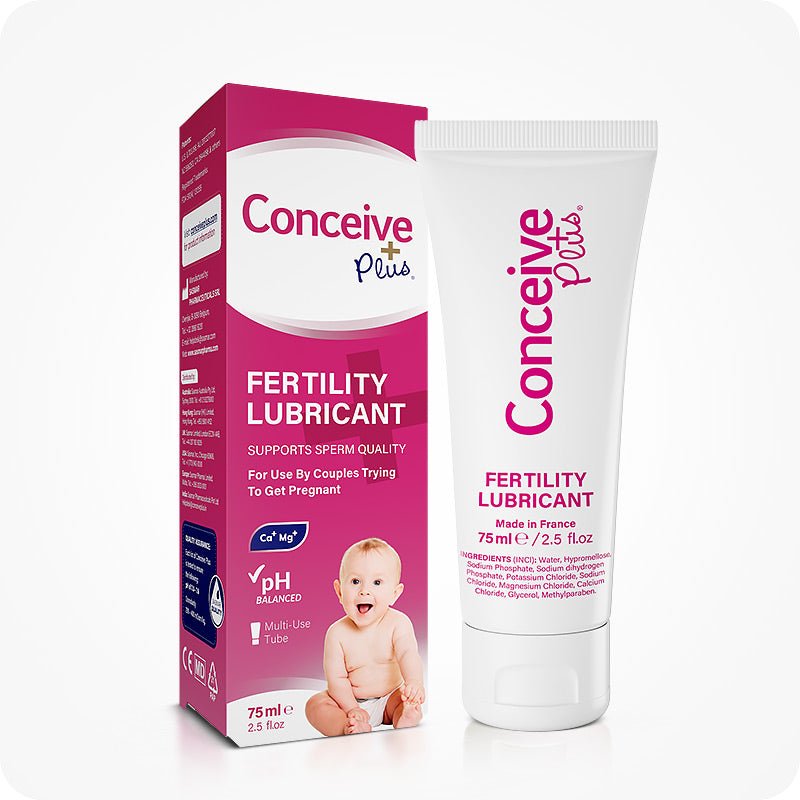
Standard lubricants — including many labelled "natural" — can reduce sperm motility by 60–90% in vitro. Conceive Plus fertility lubricant is specifically formulated to match the pH and osmolality of fertile cervical mucus, making it the only choice when trying to conceive. It also contains calcium and magnesium ions that actively support sperm function.
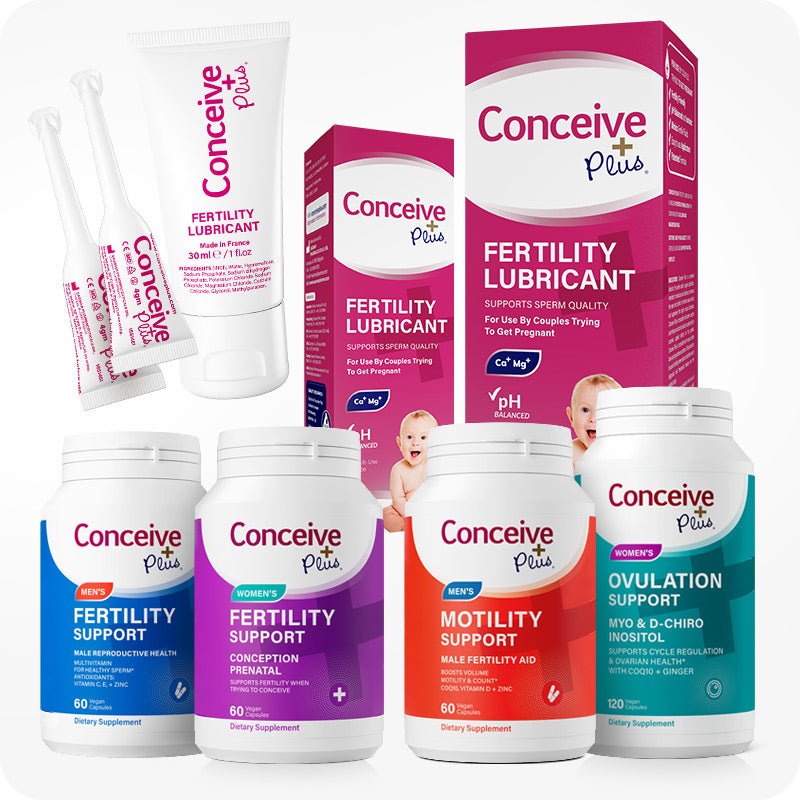
Complete your fertility strategy: Pair Conceive Plus Men's Supplement with our Fertility Lubricant for comprehensive support from both sides of the conception equation.
How Long Until You See Improvement in Sperm Parameters?
The spermatogenesis cycle — the time it takes to produce a fully mature sperm from a stem cell — is approximately 74 days. This means any lifestyle change or supplement intervention needs at least 3 months to show meaningful results in a repeat semen analysis.
What this means practically:
- Start supplements and lifestyle changes now
- Retest (home or clinical) after 90 days
- Track progress with consistent testing intervals
- Don't get discouraged by slow initial progress — the biology simply takes time
Men who commit to a comprehensive protocol (supplements, lifestyle, and medical support where needed) often see significant improvements. A 2016 study in Andrology found that 3 months of targeted supplementation improved TMSC by an average of 33% in men with mild to moderate oligoasthenospermia.
When Home Testing Isn't Enough: Upgrading to Clinical Analysis
A male fertility check at home is an excellent starting point, but there are situations where a full clinical workup is essential:
- Home test consistently shows low results despite 3+ months of intervention
- You and your partner have been trying for 12+ months (6 months if she's 35+)
- Partner has had recurrent miscarriage (sperm DNA fragmentation may be involved)
- History of testicular injury, mumps orchitis, undescended testicle, or cancer treatment
- Symptoms of hormonal imbalance (low libido, erectile dysfunction, gynecomastia)
- Home test results are borderline and you need precise numbers for medical decision-making
Clinical semen analysis typically costs $100–$300 and provides a comprehensive picture including morphology, pH, volume, liquefaction time, and white blood cell count (which can indicate infection). Many fertility clinics offer same-day results.
The Role of Oxidative Stress in Male Infertility
One factor that home tests cannot measure — but that has a major impact on fertility outcomes — is oxidative stress in the semen. Reactive oxygen species (ROS) are produced naturally during cellular metabolism, but when they accumulate beyond the semen's antioxidant capacity, they attack sperm DNA and membrane integrity.
Studies suggest that 30–80% of infertile men have elevated seminal ROS levels, often without any significant abnormality in standard semen parameters. This is a key reason why antioxidant supplementation (vitamin C, vitamin E, CoQ10, selenium) is beneficial even when count and motility appear normal on a home sperm test.
DNA fragmentation testing (DFT) is a clinical test that measures sperm DNA integrity. If you've had normal semen analysis results but continue to struggle with conception or recurrent pregnancy loss, DFT is worth discussing with your doctor.
Conceive Plus vs Pre-Seed: What's the Best Lubricant When Trying to Conceive?
When couples are trying to conceive — particularly after discovering sperm parameter issues — the choice of lubricant becomes critical. Both Conceive Plus and Pre-Seed are marketed as sperm-safe, but there are meaningful differences:
- Conceive Plus is the only fertility lubricant that contains calcium and magnesium ions, which actively support the sperm acrosome reaction (the critical step that allows sperm to penetrate the egg). It matches fertile cervical mucus pH (7.0–8.0) and has ISO 29621 clearance for sperm motility support.
- Pre-Seed matches vaginal pH during the fertile window but does not contain the ionic minerals that support sperm-egg interaction.
For couples where sperm function is a concern, Conceive Plus's ionic formula provides an additional layer of support that Pre-Seed doesn't offer.
Frequently Asked Questions: Male Fertility Test at Home
Q: How accurate are home sperm tests compared to lab tests?
A: FDA-cleared devices like YO and Trak have been clinically validated against laboratory analysis and show strong correlation. They're accurate enough for screening purposes. However, they don't measure morphology or DNA fragmentation, so a positive home result doesn't completely replace clinical testing for couples with ongoing fertility challenges.
Q: Can I test more than once on the same day?
A: No — you need to abstain for 2–5 days before each test to get an accurate reading. Testing more frequently than this will underestimate your true count.
Q: My home sperm test showed low results. Should I tell my partner?
A: Fertility challenges are best faced as a team. Sharing results opens the door to coordinated action and avoids unnecessary stress. Many couples find that addressing male factor proactively actually brings them closer together.
Q: How long do I need to take supplements before retesting?
A: At least 90 days (approximately 3 months), which is one full spermatogenesis cycle. Some men see improvement at 60 days, but 90 days gives a more reliable picture of the supplement's full effect.
Q: Are there foods that improve sperm quality quickly?
A: Walnuts, Brazil nuts (selenium), oysters (zinc), tomatoes (lycopene), and leafy greens (folate) all support sperm parameters. However, dietary changes alone are slower and less targeted than supplementation with clinically dosed nutrients like those in Conceive Plus Men's.
Q: Can a varicocele be treated without surgery?
A: Varicoceles (enlarged veins in the scrotum that raise testicular temperature) are typically treated with minor outpatient surgery (varicocelectomy) or a minimally invasive procedure called embolisation. There is no effective non-surgical treatment, but the procedures have a high success rate with minimal recovery time.
Q: Does age affect male fertility?
A: Yes, significantly. Sperm count, motility, and morphology all decline with age, and DNA fragmentation increases. Men over 40 have higher rates of de novo mutations in sperm, which can affect embryo quality. The effect accelerates after 45. This is another reason early testing matters — the sooner you know, the more options you have.
Q: Can tight underwear really affect sperm?
A: Yes. A Harvard study of 656 men found that those wearing boxers had 25% higher sperm concentration and 17% higher total sperm count than those wearing tighter underwear. Scrotal temperature regulation is genuine physiology — the testes are outside the body precisely because sperm production requires a temperature 2–3°C below core body temperature.
Q: Is it worth doing a male fertility test at home if my partner is already doing fertility workup?
A: Absolutely. Even if your partner is undergoing comprehensive testing, early male factor identification can change the recommended treatment path (e.g., IUI vs IVF, with or without ICSI). Waiting to test male factors until female workup is complete wastes valuable time.
Q: What does the Conceive Plus Men's supplement contain, and is it safe?
A: Conceive Plus Men's Fertility Support contains CoQ10, L-carnitine, zinc, selenium, folate, and vitamins C, D, and E — all at clinically meaningful doses. The formulation is free from artificial additives and is manufactured to GMP standards. It's safe for long-term use and appropriate to continue during IUI and IVF cycles.
Conclusion: A Male Fertility Test at Home Is Just the Beginning
A male fertility test at home is one of the most empowering steps a man trying to conceive can take. It's quick, private, and provides actionable data — whether results are reassuring or prompt further investigation. The key is not to stop at the test: use the results as a launching pad for evidence-based action.
Supplement with clinically validated nutrients, eliminate lifestyle factors that harm sperm, get clinical evaluation if needed, and use a sperm-safe lubricant during intercourse. Conceive Plus offers best-in-class products at every stage of this journey — from the fertility lubricant that protects sperm during the journey to the egg, to the men's supplement that optimises the sperm you produce.
Male fertility is not fixed. With the right information and the right support, most men can meaningfully improve their sperm parameters within 3 months. The test is the first step — what you do next is what changes your outcome.
Ready to boost your fertility journey? Explore Conceive Plus — trusted by thousands of couples worldwide.