NAC for Fertility: How N-Acetyl Cysteine Boosts Egg Quality, PCOS, and Reproductive Health


NAC for Fertility: How N-Acetyl Cysteine Boosts Egg Quality, PCOS, and Reproductive Health
If you've been researching NAC for fertility, you're not alone. N-acetyl cysteine (NAC) has emerged as one of the most talked-about supplements in the TTC (trying to conceive) community — and for good reason. A growing body of clinical research shows that NAC for fertility may deliver real benefits for women with PCOS, those concerned about egg quality, and couples navigating unexplained infertility. This comprehensive guide explores the science, the evidence, and how to use NAC wisely as part of your fertility supplement strategy.
Conceive Plus has always prioritised evidence-based supplementation. Whether you're using our fertility lubricants or our targeted supplement range, every product is designed around real science. Understanding how NAC works — and why it might matter for your fertility — is exactly the kind of information we believe every person trying to conceive deserves.
What Is N-Acetyl Cysteine (NAC)?
N-acetyl cysteine is a supplemental form of the amino acid L-cysteine. It's been used in conventional medicine for decades — most notably as a mucolytic agent for respiratory conditions and as an antidote to paracetamol (acetaminophen) overdose. But NAC's fertility applications have emerged from its role as a precursor to glutathione, the body's most powerful endogenous antioxidant.
Oxidative stress — an imbalance between free radicals and antioxidants — is increasingly recognised as a key driver of reproductive dysfunction. It damages egg DNA, impairs ovarian follicle development, disrupts sperm morphology, and degrades the uterine lining. By replenishing glutathione, N-acetyl cysteine fertility research suggests NAC may help neutralise this oxidative damage at the cellular level.
NAC is rapidly absorbed when taken orally, converted to cysteine, and then used by cells throughout the body to synthesise glutathione. Unlike direct glutathione supplementation (which is poorly absorbed), NAC reliably elevates intracellular glutathione concentrations — making it a pragmatic choice for fertility-focused antioxidant therapy.
NAC for Fertility: What the Research Actually Shows
Ready to Support Your Fertility Journey?
Discover Conceive Plus — evidence-based fertility support trusted by couples worldwide.
Shop Conceive PlusThe clinical literature on NAC for fertility has expanded significantly over the past decade. Here is what the evidence shows across the main areas of interest:
1. NAC and PCOS
Polycystic ovary syndrome (PCOS) affects approximately 8–13% of women of reproductive age. It is characterised by hormonal dysregulation, insulin resistance, chronic inflammation, and elevated oxidative stress — all of which impair ovulation and conception.
A landmark 2003 randomised controlled trial published in Fertility and Sterility compared NAC supplementation to placebo in women with PCOS. The NAC group showed significant improvements in insulin sensitivity and a meaningful increase in ovulation rate. Subsequent studies have compared NAC to metformin — the standard pharmaceutical treatment for PCOS-related infertility — with several trials showing comparable outcomes for ovulation induction.
A 2017 meta-analysis of six randomised controlled trials involving 701 women with PCOS found that NAC PCOS fertility protocols were associated with significantly higher pregnancy rates and live birth rates compared to placebo. The researchers concluded that NAC was a promising adjunct or alternative to metformin for PCOS-related anovulation.
The mechanisms are multiple: NAC reduces insulin resistance (which drives androgen excess in PCOS), decreases systemic inflammation, lowers homocysteine levels, and directly counteracts the oxidative stress that characterises PCOS pathology.
2. NAC and Egg Quality
Egg quality is arguably the most critical factor in conception and early pregnancy viability. As women age, the oxidative stress burden on oocytes (eggs) increases — DNA fragmentation rises, mitochondrial function declines, and the chances of successful fertilisation and implantation fall.
Research into NAC egg quality has produced encouraging findings. A 2018 study in the Journal of Assisted Reproduction and Genetics found that women undergoing IVF who supplemented with NAC before egg retrieval had significantly higher rates of mature (MII) oocytes and improved fertilisation rates compared to controls.
The mechanism centres on glutathione's role in meiosis — the cell division process that produces eggs. Adequate intracellular glutathione is essential for chromosomal segregation during meiosis, and deficiency leads to errors that result in aneuploidy (abnormal chromosome numbers). By elevating glutathione via N-acetyl cysteine fertility protocols, NAC may help protect the integrity of the meiotic spindle during this critical developmental window.
3. NAC and Endometrial Receptivity
For an embryo to implant, the uterine lining must be receptive — well-vascularised, appropriately thick, and free from excessive inflammation. Oxidative stress compromises endometrial receptivity by damaging the angiogenic factors that build the lining's vascular network.
Several studies suggest that NAC may support endometrial development. In a 2010 trial, women with a history of thin endometrium (<7mm) who received NAC supplementation alongside low-dose aspirin showed meaningfully improved endometrial thickness and pregnancy rates compared to controls. The improvement in blood flow markers suggested NAC may enhance uterine perfusion — a critical element of implantation success.
4. NAC and Recurrent Pregnancy Loss
Recurrent miscarriage (defined as two or more consecutive pregnancy losses) affects approximately 1–2% of couples. Elevated homocysteine and oxidative stress have both been implicated in early pregnancy loss. Several small trials have examined NAC supplementation in women with recurrent miscarriage, generally finding improvements in live birth rates compared to controls — though larger trials are needed to confirm these findings.
Conceive Plus Vs Pre-Seed: Understanding Your Fertility Lubricant Options
While NAC addresses reproductive health at the cellular level, fertility lubricants address the mechanical environment of conception. If you're evaluating your complete TTC toolkit, understanding the difference between Conceive Plus and Pre-Seed is important.
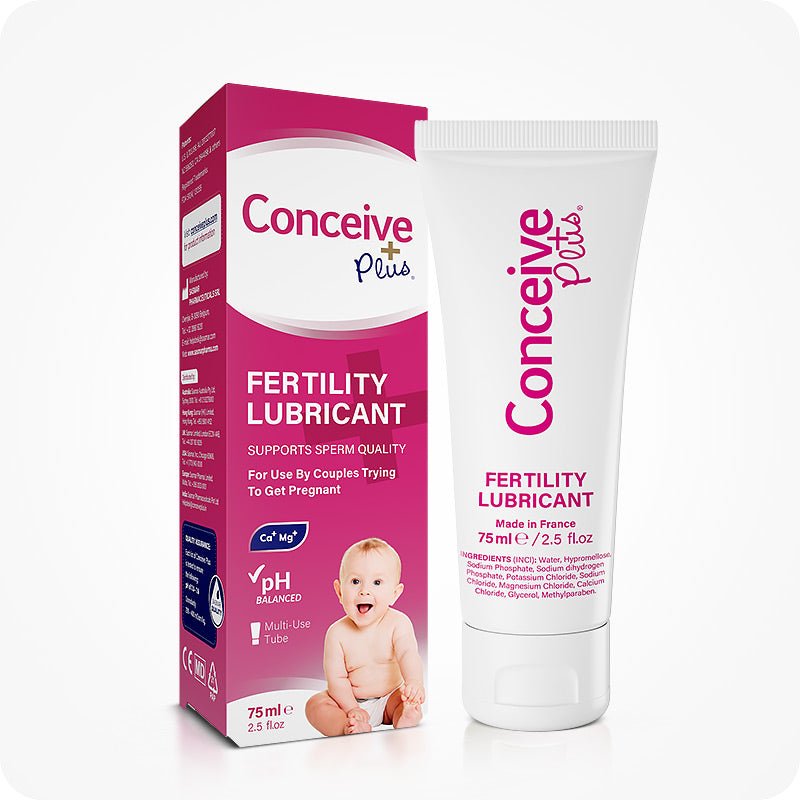
Conceive Plus fertility lubricant is formulated with calcium and magnesium ions — the same ions naturally present in healthy cervical mucus and essential for sperm capacitation (the process by which sperm acquire the ability to fertilise an egg). It is pH-matched to fertile cervical mucus (pH 6.9–7.4) and iso-osmotic, meaning it doesn't cause osmotic damage to sperm cells. Pre-Seed, while also positioned as fertility-friendly, lacks the calcium-magnesium ion formulation and has a different osmolality profile in some studies.
In independent testing and clinical evaluation, Conceive Plus has consistently demonstrated superior sperm motility preservation compared to standard lubricants, and its unique mineral-ion formulation provides an evidence-based edge for couples who rely on lubrication during intercourse. For more details, explore Conceive Plus fertility lubricants.
How to Use NAC for Fertility: Dosage and Timing
Based on the clinical research, most NAC for fertility protocols use doses ranging from 600mg to 1,800mg per day, typically divided across two to three doses. For PCOS-related anovulation, studies have commonly used 1,200mg/day (600mg twice daily). For egg quality support ahead of IVF, protocols often begin 4–8 weeks before egg retrieval.
Key timing considerations include:
- For PCOS/ovulation support: Begin supplementation 2–3 months before your target conception window to allow time for measurable changes in insulin sensitivity and ovarian function.
- For egg quality: Oocyte development (folliculogenesis) begins approximately 90 days before ovulation, so starting NAC at least three months before intended conception is ideal.
- For IVF: Most IVF centre protocols that incorporate NAC begin it during the stimulation phase or up to 8 weeks prior to egg retrieval.
- Cyclical use: Some protocols prescribe NAC from cycle day 3 through ovulation only, mirroring the approach used in clinical PCOS ovulation induction studies.
NAC is generally well-tolerated. The most commonly reported side effects are gastrointestinal: nausea, diarrhoea, or reflux. Taking NAC with food typically reduces these effects. NAC may also have mild anti-coagulant properties; discuss with your physician if you take blood-thinning medications.
NAC as an Antioxidant Fertility Supplement: The Broader Picture
NAC doesn't exist in isolation. As part of a comprehensive antioxidant fertility supplement strategy, it is most effective when combined with other evidence-based nutrients. CoQ10 (coenzyme Q10) works synergistically with NAC: CoQ10 supports mitochondrial energy production within oocytes, while NAC protects against the oxidative byproducts of that metabolic activity. Together, they form a two-pronged defence against the cellular ageing that degrades egg quality.
Other antioxidants frequently combined with NAC in fertility protocols include:
- Vitamin C: A water-soluble antioxidant that works synergistically with glutathione, recycling oxidised glutathione back to its active form.
- Vitamin E: A fat-soluble antioxidant that protects cell membranes from lipid peroxidation — particularly relevant for sperm membranes.
- Alpha-lipoic acid (ALA): Like NAC, ALA elevates intracellular glutathione and also directly scavenges free radicals in both water- and fat-soluble environments.
- Selenium: A cofactor for glutathione peroxidase enzymes, directly supporting the antioxidant cascade that NAC helps fuel.
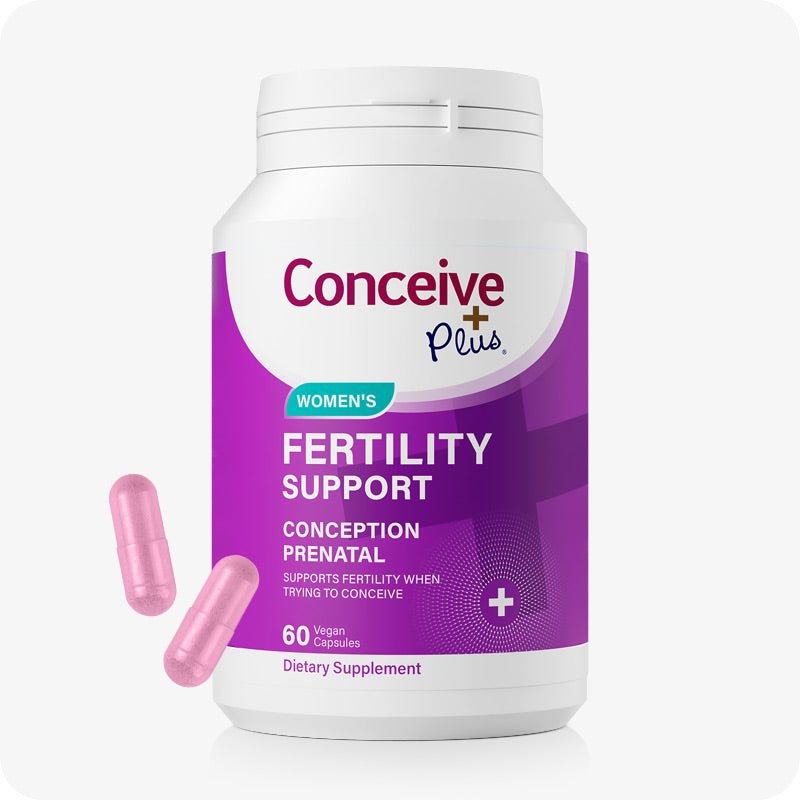
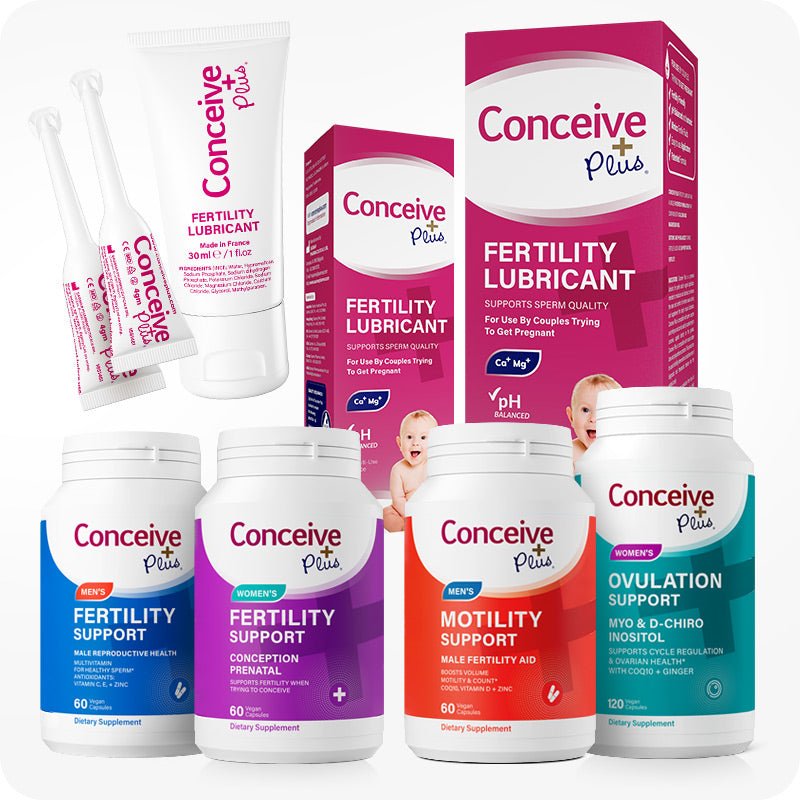
Conceive Plus's fertility supplement range is designed with this evidence-based, synergistic approach in mind. Rather than relying on a single nutrient, our formulas combine targeted antioxidants, essential minerals, and reproductive cofactors. Explore our complete fertility supplements collection to find the right combination for your stage of the TTC journey.
NAC and Male Fertility
While much of the NAC for fertility research focuses on female reproductive health, there is meaningful evidence supporting NAC's benefits for male fertility as well. Sperm are particularly vulnerable to oxidative stress because their plasma membranes are rich in polyunsaturated fatty acids — ideal for lipid peroxidation — and their repair mechanisms are limited after spermatogenesis.
A 2009 randomised trial found that men with idiopathic infertility who supplemented with NAC for three months showed significant improvements in sperm concentration, motility, and morphology compared to placebo. Oxidative stress markers in seminal plasma were also reduced. For couples where male factor infertility is part of the picture, NAC represents an accessible, affordable adjunct to standard treatment.
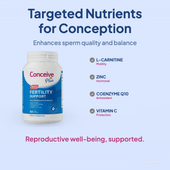
For comprehensive male fertility support, NAC pairs well with zinc (essential for testosterone production and spermatogenesis), folic acid (reduces sperm DNA fragmentation), and L-carnitine (supports sperm energy metabolism). Conceive Plus Men's Fertility Support combines these evidence-based nutrients in a single daily formula.
NAC Compared to Metformin for PCOS: What You Need to Know
For women with PCOS using insulin-sensitising strategies to restore ovulation, the comparison between NAC and metformin is clinically relevant. Both agents improve insulin sensitivity, lower androgens, and can restore menstrual regularity — but they work through different mechanisms and have different side effect profiles.
Metformin acts primarily on hepatic glucose production and intestinal glucose absorption. NAC works primarily through antioxidant and anti-inflammatory pathways, with secondary insulin-sensitising effects. Several trials have found NAC to be comparable to metformin for ovulation induction in PCOS — with a generally better gastrointestinal side effect profile in some studies.
Importantly, these are not necessarily either/or options. Several studies have examined NAC combined with metformin, finding additive benefits. Women with PCOS should always discuss supplementation strategies with their gynaecologist or reproductive endocrinologist before making changes to their medication or supplement regimen.
Common Questions About NAC for Fertility
Who should consider NAC for fertility? Women with PCOS, those with a history of poor egg quality or repeated IVF failure, individuals with elevated homocysteine levels, women over 35 pursuing conception, and women with recurrent pregnancy loss are among those most likely to benefit based on current evidence.
How long does NAC take to work for fertility? For PCOS-related ovulation changes, clinical trials have generally assessed outcomes at 3–6 months. For egg quality improvements, beginning NAC 3 months (90 days) before the intended conception or IVF cycle is the most evidence-aligned approach.
Is NAC safe during pregnancy? NAC is used medically during pregnancy for specific indications (including paracetamol toxicity) and has a generally reassuring safety profile in animal studies. However, routine supplementation throughout pregnancy has not been adequately studied for safety in randomised controlled trials. Most reproductive specialists recommend discontinuing NAC once pregnancy is confirmed unless otherwise directed by a physician.
Can NAC be combined with Conceive Plus supplements? Yes — NAC can be used alongside Conceive Plus fertility supplements. It is not present in our standard formulas because it is a specialised supplement typically used for specific indications rather than across-the-board supplementation. Using it alongside our comprehensive fertility vitamin formulas provides complementary coverage.
Practical Supplement Stack: NAC in Your Fertility Routine
Here is how NAC fits into a practical NAC for fertility daily protocol based on current evidence:
- Morning with breakfast: 600mg NAC + Conceive Plus Women's Fertility Support (folate, iodine, vitamin D, CoQ10, zinc, selenium, inositol)
- Evening with dinner: 600mg NAC + additional CoQ10 200–400mg if targeted egg quality support is a priority
- Throughout day: Adequate hydration (NAC and its metabolites are renally cleared)
- Weekly: Omega-3 fatty acids (DHA/EPA) — not combined in the same meal as NAC for maximal absorption of each
Remember that supplements support — they don't replace — the fundamentals: a Mediterranean-style diet rich in antioxidants, regular moderate exercise, healthy sleep, stress management, and avoiding environmental toxins such as cigarette smoke and excess alcohol.
NAC for Fertility: Key Takeaways
The evidence supporting NAC for fertility is substantial, particularly for women with PCOS and those targeting egg quality improvement. As a glutathione precursor and direct antioxidant, N-acetyl cysteine addresses one of the fundamental drivers of reproductive ageing and dysfunction — oxidative stress. Whether you're approaching a natural cycle, pursuing IUI, or preparing for IVF, NAC deserves a place in your evidence-based supplement conversation.
Conceive Plus supports your entire fertility journey — from lubricants that protect sperm during intercourse to comprehensive supplement formulas designed around the nutrients your reproductive system needs most. Explore our full range at conceiveplus.com/collections/fertility-supplements and give yourself every evidence-based advantage on the path to parenthood.
Frequently Asked Questions About NAC for Fertility
Q: What dose of NAC is used for fertility?
A: Clinical trials typically use 600–1,800mg per day, most commonly 1,200mg/day (600mg twice daily) for PCOS ovulation induction. Doses toward the higher end of this range are sometimes used for egg quality protocols ahead of IVF.
Q: Can NAC improve egg quality?
A: Clinical research suggests yes — particularly by elevating intracellular glutathione, which is essential for the meiotic division that produces eggs. Studies in IVF populations have shown higher rates of mature oocytes and improved fertilisation rates in women who supplemented with NAC prior to egg retrieval.
Q: Does NAC help with PCOS fertility?
A: Multiple randomised controlled trials and meta-analyses support NAC's benefit for ovulation induction in PCOS, with several studies showing outcomes comparable to metformin. It appears to work through insulin sensitisation, reduction of androgen excess, and anti-inflammatory/antioxidant mechanisms.
Q: Can men take NAC for fertility?
A: Yes — NAC has been shown in randomised trials to improve sperm concentration, motility, and morphology in men with idiopathic infertility. It reduces oxidative stress in seminal plasma, which is a key driver of sperm DNA damage.
Q: Is NAC safe to take with other fertility supplements?
A: NAC is generally safe to combine with standard fertility supplements including folate/folic acid, CoQ10, vitamin D, zinc, selenium, and omega-3 fatty acids. Always discuss your full supplement regimen with your healthcare provider.
Q: How is NAC different from glutathione supplements?
A: NAC is a precursor to glutathione and is efficiently absorbed when taken orally, reliably raising intracellular glutathione levels. Direct glutathione supplementation has poor bioavailability and raises intracellular levels much less effectively. For fertility purposes, NAC is the preferred approach.
Q: When should I start NAC if I'm doing IVF?
A: Most evidence suggests beginning 4–12 weeks before egg retrieval to allow maximal replenishment of oocyte glutathione during the critical folliculogenesis window. Discuss the optimal timing with your IVF specialist.
Q: Can NAC help with thin endometrium?
A: Preliminary clinical evidence suggests NAC may help improve endometrial thickness and blood flow, particularly in combination with low-dose aspirin. This is an emerging area with promising but not yet definitive data.
Q: Should I continue NAC after a positive pregnancy test?
A: Most reproductive specialists recommend stopping NAC once pregnancy is confirmed, as adequate safety data in ongoing pregnancy are not established. Always consult your obstetrician.
Q: Where can I find a fertility supplement that includes antioxidants like those that work with NAC?
A: Conceive Plus fertility supplements include key antioxidants including vitamin C, vitamin E, selenium, and zinc — nutrients that work synergistically with NAC. Visit conceiveplus.com to explore the full range.
Ready to Support Your Fertility Journey?
Discover Conceive Plus — evidence-based fertility support trusted by couples worldwide.
Shop Conceive Plus