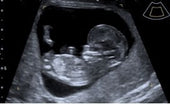
...our secret was conceive plus ladies so id give it a try!!
Frequently Asked Questions
Recommended by Fertility Experts
Conceive Plus Men's Fertility Support
Designed to support healthy sperm production, motility, and overall male reproductive health with clinically studied nutrients.
Shop Now →What is Conceive Plus and does it really help with fertility?
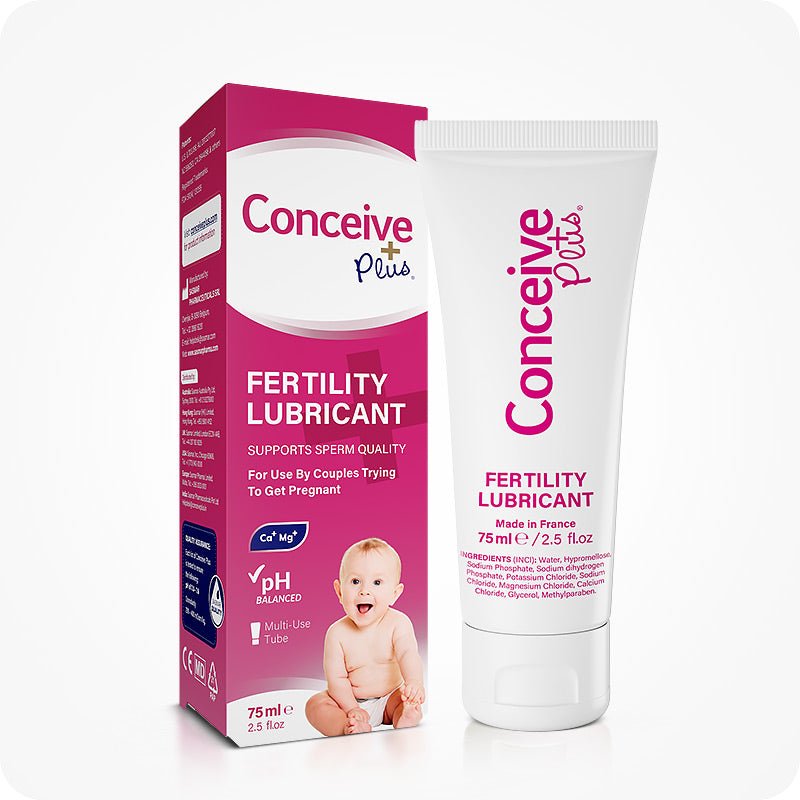
Conceive Plus is an over-the-counter vaginal lubricant specifically formulated to support conception by mimicking fertile cervical mucus and maintaining an optimal pH environment for sperm. While many users report success stories, the FDA classifies it as a medical device rather than a drug, and clinical evidence supporting its efficacy is limited; however, it's generally considered safe to use during conception attempts and may be particularly helpful for couples with low cervical mucus production.
Can you get pregnant naturally with PCOS, and what are the chances?
Yes, many women with PCOS (polycystic ovary syndrome) do conceive naturally, though it may take longer due to irregular ovulation patterns. Approximately 70-80% of women with PCOS will eventually achieve pregnancy with or without treatment, and lifestyle modifications, fertility-friendly lubricants, and monitoring ovulation can all increase the likelihood of conception.
Is it safe to use fertility lubricants during the conception window?
Yes, fertility-specific lubricants like Conceive Plus are designed to be sperm-friendly and safe for conception attempts, unlike regular lubricants which can impair sperm motility. The American Society for Reproductive Medicine (ASRM) confirms that using sperm-compatible lubricants does not negatively impact fertility outcomes and may be beneficial for couples experiencing low cervical mucus.
When should I schedule my first ultrasound after getting a positive pregnancy test?
The first ultrasound, called a dating ultrasound, is typically scheduled between 8-12 weeks of pregnancy to confirm viability, establish an accurate due date, and check for multiple pregnancies. Your healthcare provider will recommend the timing based on your last menstrual period and local clinic protocols; most US fertility clinics schedule this appointment early to provide reassurance and gather important baseline information.
What are common early pregnancy symptoms and when do they start?
Common early pregnancy symptoms include morning sickness, breast tenderness, fatigue, and nausea, which can begin 2-8 weeks after conception and vary greatly among individuals. Morning sickness, despite its name, can occur at any time of day and typically peaks around 9-13 weeks of pregnancy before gradually improving during the second trimester.
What should I be cautious about during the first trimester?
During the first trimester, focus on prenatal vitamins with folic acid, avoid harmful substances (alcohol, tobacco, certain medications), and maintain healthy eating and sleeping habits. While miscarriage risk is higher in the first trimester, most pregnancies progress normally; attending regular prenatal appointments and following your healthcare provider's guidance will help ensure the best outcome for you and your baby.
Are there fertility supplements or products I should avoid once pregnant?
Once you're pregnant, discontinue any fertility-specific supplements unless directed otherwise by your OB-GYN, and focus instead on prenatal vitamins prescribed by your healthcare provider. Always inform your doctor about any supplements, herbal products, or lubricants you've been using so they can advise on safety during pregnancy.
Trusted by Couples in Over 70 Countries
Support Male Fertility From the Inside Out
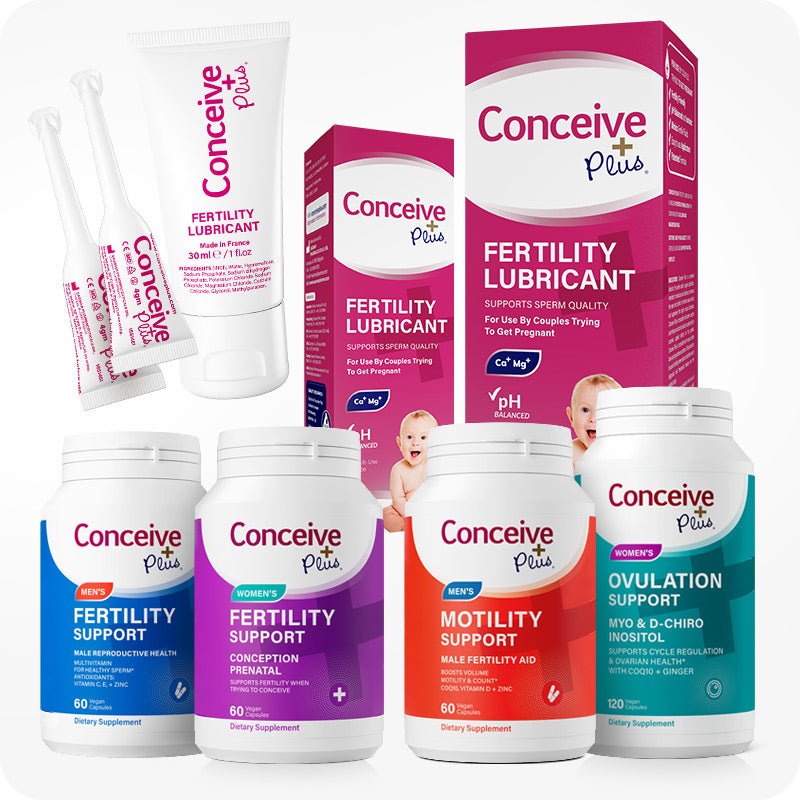
Male fertility is just as important as female fertility in the conception journey. Conceive Plus Men's range delivers targeted nutritional support to promote healthy sperm and overall reproductive wellbeing.
Shop Men's Range →